.jpg)
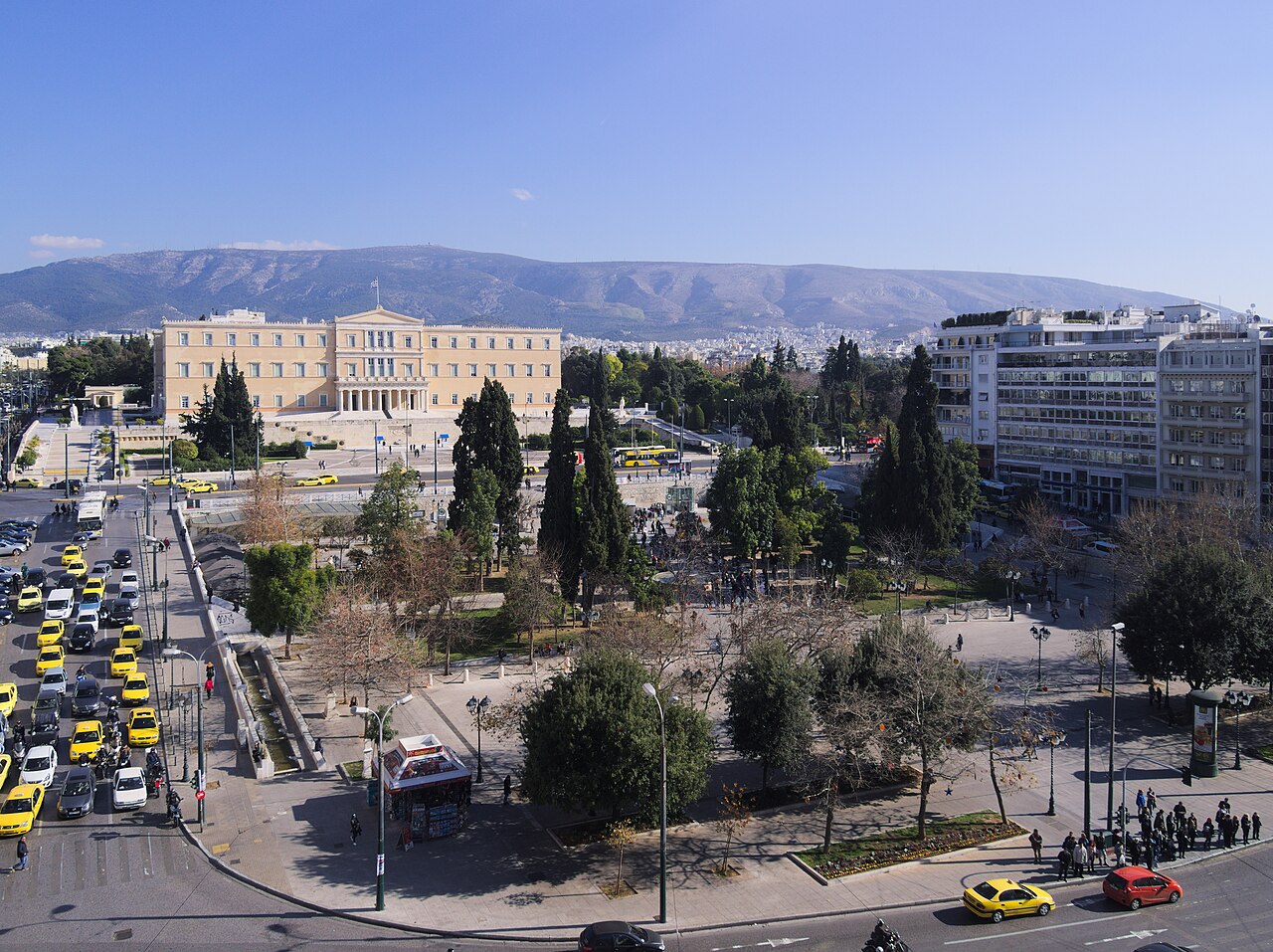
4 min walk
Syntagma Square
- Must see
- Historic monument
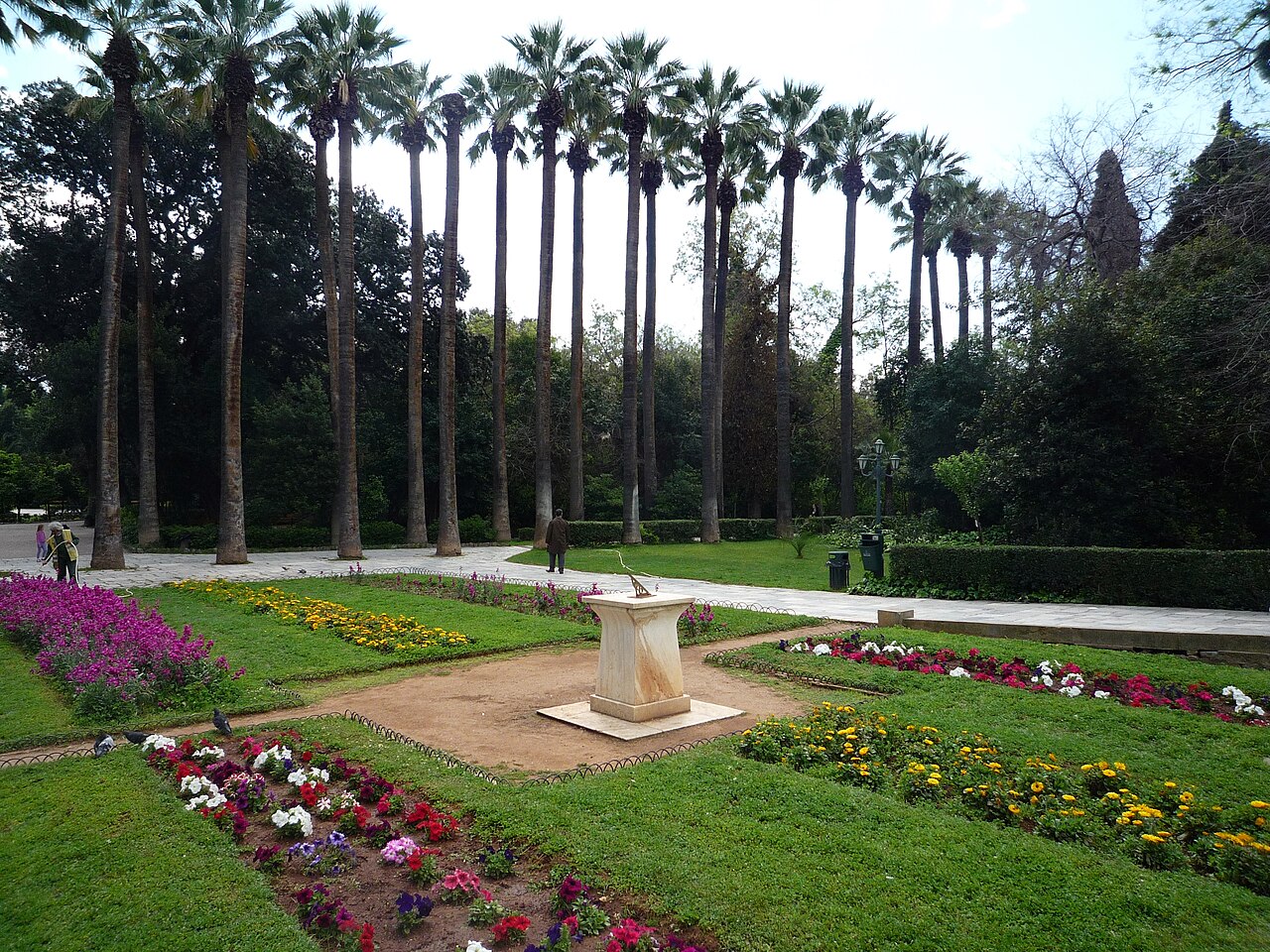
Nature site · Athens
Εθνικός Κήπος
| Per person | Free entry |
|---|
Checked 2026-08-31 · Source
Read from the OpenStreetMap access tags; anything not listed has no tag recorded.
Set the group type to family in the planner and the day window contracts to about three quarters of a solo day.
The National Garden of Athens is a public park situated in the heart of the Greek capital, directly behind the Hellenic Parliament building. Established in the nineteenth century, it occupies a central location between the districts of Syntagma and Pangrati. The garden serves as a green refuge amid dense urban development, offering tree-shaded pathways and landscaped grounds. Its historical significance stems from its royal origins and continued role as a major recreational space for residents and visitors to central Athens. Daily: sunrise–sunset. No scheduled weekly closure day. The City of Athens may impose exceptional temporary closures for safety during severe weather.
Checked 2026-08-31 · Source
The garden contains diverse plantings, including mature trees, ornamental shrubs, and various Mediterranean and exotic species accumulated since its creation. A small zoo with birds and animals was historically present. Monuments, busts, and scattered antiquities appear throughout the grounds. A botanical museum formerly operated on site. Ponds and water features provide habitat for aquatic life. Shaded walkways, open lawns, and secluded corners create varied spaces for walking, rest, and informal recreation away from adjacent traffic and commercial activity. No scheduled weekly closure day. The City of Athens may impose exceptional temporary closures for safety during severe weather.
Checked 2026-08-31 · Source
A thorough walk through the main paths requires approximately forty-five minutes to one hour at a leisurely pace. Visitors seeking to rest, observe plantings, or traverse secondary routes may extend this to ninety minutes. The compact central location makes it practical to combine with nearby attractions including Syntagma Square, the Parliament, and the Temple of Olympian Zeus. Many visitors treat it as a brief restorative stop rather than a dedicated half-day destination during Athens itineraries. Free general admission.
Checked 2026-08-31 · Source
Morning and late afternoon visits offer cooler conditions during warmer months, which visitors typically find more comfortable for walking. Midday summer heat can be intense even under tree cover. Seasonal variation in plant appearance affects visual interest. Rainfall is minimal in summer; winter brings greener growth but occasional wet conditions. Daily: sunrise–sunset. The official Athens guide identifies the National Garden as wheelchair accessible. An accessible entrance is located on Irodou Attikou Street near the Presidential Mansion. The step-free route from the Zappeion side uses an asphalt-paved entrance. Interior surfaces include soil, grass and fine gravel.
Checked 2026-08-31 · Source
No ticket infrastructure is visibly present at perimeter entrances. Visitors should not expect guided tour services, special exhibitions, or premium access tiers based on available information. Any changes to access policy or introduction of fees would require verification against official municipal sources. Free general admission. The official Athens guide identifies the National Garden as wheelchair accessible. An accessible entrance is located on Irodou Attikou Street near the Presidential Mansion. The step-free route from the Zappeion side uses an asphalt-paved entrance. Interior surfaces include soil, grass and fine gravel. Some shorter surrounding routes lack functional ramps, so the mapped accessible route should be followed.
Checked 2026-08-31 · Source
The garden borders Amalias Avenue and Vasileos Konstantinou Avenue, immediately adjacent to Syntagma Square. Syntagma metro station on Lines 2 and 3 provides the nearest rail access. Multiple bus routes serve the surrounding streets. Taxis and ride services can reach perimeter points. Use Syntagma metro station on Lines 2 and 3. The Amalias/National Garden exit leads toward the main entrance on Vasilissis Amalias Avenue. That exit uses stairs; for step-free arrival, take the lift to the Syntagma Square exit, cross Vasilissis Amalias Avenue at the pedestrian crossing beside Parliament, and approach the garden from there. Syntagma also connects with Tram T6.
Checked 2026-08-31 · Source
Urban park conditions apply: uneven pathways, root-damaged paving, and variable maintenance standards require attention to footing. Isolated areas may attract individuals with unclear intent, particularly at edges of the garden and during low-traffic periods. No security presence details were confirmed. Wildlife including birds and stray cats are resident; feeding is inadvisable. Water features may lack protective barriers. The official Athens guide identifies the National Garden as wheelchair accessible. The step-free route from the Zappeion side uses an asphalt-paved entrance. Interior surfaces include soil, grass and fine gravel. Some shorter surrounding routes lack functional ramps, so the mapped accessible route should be followed.
Checked 2026-08-31 · Source
Mature trees, classical-style monuments, pond reflections, and dappled pathway scenes offer compositional possibilities. Morning and late afternoon light penetrates canopy gaps at lower angles. The adjacent Parliament building and garden gates provide architectural context. Tripod use may attract attention in this politically sensitive zone. Commercial or staged photography should seek appropriate permissions. No specific restrictions on drone operation were confirmed, though Greek national aviation rules and proximity to government buildings strongly suggest prohibition without explicit authorization. Interior surfaces include soil, grass and fine gravel. Some shorter surrounding routes lack functional ramps, so the mapped accessible route should be followed.
Checked 2026-08-31 · Source
Queen Amalia commissioned it in 1838, and German architect and agronomist Friedrich Schmidt completed it in 1840.
It was declared a public space and renamed the National Garden in 1927.
The garden covers 158,000 square metres.
The garden contains 519 plant species; 100 are native to Greece.
The Roman villa mosaic floor, decorated with geometric plant and leaf designs, is at the northern end of the garden.
Queen Amalia personally planted the California palms there in 1842.
Loading the interactive map…
The interactive map could not be loaded.
Last updated:
Source: OpenStreetMap contributors, Wikidata ·