


2 min walk
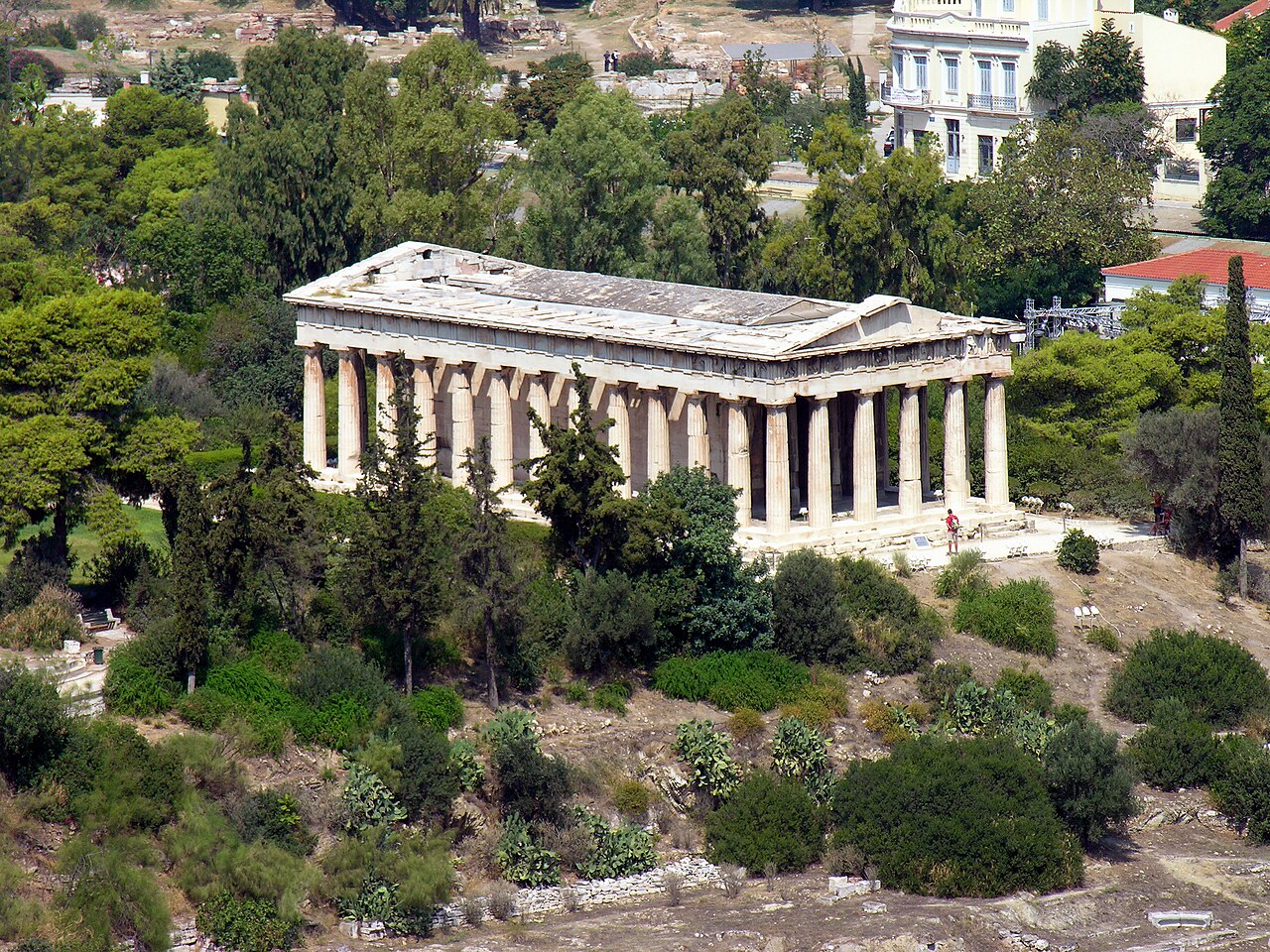
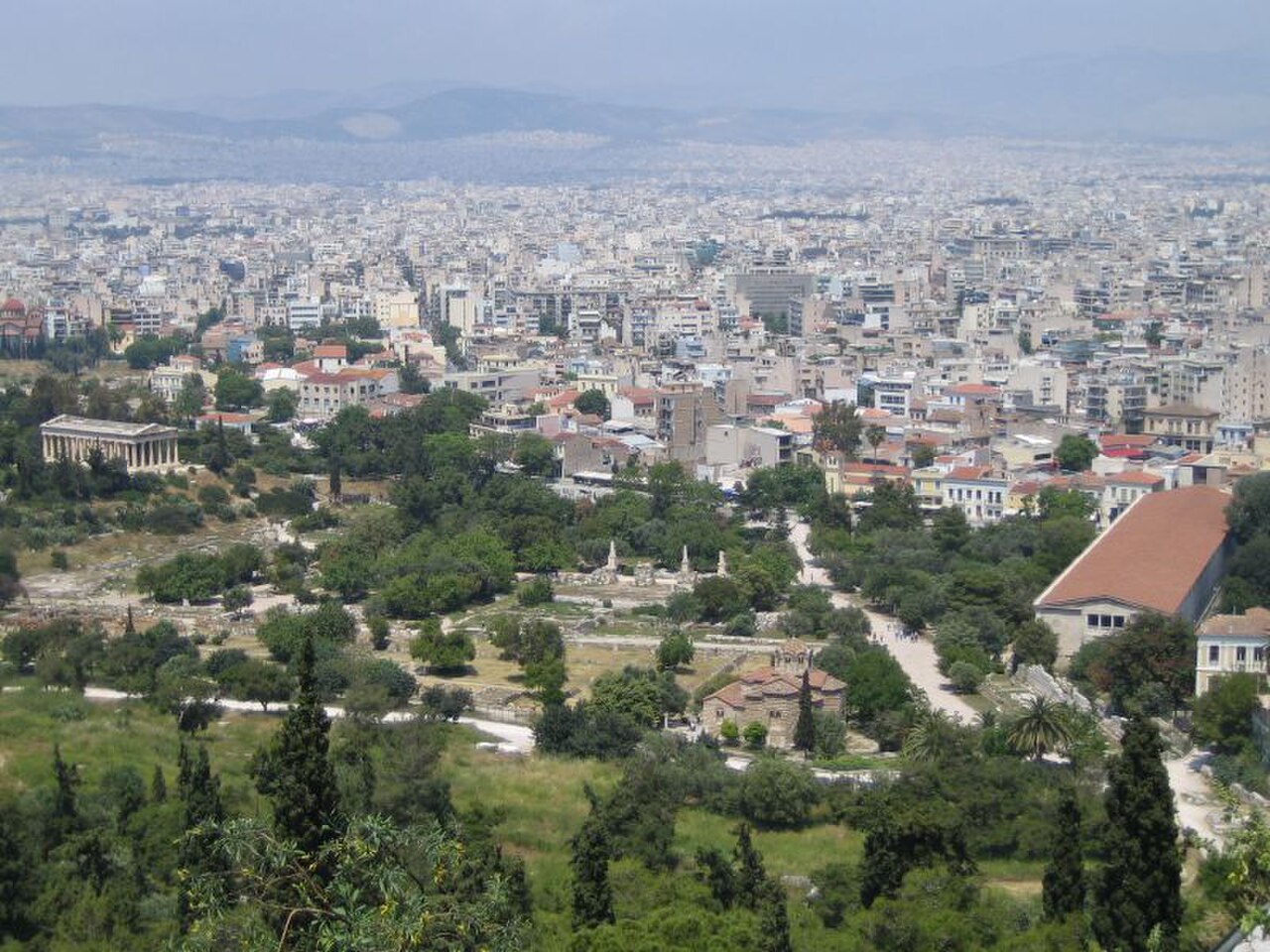
Temple of Hephaestus
- Must see · Heritage site
- Historic site
Historic site · Athens
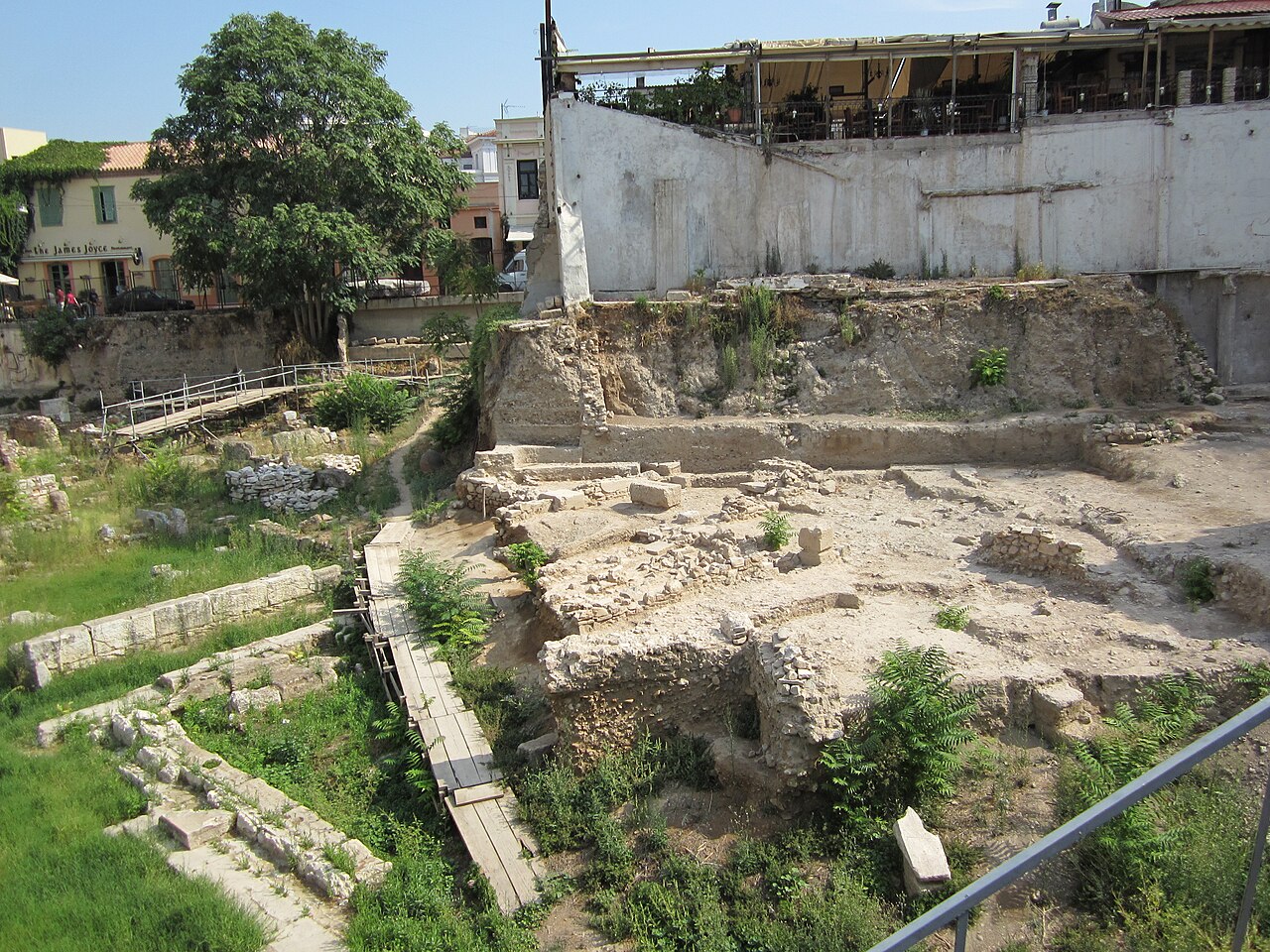
Ποικίλη Στοά
The Stoa Poikile, or Painted Portico, was a Doric stoa erected around 460 BC on the north side of the Ancient Agora of Athens. It was built by Peisianax, a brother-in-law of Kimon, and was first known as the Peisianactean Stoa. It became one of the most famous sites of ancient Athens for the paintings and war booty displayed inside and for its link with philosophy: Zeno of Citium taught here from around 300 BC until his death c. 262 BC, and the school he founded was named Stoicism after the stoa. It also served as a law court and a venue for official arbitrations.
Checked 2026-11-05 · Source
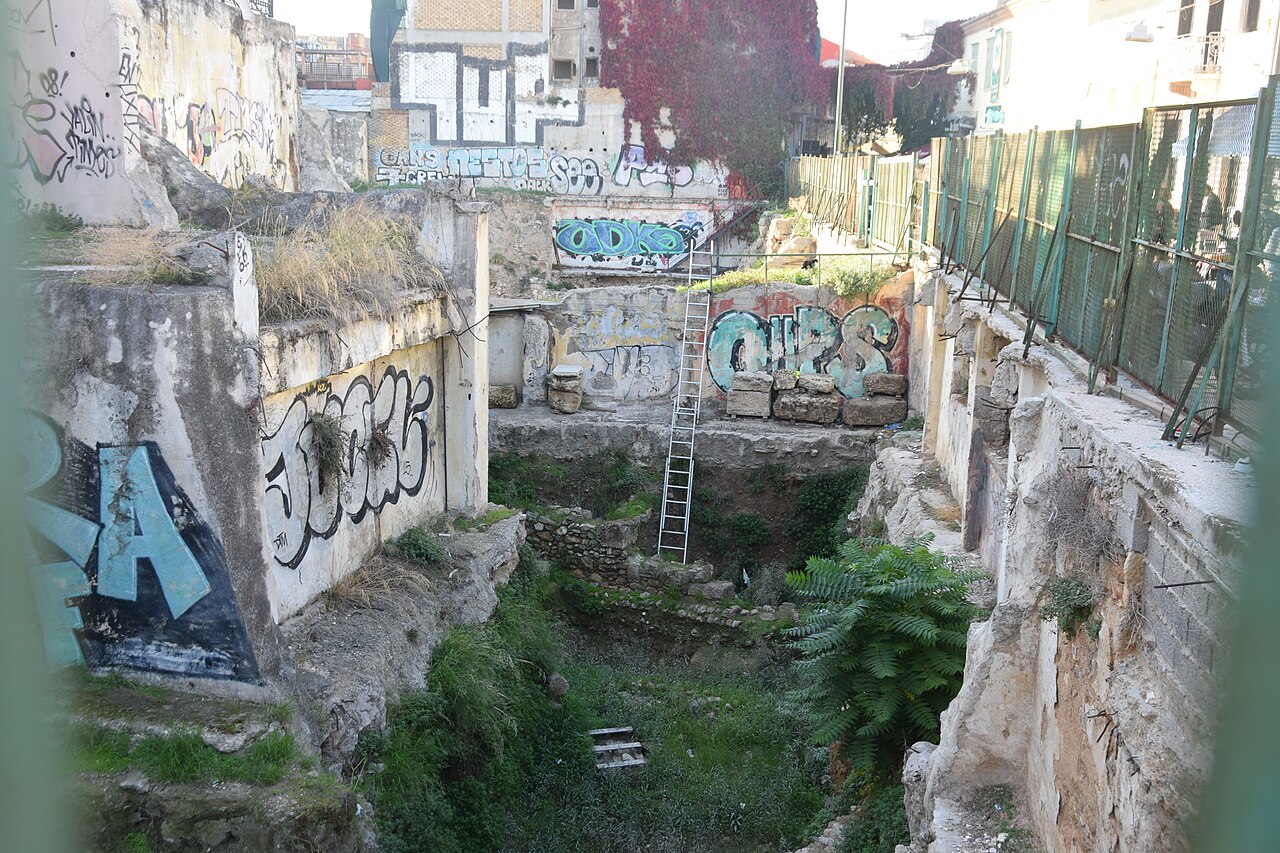
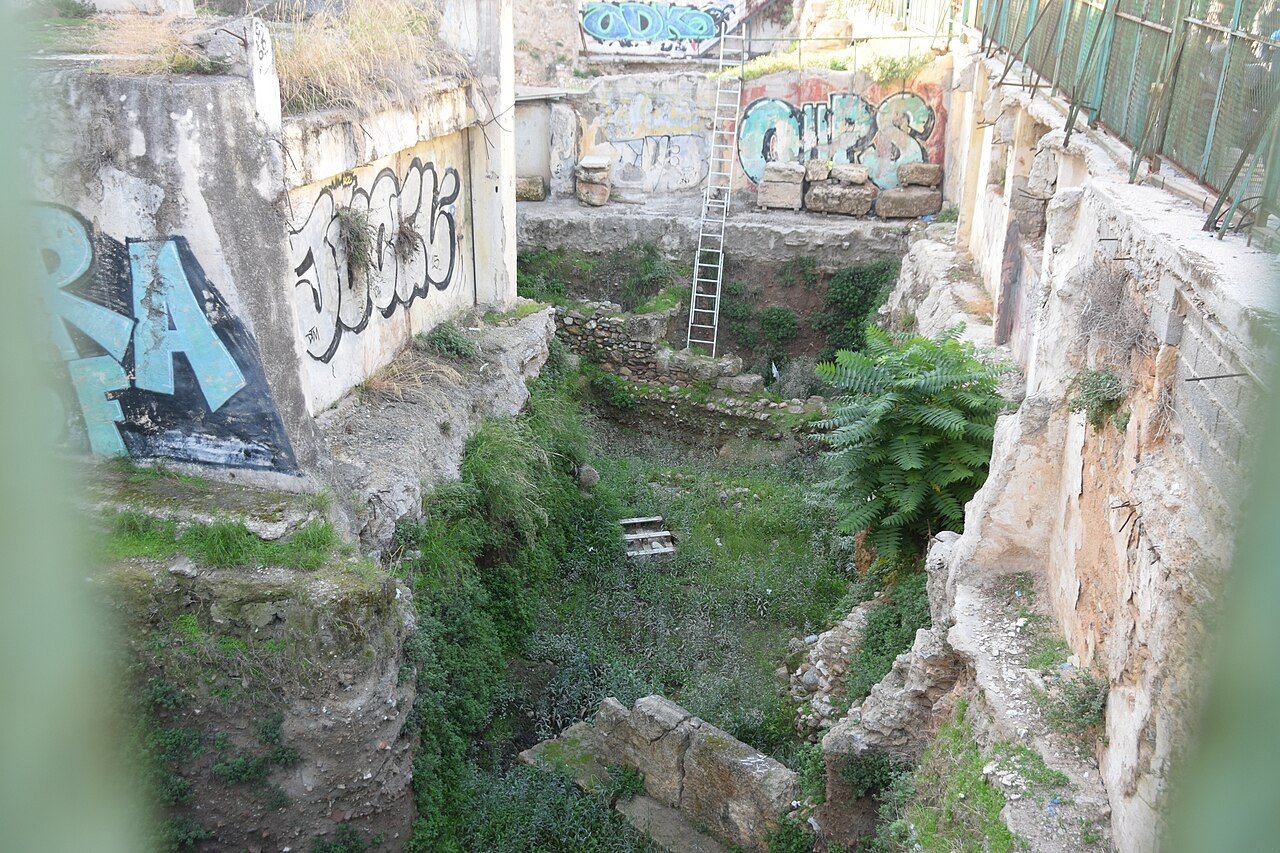
Inside the stoa hung painted tablets by Polygnotus, Micon and perhaps Panaenus; ancient authors singled out the painting of the Battle of Marathon. Bronze shields captured from the Spartans at Sphacteria in 425 BC were displayed there and could still be seen in the 2nd century AD. In 396 AD the paintings were reported to have been removed by a Roman governor, and the building was quarried for material in the sixth century. Today the excavated remains lie at the north-west corner of the Agora, on the north side of the Panathenaic Way: the back wall has been uncovered for 10.40 metres and the west side wall was 12.6 metres long.
Checked 2026-11-05 · Source
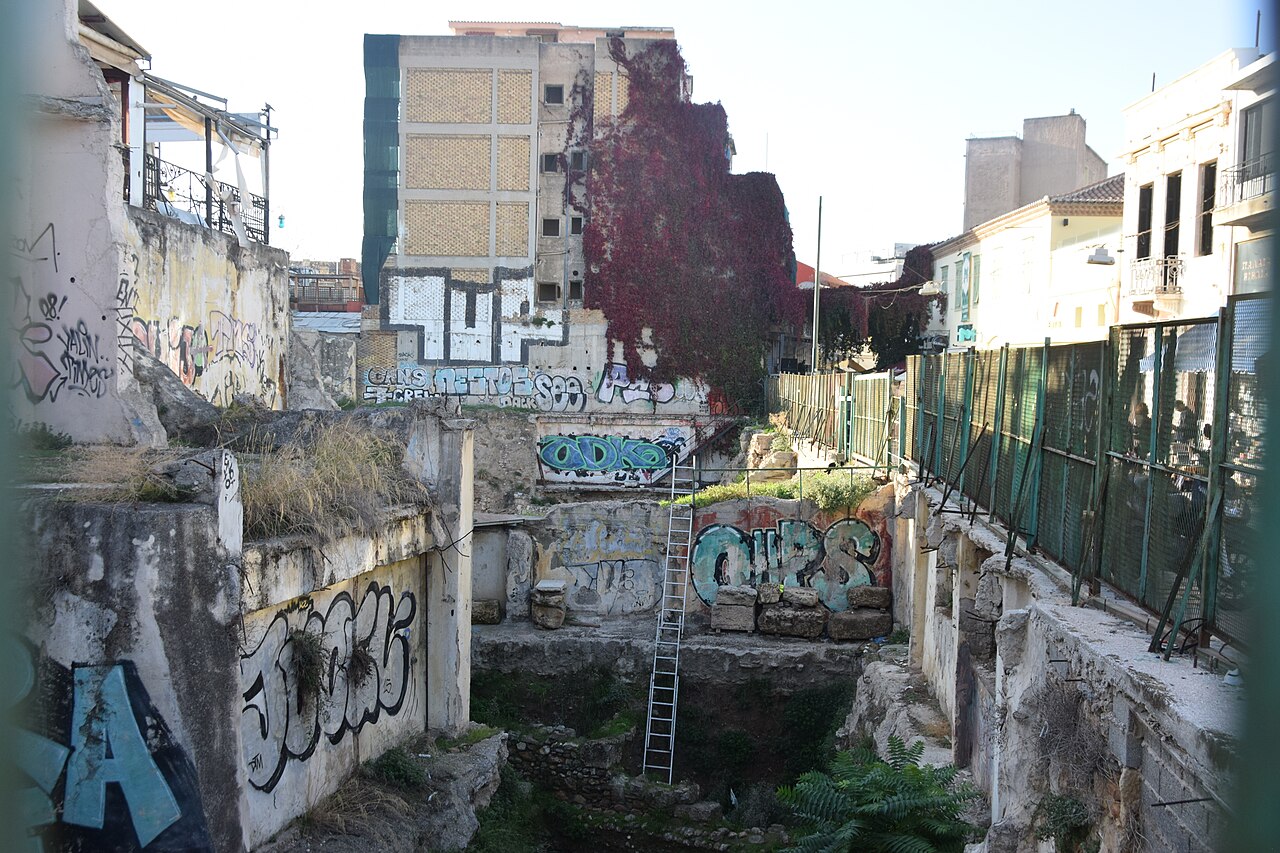
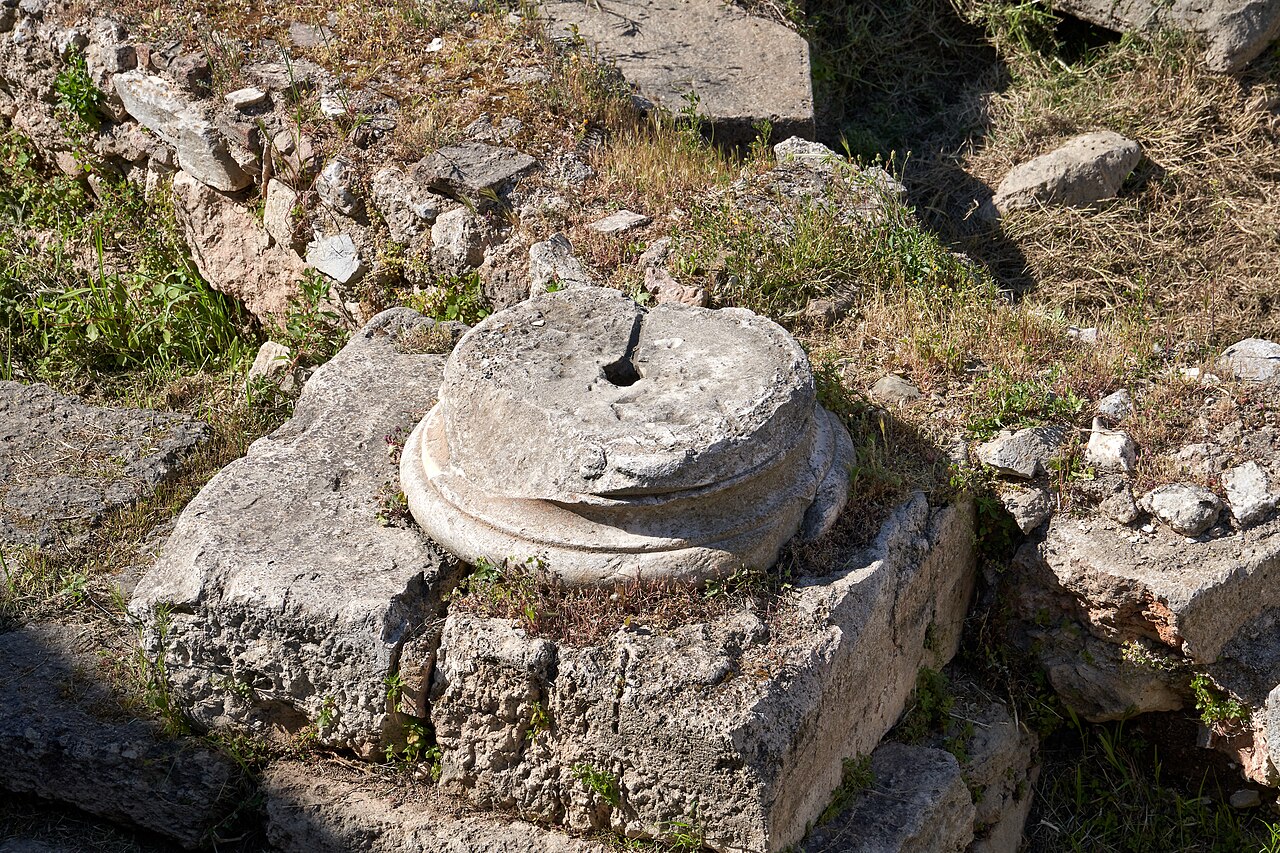
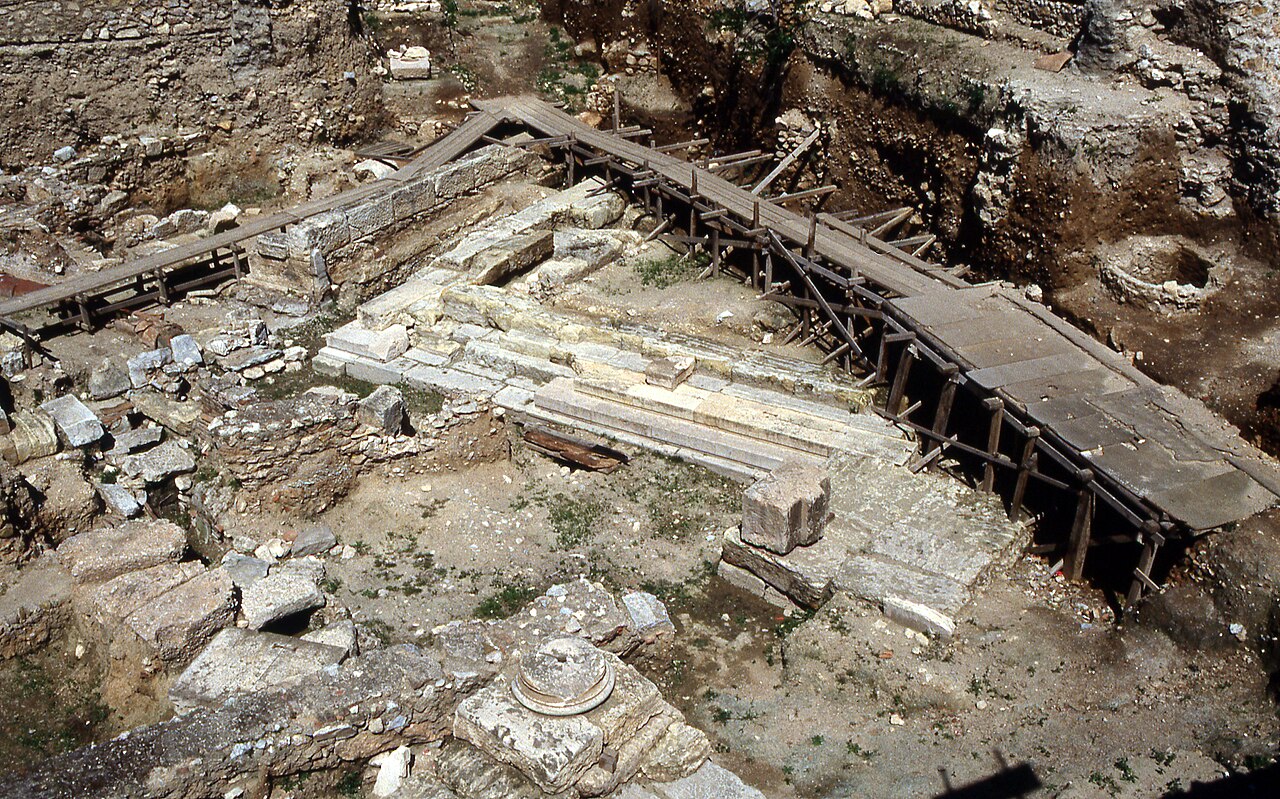
Zeno of Citium taught there from around 300 BC until c. 262 BC, and his school was named Stoicism after the stoa.
Around 460 BC, on the north side of the Ancient Agora of Athens.
Painted tablets by Polygnotus, Micon and perhaps Panaenus, including the Battle of Marathon, and bronze shields captured from the Spartans.
Loading the interactive map…
The interactive map could not be loaded.

Last updated:
Source: OpenStreetMap contributors, Wikidata ·