Reykjavik Maritime Museum
Víkin
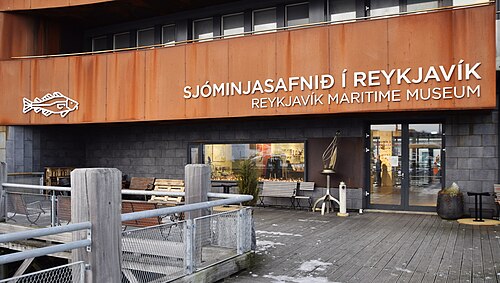
The Reykjavik Maritime Museum, known locally as Sjóminjasafnið í Reykjavík, is a museum dedicated to Iceland's seafaring heritage. It is located in the Grandi harbour district of Reykjavik.
- Must see
- Museum
City guide · Iceland
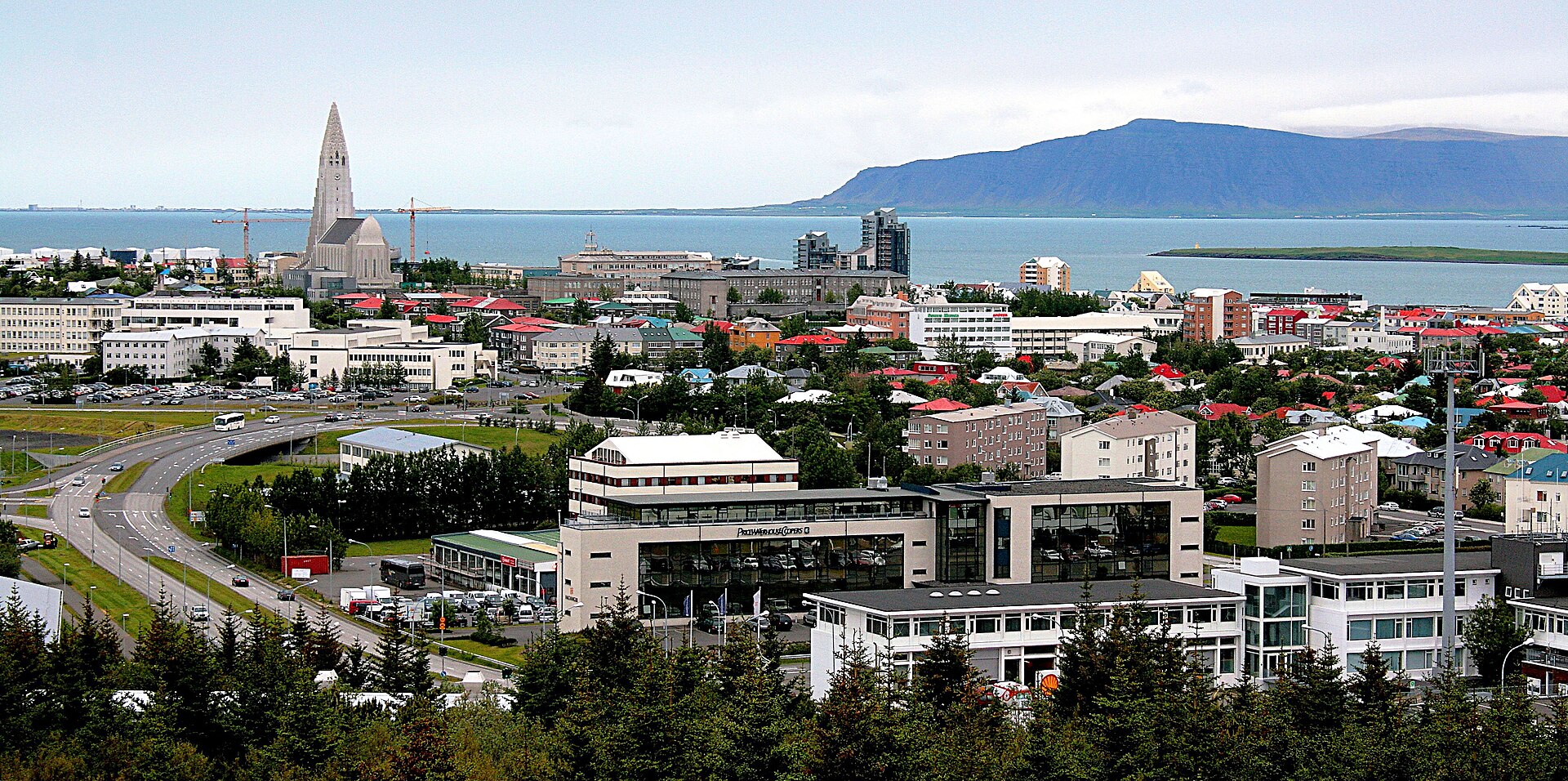
Reykjavík's old centre lies between Tjörnin and the harbour, with Hallgrímskirkja rising uphill to the east. Museums and waterfront architecture extend along th...
Photograph · Hedwig Storch · CC BY-SA 3.0
Set your days, your pace and the hours you actually want to be out. The planner works around closing days and travel time, and leaves room to eat.
Reviewed by Elena Voss · Roavina Travel Editor
Reykjavík's old centre lies between Tjörnin and the harbour, with Hallgrímskirkja rising uphill to the east. Museums and waterfront architecture extend along the shore, while Laugardalur and outer neighbourhoods sit beyond the compact core. The Golden Circle, Reykjanes peninsula and south coast are regional routes outside Reykjavík itself. Weather and daylight can change how much of even a short urban route is practical.
Checked 2026-08-26
September · September cools Reykjavik to a 10.1°C mean high and has 66.5 mm of precipitation on 12.4 days.
Ranked by importance — sitelinks, pageviews and heritage status, not editor preference.
20 places match
Category
Typical visit duration
Interests
Víkin
The Reykjavik Maritime Museum, known locally as Sjóminjasafnið í Reykjavík, is a museum dedicated to Iceland's seafaring heritage. It is located in the Grandi harbour district of Reykjavik.
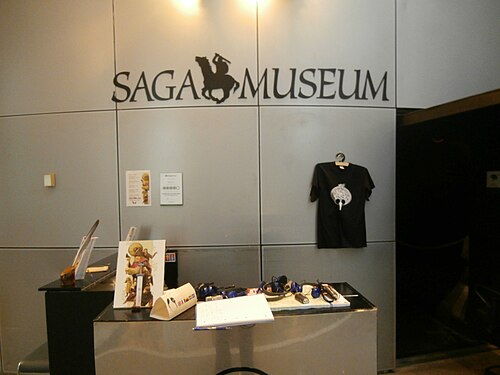
Saga Museum in Reykjavík presents Icelandic history through lifelike historical figures and reconstructed scenes arranged as a narrative visitor route.
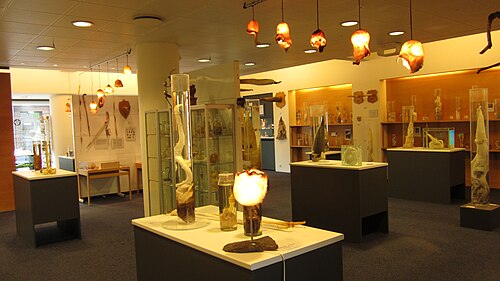
Hið Íslenzka Reðasafn
The Icelandic Phallological Museum is a highly specialised Reykjavík museum devoted to phallological material and its biological, historical, and cultural interpretation.
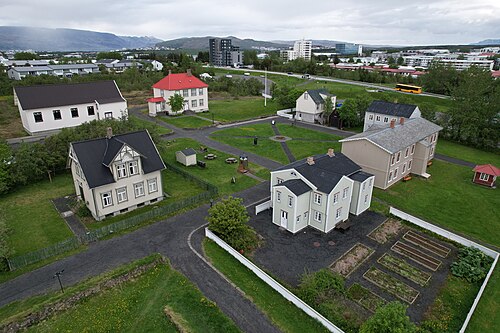
Árbæjarsafn is Reykjavík’s open-air museum in the Árbær district, where historic buildings are arranged across an outdoor setting instead of gathered inside one gallery.
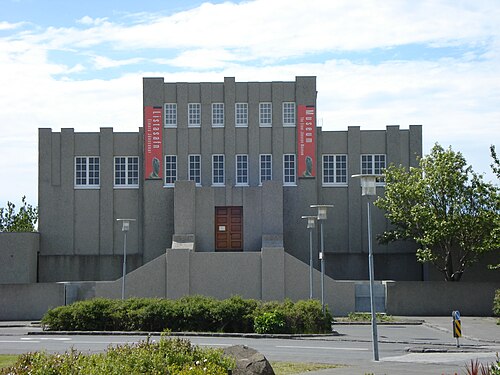
Listasafn Einars Jónssonar
The Einar Jónsson Museum, locally known as Listasafn Einars Jónssonar, is an art museum in Reykjavík dedicated to the works of Iceland's first major sculptor, Einar Jónsson.
Listasafn Íslands
The National Gallery of Iceland, known locally as Listasafn Íslands, is a major art museum in Reykjavik. It serves as the country's principal institution for collecting, preserving, and exhibiting Icelandic art.
Safnahúsið
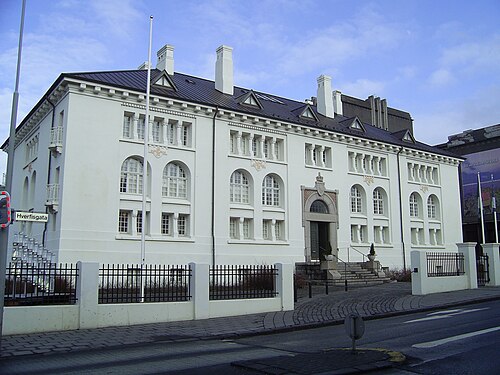
The Culture House, or Safnahúsið, is a museum and cultural venue in central Reykjavík. It belongs naturally in a city day built around museums, historic streets and other central attractions.
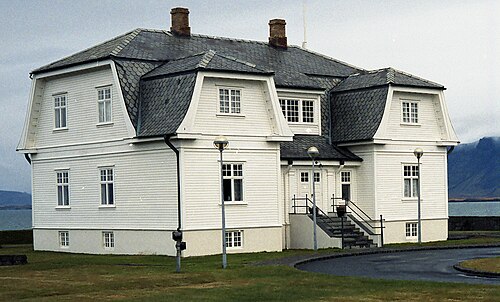
Höfði House is a historic building in Reykjavík, Iceland, best known as the site of the 1986 Reykjavík Summit between US President Ronald Reagan and Soviet General Secretary Mikhail Gorbachev.
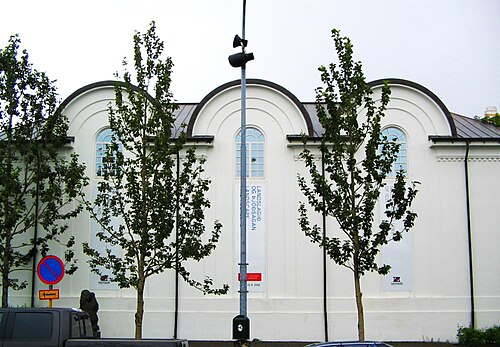
Ljósmyndasafn Reykjavíkur
The Reykjavik Museum of Photography, locally known as Ljósmyndasafn Reykjavíkur, is a photography museum located in Iceland's capital city. It is dedicated to collecting, preserving, and exhibiting photographic works with particular emphasis on Icelandic photography and photographers.
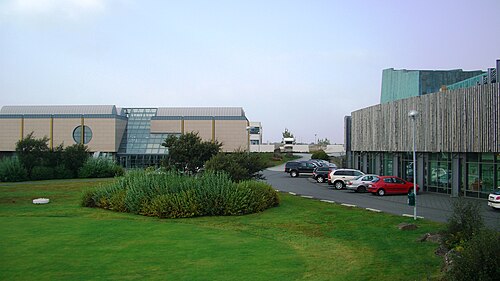
Gerðarsafn is an art museum in Kópavogur, part of the Greater Reykjavík area, dedicated to the work of Gerður Helgadóttir, a pioneering Icelandic sculptor and stained-glass artist.
The Natural History Museum of Kopavogur, known locally as Náttúrufræðistofa Kópavogs, is a municipal natural history museum in Kópavogur, the municipality immediately beside Reykjavík.
Hafnarfjordur Museum, locally known as Byggðasafn Hafnarfjarðar, is a cultural institution serving the Hafnarfjordur area adjacent to Reykjavik. The museum preserves and presents local heritage through its collections and exhibitions.
Listasafn Sigurjóns Ólafssonar
Sigurjon Olafsson Museum presents the work of Icelandic sculptor Sigurjon Olafsson in his former studio and residence. The setting connects the collection with the place where the artist lived and worked, giving the visit an intimate scale.
Gljúfrasteinn is the former home of Halldór Laxness, Iceland’s only Nobel Prize laureate in Literature, who received the award in 1955.
Walk the old centre, Tjörnin and the harbour as one compact circuit, allowing for the climb toward Hallgrímskirkja. Place Laugardalur or an outer museum in a second block reached by bus. Do not count a Golden Circle, Reykjanes or south-coast tour as spare time around Reykjavík: each leaves the urban area and is vulnerable to road and weather conditions.
Checked 2026-08-26
Central Reykjavík is primarily explored on foot, with Strætó buses linking Laugardalur, outer districts and transfer points. The city has no urban rail network, so a missed bus can materially change an outer-neighbourhood plan. Consult Strætó's current timetable and ticket information before boarding. Regional tours and airport journeys are separate services and should not be inferred from the city-bus route map.
Checked 2026-08-26
No official city-wide duration is recorded. Give the old centre, harbour and central museums priority, then add Laugardalur or an outer district. Regional Iceland routes require additional time beyond the Reykjavík visit.
Make one walking circuit around Tjörnin, the old centre and harbour, with Hallgrímskirkja on the uphill side. Use a separate bus-led block for Laugardalur or an outer museum.
Walk through central Reykjavík and use Strætó for districts beyond the core. Check the current bus timetable and ticket instructions directly, since there is no urban train alternative when a connection is missed.
The old centre, harbour and major central landmarks form a manageable walk. Laugardalur and outer neighbourhoods are better reached by bus, especially when wind, rain, snow or limited daylight affects the route.
The Golden Circle, Reykjanes peninsula and south coast are separate regional journeys. Check road conditions, daylight, pickup arrangements and the return plan rather than attaching one to a central sightseeing schedule.