
.JPG)
01
30 min
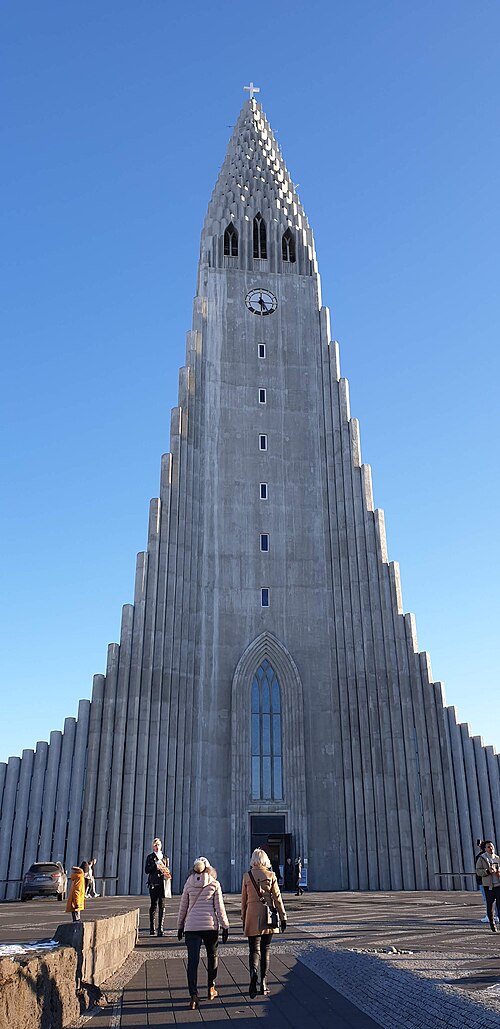
Hallgrímskirkja
Hallgrímskirkja is Reykjavík’s striking working church, rising above the central streets on the city’s uphill side.
- Must see
- Place of worship
- Reykjavik
Language · 11 published
Country guide
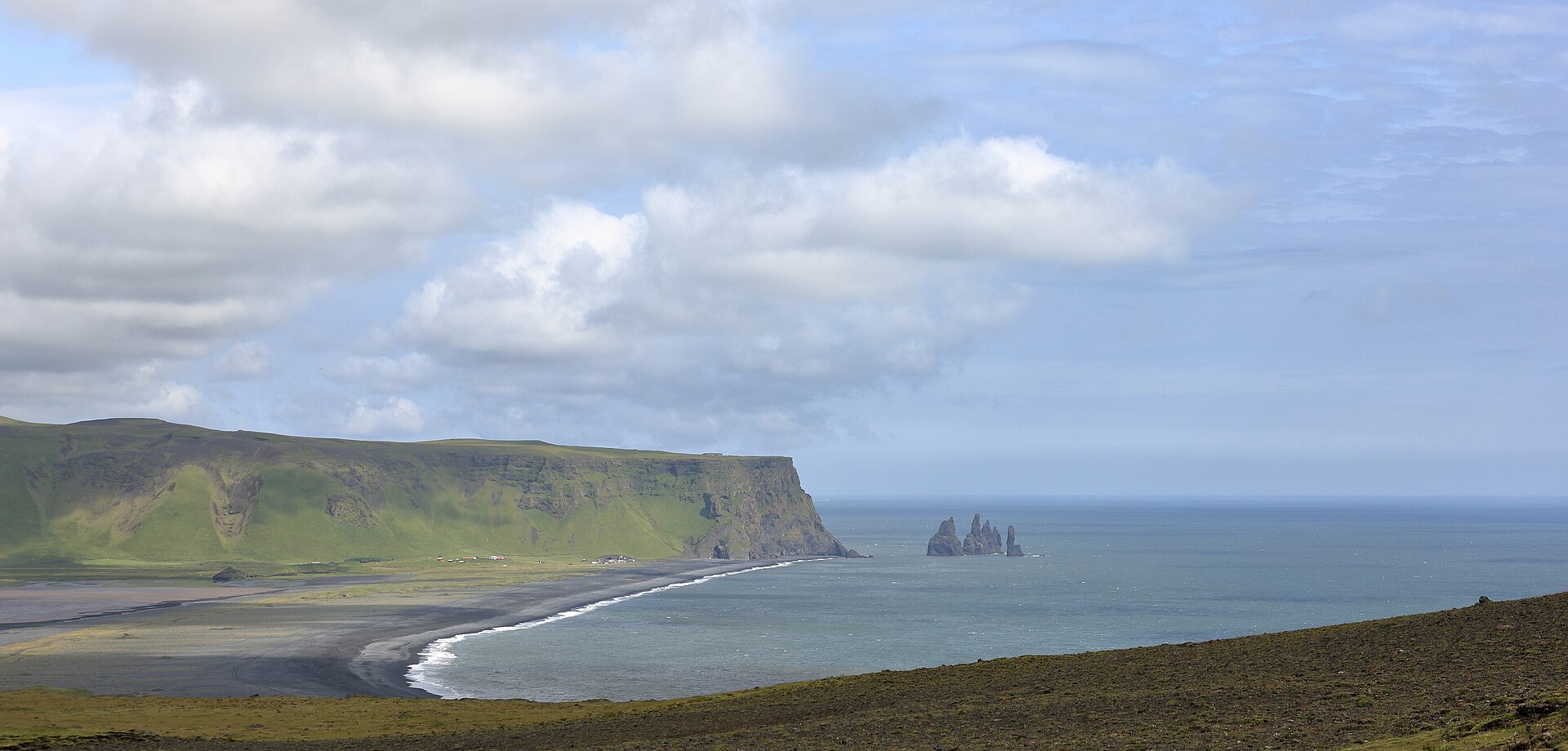
Iceland holds roughly 395,000 residents, about 35% of them in Reykjavik, which makes it the most sparsely populated country in Europe. It lies on the Mid-Atlantic Ridge, on the rift between two tectonic plates, and that fact is the itinerary: geysers, frequent volcanic eruptions, and an interior of volcanic plateau, sand and lava fields, mountains and glaciers that no one crosses casually. Almost everything a visitor reaches sits on the coastal lowlands, threaded by glacial rivers running to the sea. The Gulf Stream keeps the climate temperate at a latitude just south of the Arctic Circle, which in practice means chilly summers rather than mild winters.
Reviewed by Elena Voss · Roavina Travel Editor
Every city catalogued in this country so far, ranked by how much there is to see.
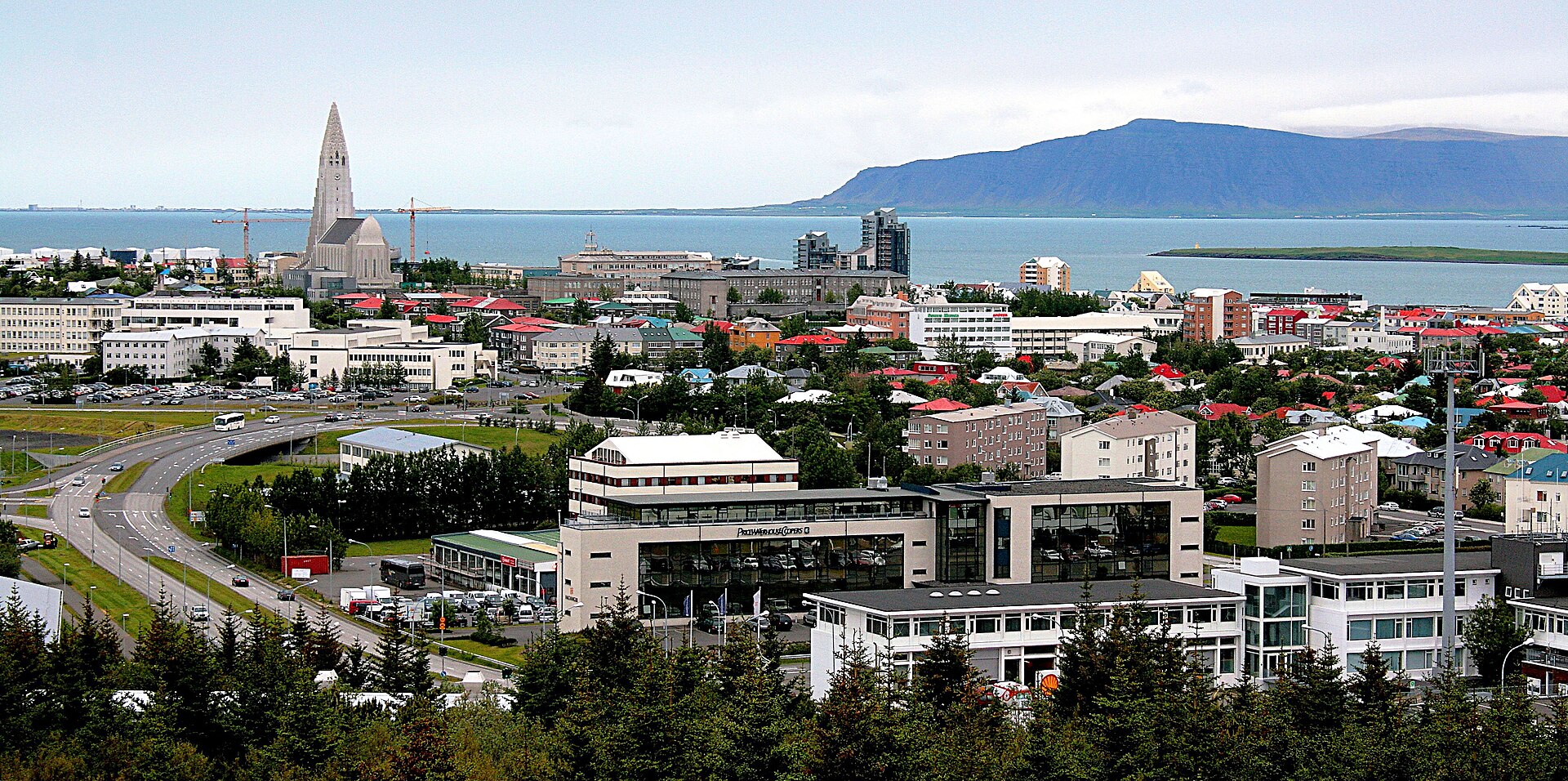
Photograph · Hedwig Storch · CC BY-SA 3.0
Ranked by importance — sitelinks, pageviews and heritage status, not editor preference.
53 places match
Category
Typical visit duration
Interests
Hallgrímskirkja is Reykjavík’s striking working church, rising above the central streets on the city’s uphill side.
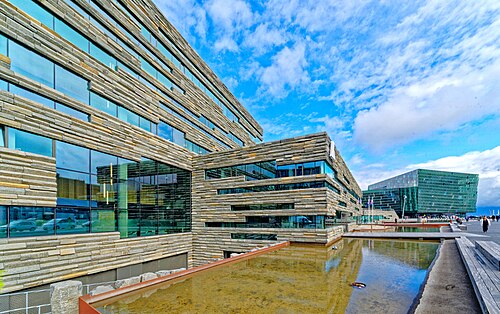
Harpa is Reykjavík’s distinctive concert hall and conference centre on the city’s waterfront, immediately beside the central harbour.

Sólfar
Sólfar, widely known in English as Sun Voyager, is a steel sculpture on Reykjavík’s waterfront, east of the Old Harbour.
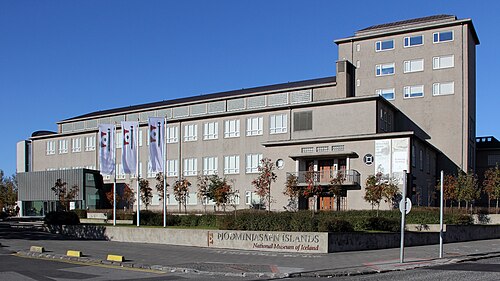
Þjóðminjasafn Íslands
The National Museum of Iceland, known in Icelandic as Þjóðminjasafn Íslands, is a museum west of Reykjavík’s compact old centre. Its main purpose is to interpret Icelandic history through museum galleries and cultural presentation.

Perlan is a museum and exhibition destination on Öskjuhlíð hill in Reykjavík. Its glass dome rises above former hot-water storage tanks, giving the building a distinctive profile.
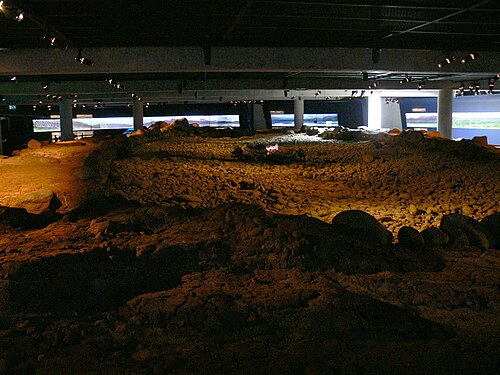
Reykjavík 871±2
The Settlement Exhibition, Landnámssýningin, is an archaeological museum in central Reykjavík. Its main attraction is the preserved remains of a Viking Age longhouse discovered during excavation at the site.
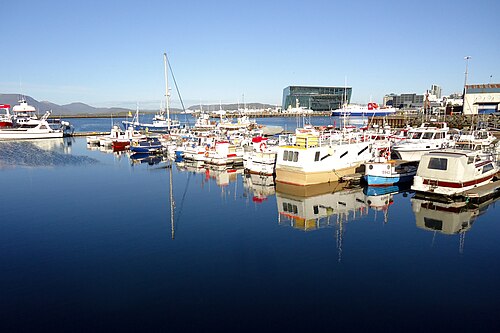
Gamla höfnin
Reykjavik Old Harbour, known locally as Gamla höfnin, is a working harbour and visitor district on the northern edge of central Reykjavik.

Listasafn Reykjavíkur
Reykjavik Art Museum Hafnarhus is one of three sites comprising Listasafn Reykjavíkur, the Reykjavik Art Museum. Located at Tryggvagata 17, this harbour house occupies a former warehouse and offices building dating from the 1930s.
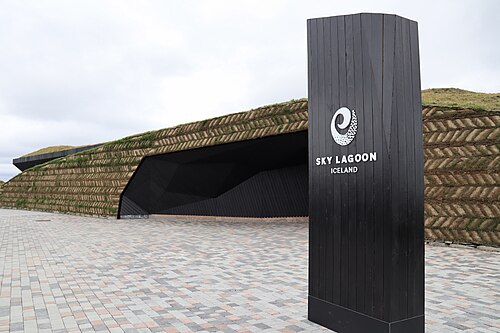
Sky Lagoon is a coastal geothermal bathing destination south-west of central Reykjavík, built around warm water, open air, and Iceland’s changing weather.
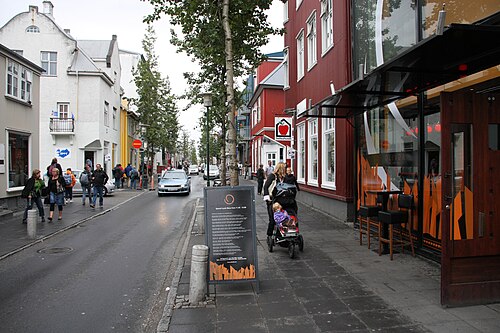
Laugavegur is Reykjavik's principal shopping street and one of Iceland's best-known urban thoroughfares. Running through the heart of the capital's downtown district, it functions as the city's commercial and social spine.
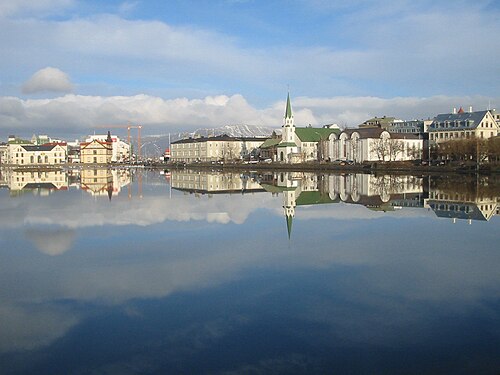
Tjörnin
Tjörnin is a prominent pond in central Reykjavík, the capital of Iceland. The local name Tjörnin translates to the pond or the lake in Icelandic.
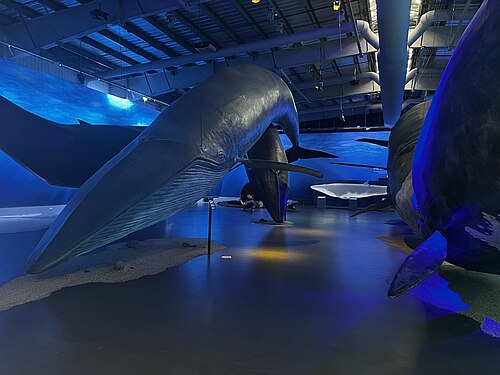
Hvalasýningin
Whales of Iceland is Reykjavík’s dedicated indoor whale exhibition in the harbour-side visitor area. Its signature experience is an encounter with life-sized whale models, giving visitors a clear sense of the animals’ immense scale at close range.

FlyOver Iceland is a ticketed immersive flight-ride attraction located in Reykjavik. The experience uses motion seating and sweeping aerial visuals to simulate flying over Icelandic landscapes.
Aurora Reykjavík is an educational museum and exhibition centre in Iceland's capital dedicated to the science and cultural significance of the northern lights.
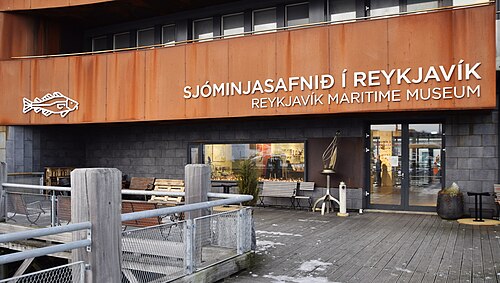
Víkin
The Reykjavik Maritime Museum, known locally as Sjóminjasafnið í Reykjavík, is a museum dedicated to Iceland's seafaring heritage. It is located in the Grandi harbour district of Reykjavik.
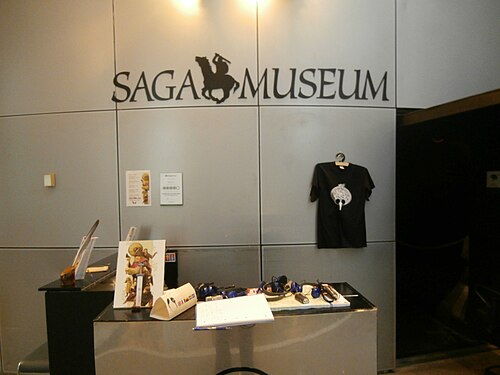
Saga Museum in Reykjavík presents Icelandic history through lifelike historical figures and reconstructed scenes arranged as a narrative visitor route.
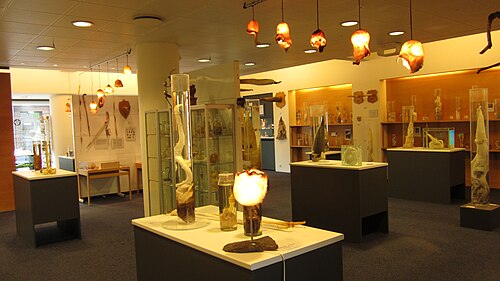
Hið Íslenzka Reðasafn
The Icelandic Phallological Museum is a highly specialised Reykjavík museum devoted to phallological material and its biological, historical, and cultural interpretation.
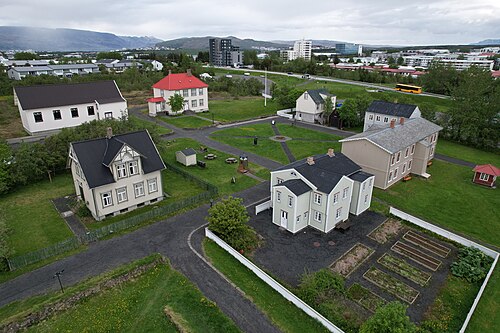
Árbæjarsafn is Reykjavík’s open-air museum in the Árbær district, where historic buildings are arranged across an outdoor setting instead of gathered inside one gallery.
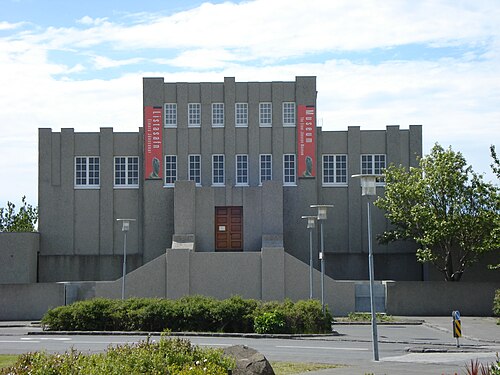
Listasafn Einars Jónssonar
The Einar Jónsson Museum, locally known as Listasafn Einars Jónssonar, is an art museum in Reykjavík dedicated to the works of Iceland's first major sculptor, Einar Jónsson.
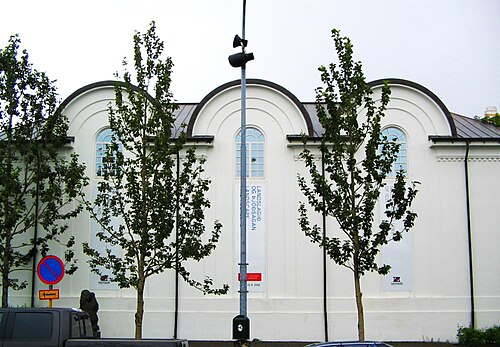
Listasafn Íslands
The National Gallery of Iceland, known locally as Listasafn Íslands, is a major art museum in Reykjavik. It serves as the country's principal institution for collecting, preserving, and exhibiting Icelandic art.
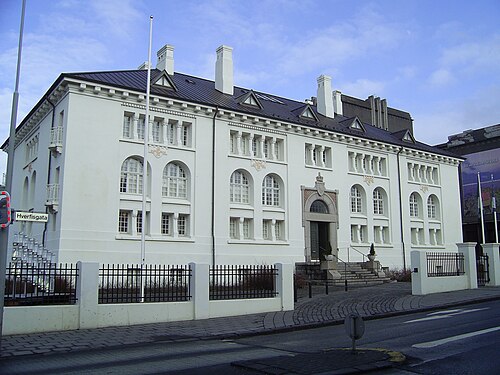
Safnahúsið
The Culture House, or Safnahúsið, is a museum and cultural venue in central Reykjavík. It belongs naturally in a city day built around museums, historic streets and other central attractions.
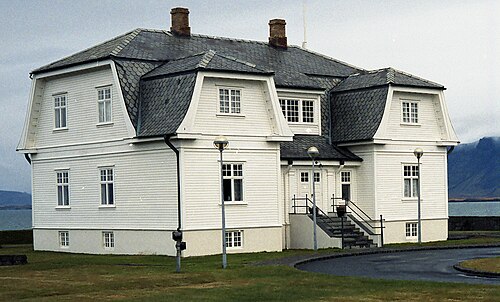
Höfði House is a historic building in Reykjavík, Iceland, best known as the site of the 1986 Reykjavík Summit between US President Ronald Reagan and Soviet General Secretary Mikhail Gorbachev.
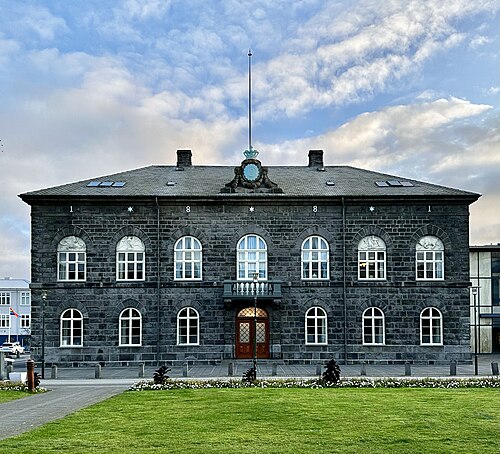
Alþingishúsið
Alþingishúsið is the seat of Iceland's national parliament, the Althing, which traces origins to 930 CE at Þingvellir. The current building dates to 1881 and stands on Austurvöllur square in central Reykjavík.
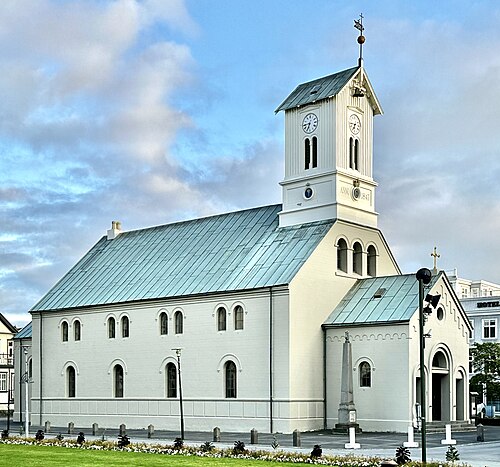
Dómkirkjan
Reykjavík Cathedral, or Dómkirkjan í Reykjavík, is the cathedral church of Iceland’s Evangelical Lutheran Church. It stands beside Austurvöllur in the compact historic centre, where its modest scale feels closely tied to the city.
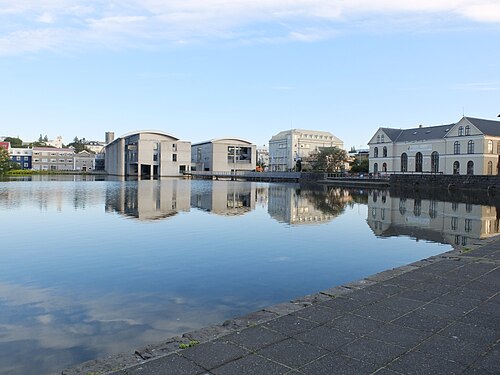
Reykjavik City Hall, known locally as Ráðhús Reykjavíkur, is a public municipal building situated on the northern shore of Tjörnin pond in central Reykjavik.
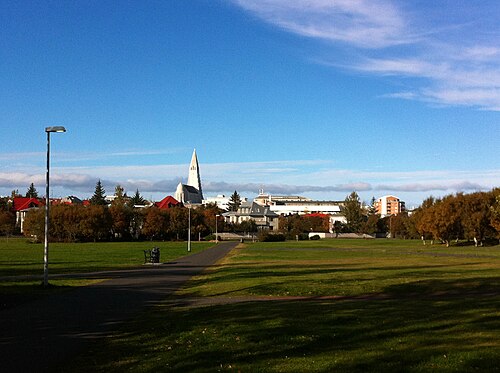
Klambratún is a public green space in central Reykjavík, used for everyday recreation, walking and time outdoors.
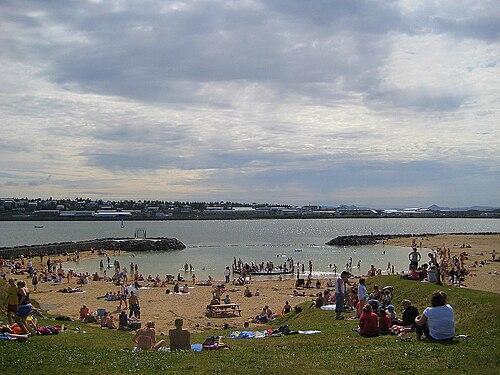
Ylströndin í Nauthólsvík
Nauthólsvík Geothermal Beach is a purpose-built bathing beach on Reykjavík’s coast. Its lagoon uses geothermal heating to make seawater suitable for beach-style recreation despite Iceland’s cool climate, creating a distinctive combination of open coast and warm water.
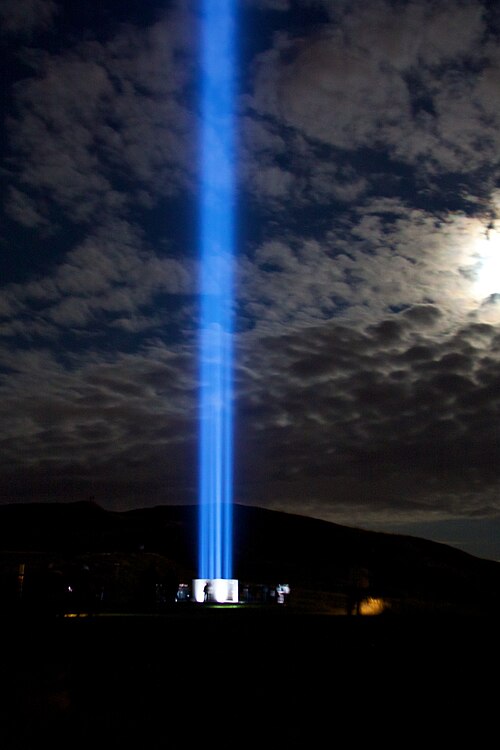
Friðarsúlan
The Imagine Peace Tower is an outdoor memorial light installation on Viðey Island, reached from Reykjavík across the water. Yoko Ono conceived it as a tribute to John Lennon and a gesture for world peace.

Fjölskyldu- og húsdýragarðurinn
Reykjavik Family Park and Zoo, known locally as Fjölskyldu- og húsdýragarðurinn, is a family-oriented attraction in Iceland's capital. The facility combines recreational parkland with animal exhibits featuring domestic and farm animals typical to Icelandic rural life.
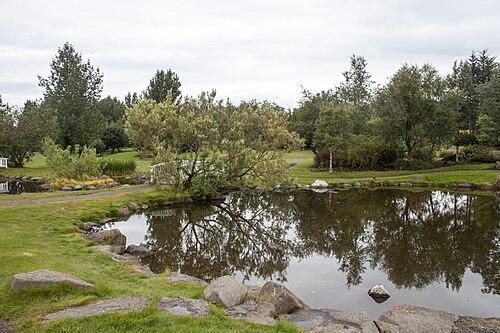
Grasagarður Reykjavíkur
Grasagarður Reykjavíkur, the Reykjavik Botanical Garden, is a municipal botanical garden in the Laugardalur valley of Iceland’s capital. It is both a calm green space and a living collection designed for education, research, and recreation.
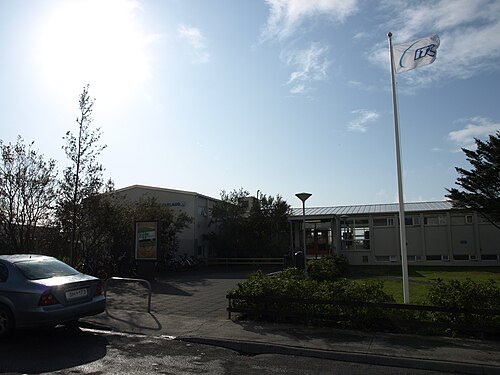
Vesturbæjarlaug
Vesturbæjarlaug is a public geothermal swimming pool in Reykjavík’s Vesturbær district. It offers a direct way to experience Iceland’s neighbourhood bathing culture, where outdoor swimming and warm communal pools are part of everyday life.

Öskjuhlíð is a wooded hill rising in central Reykjavík, Iceland's capital. The hill stands as one of the city's most distinctive landmarks, crowned by Perlan, a landmark glass-domed building constructed on top of hot water storage tanks.
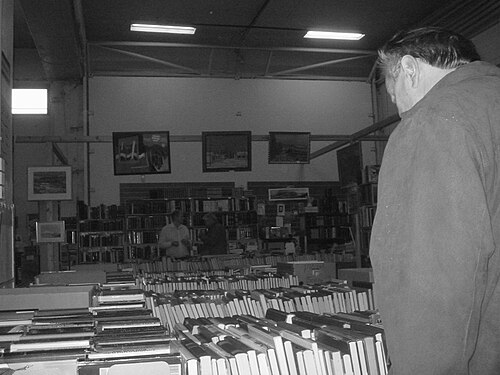
Kolaportið is Reykjavík’s indoor flea market in the old harbour area, close to the city centre. The market occupies a converted industrial building, making it a useful stop when rain, wind, or cold weather makes outdoor sightseeing less comfortable.
Marshallhúsið
Marshall House, known locally as Marshallhúsið, is a cultural venue in Reykjavik's Grandi harbour district. The building has been repurposed to serve as a contemporary arts and creative space.
The Living Art Museum, or Nýlistasafnið, is a Reykjavík contemporary art museum dedicated to experimental and innovative artistic practices. It provides a setting for artists working across media and for visitors interested in ideas that sit beyond conventional museum categories.
Ljósmyndasafn Reykjavíkur
The Reykjavik Museum of Photography, locally known as Ljósmyndasafn Reykjavíkur, is a photography museum located in Iceland's capital city. It is dedicated to collecting, preserving, and exhibiting photographic works with particular emphasis on Icelandic photography and photographers.

Landakotskirkja is the cathedral of the Catholic Diocese of Reykjavík and an active Catholic church in the western part of the city center. Completed in 1929, it was designed by Icelandic state architect Guðjón Samúelsson.
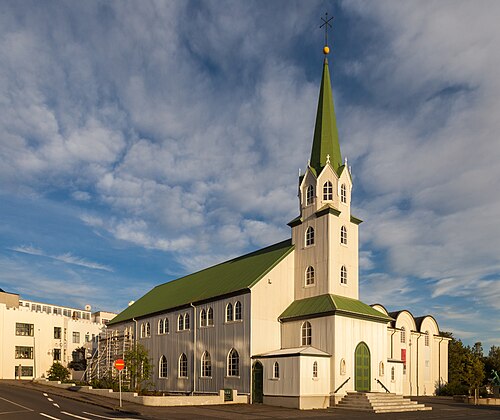
Fríkirkjan í Reykjavík is a Free Lutheran church beside Tjörnin, the pond at the heart of Reykjavík. Its green exterior and tall spire make it one of the city centre’s most recognisable waterside landmarks.
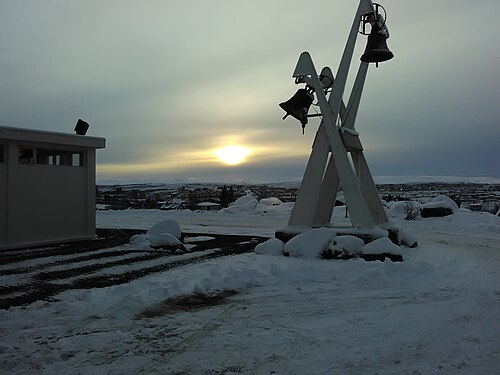
Kópavogskirkja is a modern parish church in Kópavogur, a separate municipality within the Greater Reykjavík capital area. Its curved concrete architecture gives it a distinctive silhouette and sets it apart from traditional church forms found elsewhere in Iceland.
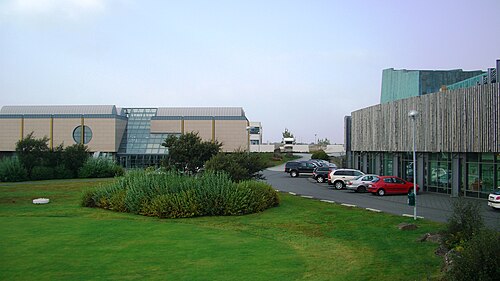
Gerðarsafn is an art museum in Kópavogur, part of the Greater Reykjavík area, dedicated to the work of Gerður Helgadóttir, a pioneering Icelandic sculptor and stained-glass artist.
The Natural History Museum of Kopavogur, known locally as Náttúrufræðistofa Kópavogs, is a municipal natural history museum in Kópavogur, the municipality immediately beside Reykjavík.
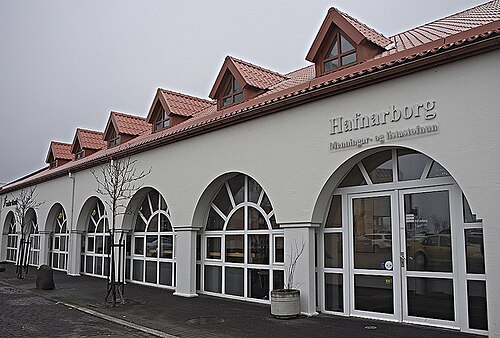
Hafnarborg Centre of Culture and Fine Art is a cultural institution in Hafnarfjörður, part of the Greater Reykjavík capital area. The centre serves as a venue for visual arts exhibitions and cultural programming.
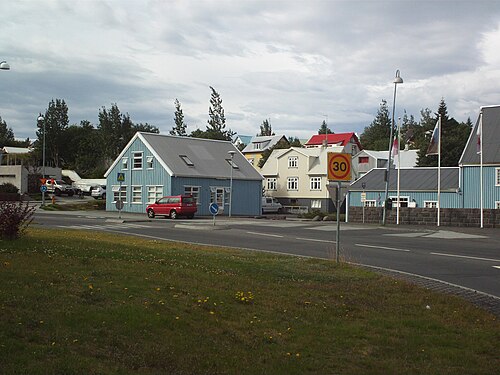
Hafnarfjordur Museum, locally known as Byggðasafn Hafnarfjarðar, is a cultural institution serving the Hafnarfjordur area adjacent to Reykjavik. The museum preserves and presents local heritage through its collections and exhibitions.
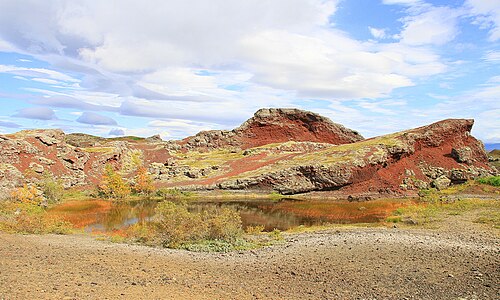
Rauðhólar is a cluster of distinctive red pseudocraters located on the southeastern outskirts of Reykjavík, Iceland.
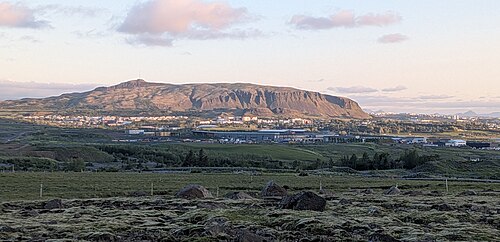
Úlfarsfell is a mountain located on the eastern edge of Reykjavík, offering accessible hiking terrain with views across the capital area. The peak rises prominently above the suburban districts of Grafarvogur and Úlfarsárdalur.
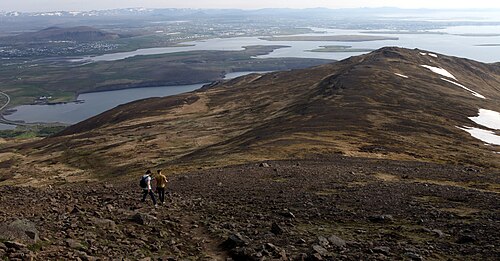
Esja is a mountain range situated north-east of Reykjavik, visible from much of the capital area on clear days.
Eiði Coastal Path is an open shoreline walking area in the Reykjavík region. The route brings visitors close to North Atlantic water, broad skies, and the rugged coastal character associated with Iceland.
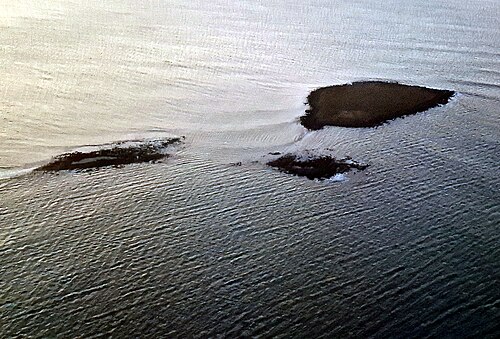
Akurey is a small island located in Kollafjörður fjord near Reykjavik, Iceland. Known locally as Akurey, this uninhabited island serves as an important seabird habitat, particularly for puffins during breeding season.
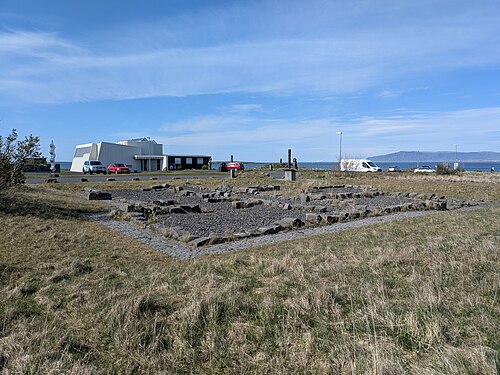
Listasafn Sigurjóns Ólafssonar
Sigurjon Olafsson Museum presents the work of Icelandic sculptor Sigurjon Olafsson in his former studio and residence. The setting connects the collection with the place where the artist lived and worked, giving the visit an intimate scale.
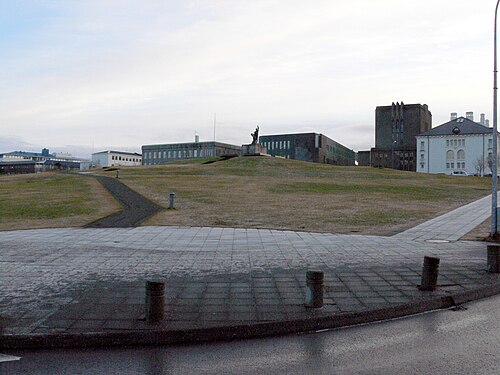
Arnarhóll is a municipal outdoor recreation area above Kvosin and Lækjargata in central Reykjavík. Reykjavík City describes the hill as an old farm site that is now an open area with walking paths and benches.
Gljúfrasteinn is the former home of Halldór Laxness, Iceland’s only Nobel Prize laureate in Literature, who received the award in 1955.
Víðistaðatún is an outdoor sculpture park and public green space in the Reykjavik area. Its appeal comes from encountering art in an open landscape rather than inside a museum.
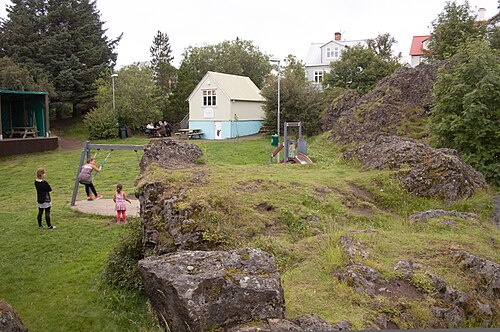
Hellisgerði is a public park situated in the Hafnarfjörður area near Reykjavík, Iceland. The park is known for its association with local folklore, particularly beliefs surrounding elves and hidden folk in Icelandic tradition.
Source: OpenStreetMap contributors, Wikidata ·
Seven to ten days supports Reykjavík, the Golden Circle and south coast; the full Ring Road deserves at least a week of driving and preferably longer. The Westfjords or highlands should be separate additions because weather and road class can transform journey times.
Iceland is in Schengen, but visa need still depends on nationality and travel circumstances. Use Iceland’s official government guidance to identify where to apply and which documents are required; verify the rule before routing through another Schengen state.
Keflavík Airport is outside Reykjavík and is connected by coach. Scheduled buses reach selected towns, but many natural sites require a tour or rental car; check road.is and weather information before departure, and use an appropriate vehicle only where F-road access permits.
Summer offers long daylight and broader road access, while winter provides dark skies but shorter days and more disruption risk. Shoulder-season plans need the same daily road checks: a forecast for Reykjavík cannot establish conditions on a pass or exposed coast.
Icelandic króna is the currency, and card payment is common even for small purchases. Keep an alternative payment method for unattended or remote services, verify fuel-station card requirements and read the ISK total before accepting conversion.
The emergency number is 112 and sockets are Type C and F at 230 V. Mains tap water is recorded as safe; at remote facilities follow posted notices, and download road and weather information before entering areas with weak mobile coverage.