01
30 min
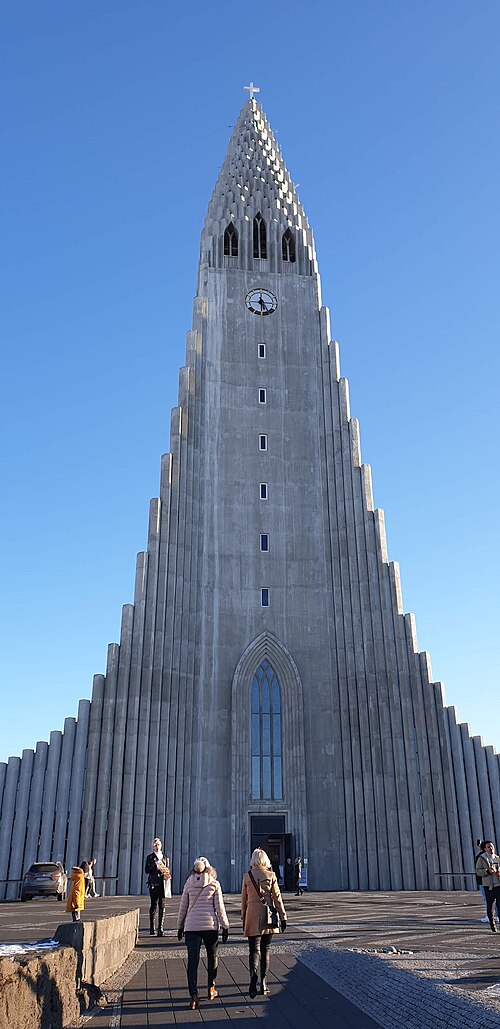
Hallgrímskirkja
Hallgrímskirkja is Reykjavík’s striking working church, rising above the central streets on the city’s uphill side.
- Must see
- Place of worship
City guide · Iceland
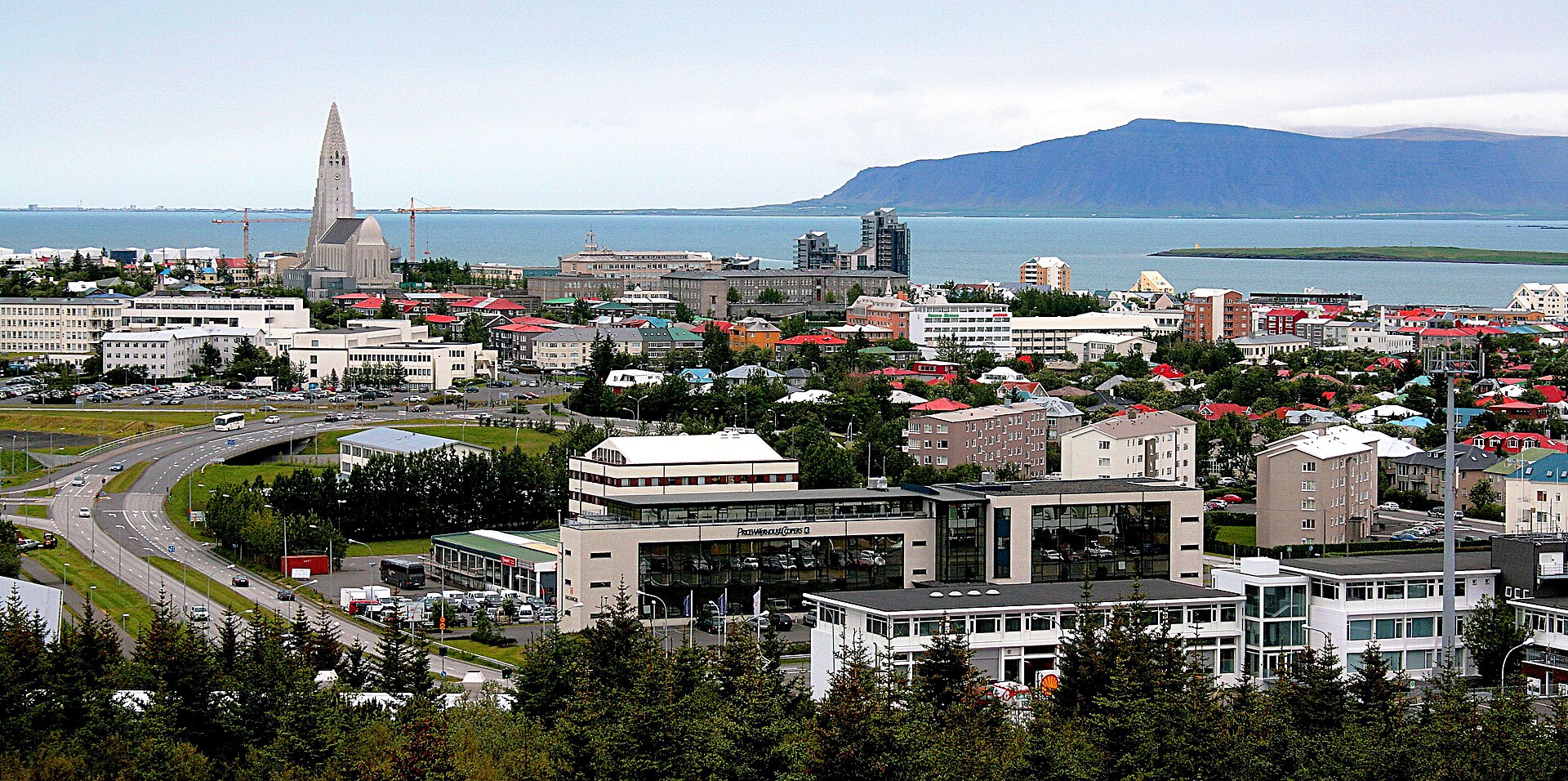
Reykjavík's old centre lies between Tjörnin and the harbour, with Hallgrímskirkja rising uphill to the east. Museums and waterfront architecture extend along th...
Photograph · Hedwig Storch · CC BY-SA 3.0
Set your days, your pace and the hours you actually want to be out. The planner works around closing days and travel time, and leaves room to eat.
Editorial responsibility: Elena Voss · Roavina Travel Editor
Reykjavík's old centre lies between Tjörnin and the harbour, with Hallgrímskirkja rising uphill to the east. Museums and waterfront architecture extend along the shore, while Laugardalur and outer neighbourhoods sit beyond the compact core. The Golden Circle, Reykjanes peninsula and south coast are regional routes outside Reykjavík itself. Weather and daylight can change how much of even a short urban route is practical.
Checked 2026-08-26
November · November falls to a 3.4°C mean high and -1.3°C mean low in Reykjavik, with 72.5 mm of precipitation.
Ranked by importance — sitelinks, pageviews and heritage status, not editor preference.
59 places match
Category
Typical visit duration
Good for
Interests
Hallgrímskirkja is Reykjavík’s striking working church, rising above the central streets on the city’s uphill side.
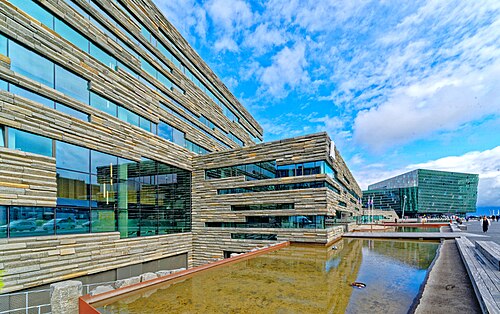
Harpa is Reykjavík’s distinctive concert hall and conference centre on the city’s waterfront, immediately beside the central harbour.

Sólfar
Sólfar, widely known in English as Sun Voyager, is a steel sculpture on Reykjavík’s waterfront, east of the Old Harbour.

Perlan is a museum and exhibition destination on Öskjuhlíð hill in Reykjavík. Its glass dome rises above former hot-water storage tanks, giving the building a distinctive profile.
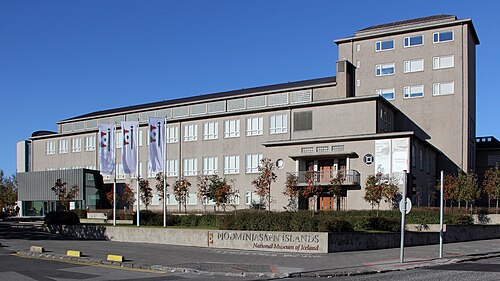
Þjóðminjasafn Íslands
The National Museum of Iceland, known in Icelandic as Þjóðminjasafn Íslands, is a museum west of Reykjavík’s compact old centre. Its main purpose is to interpret Icelandic history through museum galleries and cultural presentation.
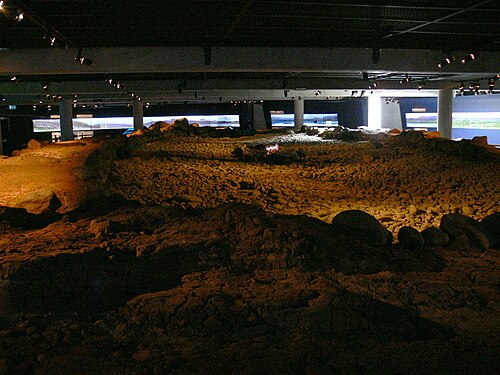
Reykjavík 871±2
The Settlement Exhibition, Landnámssýningin, is an archaeological museum in central Reykjavík. Its main attraction is the preserved remains of a Viking Age longhouse discovered during excavation at the site.
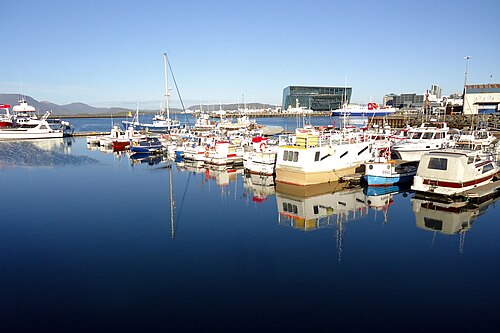
Gamla höfnin
Reykjavik Old Harbour, known locally as Gamla höfnin, is a working harbour and visitor district on the northern edge of central Reykjavik.
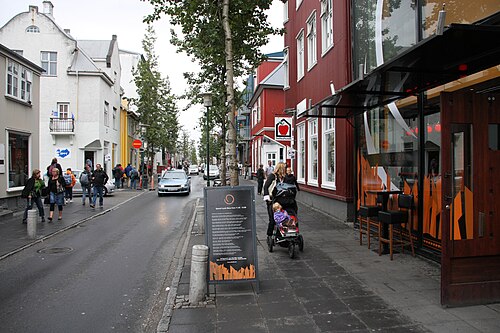
Laugavegur is Reykjavik's principal shopping street and one of Iceland's best-known urban thoroughfares. Running through the heart of the capital's downtown district, it functions as the city's commercial and social spine.

Listasafn Reykjavíkur
Reykjavik Art Museum Hafnarhus is one of three sites comprising Listasafn Reykjavíkur, the Reykjavik Art Museum. Located at Tryggvagata 17, this harbour house occupies a former warehouse and offices building dating from the 1930s.
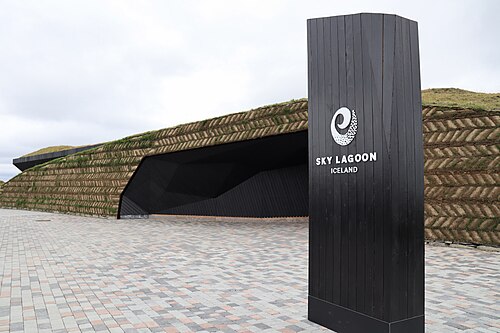
Sky Lagoon is a coastal geothermal bathing destination south-west of central Reykjavík, built around warm water, open air, and Iceland’s changing weather.
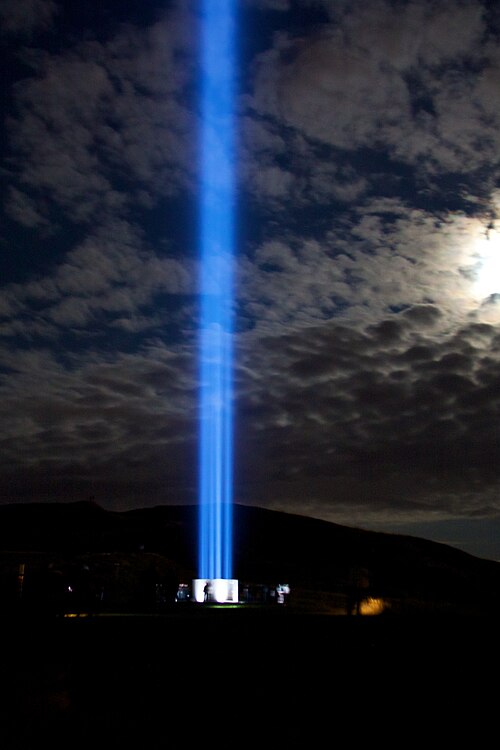
Friðarsúlan
The Imagine Peace Tower is an outdoor memorial light installation on Viðey Island, reached from Reykjavík across the water. Yoko Ono conceived it as a tribute to John Lennon and a gesture for world peace.
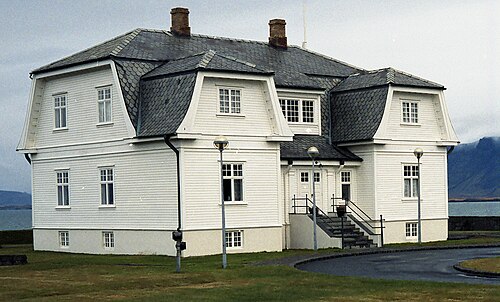
Höfði House is a historic building in Reykjavík, Iceland, best known as the site of the 1986 Reykjavík Summit between US President Ronald Reagan and Soviet General Secretary Mikhail Gorbachev.
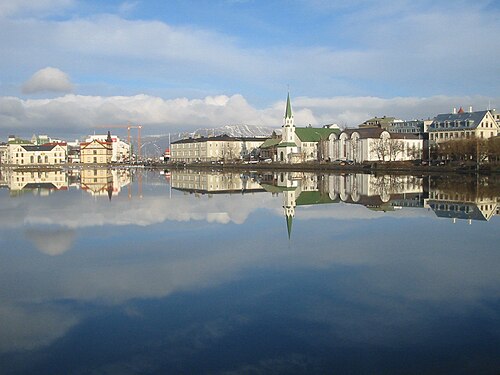
Tjörnin
Tjörnin is a prominent pond in central Reykjavík, the capital of Iceland. The local name Tjörnin translates to the pond or the lake in Icelandic.
Austurvöllur is a public square in central Reykjavík and a popular gathering place for the city's residents, especially in good weather, thanks to the many cafés on Vallarstræti and Pósthússtræti.
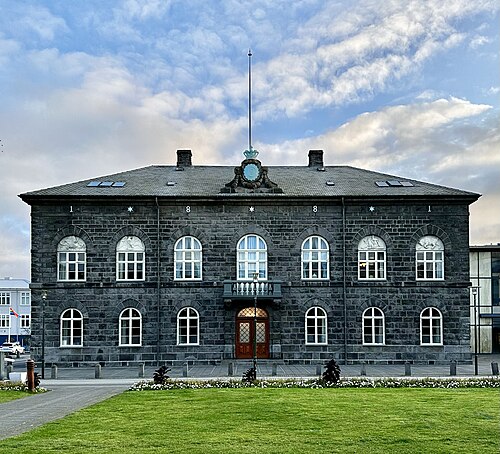
Alþingishúsið
Alþingishúsið is the seat of Iceland's national parliament, the Althing, which traces origins to 930 CE at Þingvellir. The current building dates to 1881 and stands on Austurvöllur square in central Reykjavík.
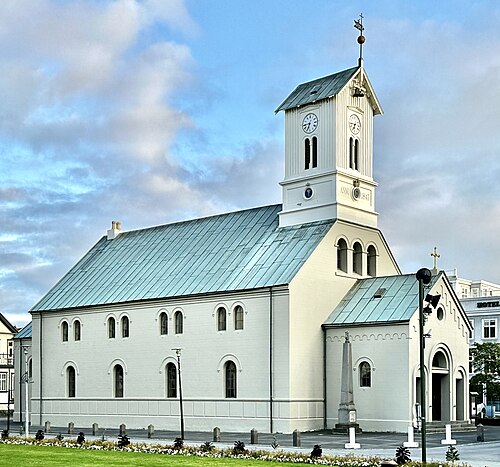
Dómkirkjan
Reykjavík Cathedral, or Dómkirkjan í Reykjavík, is the cathedral church of Iceland’s Evangelical Lutheran Church. It stands beside Austurvöllur in the compact historic centre, where its modest scale feels closely tied to the city.
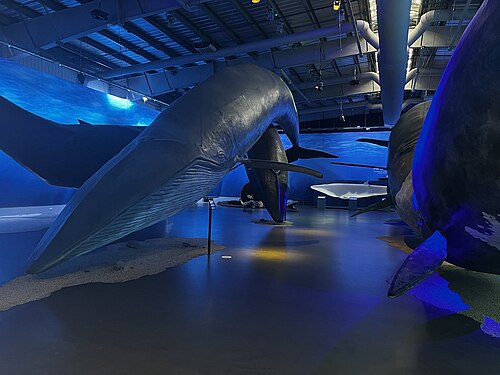
Hvalasýningin
Whales of Iceland is Reykjavík’s dedicated indoor whale exhibition in the harbour-side visitor area. Its signature experience is an encounter with life-sized whale models, giving visitors a clear sense of the animals’ immense scale at close range.
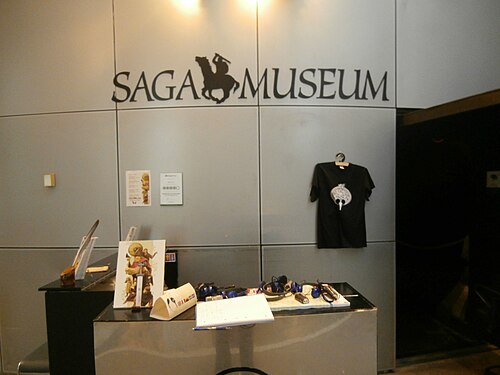
Saga Museum in Reykjavík presents Icelandic history through lifelike historical figures and reconstructed scenes arranged as a narrative visitor route.
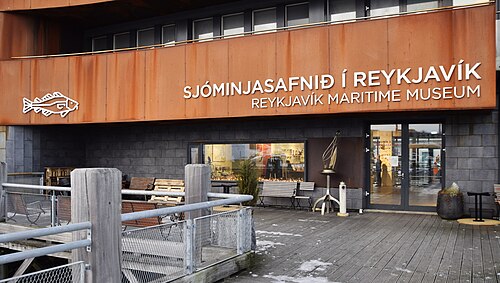
Víkin
The Reykjavik Maritime Museum, known locally as Sjóminjasafnið í Reykjavík, is a museum dedicated to Iceland's seafaring heritage. It is located in the Grandi harbour district of Reykjavik.
Aurora Reykjavík is an educational museum and exhibition centre in Iceland's capital dedicated to the science and cultural significance of the northern lights.

FlyOver Iceland is a ticketed immersive flight-ride attraction located in Reykjavik. The experience uses motion seating and sweeping aerial visuals to simulate flying over Icelandic landscapes.
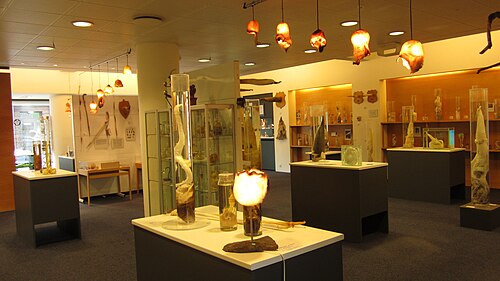
Hið Íslenzka Reðasafn
The Icelandic Phallological Museum is a highly specialised Reykjavík museum devoted to phallological material and its biological, historical, and cultural interpretation.
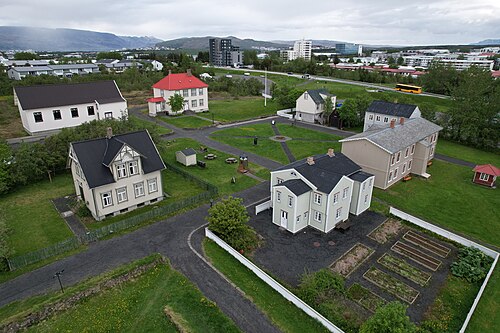
Árbæjarsafn is Reykjavík’s open-air museum in the Árbær district, where historic buildings are arranged across an outdoor setting instead of gathered inside one gallery.
Walk the old centre, Tjörnin and the harbour as one compact circuit, allowing for the climb toward Hallgrímskirkja. Place Laugardalur or an outer museum in a second block reached by bus. Do not count a Golden Circle, Reykjanes or south-coast tour as spare time around Reykjavík: each leaves the urban area and is vulnerable to road and weather conditions.
Checked 2026-08-26
Central Reykjavík is primarily explored on foot, with Strætó buses linking Laugardalur, outer districts and transfer points. The city has no urban rail network, so a missed bus can materially change an outer-neighbourhood plan. Consult Strætó's current timetable and ticket information before boarding. Regional tours and airport journeys are separate services and should not be inferred from the city-bus route map.
Checked 2026-08-26
Suggested stay for a first visit: 2–3 days. Give the old centre, harbour and central museums priority, then add Laugardalur or an outer district. Regional Iceland routes require additional time beyond the Reykjavík visit.
Make one walking circuit around Tjörnin, the old centre and harbour, with Hallgrímskirkja on the uphill side. Use a separate bus-led block for Laugardalur or an outer museum.
Walk through central Reykjavík and use Strætó for districts beyond the core. Check the current bus timetable and ticket instructions directly, since there is no urban train alternative when a connection is missed.
The old centre, harbour and major central landmarks form a manageable walk. Laugardalur and outer neighbourhoods are better reached by bus, especially when wind, rain, snow or limited daylight affects the route.
The Golden Circle, Reykjanes peninsula and south coast are separate regional journeys. Check road conditions, daylight, pickup arrangements and the return plan rather than attaching one to a central sightseeing schedule.


