
.JPG)
01
30 min
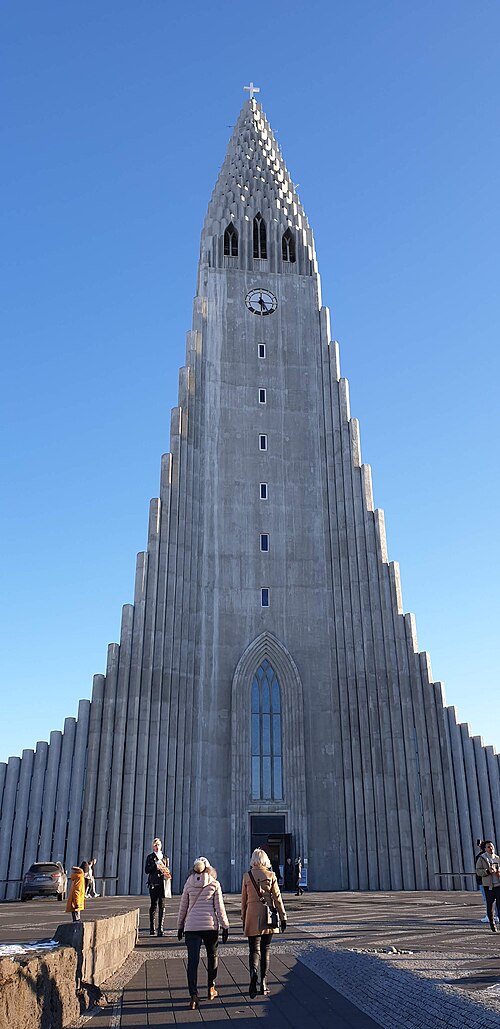
Hallgrímskirkja
Hallgrímskirkja is Reykjavík’s striking working church, rising above the central streets on the city’s uphill side.
- Must see
- Place of worship
- Reykjavik
Language · 11 published
Country guide
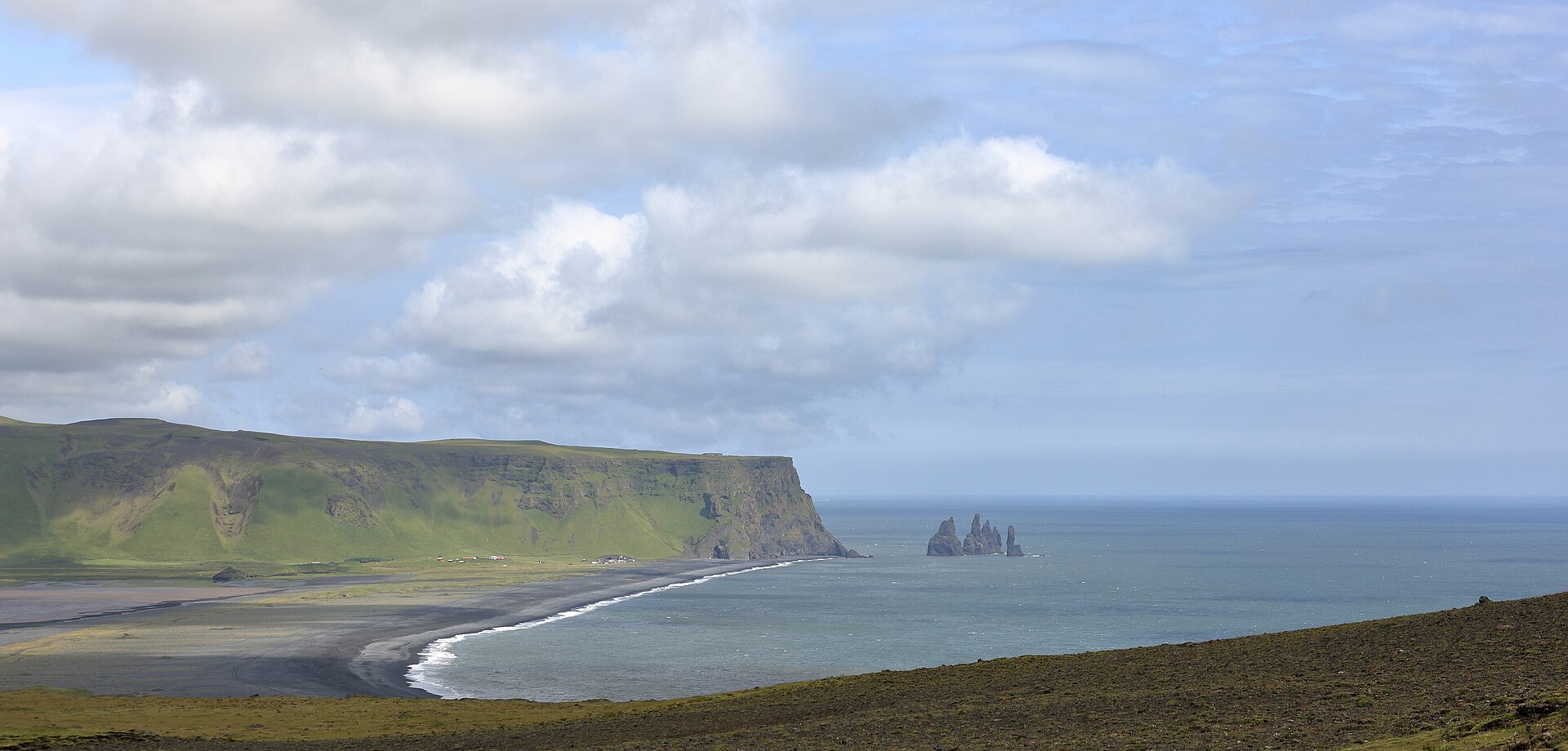
Iceland holds roughly 395,000 residents, about 35% of them in Reykjavik, which makes it the most sparsely populated country in Europe. It lies on the Mid-Atlantic Ridge, on the rift between two tectonic plates, and that fact is the itinerary: geysers, frequent volcanic eruptions, and an interior of volcanic plateau, sand and lava fields, mountains and glaciers that no one crosses casually. Almost everything a visitor reaches sits on the coastal lowlands, threaded by glacial rivers running to the sea. The Gulf Stream keeps the climate temperate at a latitude just south of the Arctic Circle, which in practice means chilly summers rather than mild winters.
Reviewed by Elena Voss · Roavina Travel Editor
Every city catalogued in this country so far, ranked by how much there is to see.
Photograph · Hedwig Storch · CC BY-SA 3.0
Ranked by importance — sitelinks, pageviews and heritage status, not editor preference.
5 places match
Category
Typical visit duration
Interests
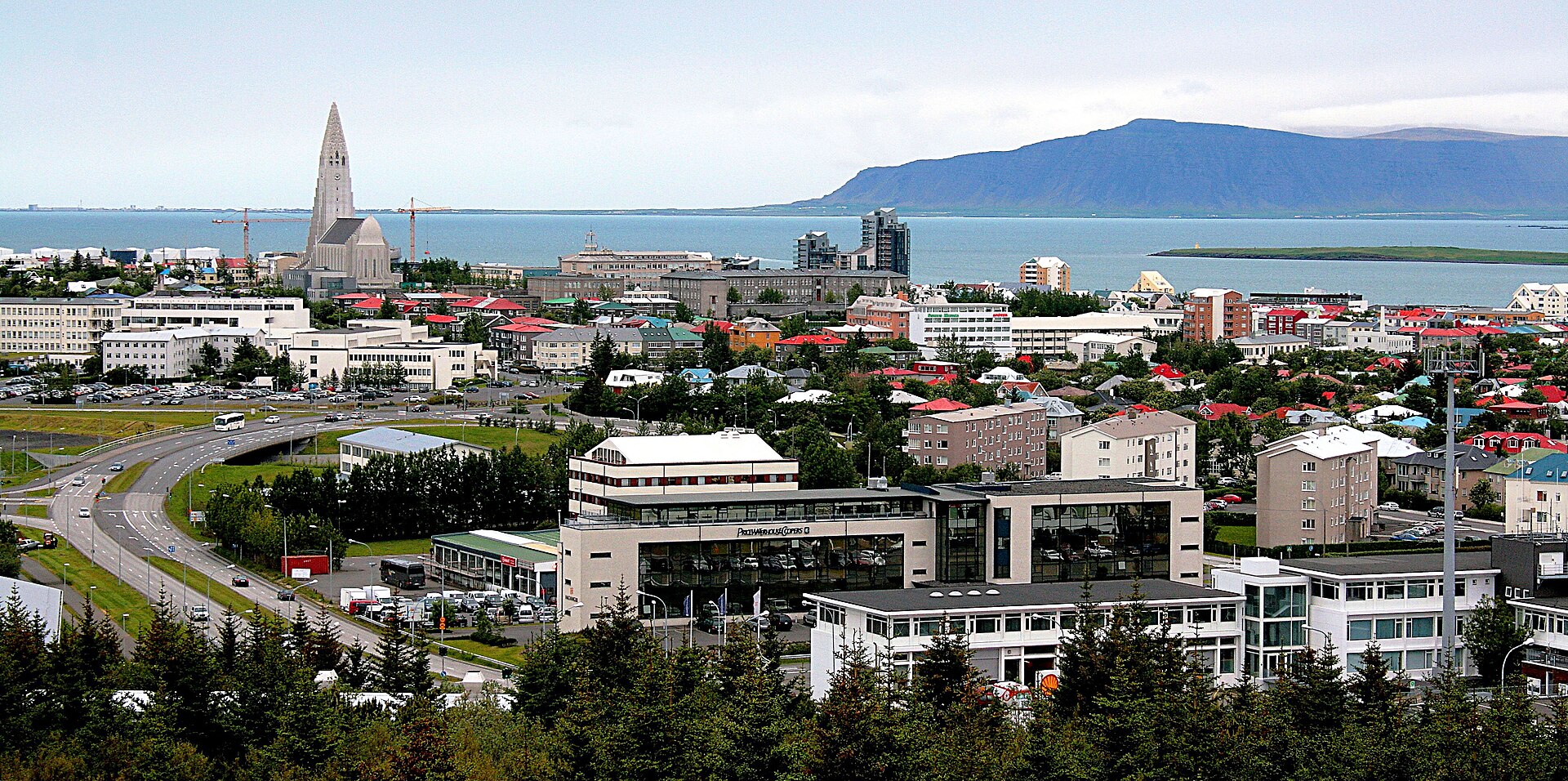
Hallgrímskirkja is Reykjavík’s striking working church, rising above the central streets on the city’s uphill side.
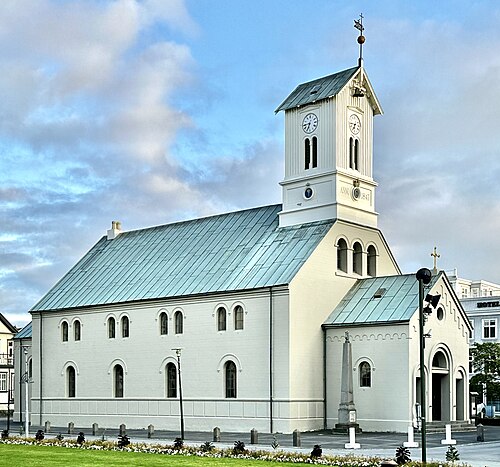
Dómkirkjan
Reykjavík Cathedral, or Dómkirkjan í Reykjavík, is the cathedral church of Iceland’s Evangelical Lutheran Church. It stands beside Austurvöllur in the compact historic centre, where its modest scale feels closely tied to the city.

Landakotskirkja is the cathedral of the Catholic Diocese of Reykjavík and an active Catholic church in the western part of the city center. Completed in 1929, it was designed by Icelandic state architect Guðjón Samúelsson.
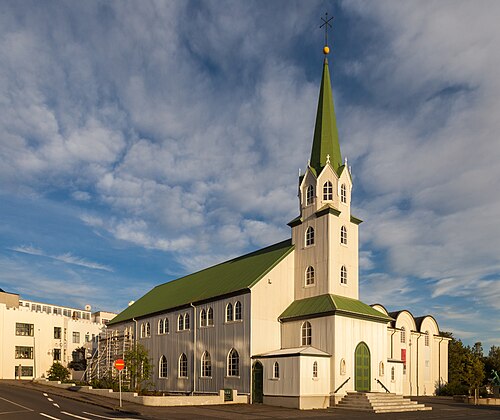
Fríkirkjan í Reykjavík is a Free Lutheran church beside Tjörnin, the pond at the heart of Reykjavík. Its green exterior and tall spire make it one of the city centre’s most recognisable waterside landmarks.
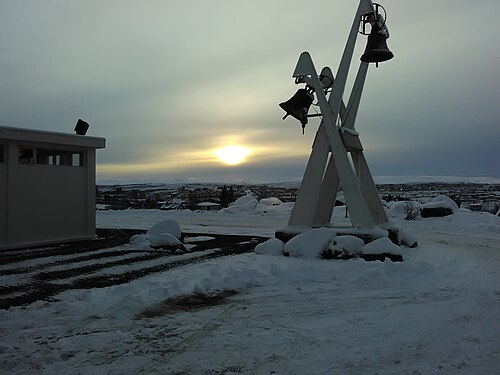
Kópavogskirkja is a modern parish church in Kópavogur, a separate municipality within the Greater Reykjavík capital area. Its curved concrete architecture gives it a distinctive silhouette and sets it apart from traditional church forms found elsewhere in Iceland.
Source: OpenStreetMap contributors, Wikidata ·
Seven to ten days supports Reykjavík, the Golden Circle and south coast; the full Ring Road deserves at least a week of driving and preferably longer. The Westfjords or highlands should be separate additions because weather and road class can transform journey times.
Iceland is in Schengen, but visa need still depends on nationality and travel circumstances. Use Iceland’s official government guidance to identify where to apply and which documents are required; verify the rule before routing through another Schengen state.
Keflavík Airport is outside Reykjavík and is connected by coach. Scheduled buses reach selected towns, but many natural sites require a tour or rental car; check road.is and weather information before departure, and use an appropriate vehicle only where F-road access permits.
Summer offers long daylight and broader road access, while winter provides dark skies but shorter days and more disruption risk. Shoulder-season plans need the same daily road checks: a forecast for Reykjavík cannot establish conditions on a pass or exposed coast.
Icelandic króna is the currency, and card payment is common even for small purchases. Keep an alternative payment method for unattended or remote services, verify fuel-station card requirements and read the ISK total before accepting conversion.
The emergency number is 112 and sockets are Type C and F at 230 V. Mains tap water is recorded as safe; at remote facilities follow posted notices, and download road and weather information before entering areas with weak mobile coverage.