
2 min walk
Wholesale fruit market
- Notable
- Market
Language · 11 published
Market · Denpasar
Reviewed by Elena Voss · Roavina Travel Editor
| Monday | 05:00 – 20:00 |
|---|---|
| Tuesday | 05:00 – 20:00 |
| Wednesday | 05:00 – 20:00 |
| Thursday | 05:00 – 20:00 |
| Friday | 05:00 – 20:00 |
| Saturday | 05:00 – 20:00 |
| Sunday | 05:00 – 20:00 |
Parsed from OpenStreetMap opening hours on 2026-09-09.
This place is a Marketplace.
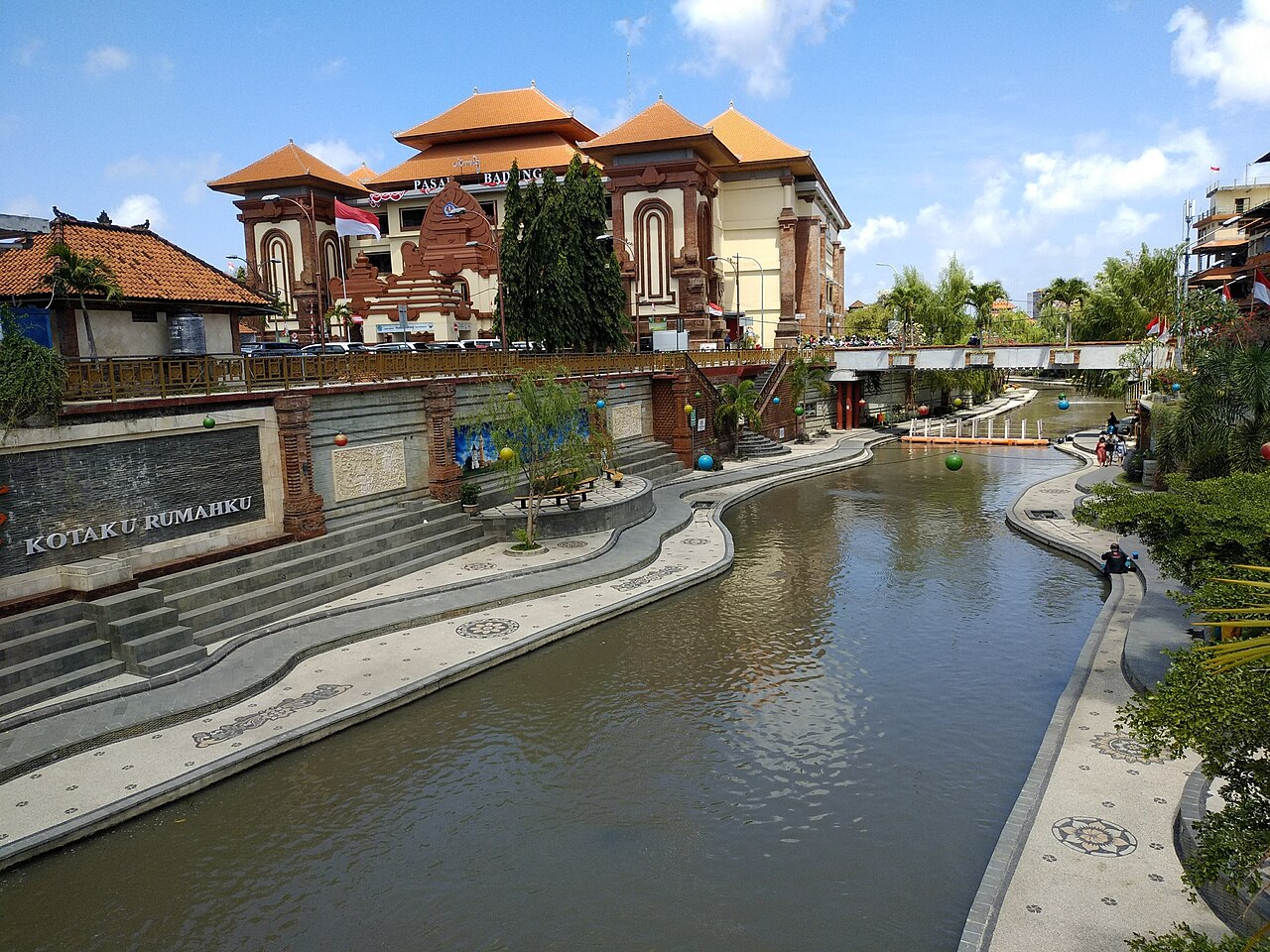
Badung Market, known locally as Pasar Badung, is Denpasar’s principal traditional market and one of Bali’s largest public trading centres. It is an everyday commercial hub as well as a useful place for travellers to encounter Balinese shopping culture. The multi-storey complex brings together food, household goods, clothing, textiles, ceremonial items, and crafts. Its central urban setting makes the market a vivid contrast to resort districts and a strong introduction to ordinary commerce in Denpasar. Badung Market, locally known as Pasar Badung, is Denpasar's principal traditional market and one of Bali's largest public trading centres. The multi-storey complex serves as a commercial hub where vendors sell goods across numerous categories. The market holds significance for both everyday shopping and as a visitor destination, offering exposure to Balinese commerce and daily life. Its scale and central location make it a notable point of interest within Denpasar's urban fabric. Traditional markets typically function most days with possible variations for religious observances.
Checked 2026-08-26 · Source
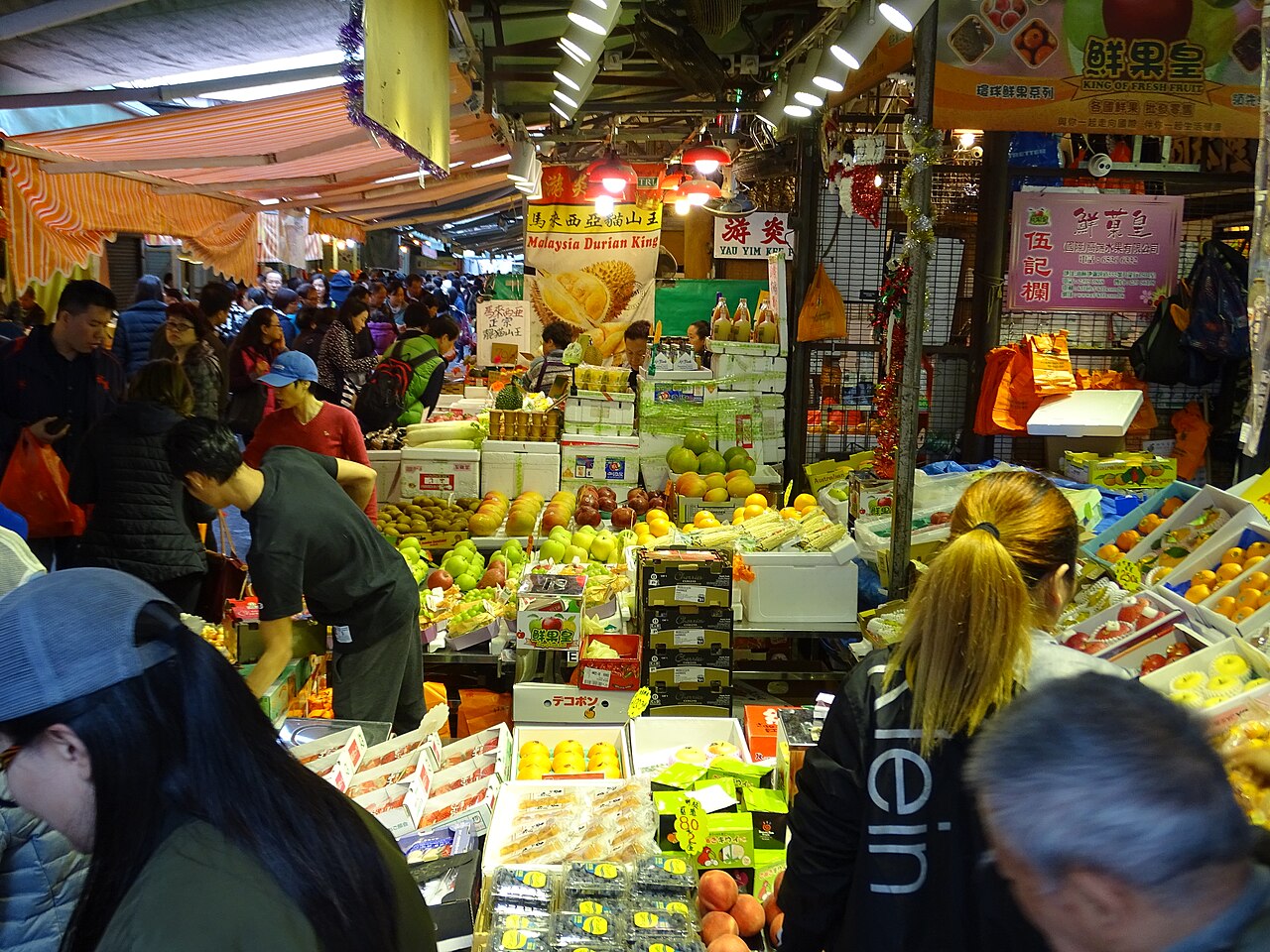
Badung Market is arranged across multiple levels and connected aisles, with different areas devoted to different kinds of trade. Fresh fruit, vegetables, spices, and flowers used in religious offerings are among the most distinctive sights. Other stalls sell textiles, clothes, household products, crafts, and ceremonial goods. The ground floor and upper levels create a layered browsing experience. Follow the flow of shoppers, pause at stalls without blocking trade, and notice how ritual purchases sit alongside everyday necessities. The market contains multiple levels with varied merchandise. Vendors offer fresh produce including fruits, vegetables, spices, and flowers used in religious offerings.
Checked 2026-08-26 · Source
Allow one to two hours at Badung Market for a satisfying visit. A quick walk through the principal aisles can take about forty-five minutes, while comparing goods across several levels or speaking with vendors takes longer. Early visitors may want additional time because the market is especially active and produce trading is at its liveliest. Leave room for pauses: the market is best experienced through changing sounds, colours, smells, and small interactions rather than a fixed route.
Checked 2026-08-26 · Source
Early morning is the most energetic time to visit Badung Market, when daily shopping and produce trading create the strongest sense of local activity. Fresh goods are prominent, but the aisles can also be crowded. A later visit may feel easier for slow browsing, although the atmosphere can be less intense. Plan around the tropical heat and traffic in central Denpasar. Morning light and busy stalls suit travellers who want a lively cultural stop before exploring nearby streets.
Checked 2026-08-26 · Source
Badung Market is a place of commerce rather than a ticketed attraction. Your spending is determined by what you buy from individual vendors, and prices may be displayed or negotiated depending on the stall. Carry Indonesian Rupiah in useful denominations because payment arrangements vary between sellers. Ask the price clearly before agreeing to a purchase, and keep shopping bags secure while moving through busy aisles. The market experience itself centres on browsing, buying, and observing daily trade.
Checked 2026-08-26 · Source
Badung Market stands in central Denpasar and is familiar to local drivers. Taxi, ride-hailing service, and motorcycle taxi are practical ways to reach the busy commercial district. Walking is feasible from nearby central accommodation, while private vehicles require attention to the congested approach and available stopping areas. Ask for the market by its local name, Pasar Badung, if that is clearer to your driver. Arrive ready to walk, since the most interesting exploration happens inside the aisles.
Checked 2026-08-26 · Source
Expect dense crowds, narrow aisles, and wet floors near fresh-produce stalls. Keep valuables close and move carefully around shoppers carrying goods. Bargaining is part of the shopping experience, but remain polite and leave a stall if the price or interaction does not suit you. Heat and limited ventilation may make the interior tiring. Watch traffic when crossing near the entrance, and avoid stopping in a doorway where shoppers and vendors need clear passage.
Checked 2026-08-26 · Source
Badung Market offers strong documentary subjects: stacked produce, flowers, spices, textiles, signs, and the movement of trade through the multi-level building. Interior light changes from bright edges to dimmer central aisles, so simple handheld photography is more practical than a tripod. Avoid flash when it would disturb vendors or shoppers. Ask permission before making direct portraits or closely photographing a person’s stall. Frame the activity with care and keep your camera from interrupting purchases or deliveries.
Checked 2026-08-26 · Source
Stalls sell fresh produce, spices, flowers, textiles, clothing, household goods, crafts, and ceremonial items. The mix combines everyday shopping with goods connected to Balinese religious life.
Yes. The market serves residents and visitors, and travellers can browse and buy from individual vendors while respecting the pace of ordinary commercial activity.
Plan one to two hours. A fast circuit may take about forty-five minutes, while exploring several levels and comparing goods takes longer.
Bring Indonesian Rupiah in useful denominations. Individual stalls may display prices or negotiate them, and payment arrangements differ between vendors.
Early morning is the liveliest period, with daily shopping and fresh-produce trading creating a busy atmosphere. It is also the time when aisles may be most crowded.
You can photograph market details discreetly, but ask permission for direct portraits or close images of vendors. Avoid flash and keep clear of active transactions.
Loading the interactive map…
The interactive map could not be loaded.

Last updated:
Source: OpenStreetMap contributors ·