
123 min walk
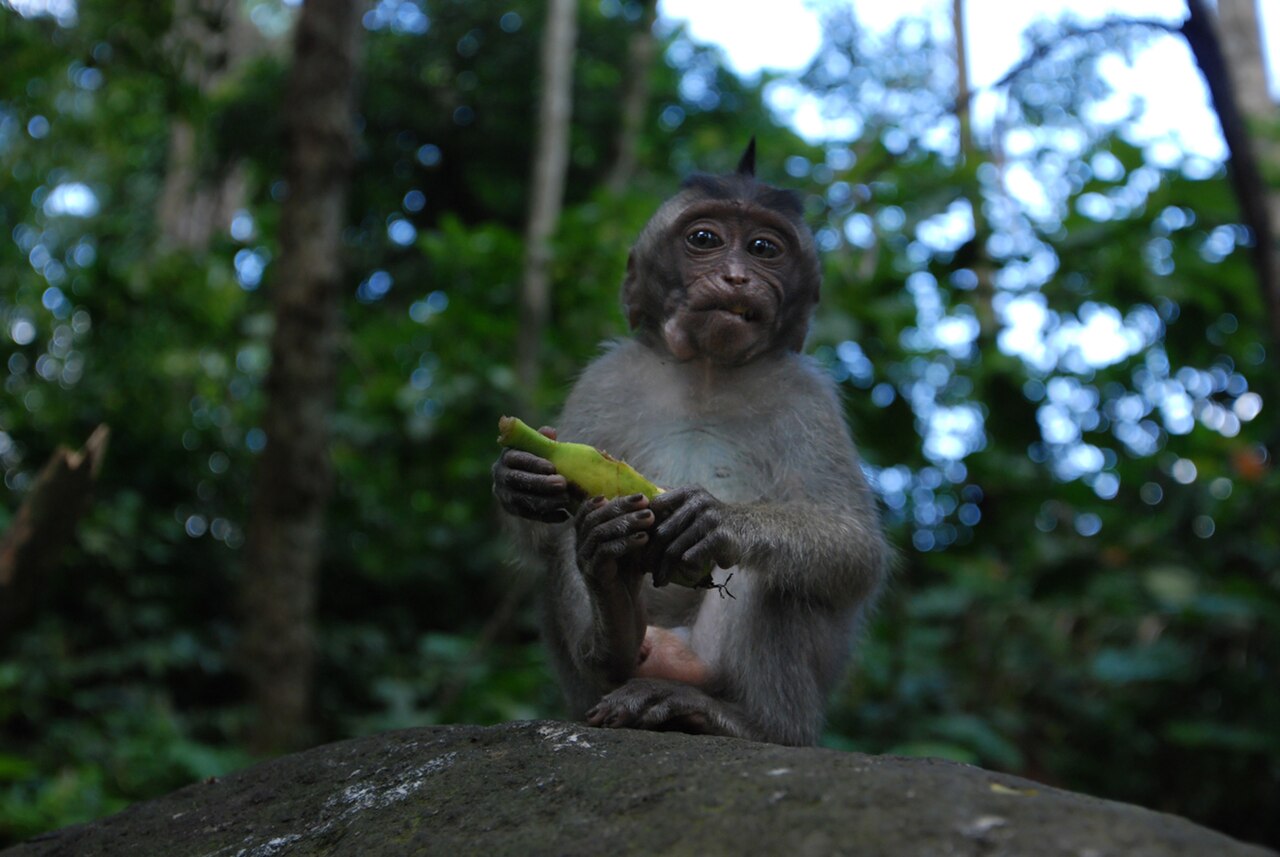
Sacred Monkey Forest Sanctuary
- Must see
- Nature site
Language · 11 published
Place of worship · Denpasar
Pura Taman Ayun
Reviewed by Elena Voss · Roavina Travel Editor
| Monday | 08:00 – 17:00 |
|---|---|
| Tuesday | 08:00 – 17:00 |
| Wednesday | 08:00 – 17:00 |
| Thursday | 08:00 – 17:00 |
| Friday | 08:00 – 17:00 |
| Saturday | 08:00 – 17:00 |
| Sunday | 08:00 – 17:00 |
Checked 2026-08-31 · Source
Read from the OpenStreetMap access tags; anything not listed has no tag recorded.
Set the group type to family in the planner and the day window contracts to about three quarters of a solo day.
It carries the part of UNESCO World Heritage Site heritage designation.
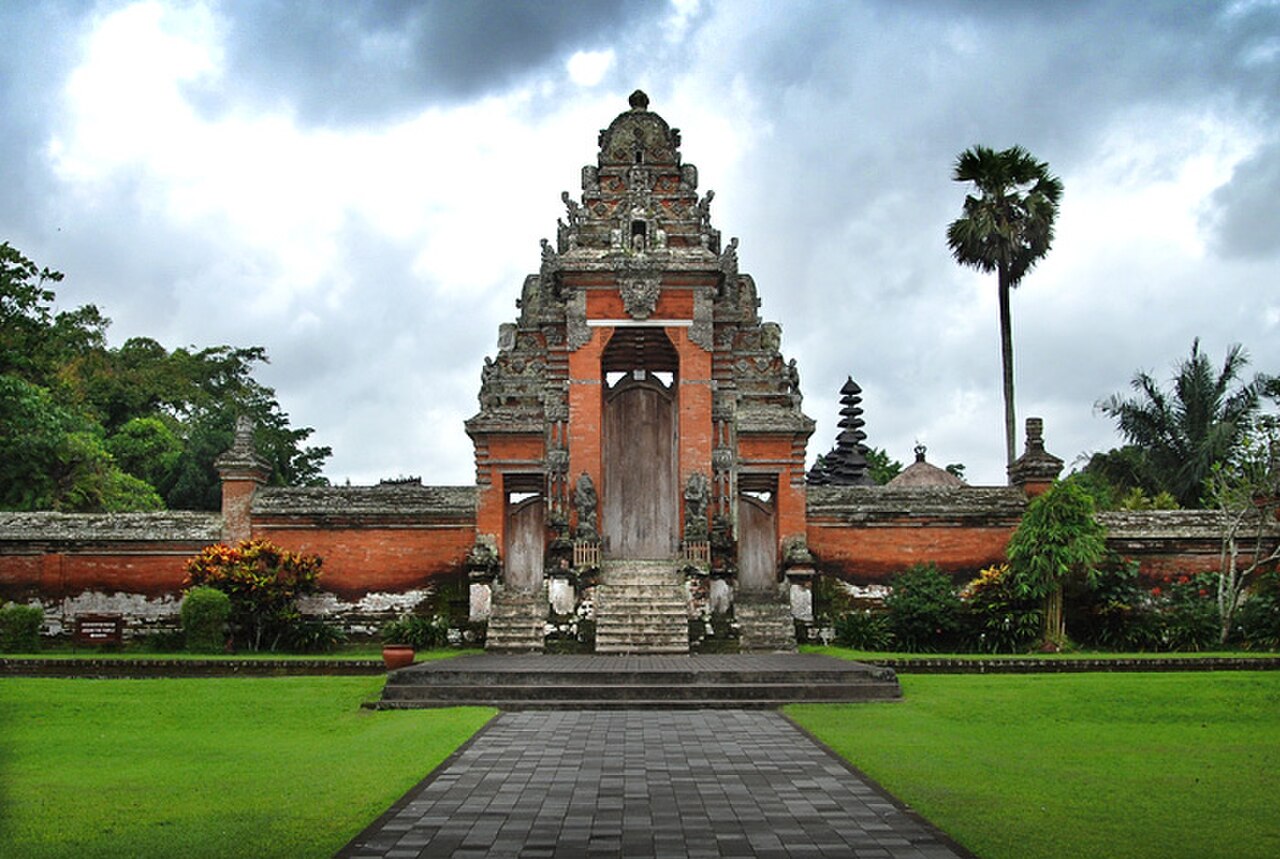
Taman Ayun Temple, known locally as Pura Taman Ayun, is a Balinese Hindu temple located in Mengwi, Badung Regency, approximately eighteen kilometers northwest of Denpasar. The temple complex serves as a royal temple of the Mengwi Kingdom, historically significant to the region. It was built during the reign of I Gusti Agung Putu, a ruler of the Mengwi kingdom. The temple is renowned for its distinctive tiered meru shrines and expansive landscaped grounds featuring moats and gardens. Daily 08:00–17:00 WITA. The responsible national tourism body lists daily operation, with no scheduled weekly closure day.
Checked 2026-08-31 · Source
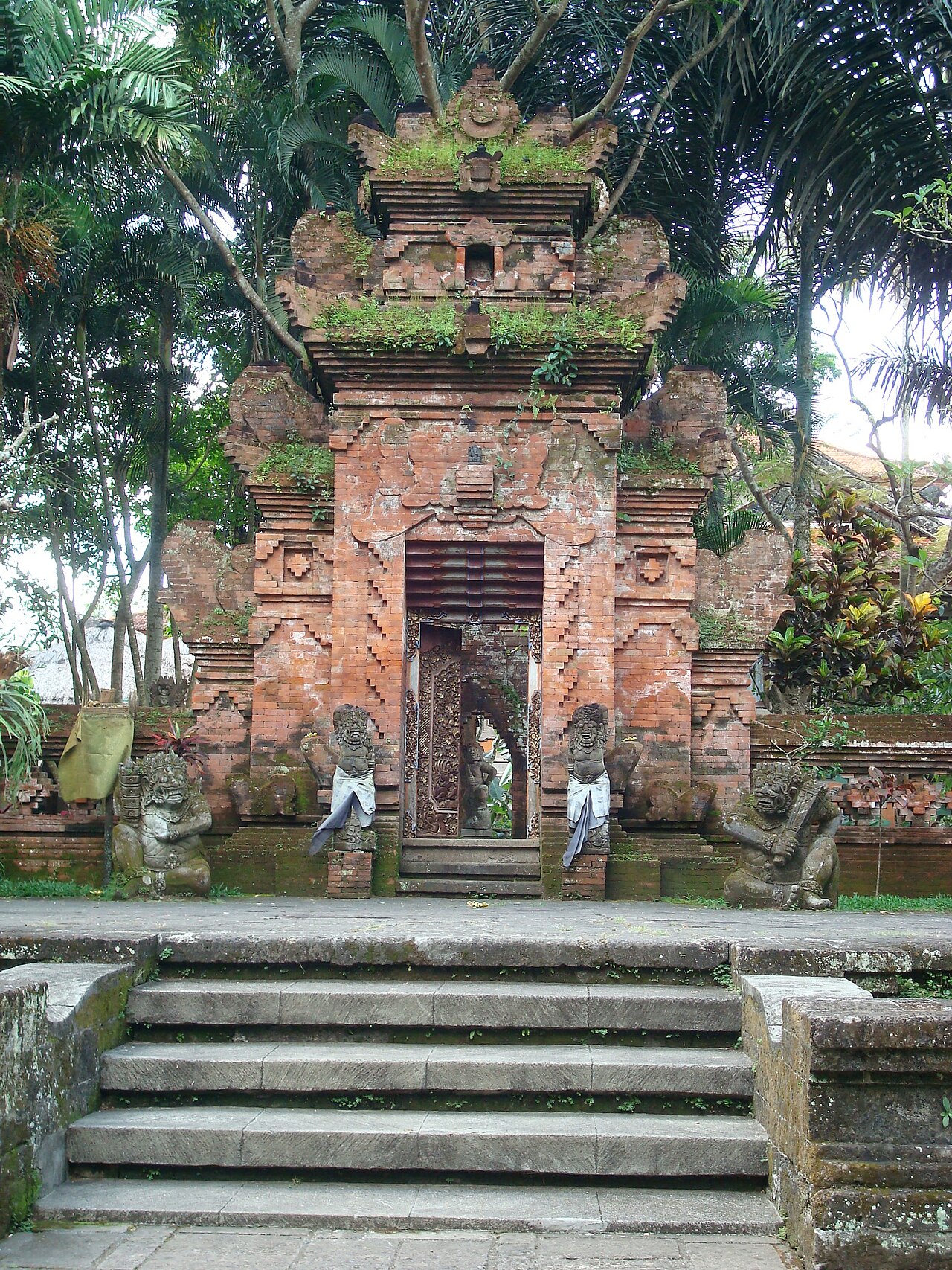
The temple compound contains multiple walled courtyards arranged in ascending sacredness. The outer courtyard features a large wantilan meeting hall and ceremonial performance space. The middle courtyard contains numerous meru towers with thatched roofs of varying tiers, dedicated to different deities and ancestral spirits. A distinctive feature is the series of moats surrounding portions of the complex, creating the appearance of a floating garden. The innermost courtyard houses the most sacred shrines, accessible only to priests and royalty. The responsible national tourism body lists daily operation, with no scheduled weekly closure day.
Checked 2026-08-31 · Source
Visitors typically spend between sixty and ninety minutes exploring the temple grounds at a measured pace. The extensive moat system and garden walkways encourage contemplative strolling rather than hurried passage. Photography enthusiasts may require additional time to capture the architectural details and reflective water features. The compound's layout permits flexible routing, though respectful clockwise circumambulation of shrines is customary. Those interested in architectural interpretation or religious symbolism benefit from extended observation. Adult admission: IDR 25,000 per domestic visitor or IDR 50,000 per international visitor. These 2026 rates apply to the visitor area outside Pura Taman Ayun.
Checked 2026-08-31 · Source
Visitors should verify current opening times through official channels before planning their visit. The temple functions as an active religious site, and ceremonial activities may affect accessibility or appropriate conduct on any given day. Early morning visits generally offer cooler temperatures and softer light for observation. Daily 08:00–17:00 WITA. Use Trans Metro Dewata Corridor 1, running between Sentral Parkir Kuta and Terminal Pesiapan Tabanan, and alight at Halte Pasar Mengwi; continue to the temple by a short walk or local transport. The road entrance is on Jl. Ayodya in Mengwi, and the site has a parking area.
Checked 2026-08-31 · Source
Visitors should expect to pay an entry fee common to significant Balinese temple sites, though exact amounts require verification at the entrance or through official tourism channels. Separate charges may apply for parking, guided services, or ceremonial participation if offered. Cash payment in Indonesian Rupiah is standard practice at religious sites. Receipts should be retained when provided. Adult admission: IDR 25,000 per domestic visitor or IDR 50,000 per international visitor. These 2026 rates apply to the visitor area outside Pura Taman Ayun. Ramps provide alternatives to the entrance steps and continue through the principal visitor route.
Checked 2026-08-31 · Source
The temple sits in Mengwi village, northwest of Denpasar's central area. Private vehicle or hired driver represents the most common access method for international visitors, with travel time approximately forty-five minutes depending on departure point and traffic conditions. Ride-hailing applications operate with varying coverage in this zone. Use Trans Metro Dewata Corridor 1, running between Sentral Parkir Kuta and Terminal Pesiapan Tabanan, and alight at Halte Pasar Mengwi; continue to the temple by a short walk or local transport. The road entrance is on Jl. Ayodya in Mengwi, and the site has a parking area.
Checked 2026-08-31 · Source
Active worship occurs throughout the temple, requiring visitors to observe behavioral restrictions regardless of personal beliefs. Sarongs and sashes are mandatory for entry and typically available for loan or rental near the entrance. Menstruating women are traditionally prohibited from entering Balinese Hindu temple interiors. Physical contact with shrines, offerings, or ceremonial objects is disrespectful and may provoke strong local reaction. Ramps provide alternatives to the entrance steps and continue through the principal visitor route. Accessible paths and ramps reach educational buildings, including a theatre. The toilet has grab bars, but its interior is small and there is a small ledge at the entrance.
Checked 2026-08-31 · Source
The tiered meru shrines reflected in surrounding moats constitute the iconic photographic subject, best captured in morning or late afternoon light when glare diminishes. Wide-angle lenses accommodate the expansive courtyard perspectives, while telephoto options isolate architectural details. Tripod use may attract scrutiny and should be discreet or avoided during active ceremonies. Interior courtyard photography restrictions may apply beyond the publicly accessible areas. Respectful distance from worshippers and offerings remains essential regardless of compositional appeal. The toilet has grab bars, but its interior is small and there is a small ledge at the entrance.
Checked 2026-08-31 · Source
The royal temple was founded in 1634 during the Mengwi Kingdom.
It is a component of the UNESCO-listed Cultural Landscape of Bali Province, inscribed in 2012 for the subak water-management landscape and its Tri Hita Karana philosophy.
The complex follows the Tri Mandala plan of three courtyards: Nista Mandala, Madya Mandala and Utama Mandala.
A broad moat surrounds the complex, while the sacred enclosure contains tiered meru shrines and supporting ceremonial pavilions.
Visitors should dress modestly and wear a sarong and sash in the temple grounds.
The responsible local tourism body lists a parking area, food stalls and local guides.
Loading the interactive map…
The interactive map could not be loaded.
Last updated:
Source: OpenStreetMap contributors, Wikidata ·