


7 min walk
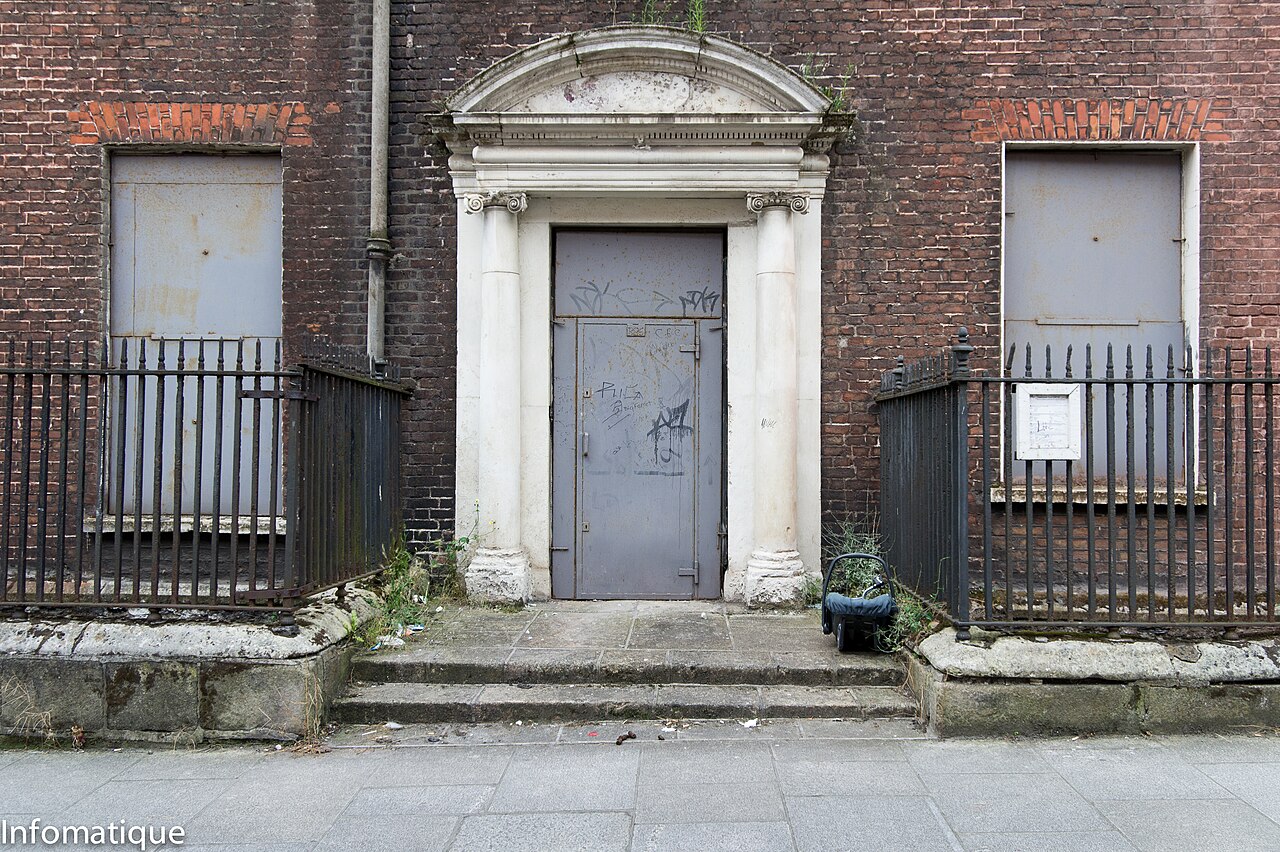
14 Henrietta Street
- Must see
- Museum
Language · 11 published
Nature site · Dublin
Reviewed by Elena Voss · Roavina Travel Editor
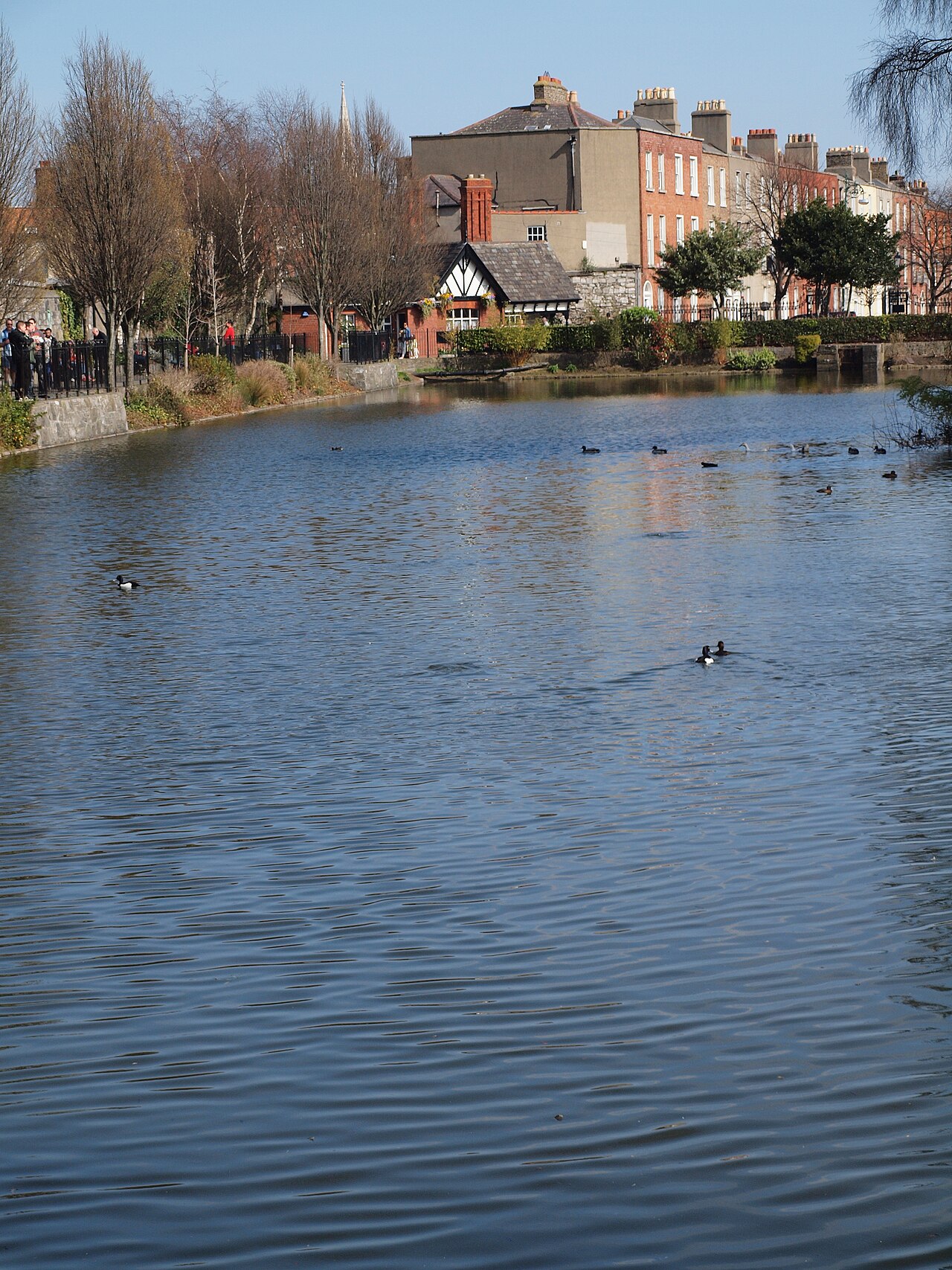
This place is a Park.
Blessington Street Basin is a historic reservoir located in Dublin, Ireland. Constructed in the early nineteenth century as part of the city water supply system, it formed a crucial component of Dublin's municipal infrastructure. The basin retains its original engineered form as a water storage facility, though its functional role has diminished over time. Today it exists as a heritage site within the urban fabric of Dublin's north inner city, representing an important phase of Victorian public works development and urban planning in the Irish capital.
Checked 2026-08-26
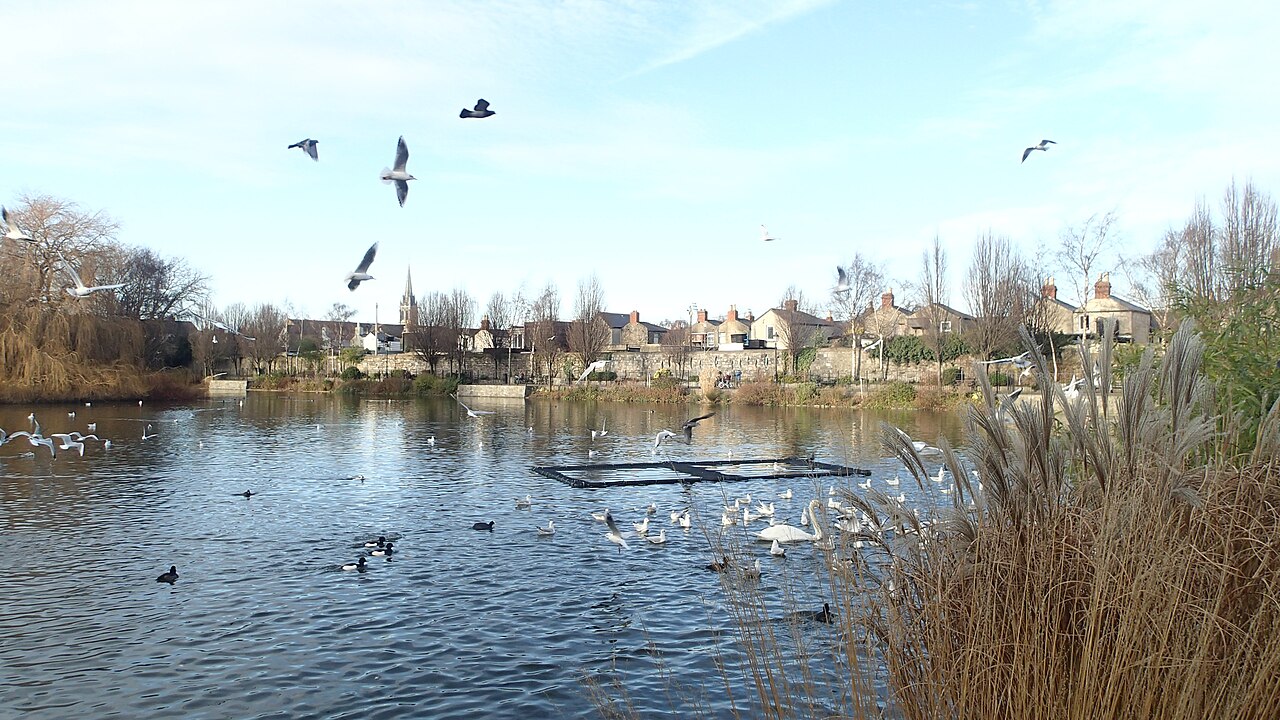
The basin contains a substantial body of water retained within stone embankments. The site features perimeter walkways that allow visitors to circumnavigate the reservoir. Mature vegetation has established itself around the margins over decades of reduced operational use. The structural elements of the original engineering works remain visible, including the characteristic basin profile and containment walls. The surrounding streetscape of Blessington Street provides the immediate urban context. The area serves as a local amenity space for nearby residents, offering a distinctive waterside environment uncommon in this part of Dublin.
Checked 2026-08-26
A complete visit to Blessington Street Basin typically requires between twenty and forty minutes for a leisurely perimeter walk. The compact nature of the site means that extended stays are not generally necessary unless visitors choose to linger for contemplation or observation of the water and surrounding environment. The basin suits brief visits incorporated into broader exploration of the north inner city area. Local residents may use the space for shorter periods as part of regular routines. The limited extent of formal facilities or programmed activities constrains typical visit duration.
Checked 2026-08-26
Blessington Street Basin may be visited during daylight hours when public access is available. The site does not have formal gates or controlled entry that would restrict visiting times in the manner of ticketed attractions. Visitors should exercise judgement regarding personal safety and ambient lighting conditions when considering evening visits. The basin's character changes with seasons, though specific seasonal programming or events are not documented. Weather conditions affect the comfort of the exposed perimeter walkway, with rain and wind being common considerations in Dublin's maritime climate throughout the year. Check the operator's own site for the travel date before relying on a schedule or fare.
Checked 2026-08-26
Access to Blessington Street Basin is free of charge as an unmetered public space. No admission fee is collected at any point of entry. The absence of ticketing infrastructure, visitor centre, or staffed presence indicates that commercial admission arrangements do not apply to this site. Visitors should not expect to encounter payment requirements. Any future changes to access arrangements would require clear public notification given the basin's established role as an uncharged local amenity integrated into the regular street network of the area. Check the operator's own site for the travel date before relying on a schedule or fare.
Checked 2026-08-26
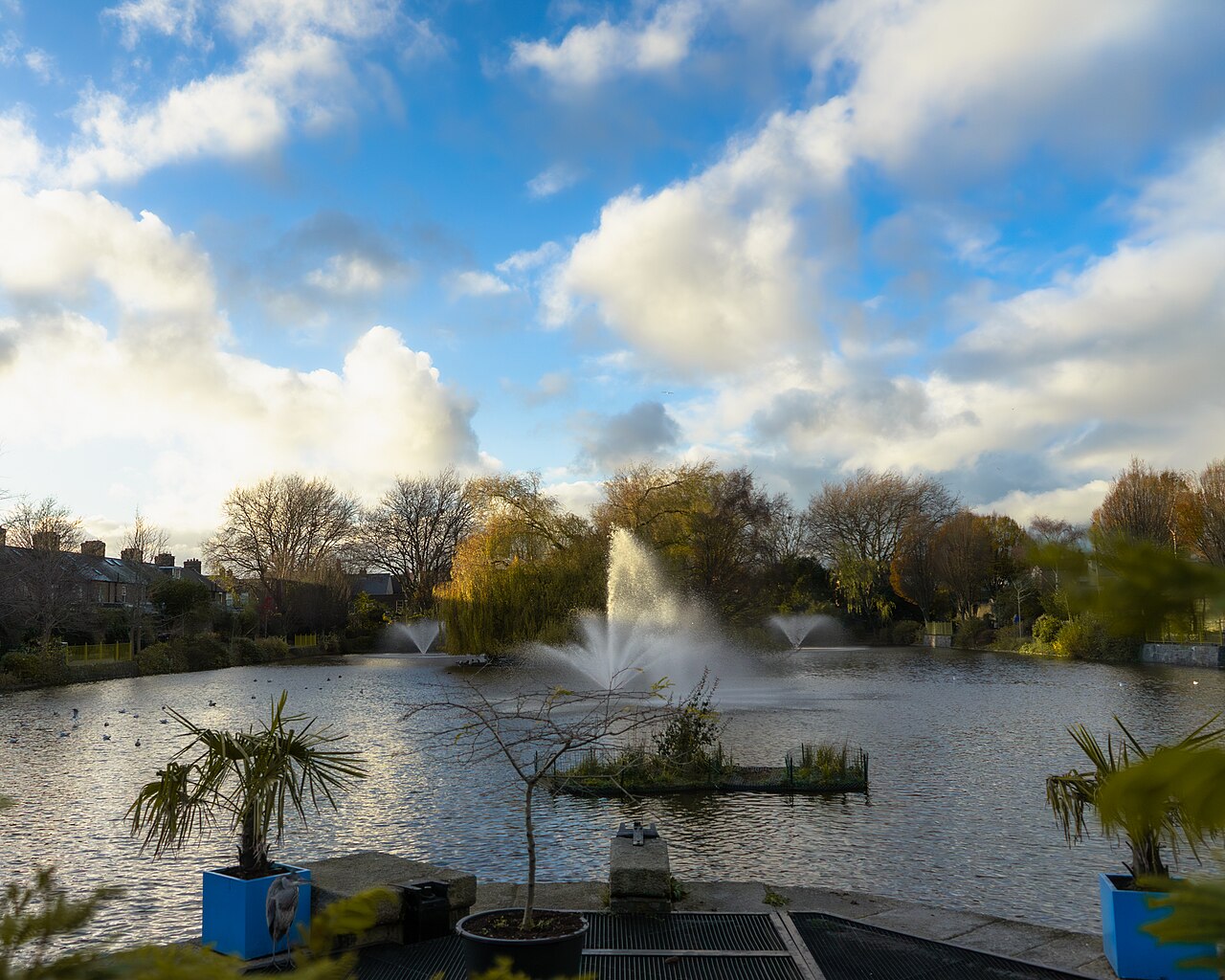
Blessington Street Basin is situated in Dublin's north inner city, accessible via Blessington Street itself. The location lies within walking distance of O'Connell Street and the broader city centre. Public transport options serving the general area include Dublin Bus routes with stops on nearby thoroughfares. The site does not have dedicated parking facilities, reflecting its integration into a residential and mixed-use urban street pattern. Visitors arriving by private vehicle must utilise on-street parking where available or commercial parking in the wider vicinity. Cycling is feasible given Dublin's expanding bike infrastructure.
Checked 2026-08-26
Visitors should remain aware of the unprotected water edge and exercise appropriate caution, particularly when accompanied by children. The basin lacks lifeguard presence or safety equipment. Weather conditions can render walkways slippery. The urban location means visitors should maintain standard awareness of personal belongings and surroundings, particularly during hours of reduced foot traffic. The water quality is not designated for recreational contact. There are no formal supervisory staff on site. Visitors requiring assistance must rely on emergency services. The historic infrastructure may present uneven surfaces or other physical hazards consistent with nineteenth-century construction not modified for modern accessibility standards.
Checked 2026-08-26
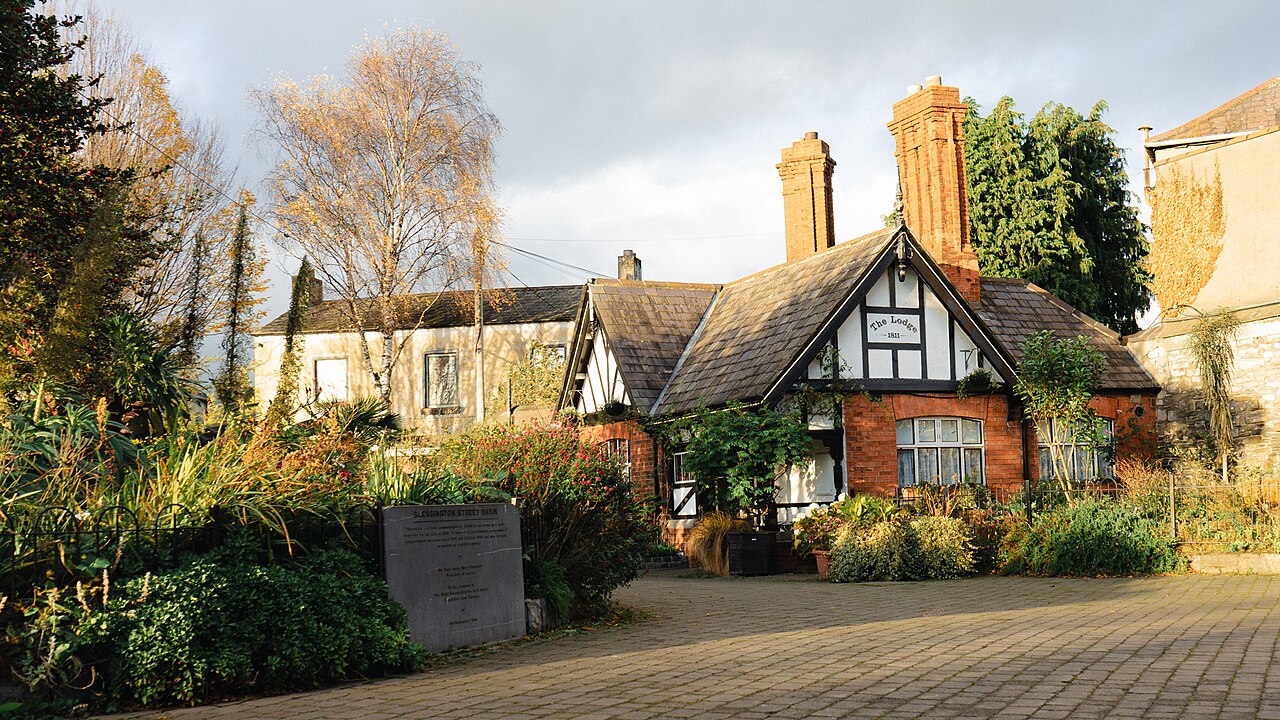
Blessington Street Basin offers photographic subjects including the historic water engineering, reflective water surfaces, and urban juxtaposition of industrial heritage with residential context. The contained geometry of the basin provides compositional structure. Lighting conditions vary significantly with time of day and weather, typical of Dublin's changeable maritime climate. No photography restrictions are indicated for this public space. Tripod use would require consideration of walkway width and pedestrian passage. The basin's relatively low profile among Dublin attractions means visitor congestion rarely impedes photography. Early morning or late afternoon light may enhance the atmospheric qualities of the water and stone surfaces.
Checked 2026-08-26
The basin functions as an accessible public space integrated into the street network, though formal opening hours are not recorded.
It was constructed in the early nineteenth century as part of Dublin's municipal water supply infrastructure, representing Victorian public works engineering.
No dedicated visitor facilities such as toilets, cafés, or information points are present at this unmanned public space.
Swimming is not appropriate; the water is not designated for recreational contact and no safety provisions exist.
Its original functional role in the water supply system has diminished, though the structural heritage remains.
The historic nineteenth-century construction may present accessibility challenges; specific accessibility features are not recorded.
Loading the interactive map…
The interactive map could not be loaded.
Last updated:
Source: OpenStreetMap contributors, Wikidata ·