
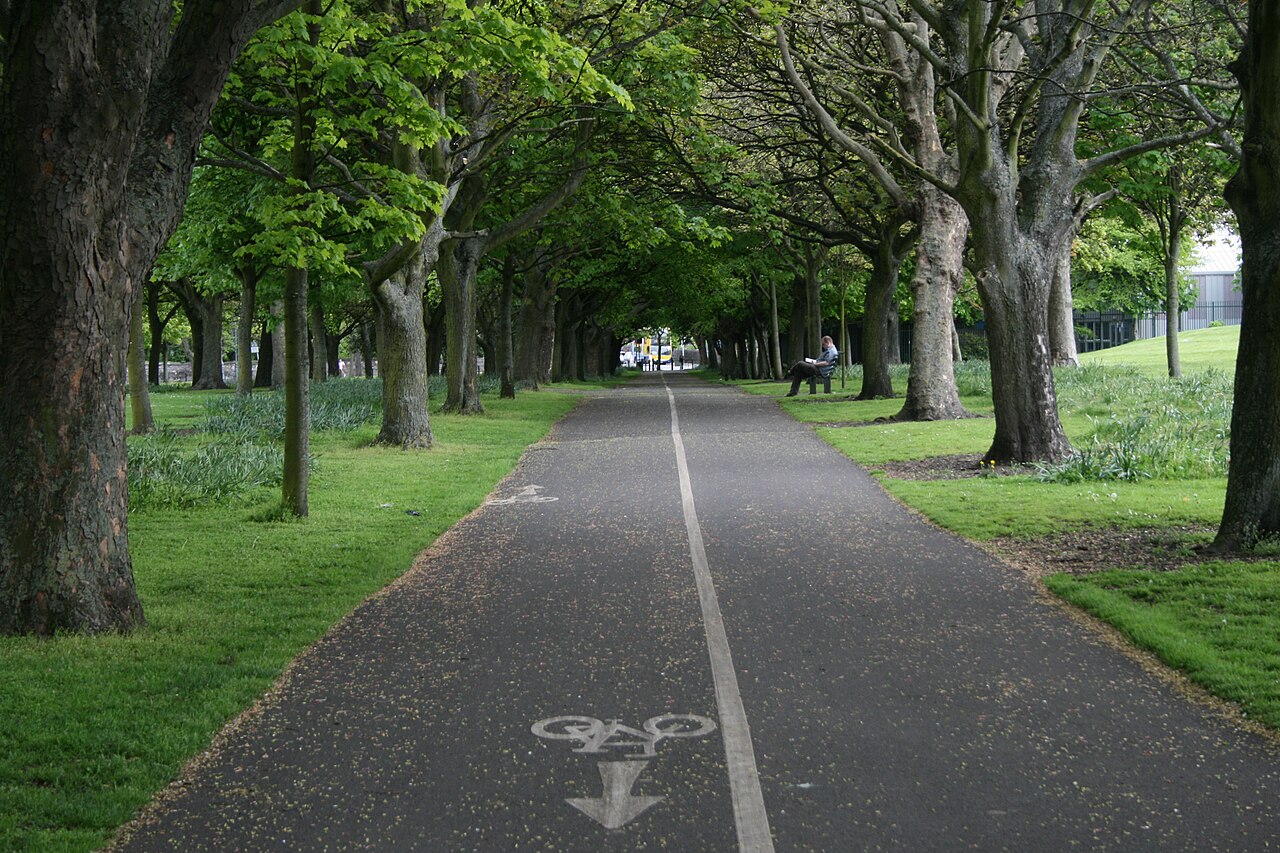
7 min walk
Fairview Park
- High
- Nature site
Language · 11 published
Nature site · Dublin
Reviewed by Elena Voss · Roavina Travel Editor
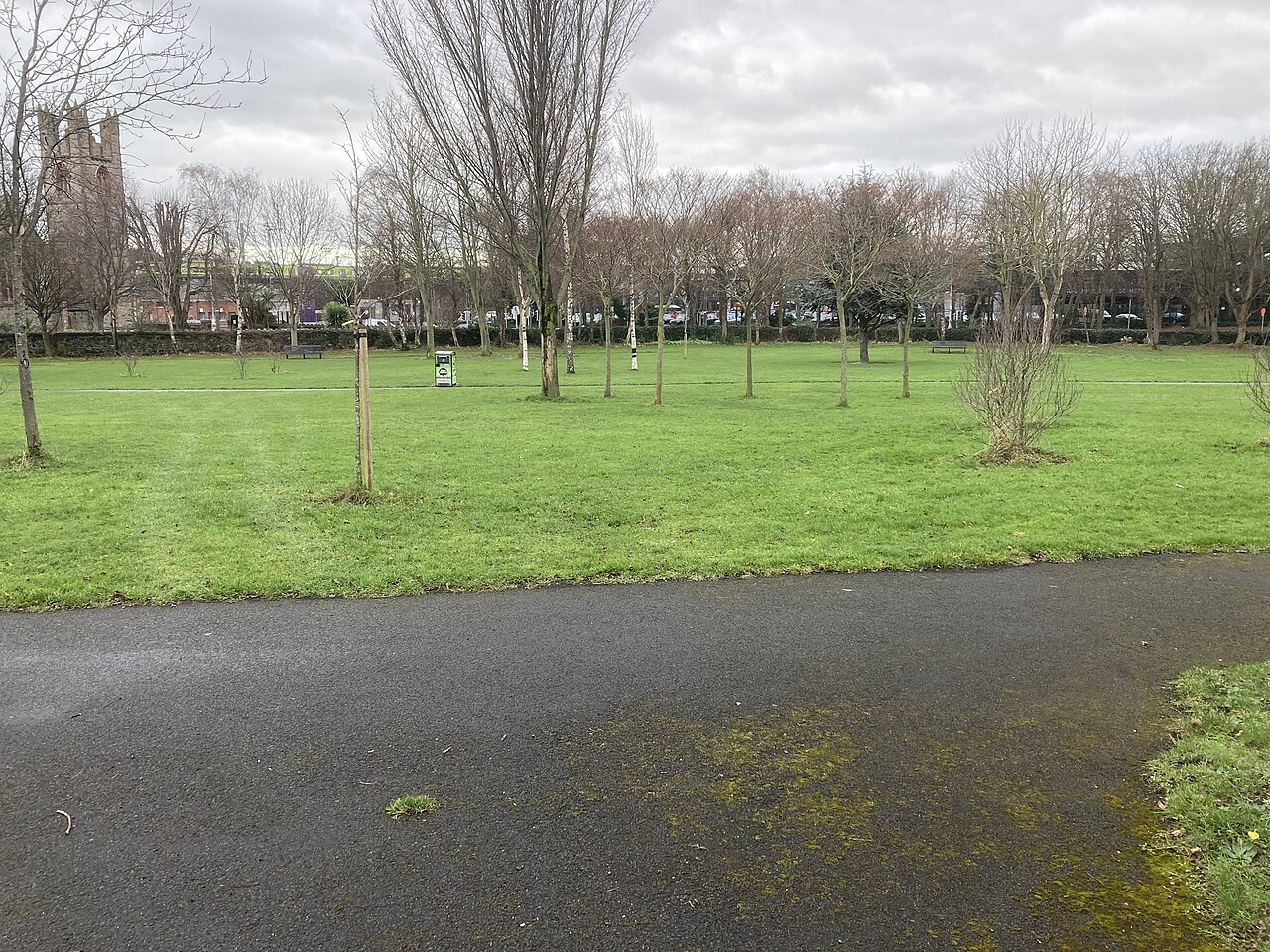
This place is a Park.
Bram Stoker Park is a public urban park in Dublin named after Abraham Bram Stoker, the Irish author best known for the 1897 Gothic novel Dracula. Bram Stoker was born in Dublin and spent his formative years in the city, giving the park’s name a clear literary connection to Dublin. The park offers travellers a quiet green-space stop within a city itinerary, while its name makes it especially relevant to visitors following Dublin’s literary identity. The attraction is the combination of local park life and a direct reference to one of Ireland’s best-known writers. Bram Stoker Park is a public park in Dublin, Ireland, named after the celebrated Irish author Abraham Bram Stoker, best known for his 1897 Gothic novel Dracula. The park commemorates Stoker's literary legacy and his connection to Dublin, where he was born and spent his formative years. As an urban green space, it serves local residents and visitors seeking a place of rest in the city. The park's naming reflects Dublin's broader cultural practice of honouring significant literary figures from its history.
Checked 2026-08-26 · Source
Bram Stoker Park is a neighbourhood green space rather than a documented museum or indoor literary exhibition. Visit for the outdoor setting and for the opportunity to connect a Dublin park stop with Bram Stoker’s name. Travellers interested in Dracula can use the park as one small part of a wider literary route, while visitors seeking a formal collection should treat this location as a public park rather than a museum.
Checked 2026-08-26 · Source
Allow fifteen to thirty minutes for a short walk or pause in Bram Stoker Park. Visitors tracing Dublin’s literary heritage may stay for about an hour while reflecting on the park’s name and its connection with the city’s famous author. The site does not require a long museum-style visit based on the supplied description. Bram Stoker Park works best as a brief outdoor stop between other Dublin plans, especially when your route already passes through the surrounding neighbourhood. Keep extra time for photographs and a relaxed pause.
Checked 2026-08-26 · Source
Daylight is the most useful time for visiting Bram Stoker Park because the attraction is an outdoor urban green space. Dublin’s weather can bring rain, wind and damp conditions in any season, so clothing should match the forecast and the time you plan to remain outside. Longer summer daylight makes it easier to combine the park with a literary walking route. In winter, plan a shorter stop if conditions are wet or dark. The park’s literary interest remains available throughout the year through its name and place in Dublin’s cultural landscape.
Checked 2026-08-26 · Source
Plan the visit as a free-form outdoor stop rather than around timed entry or a paid literary exhibition. The park’s purpose is a place to walk, rest and connect with Bram Stoker’s Dublin association. Any spending belongs to the wider neighbourhood itinerary, such as transport or food elsewhere. This makes the park easy to include between larger attractions without allocating a separate ticket budget.
Checked 2026-08-26 · Source
Bram Stoker Park is located in Dublin and functions as an urban neighbourhood park. Visitors can include the park in a Dublin route using the city’s wider network of buses, walking streets and rail services, then allow time for the final local approach. Because the park is a small outdoor stop rather than a large complex, combine it with nearby plans and use a current map for the last part of the journey.
Checked 2026-08-26 · Source
Bram Stoker Park is an urban public space, so remain aware of belongings, nearby roads and other park users. Rain can make paths and grass wet, while evening darkness changes the feel of a small neighbourhood park. Stay with children, respect residents and dog walkers, and follow any signs displayed within the park. The site’s literary name does not make it a Dracula-themed attraction by itself; the strongest confirmed connection is the name Bram Stoker and his Dublin birth and upbringing. Plan the stop accordingly.
Checked 2026-08-26 · Source
Photography at Bram Stoker Park can focus on the park’s greenery, urban setting and literary identity. Soft, overcast light can suit the outdoor setting and reduce harsh contrast on wet surfaces. Respect the privacy of residents and fellow visitors, particularly in a small neighbourhood space. Keep equipment discreet and use the park as a place for thoughtful, contextual photographs rather than expecting a large landmark composition.
Checked 2026-08-26 · Source
Abraham Bram Stoker was an Irish author, born in Dublin and best known for the 1897 Gothic novel Dracula.
The park’s name honours Bram Stoker, whose Dublin birth and formative years connect him directly with the city.
No. Bram Stoker Park is a public urban green space, not a documented indoor museum or literary exhibition.
Allow fifteen to thirty minutes for a short visit, or up to an hour when following a Dublin literary route.
Bram Stoker is best known for Dracula, his 1897 Gothic novel.
It suits a short outdoor walk or pause combined with Dublin literary sightseeing and an interest in Bram Stoker’s connection with the city.
Loading the interactive map…
The interactive map could not be loaded.
Last updated:
Source: OpenStreetMap contributors, Wikidata ·