

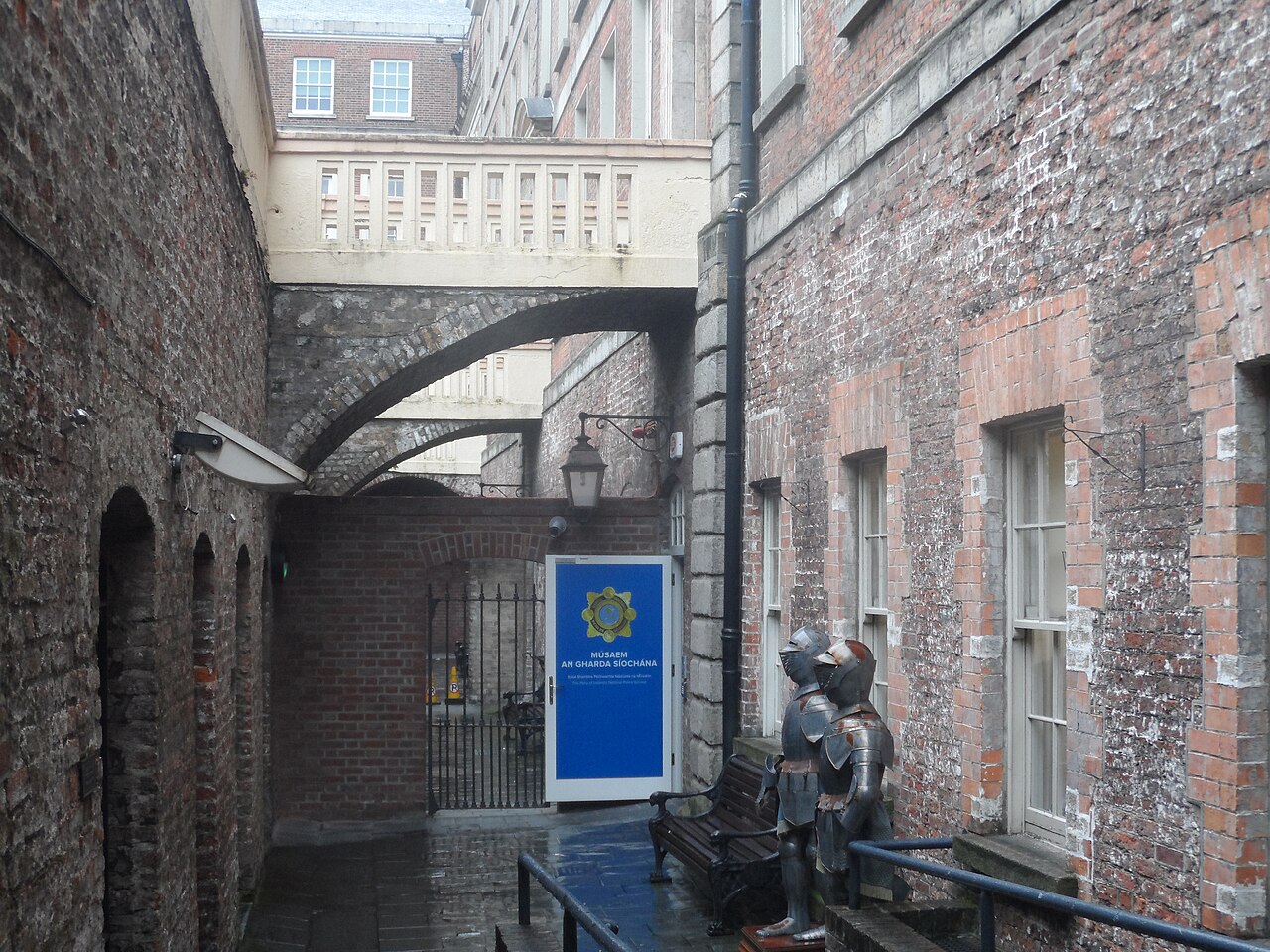
1 min walk
Garda Museum
- Must see
- Museum
Language · 11 published
Historic monument · Dublin
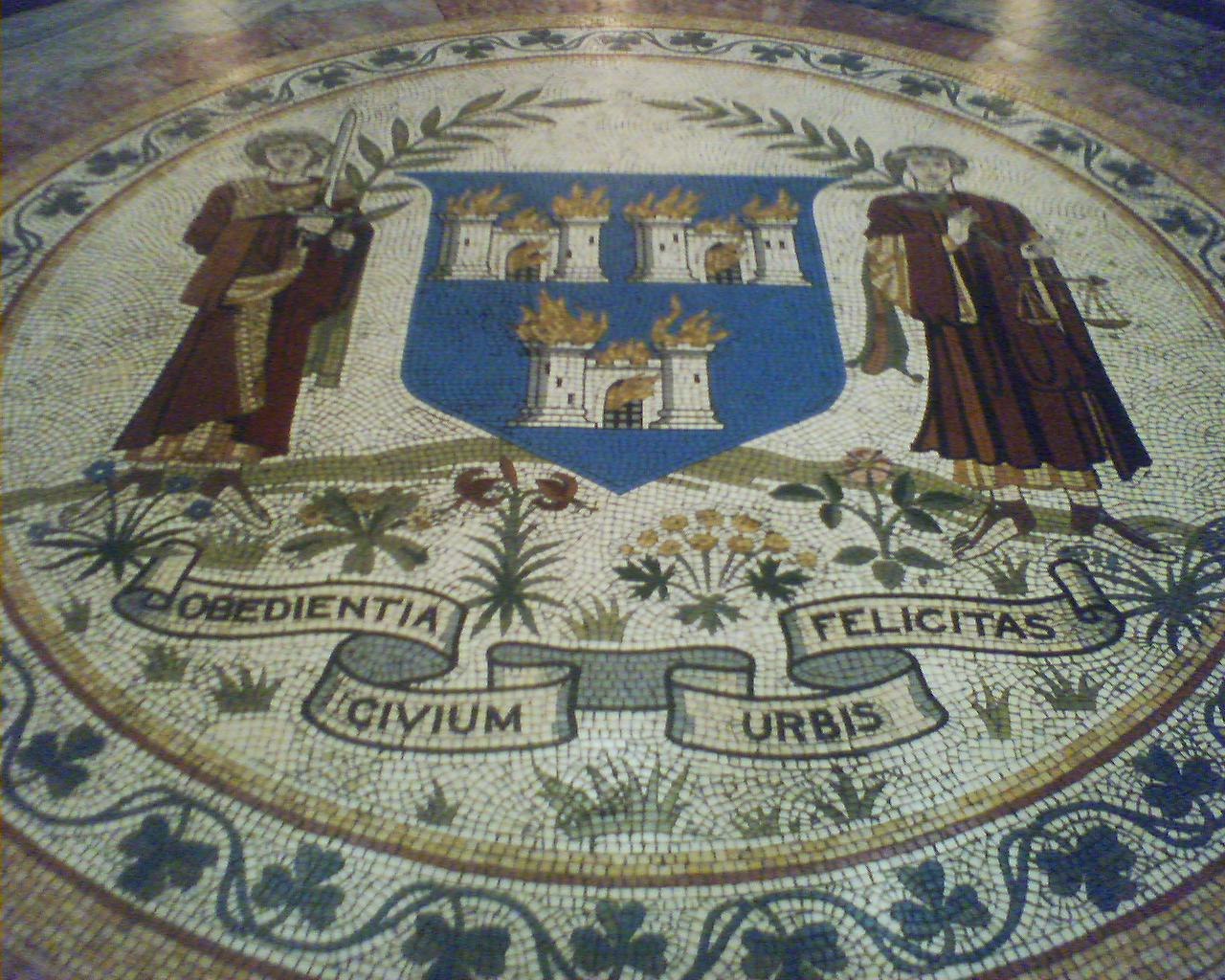
Dublin City Hall
Reviewed by Elena Voss · Roavina Travel Editor
| Monday | 10:00 – 17:00 |
|---|---|
| Tuesday | 10:00 – 17:00 |
| Wednesday | 10:00 – 17:00 |
| Thursday | 10:00 – 17:00 |
| Friday | 10:00 – 17:00 |
| Saturday | 10:00 – 17:00 |
| Sunday | Closed |
Checked 2026-08-31 · Source
Read from the OpenStreetMap access tags; anything not listed has no tag recorded.
Set the group type to family in the planner and the day window contracts to about three quarters of a solo day.
This place is a Attraction. It was established in 1769. It was designed by Thomas Cooley.
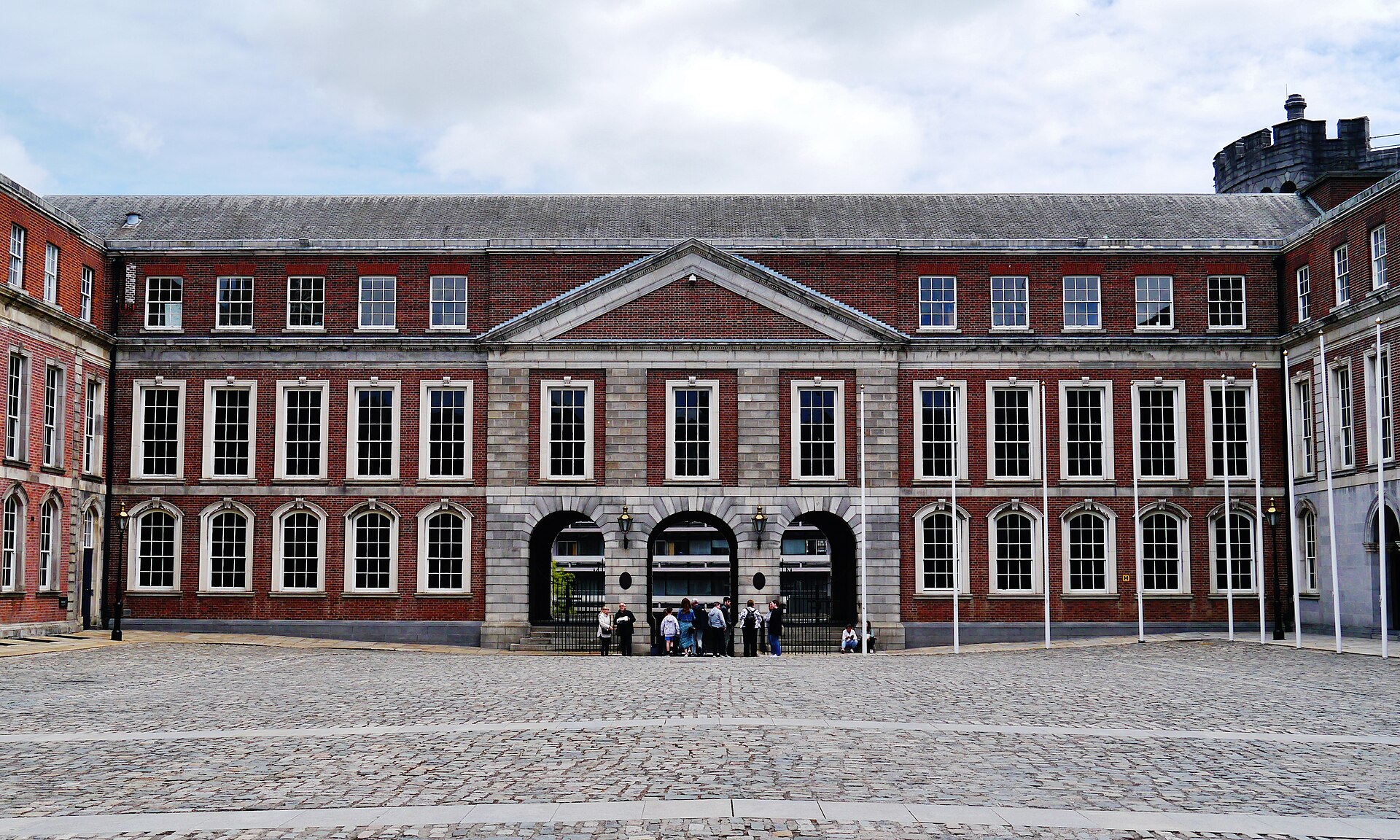
Dublin City Hall is a civic building on Dame Street in Dublin, Ireland. Built in the late 18th century, it originally served as the Royal Exchange before becoming the seat of Dublin Corporation. The building features a neoclassical design with a prominent rotunda and Portland stone facade. It stands at the corner of Dame Street and Parliament Street, near Dublin Castle. The structure represents an important example of Georgian architecture in the city. Monday–Saturday 10:00–17:00; Sunday closed. Also closed on bank holidays and for private events. Weddings and other events may affect public opening hours.
Checked 2026-08-31 · Source
The interior contains a large rotunda space with a dome overhead. The building houses civic functions and has served various municipal purposes. Historical features include architectural details from its construction period. The space has been used for exhibitions and public gatherings. The rotunda's proportions and design elements reflect 18th-century commercial exchange architecture. Visitors should verify current interior access and any displayed collections directly with operators, as interior arrangements may change according to civic requirements. Also closed on bank holidays and for private events. Weddings and other events may affect public opening hours.
Checked 2026-08-31 · Source
A visit duration depends on individual interest in civic architecture and any accessible interior spaces. The exterior examination requires brief observation. Interior exploration, when permitted, may extend the visit. Visitors should allocate time based on personal engagement with historical buildings. Those with strong interest in Georgian architecture may spend longer examining structural details. Casual visitors might complete an exterior viewing relatively quickly. Verify current access policies before planning visit duration. Free general admission to the public entrance hall Monday–Saturday.
Checked 2026-08-31 · Source
Visitors must verify current opening times directly with Dublin City Council or official channels before planning a visit. The building's primary function as a civic facility means public access may be restricted during official business. Holiday closures and special event scheduling remain unverified. Prospective visitors should confirm whether weekend access differs from weekday availability. Monday–Saturday 10:00–17:00; Sunday closed. Accessible toilets are available. A lift operates from the lower ground floor. The Council lists entrances from Dame Street, Castle Street and Barnardo Square but does not designate a step-free street entrance.
Checked 2026-08-31 · Source
The building's status as a civic facility suggests access policies may differ from commercial attractions. Whether admission fees apply for any exhibition spaces or public areas is unverified. Some civic buildings offer free entry for certain areas while charging for specific exhibitions. Visitors must confirm current pricing structures directly with official sources. Free general admission to the public entrance hall Monday–Saturday. Accessible toilets are available. A lift operates from the lower ground floor. The Council lists entrances from Dame Street, Castle Street and Barnardo Square but does not designate a step-free street entrance.
Checked 2026-08-31 · Source
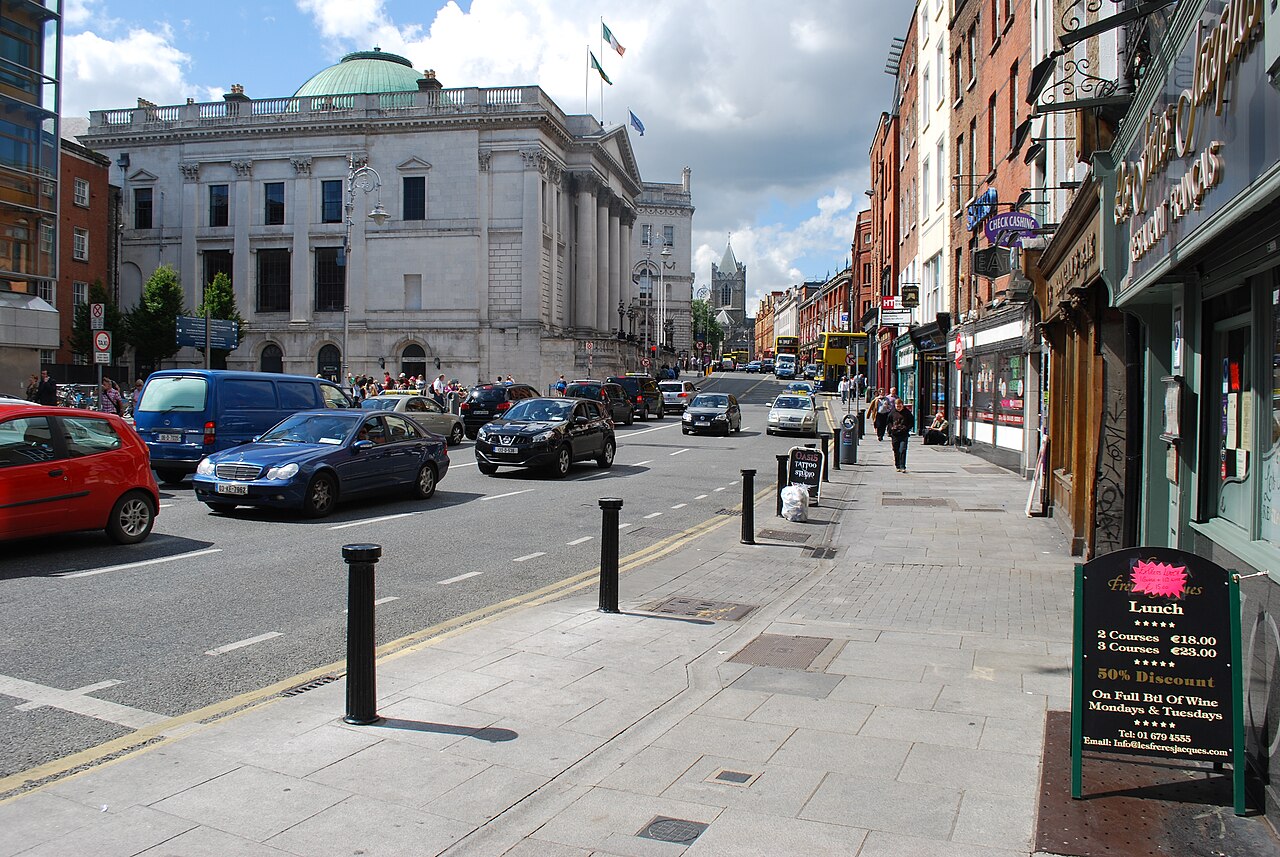
Dublin City Hall occupies a central location on Dame Street, near the junction with Parliament Street. The position places it within walking distance of Temple Bar and Dublin Castle. Multiple bus routes serve the surrounding area. The nearest Luas tram stops require walking. City Hall stands at the junction of Dame Street and Parliament Street. Bus routes 27, 54A, 56A, 77A, 123 and 150 serve the area. For the Red Luas line, use Jervis or Four Courts; for the Green line, use St Stephen’s Green. The named DART stations are Tara Street and Pearse Street. Trinity College Dublin is about a five-minute walk away.
Checked 2026-08-31 · Source
The building functions as an active civic facility, not solely a tourist destination. Visitors may encounter restricted areas due to official business. Security screening is possible. The busy street location requires awareness of traffic and pedestrians. Interior floors may present accessibility challenges given the building's age. Visitors should dress appropriately for a working government building rather than a leisure attraction. Accessible toilets are available. The Council lists entrances from Dame Street, Castle Street and Barnardo Square but does not designate a step-free street entrance. A sensory map is beside the security desk; sensory kits and a quiet space are available on request.
Checked 2026-08-31 · Source
The neoclassical exterior offers photographic subjects including the Portland stone facade, columns, and rotunda dome from street level. Dame Street and Parliament Street angles provide different perspectives. The building's civic function may limit photography opportunities. Early morning or late afternoon light may enhance exterior stone textures. Tripod use on public footpaths may require consideration of pedestrian flow. Respect privacy of individuals entering or exiting the building. A sensory map is beside the security desk; sensory kits and a quiet space are available on request. City Hall is certified as an autism-friendly building by AsIAm.
Checked 2026-08-31 · Source
It opened in 1779 as the Royal Exchange, a trading centre built for Dublin’s Guild of Merchants.
Thomas Cooley designed the building, which was constructed between 1769 and 1779.
Dublin Corporation bought the former Royal Exchange in 1851 and reopened it as City Hall in 1852.
The rotunda contains a stained-glass dome, marble floors, monumental columns, statues and 12 Arts and Crafts murals painted between 1914 and 1919.
Yes. It is Dublin City Council’s headquarters, and the Lord Mayor and councillors meet in its chambers.
The Irish Citizen Army used City Hall as a garrison and hospital; 35 rebels, mostly women, were stationed there under Kathleen Lynn.
Loading the interactive map…
The interactive map could not be loaded.
Last updated:
Source: OpenStreetMap contributors, Wikidata ·