
.jpg)
.jpg)

.jpg)
6 min walk
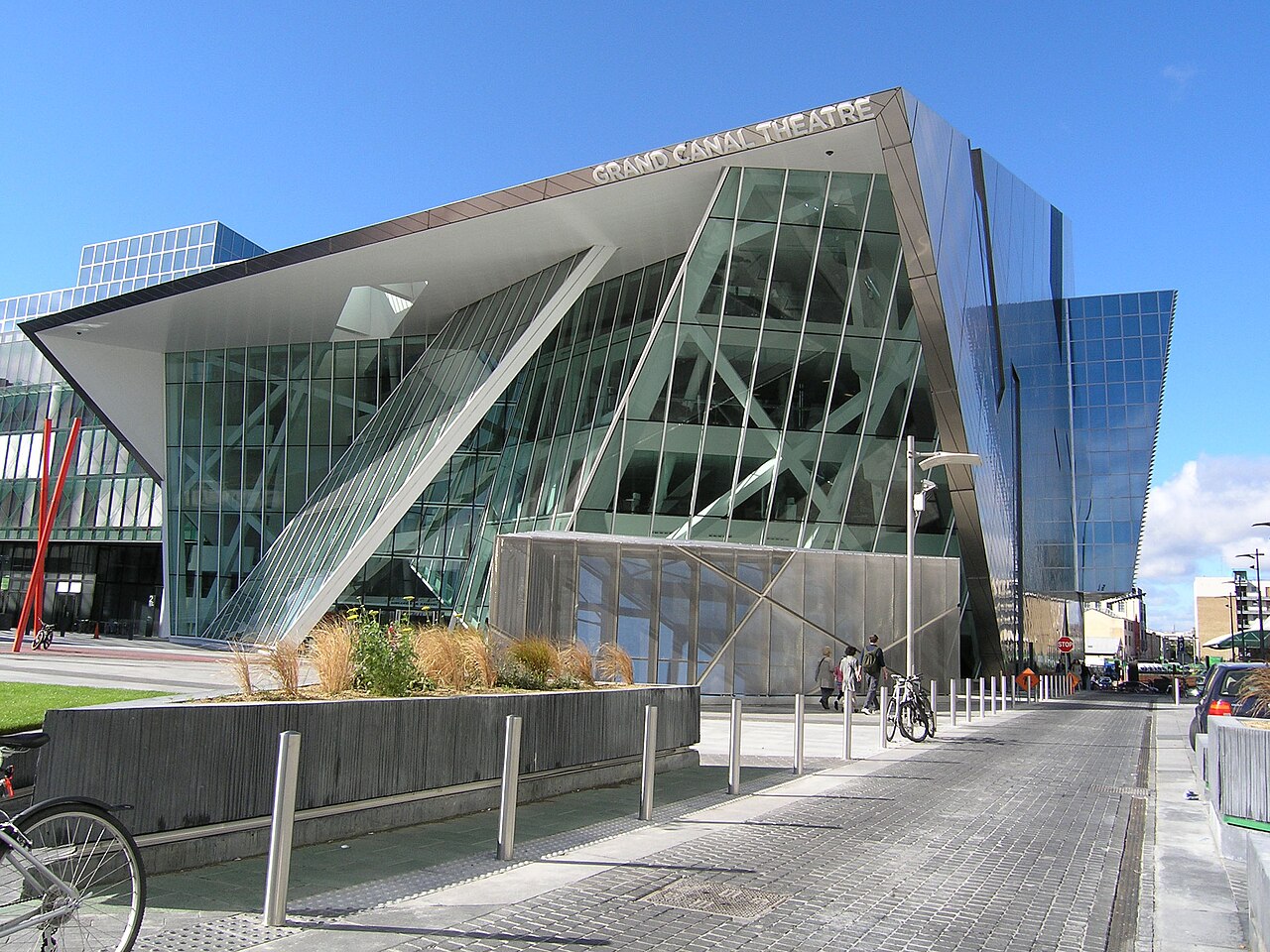
Bord Gáis Energy Theatre
- Notable
- Art and culture venue
Language · 11 published
Historic monument · Dublin
The Convention Centre Dublin
Closed today, Saturday. Next open Monday at 08:30 — the planner will not place a stop here on a Saturday.
Plan around itReviewed by Elena Voss · Roavina Travel Editor
| Monday | 08:30 – 17:00 |
|---|---|
| Tuesday | 08:30 – 17:00 |
| Wednesday | 08:30 – 17:00 |
| Thursday | 08:30 – 17:00 |
| Friday | 08:30 – 16:30 |
| Saturday | Closed |
| Sunday | Closed |
Parsed from OpenStreetMap opening hours on 2026-09-09.
This place is a Attraction. It was established in 2010. It was built in the modern architecture style. It was designed by Kevin Roche.
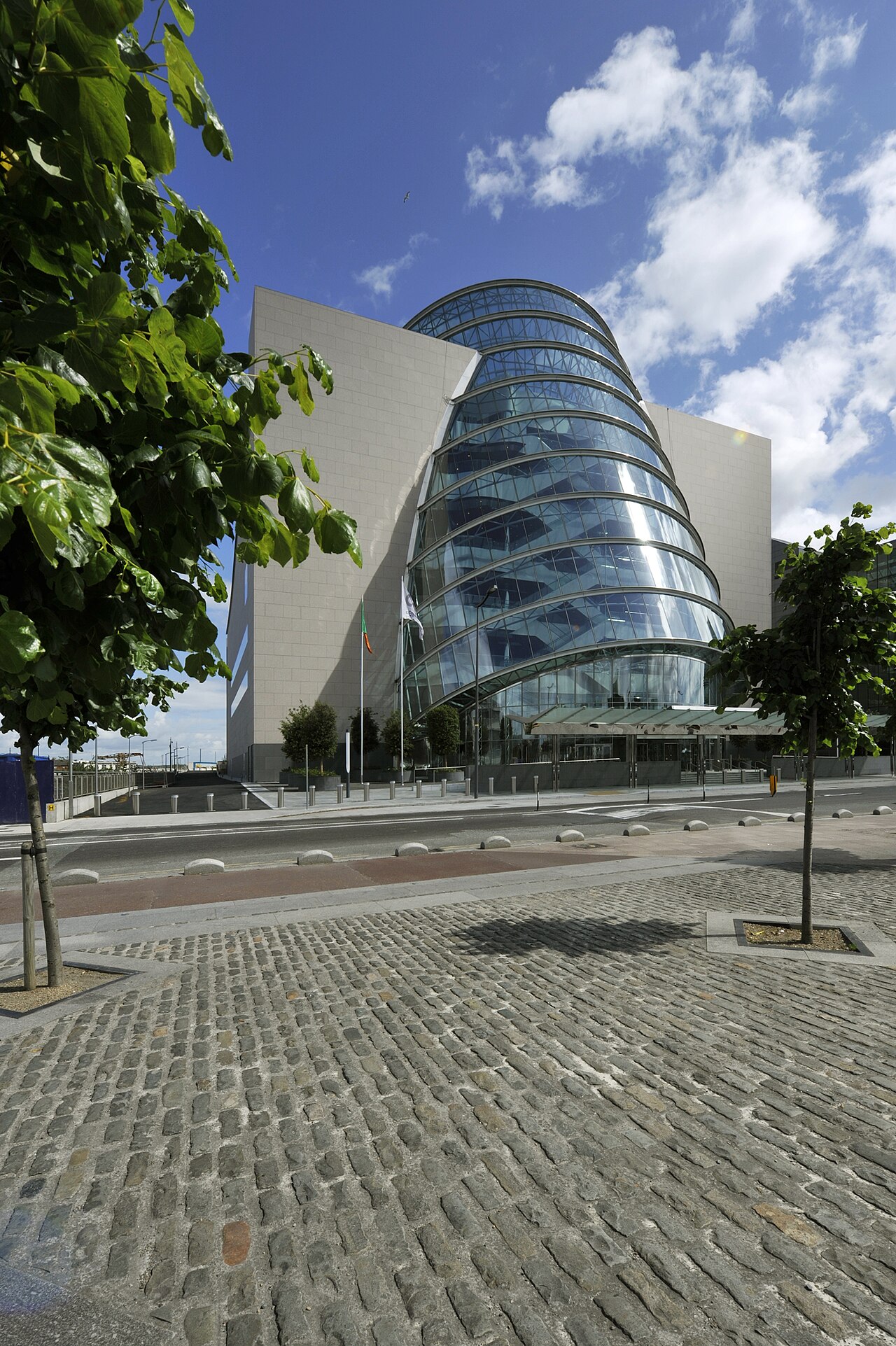
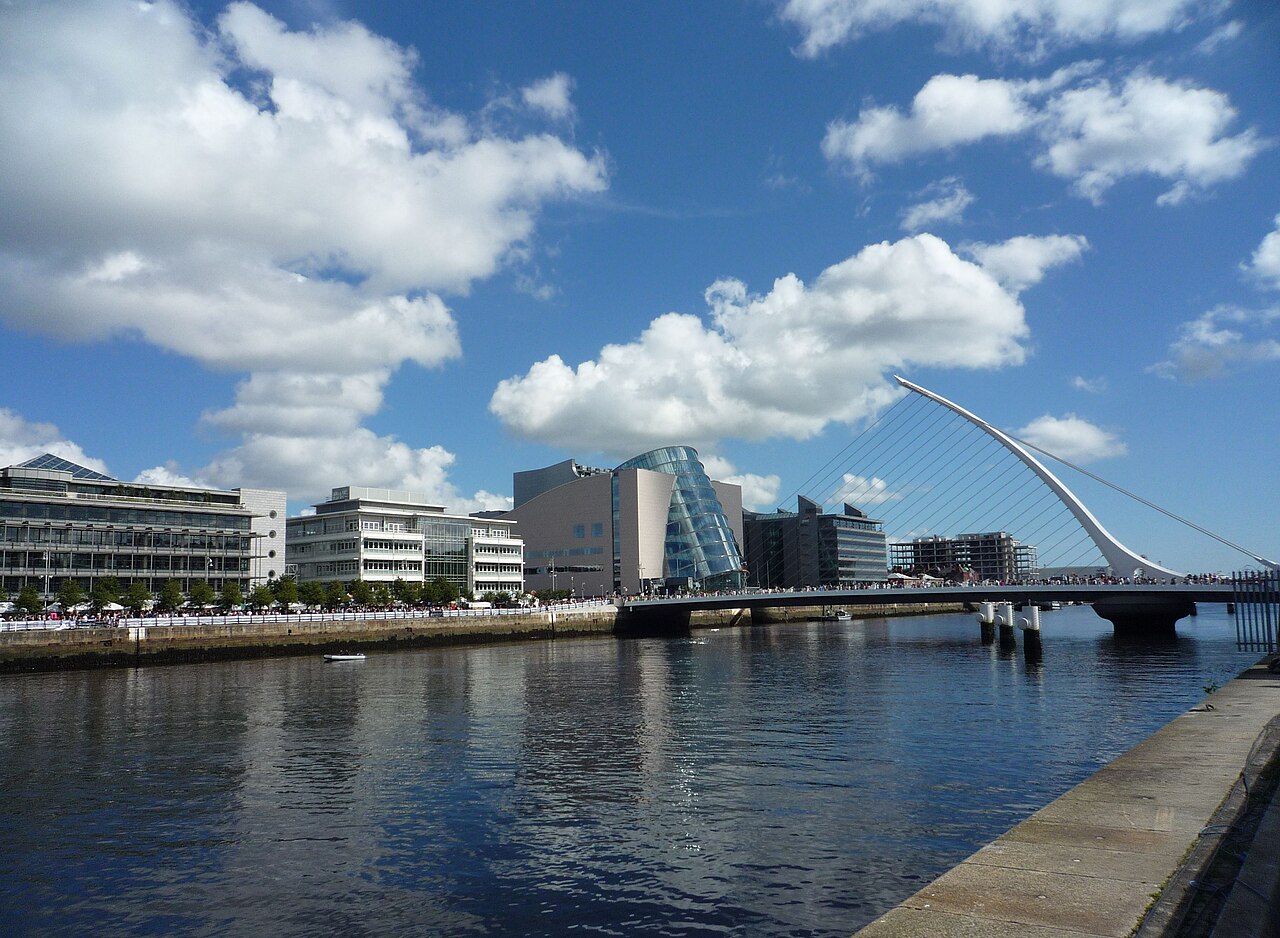
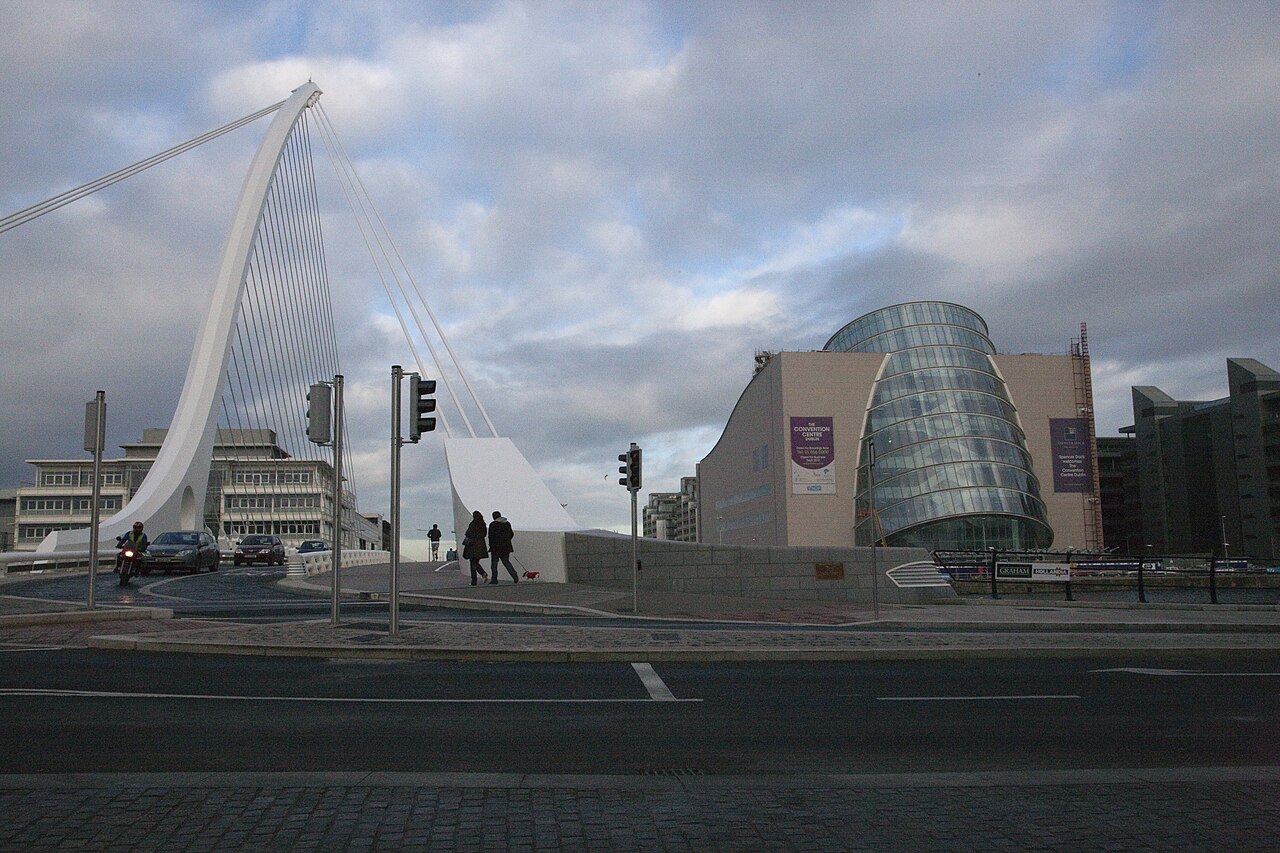
Convention Centre Dublin is a large conference and events venue on North Wall Quay beside the River Liffey in Dublin’s Docklands. The building opened in 2010 and was designed by architect Kevin Roche. Its glass-fronted form and prominent atrium make it one of the Docklands’ recognisable modern landmarks. For travellers, the centre is primarily an event destination: conferences, exhibitions, performances and corporate gatherings shape access and atmosphere. The exterior can also be appreciated as part of a riverside walk through the regenerated Docklands area. The Convention Centre Dublin is a major conference and events venue located on the North Wall Quay in Dublin's Docklands. Opened in 2010, it was designed by architect Kevin Roche. General public access without event registration is not typically available. The building functions primarily as a private events venue.
Checked 2026-08-26 · Source
Inside are event spaces designed for different kinds of gatherings, including a main auditorium, meeting rooms, exhibition areas and an atrium that provides a central meeting point. Technical facilities support presentations, performances and large conferences, while event catering serves registered programmes. The building’s interior experience changes with the event taking place: an exhibition feels different from a formal conference or evening performance. Casual sightseeing inside is not the main purpose of the venue. Visitors entering for an event should follow the signs for registration, halls, meeting rooms or the auditorium.
Checked 2026-08-26 · Source
Time at the centre is determined by the event. A conference can occupy a full day or several days, while an exhibition may need two to four hours. A single performance, ceremony or evening programme can take roughly two to three hours including arrival and departure. Without an event, the exterior is a brief riverside stop rather than a full attraction visit. Build extra time into your plan for registration, finding the correct room and moving through a busy building during a major gathering.
Checked 2026-08-26 · Source
Visit when a specific conference, exhibition, performance or public event brings you to the Docklands. The centre follows its event calendar instead of offering a simple sightseeing routine. Daytime conferences create concentrated pedestrian movement around the quays, while evening events can highlight the illuminated glass exterior. The riverside setting is exposed to Dublin weather, so a walk outside may feel windy or wet. If your event begins at a fixed time, plan to arrive early enough for registration and security procedures.
Checked 2026-08-26 · Source
There is no general sightseeing ticket for Convention Centre Dublin. Entry is connected to the individual event, which may use registration, an invitation or a public ticket. Prices therefore vary between conferences, exhibitions, performances and private functions. Some events include catering or other services as part of registration. Treat the event organiser’s booking arrangement as the entry route. If you are simply exploring the Docklands, enjoy the building from North Wall Quay and combine it with the riverside promenade and nearby modern architecture.
Checked 2026-08-26 · Source
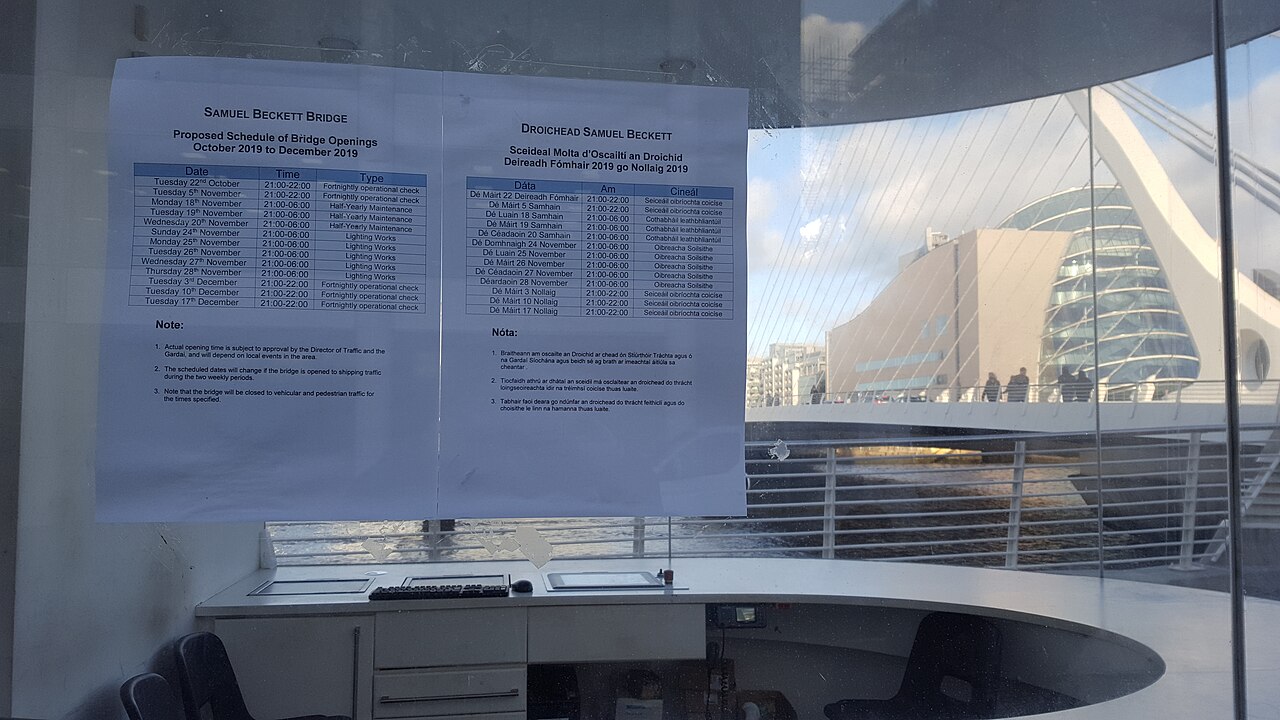
The centre is on North Wall Quay in Dublin’s Docklands, east of the traditional city centre. Luas Red Line stops at Spencer Dock and Mayor Square, both serving the surrounding area. Dublin Bus routes and taxis reach the quayside, while walking from central Dublin offers a straightforward route through the city. The building’s glass frontage makes it easy to identify beside the River Liffey. Parking is less attractive during large events, when traffic and pedestrian movement increase around the venue.
Checked 2026-08-26 · Source
Large events can produce queues, registration delays and busy pedestrian flows around the entrance. Carry the event confirmation and any identification required by the organiser. The Docklands waterfront is exposed to wind and rain, particularly while walking along the quayside. Once inside, use the venue signs because parallel sessions may occupy different floors or rooms. Food and drink may be organised around the event rather than offered as an everyday public restaurant. Construction or changing traffic patterns can affect the surrounding approach.
Checked 2026-08-26 · Source
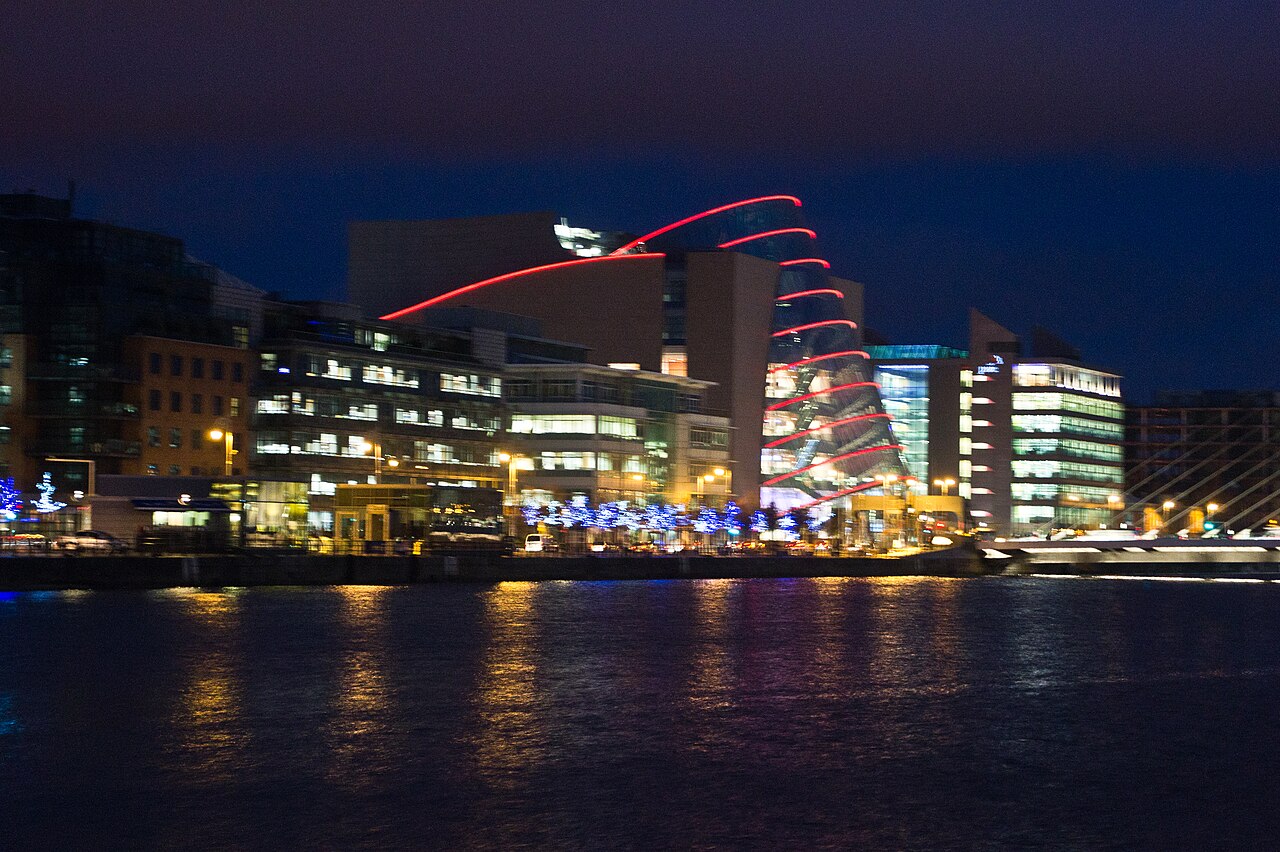
The glass façade and River Liffey setting provide the strongest public photography opportunities. Shoot from North Wall Quay to capture reflections, the atrium form and the relationship between the building and the waterfront. Inside, follow the rules of the event: conferences may restrict recording, while exhibitions or performances may designate areas where photography is permitted. Keep equipment compact in crowded halls, and avoid blocking registration desks or circulation routes. Professional equipment and drone use require appropriate permission and should not be treated as part of an ordinary visitor stop.
Checked 2026-08-26 · Source
It is on North Wall Quay in Dublin’s Docklands, beside the River Liffey and east of the traditional city centre.
The building opened in 2010 and was designed by architect Kevin Roche.
The Luas Red Line serves nearby Spencer Dock and Mayor Square stops.
The centre is principally an event venue, so interior entry is connected to a conference, exhibition, performance or other scheduled programme.
The glass-fronted building, its atrium form, the River Liffey and North Wall Quay create useful exterior subjects from the public riverside setting.
A conference may last a day or more, an exhibition around two to four hours, and a single performance roughly two to three hours.
Loading the interactive map…
The interactive map could not be loaded.
Last updated:
Source: OpenStreetMap contributors, Wikidata ·