


1 min walk
Mill Street House
- Notable
- Historic monument
Language · 11 published
Historic monument · Dublin
Teeling Whiskey Company
Reviewed by Elena Voss · Roavina Travel Editor
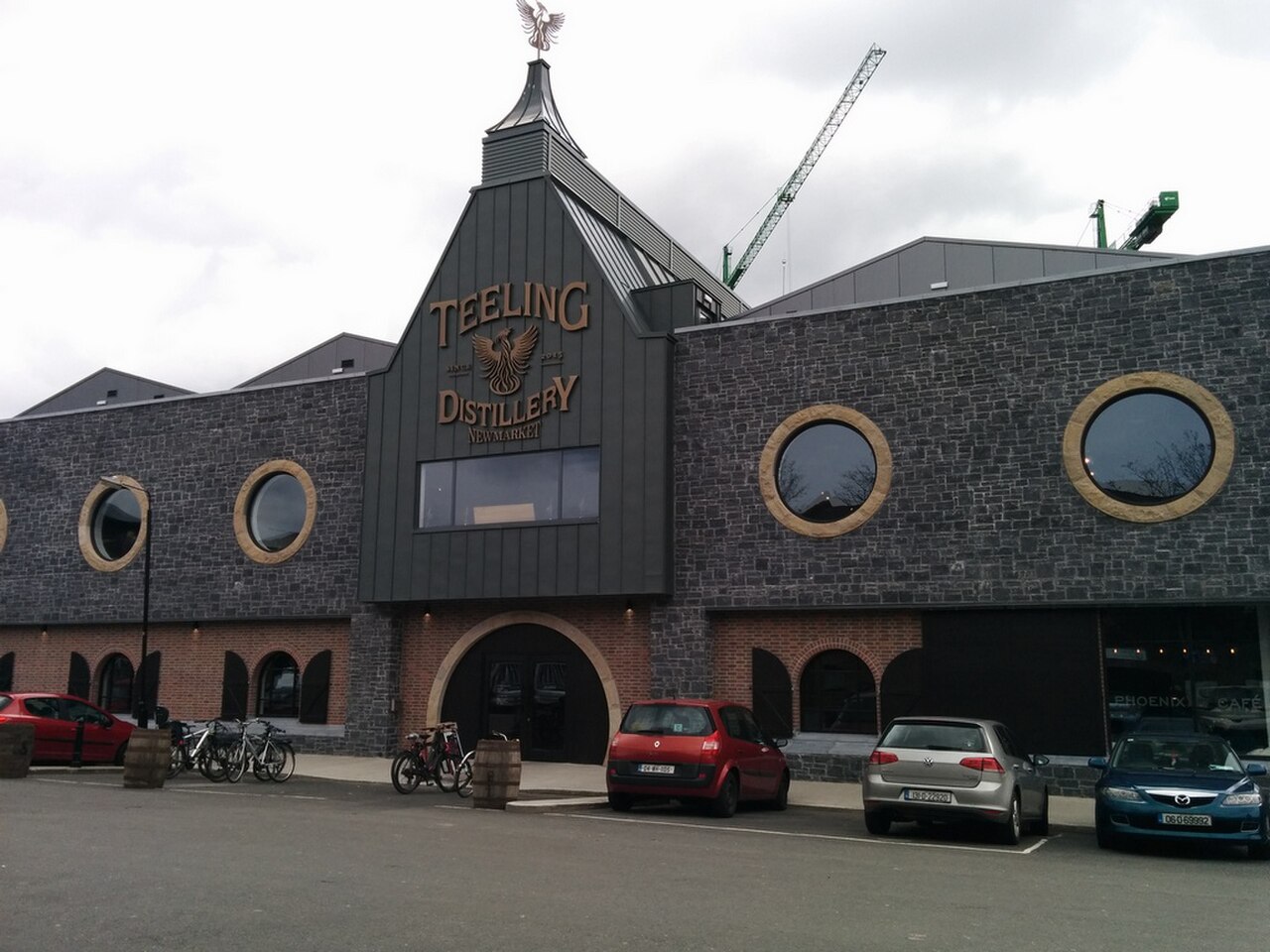
This place is a Attraction. It was established in 2015.
Teeling Distillery is a working whiskey distillery and visitor attraction in Dublin. It connects contemporary Irish whiskey production with the city's long distilling tradition, giving travelers a chance to encounter whiskey making in an active production setting. The distillery is associated with the Teeling Whiskey Company name and offers a cultural stop for visitors interested in Irish craftsmanship, local industry, and the story behind one of Ireland's best-known drinks. It suits travelers who want more than a tasting room: the attraction places the production process at the centre of the visit.
Checked 2026-08-26 · Source
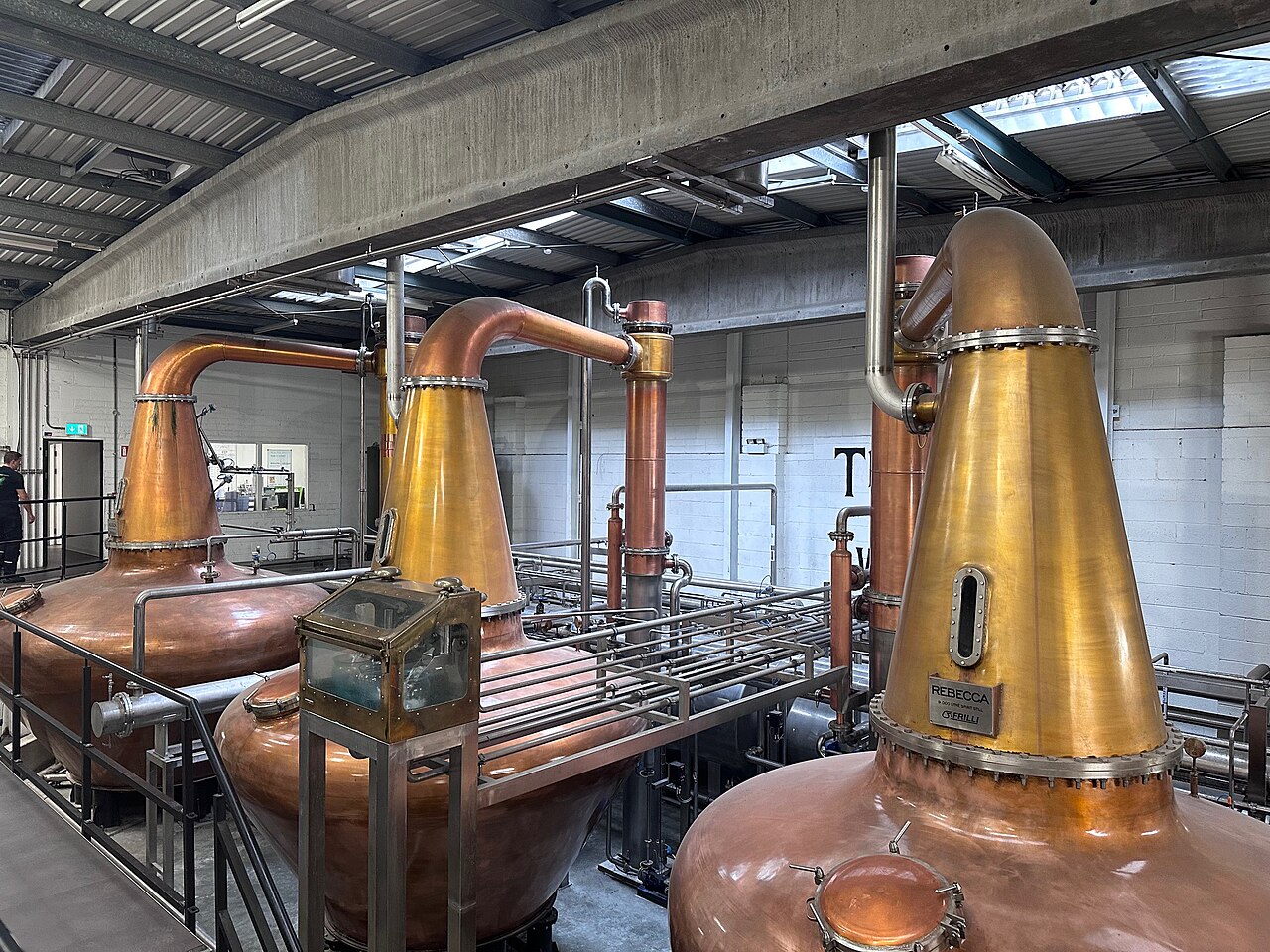
A visit centres on the functional world of whiskey production, including fermentation, distillation, and maturation. These stages help explain how grain, water, yeast, copper stills, and time combine to create Irish whiskey. The distillery also provides visitor-oriented spaces for tours and educational presentations, allowing the production story to be experienced rather than read only from a display. The setting balances industrial character with hospitality, so travelers can move from observing the craft to learning how whiskey develops its flavour and identity. The strongest reason to visit is the connection between working production and guided interpretation.
Checked 2026-08-26 · Source
Plan enough time to take in both the production story and the visitor experience. A distillery visit works best when treated as a dedicated Dublin activity rather than a quick photograph from outside. Allow time to move through the presentation areas, listen to the explanation of fermentation and distillation, and absorb the atmosphere of an active whiskey site. Travelers with a strong interest in spirits may want to linger over the details of maturation and Irish whiskey character. The experience is especially rewarding when you leave room for conversation and tasting-related elements included in the chosen visit.
Checked 2026-08-26 · Source
Teeling Distillery fits naturally into a Dublin day focused on culture, food, and local craft. An indoor distillery setting makes it a useful choice when rain or wind makes a long outdoor itinerary uncomfortable. It can also provide a change of pace after museums, historic streets, or other city-centre sights. Travelers interested in Irish whiskey will gain more from visiting when they have time to follow the production explanation without rushing to another appointment. The attraction belongs in an itinerary that gives local food and drink experiences their own space rather than treating them as a brief add-on.
Checked 2026-08-26 · Source
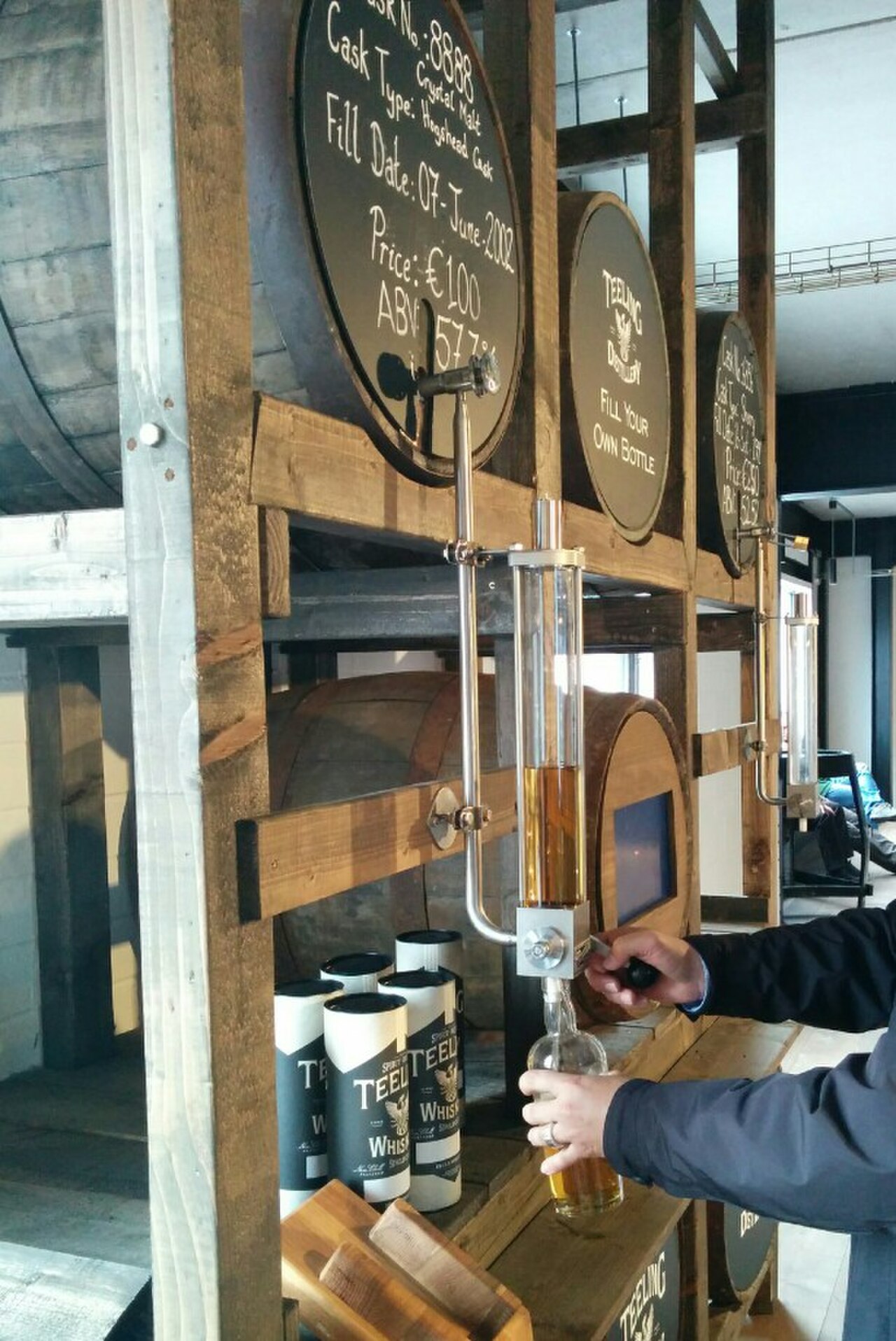
The visit is structured around access to a whiskey production attraction and its visitor experience. Travelers should choose the experience that best matches their interest in production, interpretation, and tasting-related elements. A guided visit offers more context than simply entering a hospitality area because it connects the building, equipment, and whiskey-making stages into one story. Groups should keep the character of the visit in mind: this is a craft and production attraction, not only a place for drinks. The distillery is best enjoyed by adults who want to understand Irish whiskey as well as sample it.
Checked 2026-08-26 · Source
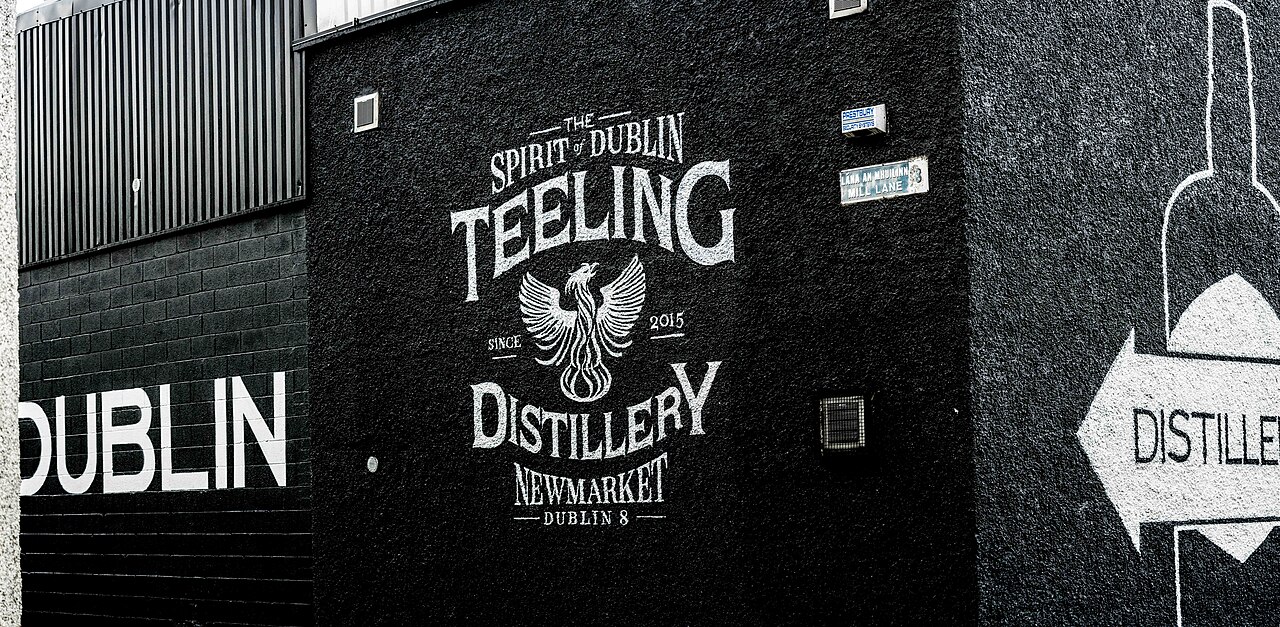
Teeling Distillery is in Dublin, a city served by buses, Luas light rail, suburban rail, walking routes, and cycling connections. Build the visit into a route through the capital rather than treating it as an isolated countryside excursion. Dublin's compact central areas make it practical to combine a distillery visit with nearby cultural and food stops. Use the distillery name as the destination when planning the final approach, and leave a little time for urban navigation. The attraction's city location is part of its appeal: whiskey production can be experienced within Dublin's everyday streets.
Checked 2026-08-26 · Source
A working distillery is an industrial environment, so follow staff directions throughout the visit and stay with the tour group. Floors, stairs, temperature changes, and production equipment can make comfortable footwear useful. Whiskey tasting requires responsible drinking, especially when the distillery visit forms part of a longer day. Travelers should plan their onward journey with alcohol consumption in mind and avoid combining tastings with driving. The production setting rewards attention: listen for the differences between fermentation, distillation, and maturation, since each stage contributes to the finished whiskey.
Checked 2026-08-26 · Source
The distillery offers a strong visual subject for travelers interested in industrial design, whiskey equipment, and the atmosphere of Irish craft production. Photograph the visitor areas and architectural details where permitted, while keeping the tour moving and respecting staff instructions around operational spaces. Images work best when they show the relationship between the working environment and the visitor experience rather than focusing only on bottles. A camera or phone can help preserve the details of the production story, but the explanation and atmosphere are more important than collecting photographs.
Checked 2026-08-26 · Source
Teeling Distillery is known as a working Irish whiskey production site and visitor attraction where travelers can learn about fermentation, distillation, and maturation.
Visitors can learn how whiskey is made through fermentation, distillation, and maturation, while experiencing the setting of an active Dublin distillery.
It is both a working whiskey production site and a visitor attraction, so the experience connects Irish whiskey making with hospitality and interpretation.
It gives travelers a Dublin-based experience of Irish craftsmanship and local industry, with whiskey production at the centre of the visit.
Comfortable footwear is useful because the experience may involve walking through an industrial setting with changing temperatures, floors, and stairs.
Yes. Its indoor production and visitor setting provides a useful cultural activity when Dublin weather makes extended outdoor sightseeing uncomfortable.
Loading the interactive map…
The interactive map could not be loaded.
Last updated:
Source: OpenStreetMap contributors, Wikidata ·