Mill Street House
Mill Street House is a named visitor point in Dublin, on Mill Street south of the River Liffey. The listing places it within the central urban fabric, close to the Liberties and the wider historic city centre.
- Notable
- Historic site
City guide · Ireland
Dublin is a compact capital divided by the River Liffey, with most central sights within a practical walking area. The medieval and Georgian cores sit south of...
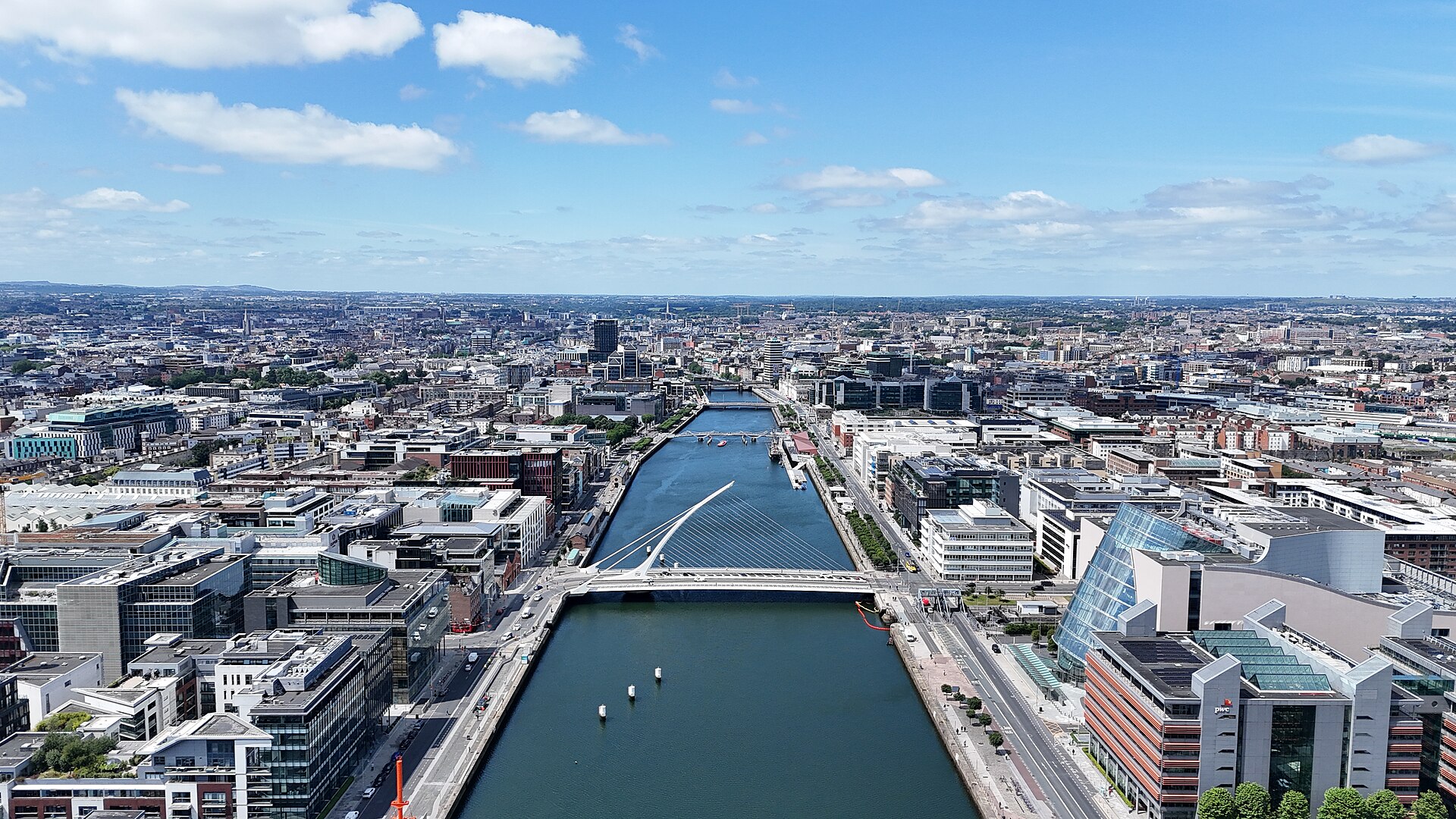
Photograph · 瑞丽江的河水 · CC BY-SA 4.0
Set your days, your pace and the hours you actually want to be out. The planner works around closing days and travel time, and leaves room to eat.
Editorial responsibility: Elena Voss · Roavina Travel Editor
Dublin is a compact capital divided by the River Liffey, with most central sights within a practical walking area. The medieval and Georgian cores sit south of the river, while O’Connell Street and several cultural districts lie north. DART rail opens the coast in both directions, and Luas trams and buses cover trips beyond the centre. Keep the central day on foot and use rail for a dedicated coastal outing.
Checked 2026-08-26
November · November averages 10.3°C by day and 4.5°C by night in Dublin, so cool conditions remain the main constraint on long outdoor days.
Ranked by importance — sitelinks, pageviews and heritage status, not editor preference.
29 places match
Category
Typical visit duration
Good for
Interests
Mill Street House is a named visitor point in Dublin, on Mill Street south of the River Liffey. The listing places it within the central urban fabric, close to the Liberties and the wider historic city centre.
St Assam's Church
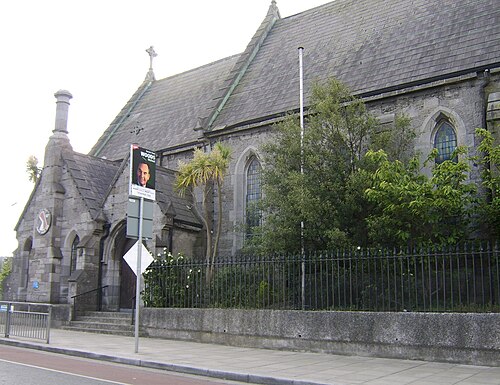
St. Assam's Church is a named church in Dublin and a place of worship within the city. Its principal character is religious and community-oriented, so visitors should approach it as a sacred building rather than as a conventional museum attraction.
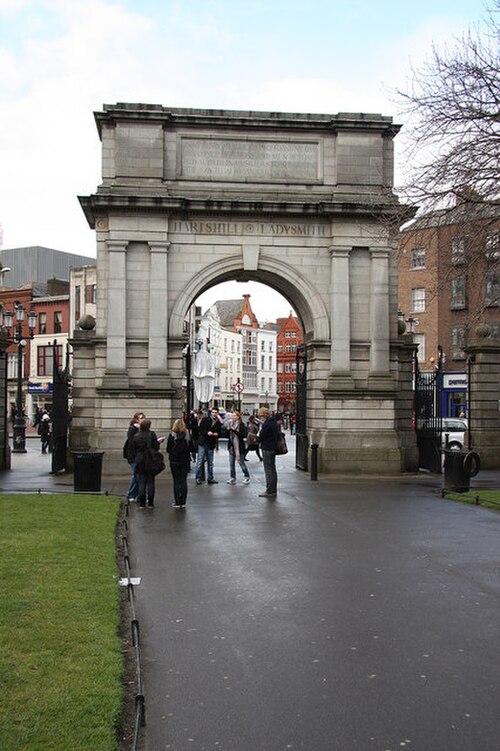
Fusiliers’ Arch is a sandstone memorial gateway at the Grafton Street entrance to St Stephen’s Green in Dublin. It commemorates members of the Royal Dublin Fusiliers who died in the Second Boer War.
The Convention Centre Dublin
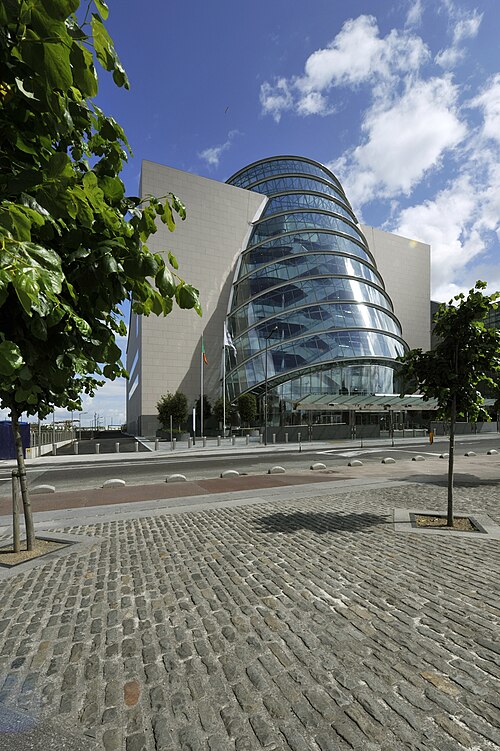
Convention Centre Dublin is a large conference and events venue on North Wall Quay beside the River Liffey in Dublin’s Docklands. The building opened in 2010 and was designed by architect Kevin Roche.
The River Liffey is Dublin’s clearest organising line. South of it, Trinity College, Temple Bar, Dublin Castle, the cathedrals and the Georgian squares form overlapping walking zones. North of it, O’Connell Street, the Custom House and the Docklands lead toward the coast. Phoenix Park lies west of the centre and needs its own transport connection. DART stations extend the visitor map to coastal places such as Howth and Dún Laoghaire without turning them into central stops.
Checked 2026-08-26
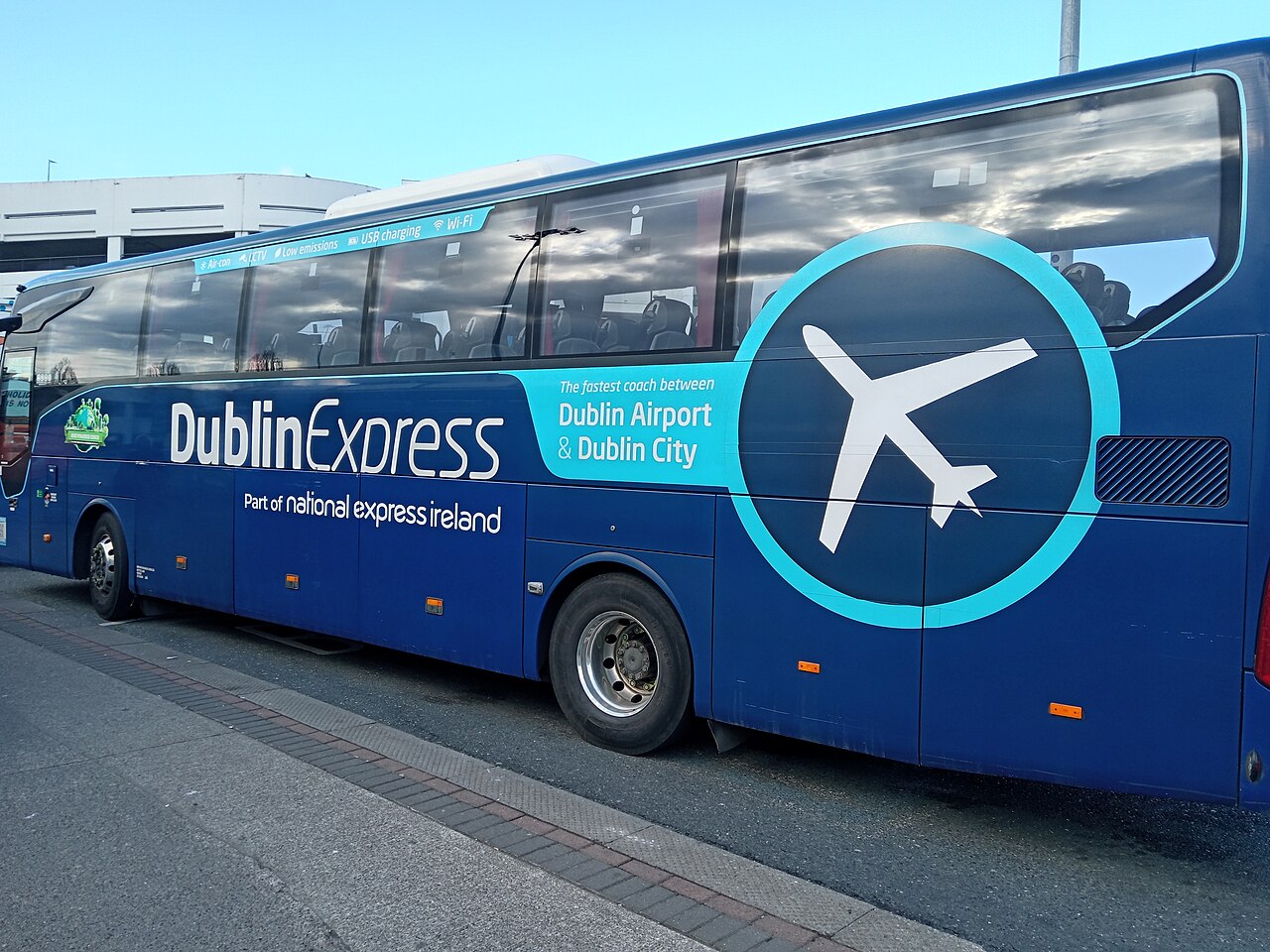
Walk through the central core, then use Dublin Bus, Luas, DART and commuter rail for longer journeys. Transport for Ireland presents these as the main visitor network and provides a combined journey planner. A Leap product can simplify payment across supported services, but route choice still matters because the two Luas lines, coastal DART and city buses serve different corridors. Give coastal destinations a separate half-day rather than combining opposite ends of the DART line.
Checked 2026-08-26
Suggested stay for a first visit: 2–3 days. Add the third day for a DART trip along the coast, Phoenix Park or a less compressed museum route.
May through September offers longer daylight for walking and coastal trips. Dublin can be wet in any season, so a flexible indoor alternative matters more than choosing a supposedly rain-free month.
Yes. Most central sights on both sides of the Liffey fit into connected walking routes. Use public transport for Phoenix Park, farther neighbourhoods and coastal destinations rather than stretching one central itinerary.
Dublin Bus, Luas trams, DART and commuter rail form the main network. Transport for Ireland provides visitor guidance and a journey planner covering these services.
Treat the coast as a separate half-day or day. DART makes places north and south of the city accessible, but combining opposite coastal branches with a full central route creates unnecessary backtracking.