
01
45 min
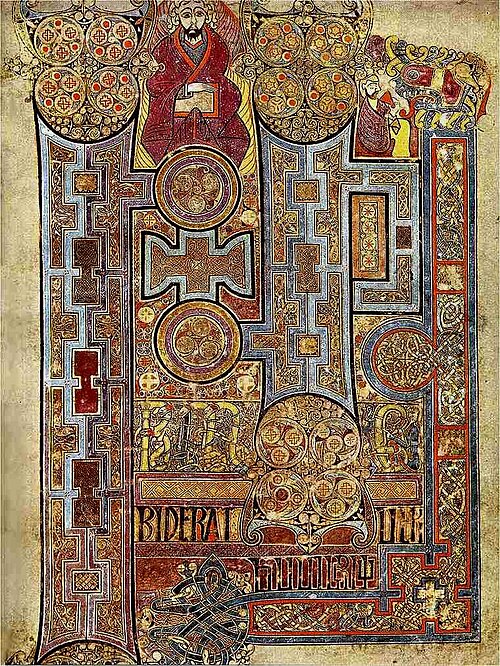
Book of Kells
The Book of Kells is an illuminated manuscript Gospel book in Latin, containing the four Gospels of the New Testament. It is housed at Trinity College Dublin.
- Must see
- Historic site
City guide · Ireland
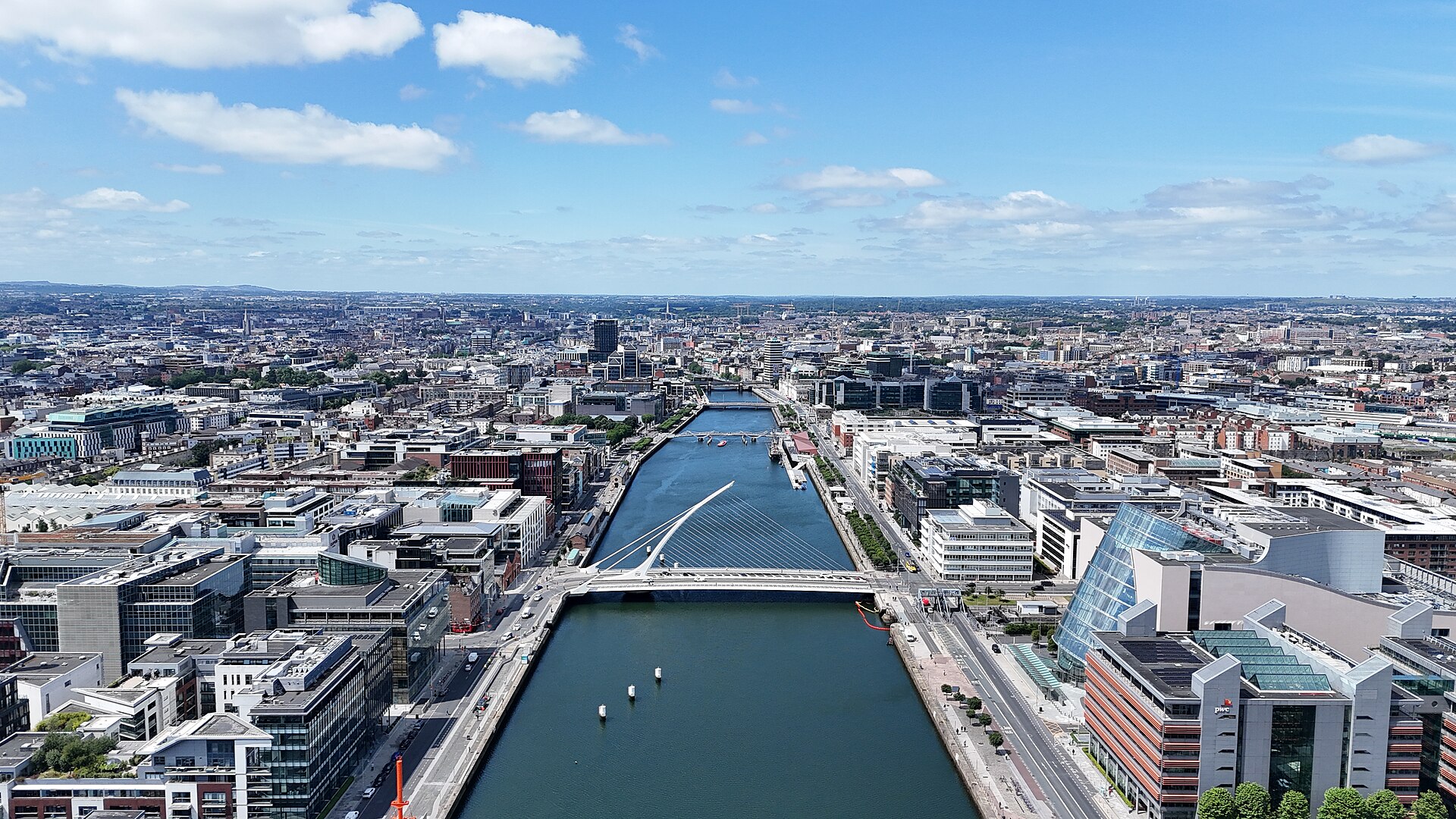
Dublin is a compact capital divided by the River Liffey, with most central sights within a practical walking area. The medieval and Georgian cores sit south of...
Photograph · 瑞丽江的河水 · CC BY-SA 4.0
Set your days, your pace and the hours you actually want to be out. The planner works around closing days and travel time, and leaves room to eat.
Editorial responsibility: Elena Voss · Roavina Travel Editor
Dublin is a compact capital divided by the River Liffey, with most central sights within a practical walking area. The medieval and Georgian cores sit south of the river, while O’Connell Street and several cultural districts lie north. DART rail opens the coast in both directions, and Luas trams and buses cover trips beyond the centre. Keep the central day on foot and use rail for a dedicated coastal outing.
Checked 2026-08-26
November · November averages 10.3°C by day and 4.5°C by night in Dublin, so cool conditions remain the main constraint on long outdoor days.
Ranked by importance — sitelinks, pageviews and heritage status, not editor preference.
79 places match
Category
Typical visit duration
Good for
Interests
The Book of Kells is an illuminated manuscript Gospel book in Latin, containing the four Gospels of the New Testament. It is housed at Trinity College Dublin.
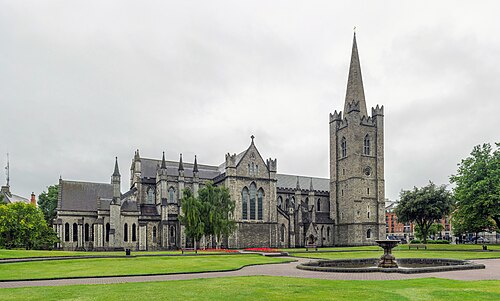
Saint Patrick's Cathedral
Saint Patrick's Cathedral is the local name for St Patrick's Cathedral in Dublin, Ireland. It stands as a significant ecclesiastical building in the capital, associated with Ireland's patron saint.
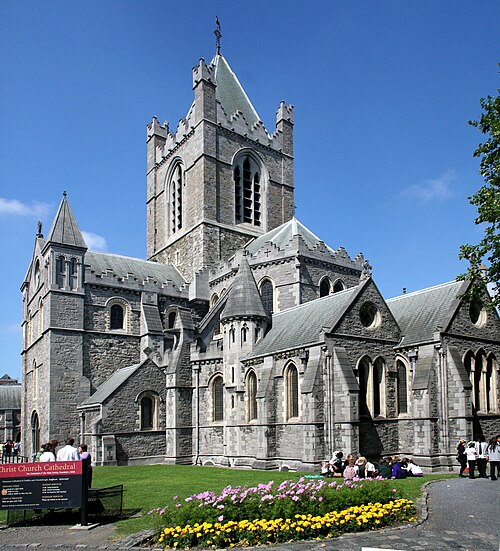
Christ Church Cathedral is a historic cathedral in Dublin, serving as both a place of worship and a landmark of architectural significance. Founded in the medieval period, it stands as one of the city's two medieval cathedrals.
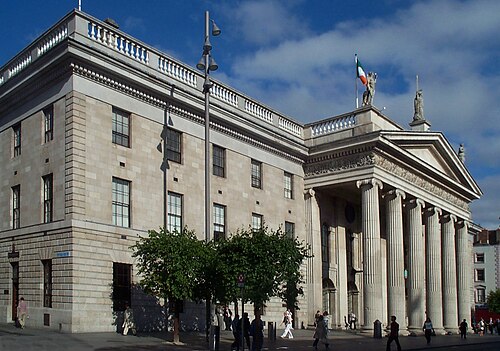
The General Post Office stands on O'Connell Street in Dublin as one of Ireland's most recognisable civic buildings. Designed by Francis Johnston and completed in 1818, it serves as the headquarters of An Post, the Irish postal service.
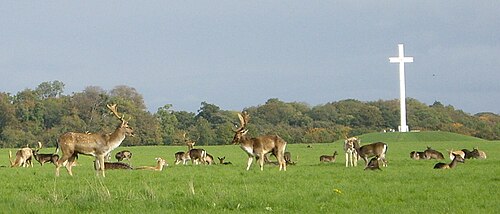
Phoenix Park is a large public park located west of Dublin city centre. It is one of the largest enclosed recreational spaces within any European capital city.
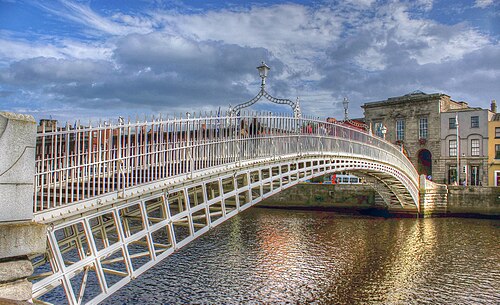
Ha'penny Bridge is a historic pedestrian bridge spanning the River Liffey in Dublin city centre. Open continuously, daily. This is an active public pedestrian crossing rather than a staffed attraction; it has no routine closure day or visitor-hours schedule.
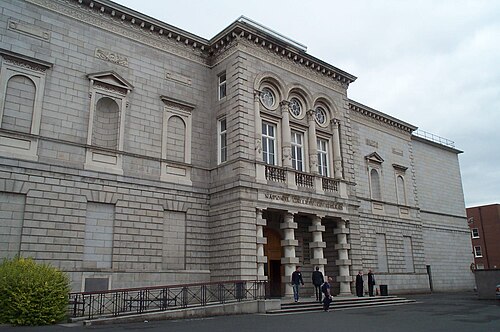
The National Gallery of Ireland is a major public art museum located in Dublin. It occupies a prominent position in the city centre, near Merrion Square.
The Spire of Dublin, also called the Millennium Spire or the Monument of Light, is a stainless steel, pin-like monument 120 metres high on O'Connell Street, Dublin's main thoroughfare.
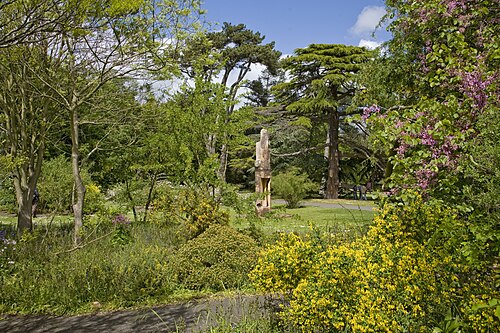
The National Botanic Gardens in Dublin is a botanical garden and scientific institution located in Glasnevin. Established in 1795, it serves as a centre for botanical research and conservation in Ireland.
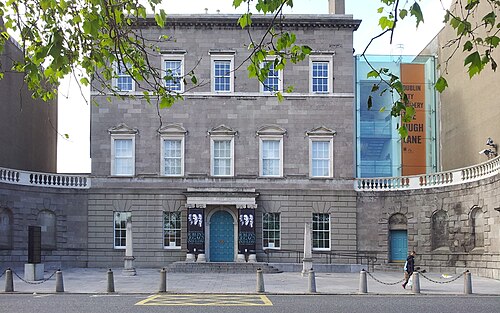
The Hugh Lane Gallery is a municipal art gallery in Dublin, Ireland. Established through a bequest from Sir Hugh Lane, who perished aboard the RMS Lusitania in 1915, the institution occupies a purpose-built structure on Parnell Square North.
The Presidential Residence
Áras an Uachtaráin, formerly the Viceregal Lodge, is the official residence and principal workplace of the President of Ireland. The estate lies off Chesterfield Avenue in the Phoenix Park in Dublin.
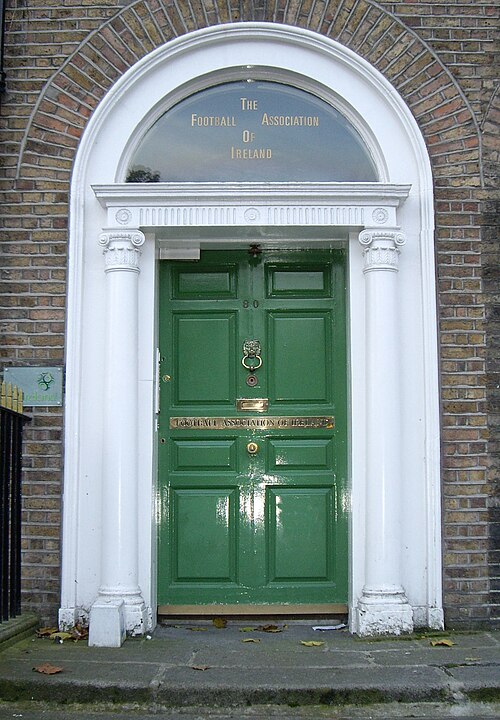
Merrion Square Park
Merrion Square is a Georgian garden square in Dublin, Ireland, with a public park at its centre known as Merrion Square Park.
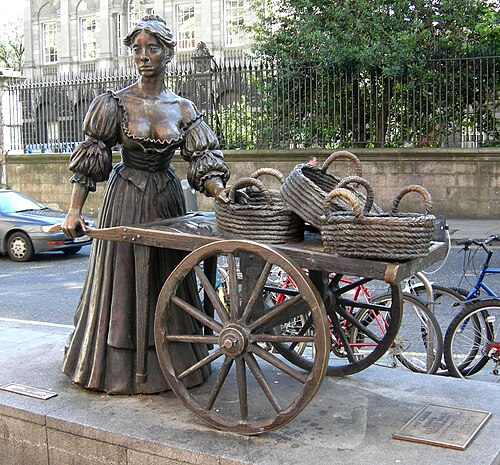
Molly Malone is a bronze statue located on Suffolk Street in Dublin city centre.
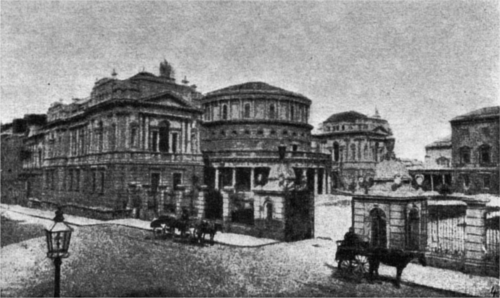
The National Library of Ireland is a cultural institution on Kildare Street in Dublin. It serves as the country's principal repository for Irish documentary heritage, holding extensive collections of books, manuscripts, newspapers, and visual materials.
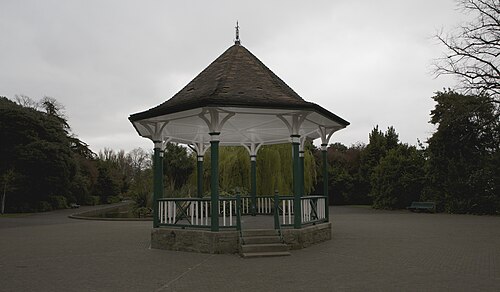
Herbert Park is a public park in Ballsbridge, south of Dublin city centre, named after Sidney Herbert, 1st Baron Herbert of Lea. It combines open lawns, tree-lined paths and spaces used for outdoor recreation.
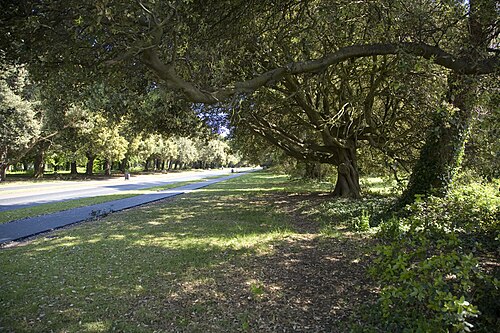
St Anne's Park
Saint Anne's Park is a large public park in Raheny on Dublin's northside. Its grounds were once part of the estate associated with Saint Anne's House, which has been demolished.
The Mansion House is a house on Dawson Street in Dublin that has been the official residence of the Lord Mayor of Dublin since 1715; it was also the meeting place of Dáil Éireann from 1919 until 1922.
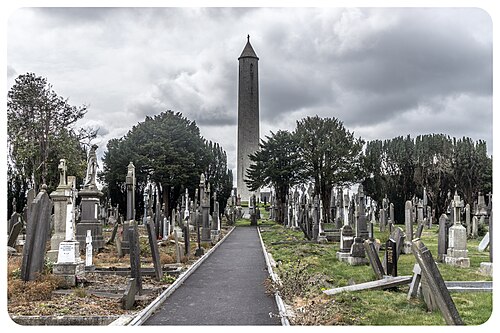
Glasnevin Cemetery is a historic burial ground located in Dublin, Ireland. Established in 1832, it serves as the final resting place for many prominent Irish historical figures.
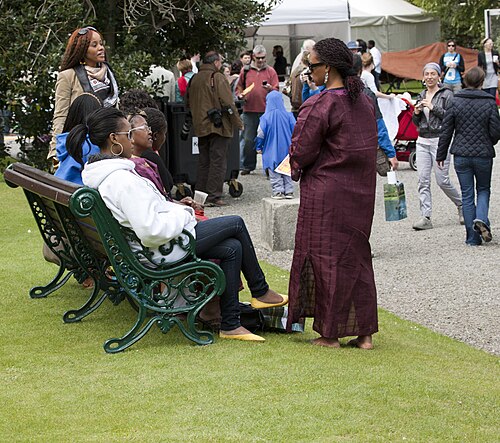
Iveagh Gardens is a public park located in Dublin, Ireland. The gardens were originally designed in the 19th century and are known for their Victorian landscape design.
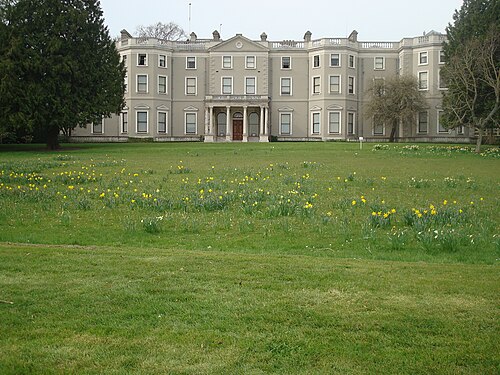
Farmleigh is a historic estate and official Irish State guest house located in the Phoenix Park area of Dublin. The property serves as a venue for state functions and is also open to public visitors.
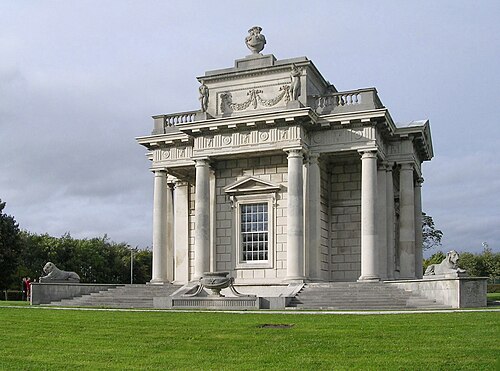
The Casino at Marino is a small pleasure house located in the northern suburbs of Dublin, Ireland.
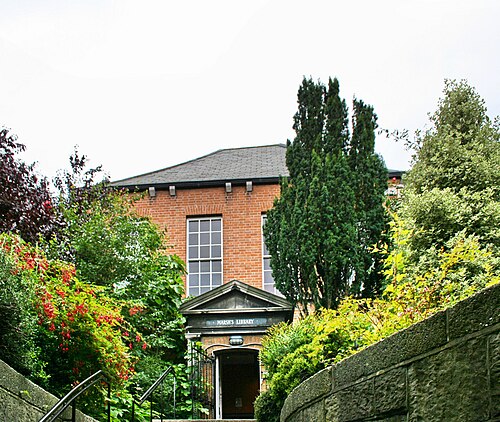
Marsh’s Library is an early eighteenth-century library beside St Patrick’s Cathedral in Dublin. Archbishop Narcissus Marsh founded it as the first public library in Ireland, intended to provide a place of study for anyone able to read.
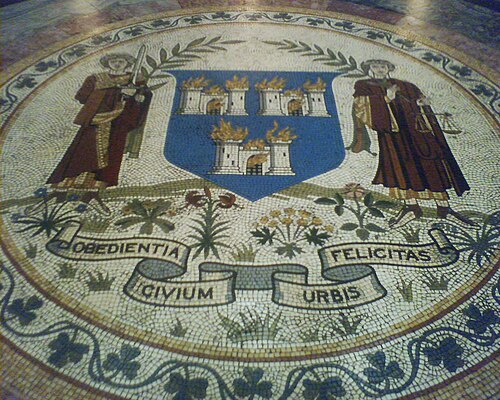
Dublin City Hall
Dublin City Hall is a civic building on Dame Street in Dublin, Ireland. Built in the late 18th century, it originally served as the Royal Exchange before becoming the seat of Dublin Corporation.
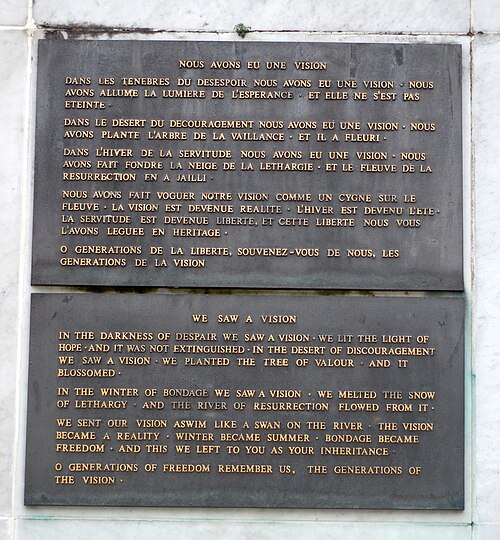
Garden Of Remembrance
The Garden of Remembrance is a memorial garden in Dublin dedicated to those who gave their lives in the cause of Irish freedom.
The River Liffey is Dublin’s clearest organising line. South of it, Trinity College, Temple Bar, Dublin Castle, the cathedrals and the Georgian squares form overlapping walking zones. North of it, O’Connell Street, the Custom House and the Docklands lead toward the coast. Phoenix Park lies west of the centre and needs its own transport connection. DART stations extend the visitor map to coastal places such as Howth and Dún Laoghaire without turning them into central stops.
Checked 2026-08-26
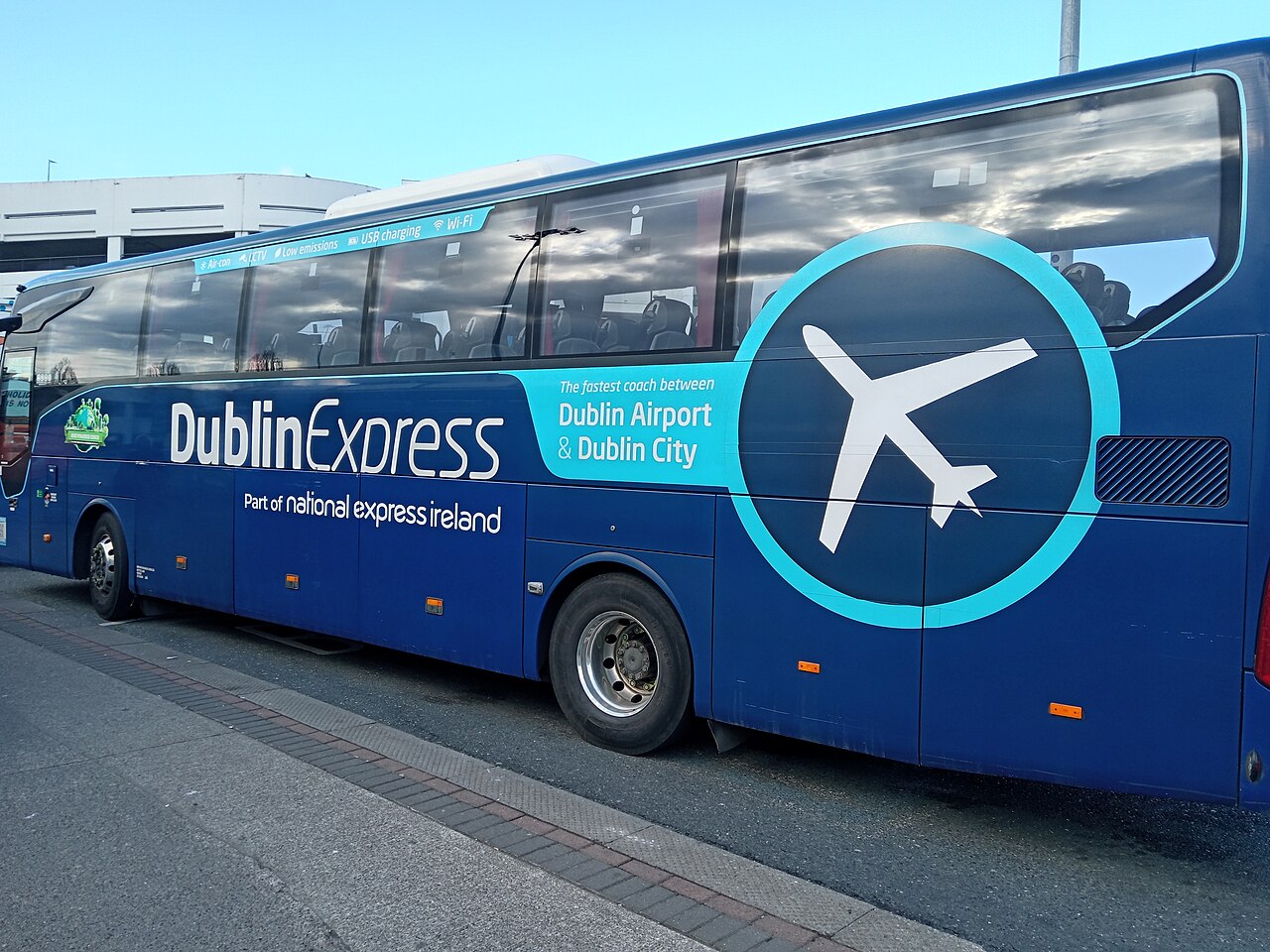
Walk through the central core, then use Dublin Bus, Luas, DART and commuter rail for longer journeys. Transport for Ireland presents these as the main visitor network and provides a combined journey planner. A Leap product can simplify payment across supported services, but route choice still matters because the two Luas lines, coastal DART and city buses serve different corridors. Give coastal destinations a separate half-day rather than combining opposite ends of the DART line.
Checked 2026-08-26
Suggested stay for a first visit: 2–3 days. Add the third day for a DART trip along the coast, Phoenix Park or a less compressed museum route.
May through September offers longer daylight for walking and coastal trips. Dublin can be wet in any season, so a flexible indoor alternative matters more than choosing a supposedly rain-free month.
Yes. Most central sights on both sides of the Liffey fit into connected walking routes. Use public transport for Phoenix Park, farther neighbourhoods and coastal destinations rather than stretching one central itinerary.
Dublin Bus, Luas trams, DART and commuter rail form the main network. Transport for Ireland provides visitor guidance and a journey planner covering these services.
Treat the coast as a separate half-day or day. DART makes places north and south of the city accessible, but combining opposite coastal branches with a full central route creates unnecessary backtracking.

