
2 min walk
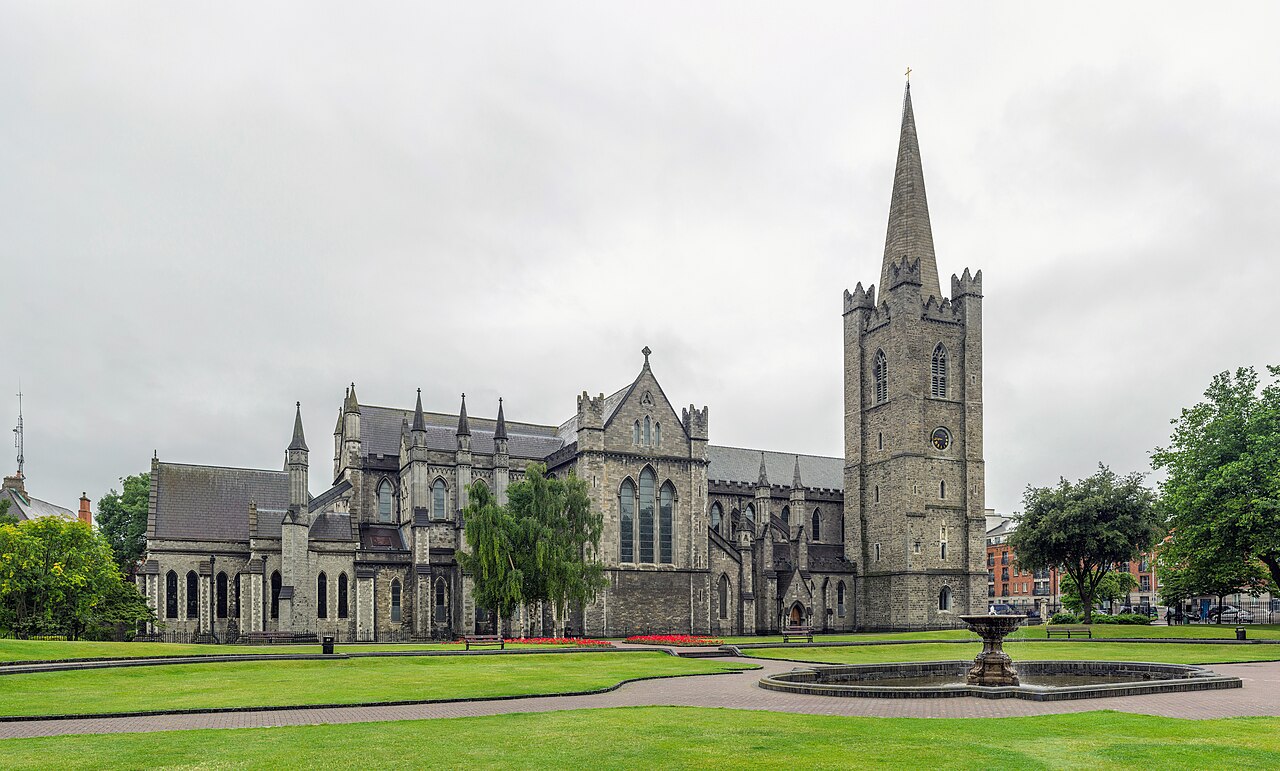
St Patrick's Cathedral
- Must see
- Place of worship
Language · 11 published
Historic monument · Dublin
Reviewed by Elena Voss · Roavina Travel Editor
| Monday | Closed |
|---|---|
| Tuesday | 09:30 – 17:00 |
| Tuesday |
Closed
Valid 2026-09-08 – 2026-09-08 |
| Tuesday |
09:30 – 17:00
Valid 2026-09-22 – 2026-09-22 |
| Wednesday | 09:30 – 17:00 |
| Wednesday |
Closed
Valid 2026-09-09 – 2026-09-09 |
| Thursday | 09:30 – 17:00 |
| Thursday |
Closed
Valid 2026-09-10 – 2026-09-10 |
| Friday | 09:30 – 17:00 |
| Friday |
Closed
Valid 2026-09-11 – 2026-09-11 |
| Friday |
09:30 – 17:00
Valid 2026-09-25 – 2026-09-25 |
| Saturday | 10:00 – 17:00 |
| Saturday |
Closed
Valid 2026-09-12 – 2026-09-12 |
| Sunday | Closed |
Closed to visitors between 15:00 – 16:00 · Valid 2026-09-22 – 2026-09-22
Closed to visitors between 14:00 – 15:00 · Valid 2026-09-25 – 2026-09-25
Checked 2026-09-07 · Source
Read from the OpenStreetMap access tags; anything not listed has no tag recorded.
Set the group type to family in the planner and the day window contracts to about three quarters of a solo day.
This place is a Attraction. It was established in 1707. It was designed by William Robinson.
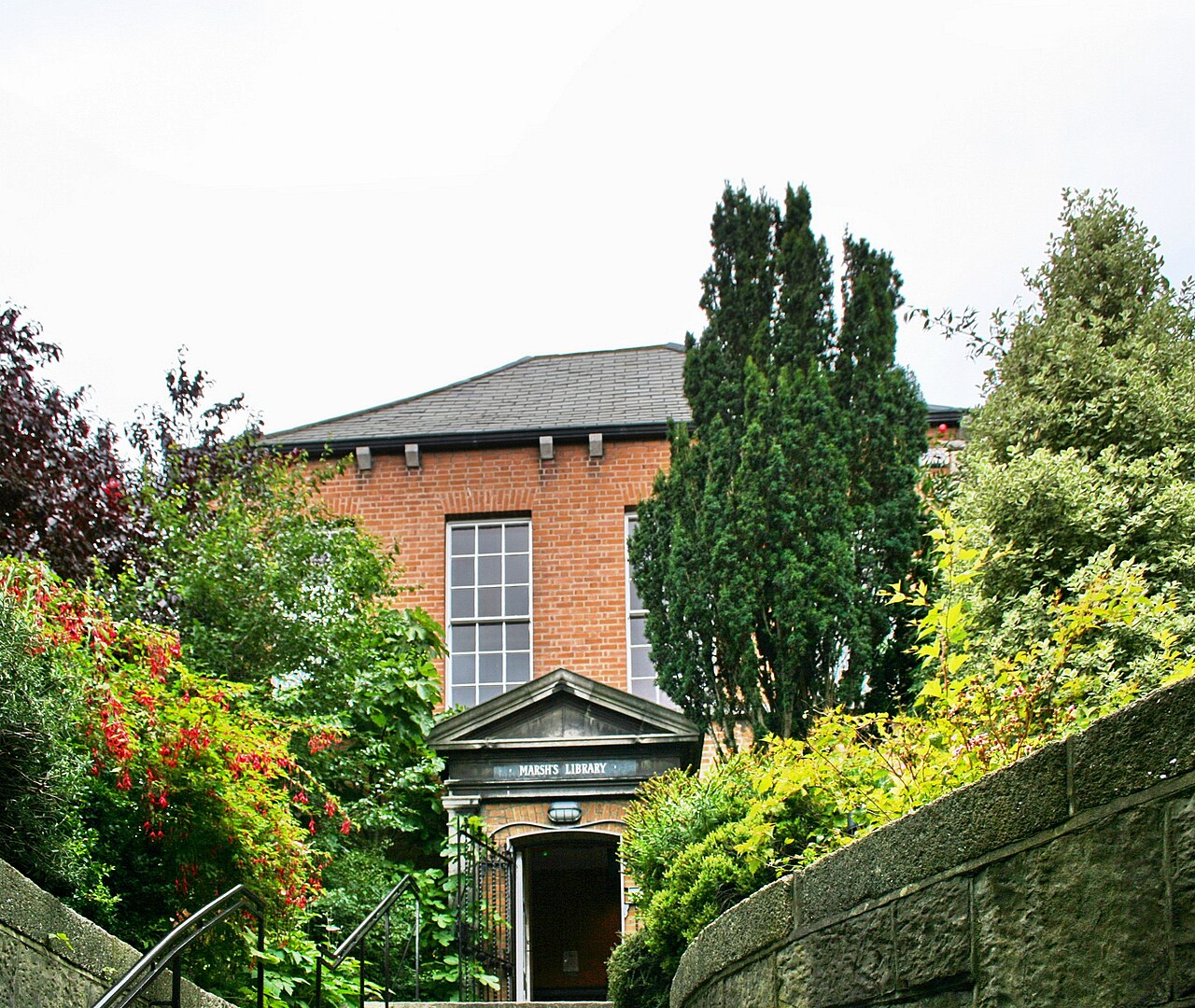
Marsh’s Library is an early eighteenth-century library beside St Patrick’s Cathedral in Dublin. Archbishop Narcissus Marsh founded it as the first public library in Ireland, intended to provide a place of study for anyone able to read. An Act of the Irish parliament established the institution in 1707, and the Library still operates under that Act with later amendments. It is both a visitor attraction and a working research library, not a modern lending branch. The historic building, original galleries and collections form one institution, while research appointments follow separate Reading Room arrangements.
Checked 2026-09-07 · Source
The visitor route passes through the First Gallery, Old Reading Room, Second Gallery and the three wire-fronted alcoves known as the cages. The original oak bookcases have held books in the same places for more than three centuries. The First Gallery contains Edward Stillingfleet’s collection, with strengths in history, law, politics, classical studies and science. The Old Reading Room holds books that belonged to the first Keeper, Élie Bouhéreau, while the Second Gallery contains the collections of Narcissus Marsh and John Stearne. Exhibition cases show selected books, but the historic shelves are not a modern browsing collection.
Checked 2026-09-07 · Source
Marsh’s Library does not publish a standard duration for an individual visit. The ordinary route is self-guided: staff explain what to look for, visitors receive a leaflet and then move through the exhibition and galleries at their own pace. That makes a fixed forty-five-minute or one-hour promise unsupported. Allow time according to how closely you want to read the displays, examine the historic interior and ask questions of the staff in the galleries. The operator presents the garden and gift shop as later parts of the same visit, but still does not turn the route into a timed circuit.
Checked 2026-09-07 · Source
Regular visitor hours are 09:30–17:00 Tuesday to Friday and 10:00–17:00 on Saturday; the Library is closed on Sunday and bank holidays. The operator currently announces additional full closures on 8–12 September 2026, plus temporary closures from 15:00 to 16:00 on 22 September and from 14:00 to 15:00 on 25 September. These exceptions matter more than a generic weekly timetable, so check the Library’s visit page immediately before travelling. The institution states that any other necessary closure will be announced on its website and social channels with as much notice as possible.
Checked 2026-09-07 · Source
A standard self-guided ticket currently costs €8, while students and seniors pay €6. Individual visitors under 18 and people receiving social welfare enter free; organised groups of under-18s are charged €3 per person. The operator also sells a discounted joint ticket with St Patrick’s Cathedral. Advance booking is available but optional, because visitors may pay at the door on the day. Groups of more than eight people, including school groups, must contact the Library rather than use the ordinary individual booking flow. Research consultation is separate from this visitor admission and follows the Reading Room’s own arrangements.
Checked 2026-09-07 · Source
The visitor address is St Patrick’s Close, Dublin, D08 FK79, beside St Patrick’s Cathedral. The Library describes the location as a short walk from Dublin city centre’s main shopping areas and notes that most hop-on hop-off buses pass the door. Use the institution’s exact name and postcode, because Marsh’s Library is entered from St Patrick’s Close rather than through the cathedral. The public galleries are upstairs inside a protected historic building, so reaching the address and reaching the visitor route are not the same accessibility question. Anyone who needs assistance should contact the Library before arrival.
Checked 2026-09-07 · Source
The public galleries are not wheelchair accessible. The approach includes 17 outdoor steps to the main entrance, then three more steps and a 22-step staircase to the galleries; the usual exit uses a 17-step spiral staircase, although visitors may return by the entrance staircase. The operator’s current accessibility notice also says ongoing works prevent access to the ground-floor facilities and Reading Room. That temporary restriction should not be softened into a general accessibility claim based on the ground-floor toilet or garden. Contact the Library in advance about mobility needs, prams or assistance, and confirm whether the works still affect the visit date.
Checked 2026-09-07 · Source
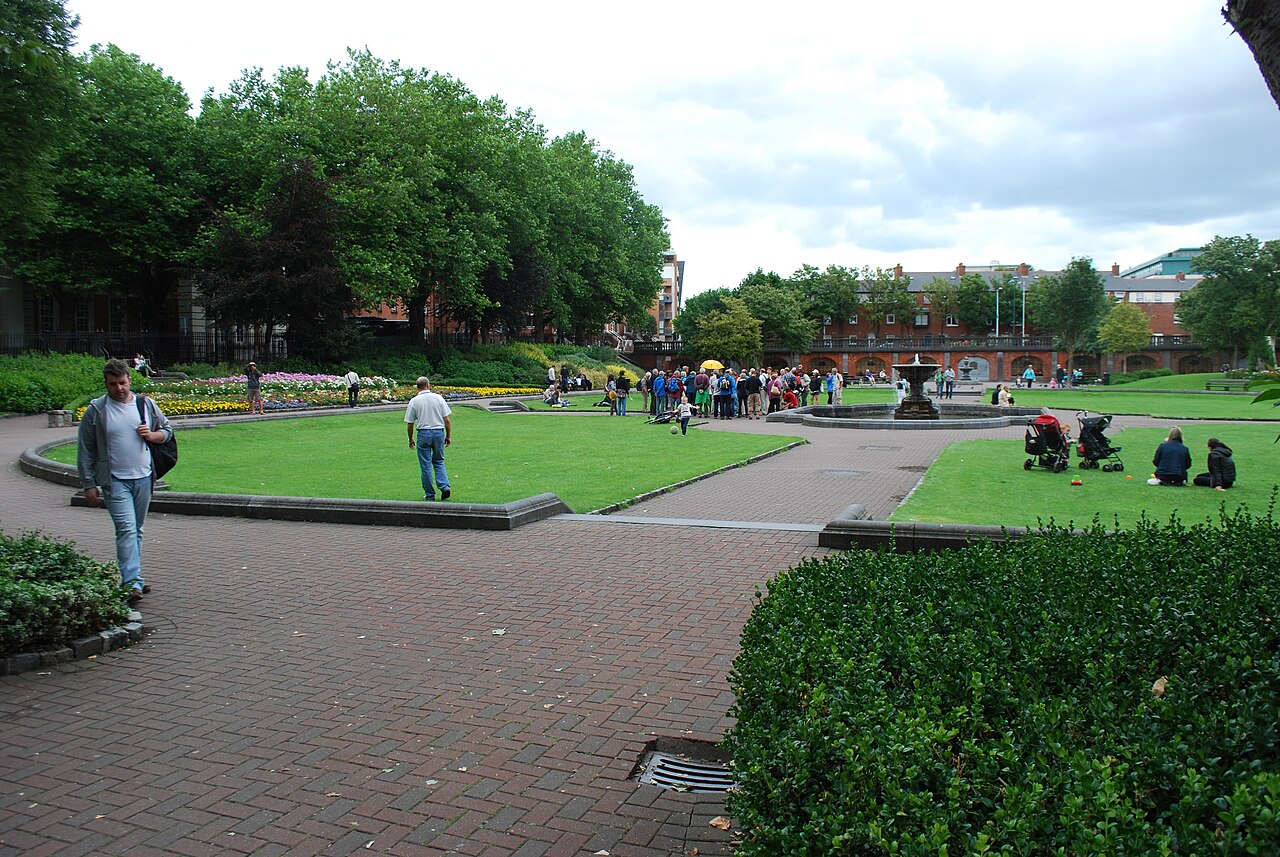
Non-intrusive photography and filming are permitted in the Library’s public spaces and garden for personal, non-commercial use. Marsh’s defines intrusive equipment as tripods, selfie sticks and lighting or sound equipment external to the recording device. Images must not interfere with other visitors, and visitors should avoid including other people’s children or recording staff without permission. Commercial, promotional and organised photography or filming requires prior written permission, proof of public liability insurance and an application at least five working days before the intended visit. Nothing may be attached to surfaces, so the historic interior is not an unrestricted studio location.
Checked 2026-09-07 · Source
Founded by Archbishop Narcissus Marsh and established by an Irish parliamentary Act in 1707, it was Ireland’s first public library. Today it welcomes both visitors and researchers.
Regular hours are 09:30–17:00 Tuesday to Friday and 10:00–17:00 Saturday. It is closed Sunday and bank holidays, with additional September 2026 closures listed on the official visit page.
The self-guided adult ticket is €8 and the student or senior ticket is €6. Individual under-18s and social-welfare recipients enter free; under-18 groups pay €3 per person.
Advance booking is optional for individuals and groups under eight, because payment is accepted at the door. Groups of more than eight people should contact the Library.
The historic public galleries are not wheelchair accessible. The operator currently also reports that ongoing works prevent access to the ground-floor facilities and Reading Room, so contact the Library before visiting.
Yes, non-intrusive personal photography and filming are permitted in public spaces and the garden. Tripods, selfie sticks and external lighting or sound equipment are classed as intrusive; commercial work needs prior written permission.
Loading the interactive map…
The interactive map could not be loaded.
Last updated:
Source: OpenStreetMap contributors, Wikidata ·