
1 min walk
Western Wall Plaza
- High
- Place of worship
Language · 11 published
Place of worship · Jerusalem
הכותל המערבי
Reviewed by Elena Voss · Roavina Travel Editor
| Monday | 00:00 – 23:59 |
|---|---|
| Tuesday | 00:00 – 23:59 |
| Wednesday | 00:00 – 23:59 |
| Thursday | 00:00 – 23:59 |
| Friday | 00:00 – 23:59 |
| Saturday | 00:00 – 23:59 |
| Sunday | 00:00 – 23:59 |
Checked 2026-08-31 · Source
Read from the OpenStreetMap access tags; anything not listed has no tag recorded.
Set the group type to family in the planner and the day window contracts to about three quarters of a solo day.
This place is a Place of worship. It was built in the ancient Roman architecture style. It is built of limestone. It carries the part of UNESCO World Heritage Site heritage designation.
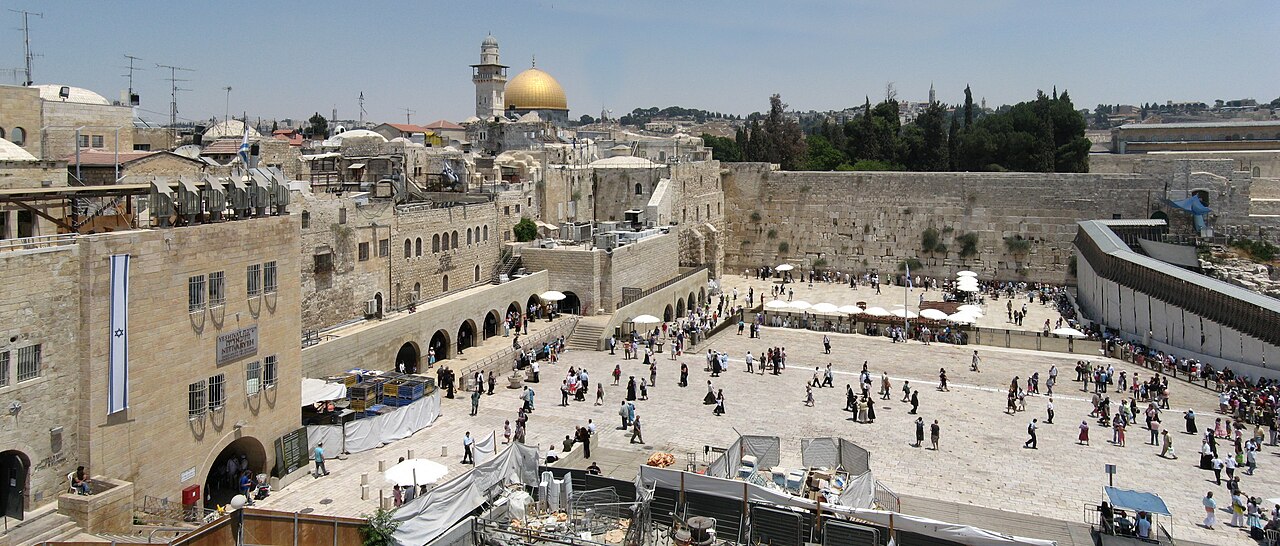
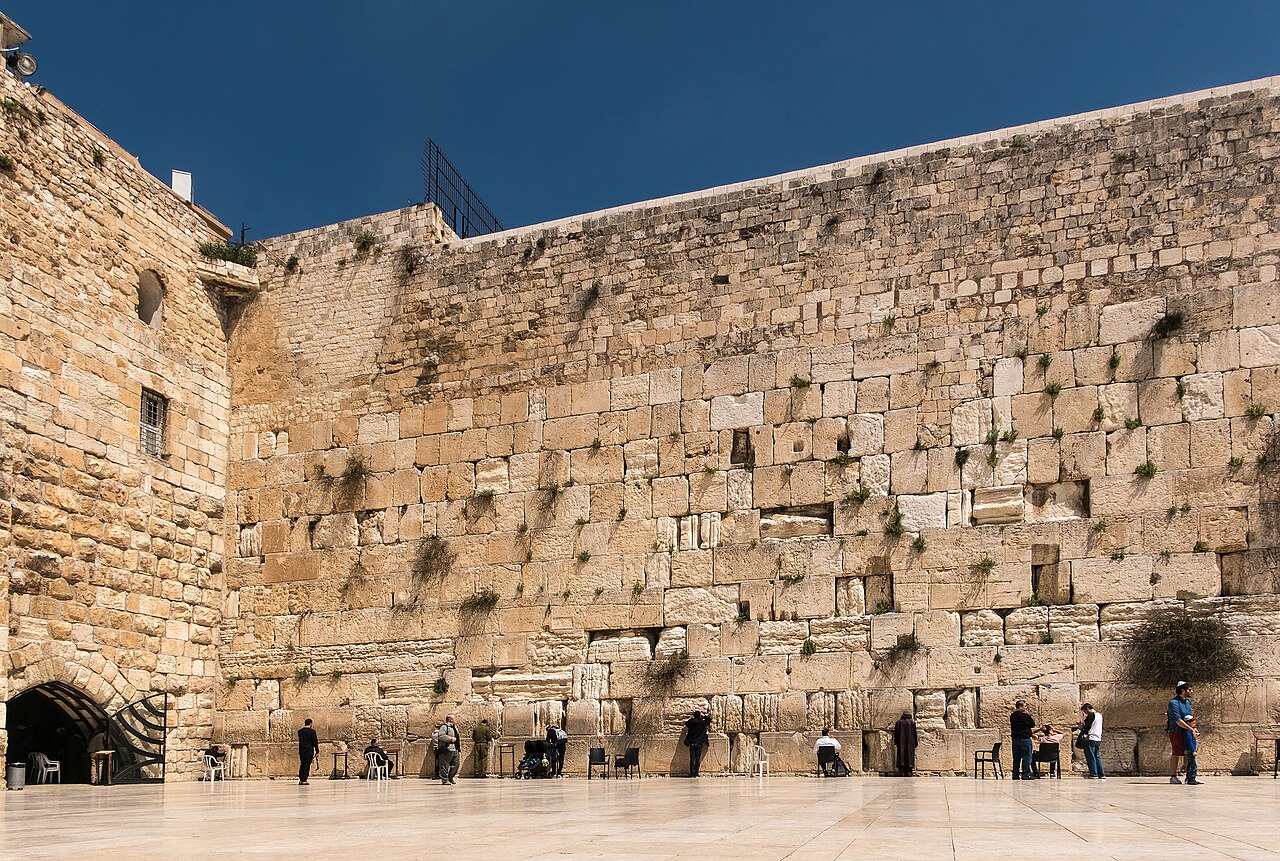
The Western Wall is an ancient limestone retaining wall on the western side of Jerusalem's Temple Mount. It is one of the city's most important Jewish prayer and pilgrimage sites and holds deep significance within Jerusalem's wider religious landscape. Visitors come to see the huge masonry, observe prayer and experience a place where history and living devotion meet. The Western Wall Plaza is the main public-facing space for approaching the stones. The Western Wall is an ancient limestone retaining wall in the Old City of Jerusalem. It forms part of the western flank of the Temple Mount, a site sacred to Judaism, Christianity, and Islam. The wall has served as a place of Jewish prayer and pilgrimage for centuries. It stands as one of the most recognizable and emotionally significant landmarks in Jerusalem, drawing visitors from across religious and cultural backgrounds who come to witness its historical gravity and ongoing spiritual importance. Yes, these terms refer to the same structure. Western Wall is the preferred contemporary designation. Yes, the plaza is open to visitors of all backgrounds, though respectful behavior and appropriate dress are required.
Checked 2026-08-26 · Source
The Western Wall Plaza contains separate men's and women's prayer areas. The wall is built from very large limestone blocks, with masonry from different historical periods visible in its courses. Prayer notes are placed into gaps between the stones by many visitors. The Western Wall Tunnel extends underground along part of the wall and reveals additional masonry. The plaza itself is open, spacious and focused on prayer, reflection and the movement of pilgrims rather than museum displays. The Western Wall Plaza provides the main accessible area for visitors and worshippers. The plaza is divided into separate prayer sections for men and women, following Orthodox Jewish custom. The wall itself consists of enormous stone blocks, with visible layers from different historical periods.
Checked 2026-08-26 · Source
Allow thirty minutes to one hour for the Western Wall Plaza, depending on how long you wish to observe, pray or reflect. A visit to the Western Wall Tunnel adds about one hour for its guided underground route. The Old City's nearby lanes and religious landmarks make it easy to build a longer walking day around the wall. Wear comfortable shoes, since reaching the plaza involves pedestrian streets and security access.
Checked 2026-08-26 · Source
The Western Wall Plaza is an active religious place visited throughout the day. Friday evening through Saturday evening brings the atmosphere and observances of Shabbat, while Jewish festivals can increase crowds and alter the experience. Early morning and later evening are useful for a quieter visit, although conditions change with ceremonies and security arrangements. Plan extra time at the entrance and expect the plaza to feel most concentrated around prayer gatherings.
Checked 2026-08-26 · Source
Entry to the Western Wall Plaza is free. The Western Wall Tunnel is a separate guided experience and may involve a charge. Treat the plaza and tunnel as different parts of a visit: you can spend time at the wall without buying a ticket, then choose the underground tour if it fits your day. Donations are part of the site's religious environment. Keep space for worshippers and follow arrangements at the entrance.
Checked 2026-08-26 · Source
The Western Wall is inside Jerusalem's Old City. The Dung Gate gives many visitors a direct pedestrian approach, while the Lion's Gate and other entrances connect the site with different quarters of the walled city. Buses stop around the Old City perimeter, after which the final approach is on foot through narrow streets. Private cars do not drive through the plaza area. Once inside, follow signs and the steady pedestrian flow toward the wall.
Checked 2026-08-26 · Source
Cover shoulders and knees, and men should wear a head covering in the prayer area; coverings are available at the entrance. Security screening takes place before entering the plaza. Respect the division between men's and women's sections and never interrupt prayer. The Old City can be crowded, so keep belongings close. Jerusalem's religious and political sensitivities require calm behaviour, especially during busy gatherings or periods of heightened tension.
Checked 2026-08-26 · Source
Photography is permitted across much of the plaza, but the people praying remain more important than the image. Avoid close portraits without consent, do not interrupt worship and leave cameras away when local religious practice requires it. Flash is distracting in a devotional setting. The limestone blocks, the broad plaza and the movement of visitors provide strong subjects without intruding on private prayer. Underground tunnel photography follows its own on-site restrictions.
Checked 2026-08-26 · Source
Yes. Western Wall and Wailing Wall are names used for the same Jerusalem structure, although Western Wall is the preferred contemporary name.
Yes. Visitors of different backgrounds can enter the plaza, provided they follow the dress, security and prayer-area rules.
Most visitors need thirty minutes to one hour; the Western Wall Tunnel adds about one hour as a guided underground visit.
Visitors traditionally place prayer notes into gaps between the stones, where they become part of the wall's continuing devotional practice.
Yes. The plaza has no admission charge; the Western Wall Tunnel is a separate guided experience that may involve a fee.
No. The tunnel is visited through organised guided tours, unlike the open plaza above.
Loading the interactive map…
The interactive map could not be loaded.
Last updated:
Source: OpenStreetMap contributors, Wikidata ·