
07
45 min
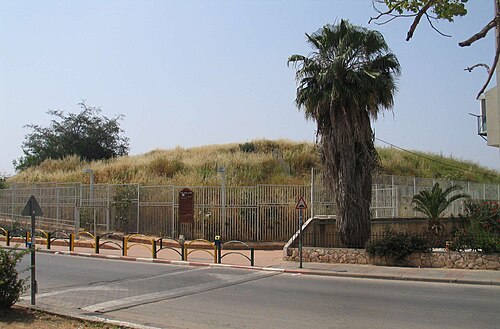
Tel Zeton
תל זיתון
Tel Zeton is an archaeological site within the Tel Aviv-Yafo municipal area.
- Must see
- Historic monument
City guide · Israel
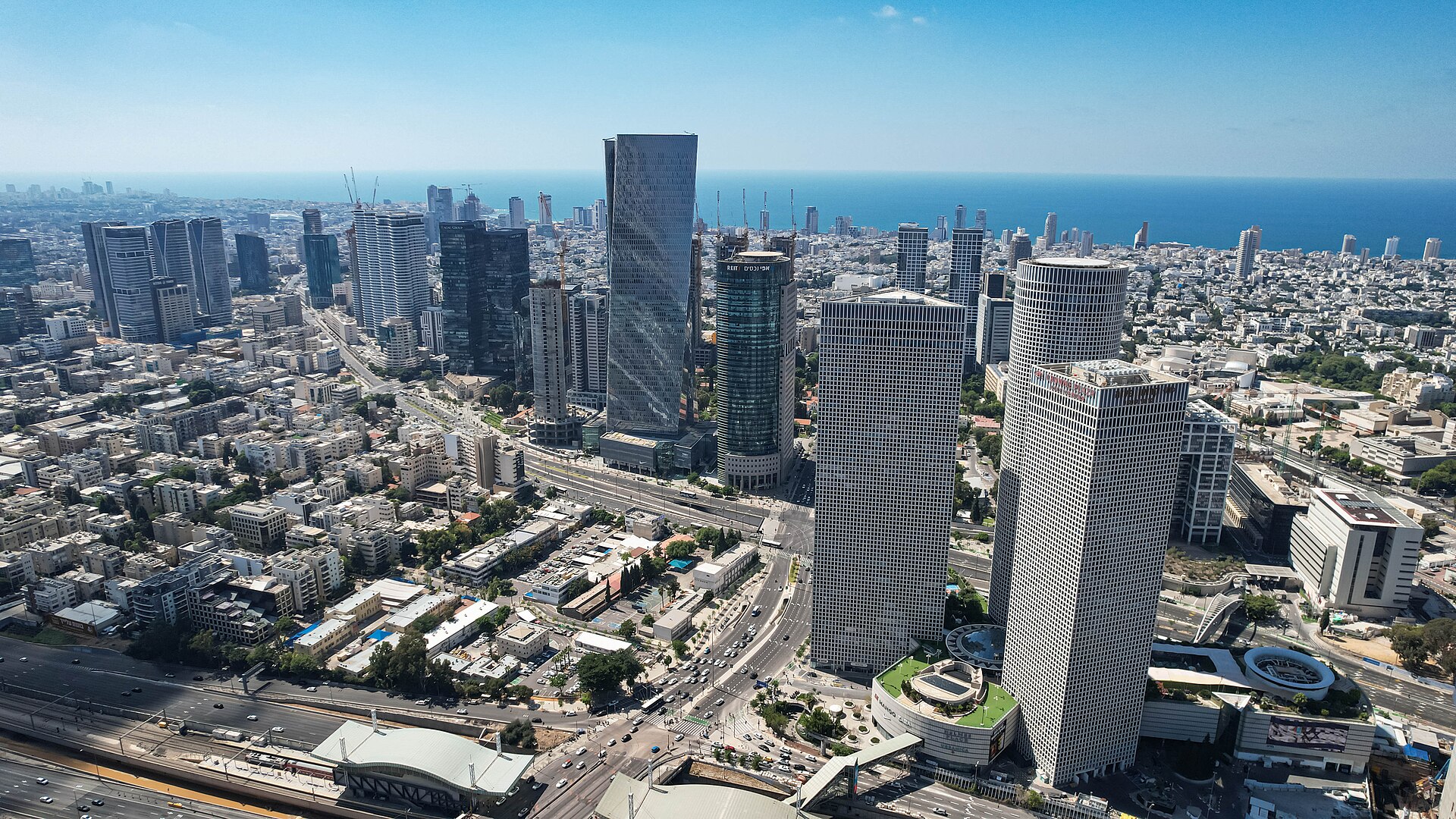
Tel Aviv-Yafo is a long Mediterranean city best understood as connected north-south districts rather than one compact centre. Historic Jaffa and the port sit at...
Photograph · Ynhockey · CC BY-SA 4.0
Set your days, your pace and the hours you actually want to be out. The planner works around closing days and travel time, and leaves room to eat.
Reviewed by Elena Voss · Roavina Travel Editor
Tel Aviv-Yafo is a long Mediterranean city best understood as connected north-south districts rather than one compact centre. Historic Jaffa and the port sit at the southern end, Neve Tzedek and the market districts lead into the central city, and the beach continues north beside residential and cultural areas. Walking works within each cluster; transit connects the longer gaps.
Checked 2026-08-26
September · September in Tel Aviv has mean high 29.0°C, mean low 21.7°C, rainfall 0.7 mm, 0.3 rain days. A modest heat or rainfall trade-off remains manageable. A mixed indoor-outdoor plan keeps a September visit to Tel Aviv comfortable.
Ranked by importance — sitelinks, pageviews and heritage status, not editor preference.
10 places match
Category
Typical visit duration
Interests
תל זיתון
Tel Zeton is an archaeological site within the Tel Aviv-Yafo municipal area.
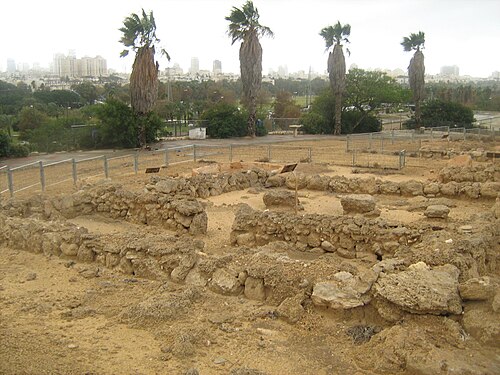
תל קסילה
Tell Qasile is an archaeological site in Tel Aviv, Israel, located within the Eretz Israel Museum complex. It contains the remains of a Philistine settlement dating to the 12th-11th centuries BCE.
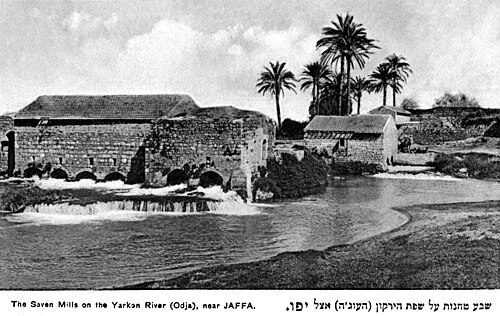
שבע טחנות
Sheva Tahanot, or שבע טחנות, is an archaeological site in Tel Aviv-Yafo whose name means Seven Mills. The name connects the place with milling and industrial activity, adding a practical, working dimension to the city’s historical landscape.

המושבה האמריקאית–גרמנית
The American–German Colony is a historic neighborhood in Jaffa, within Tel Aviv-Yafo. Its streets reflect nineteenth-century settlement by American and German communities and form part of Jaffa’s layered urban heritage.
Old Jaffa, Jaffa Port and the flea-market streets form a southern historic cluster. Neve Tzedek and the old railway area lie immediately north, followed by Carmel Market, Rothschild Boulevard and the White City. The main museum and performing-arts institutions sit farther east, while the seafront forms a parallel route. Group visits by these corridors to avoid repeated cross-city journeys.
Checked 2026-08-26
Central Tel Aviv and Jaffa are highly walkable, and cycling can suit the flat seafront and boulevard network. The official city guide lists buses, light rail, trains, taxis, bicycles and scooters as transport options. The Red Line connects parts of Tel Aviv-Yafo with the wider metropolitan area. Check real-time service information because infrastructure work can alter routes and stops.
Checked 2026-08-26
A fixed official stay length is not recorded. Prioritise Jaffa, the central market and boulevard districts, the beach and one museum cluster, then expand according to available time.
Yes within individual districts. The official city guide describes the city as highly walkable, while transit is useful for longer links between Jaffa, central Tel Aviv and northern areas.
Yes. The Red Line serves Tel Aviv-Yafo and the wider metropolitan area, alongside buses and national rail services.
Old Jaffa and Jaffa Port combine naturally, while Neve Tzedek, Carmel Market and Rothschild Boulevard form another practical sequence. Use transit between more distant clusters.
Yes. The official city guide advises using transport apps for current information because infrastructure work can affect routes and stops.