Roavina

City guide · Israel

Tel Aviv

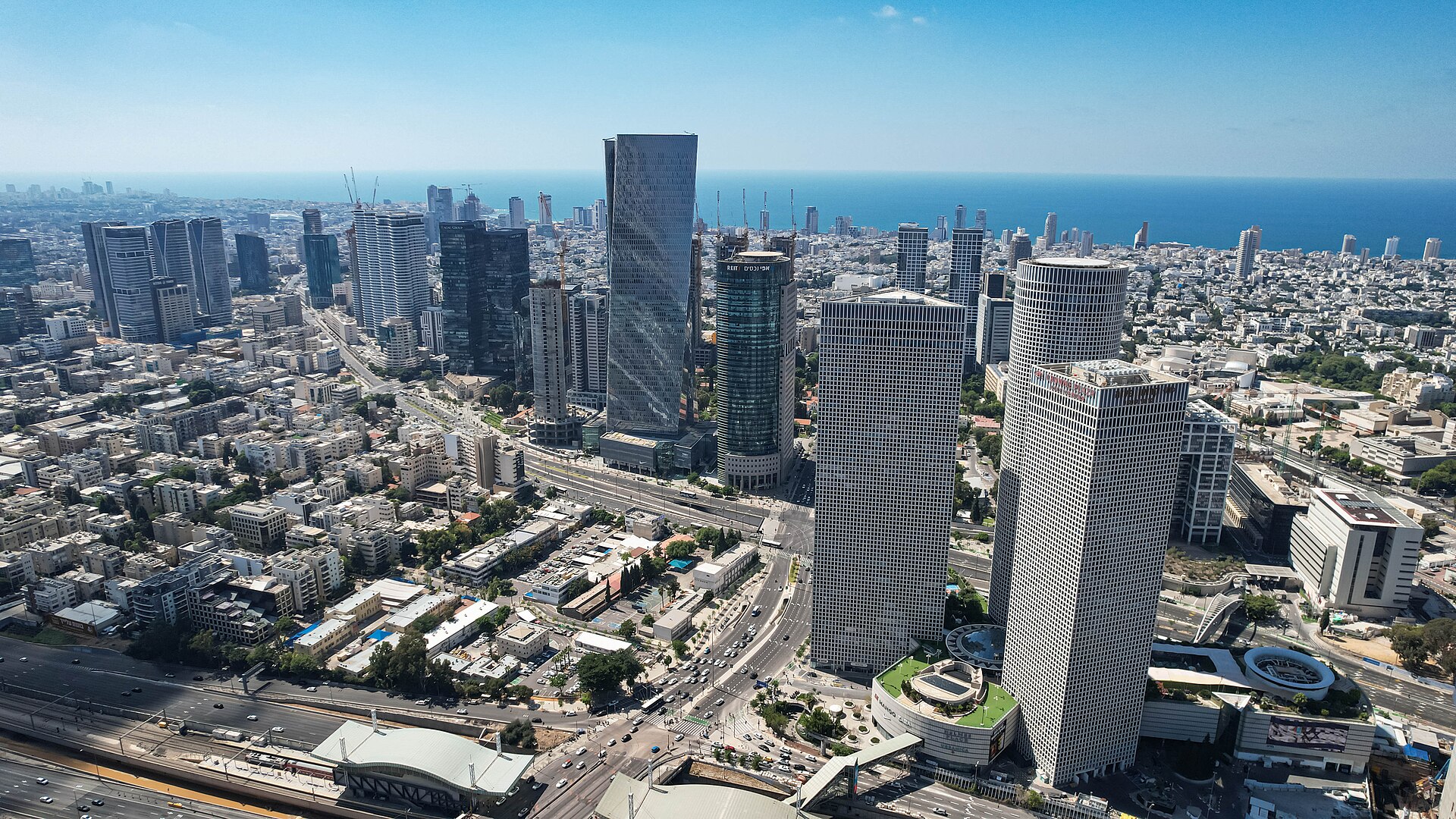
A photograph of Tel Aviv
Photograph · Ynhockey · CC BY-SA 4.0

Tel Aviv-Yafo is a long Mediterranean city best understood as connected north-south districts rather than one compact centre. Historic Jaffa and the port sit at the southern end, Neve Tzedek and the market districts lead into the central city, and the beach continues north beside residential and cultural areas. Walking works within each cluster; transit connects the longer gaps.

Reviewed by Elena Voss · Roavina Travel Editor

Practical information

Language spoken
Hebrew; Arabic has special status
National practical orientation; regional and minority languages may also be used
Dialling code
+972
International calling code; local area and mobile prefixes still apply
Currency
Israeli new shekel (ILS)
Use the official local currency; card acceptance varies by place
Emergency number
100 police · 101 ambulance · 102 fire
Use only for an emergency; tourist assistance may use a separate number
Plug type
Type C and H · 230 V
Check that chargers support the recorded voltage before using an adapter
Tap water
Not recorded
No verified nationwide visitor statement was recorded for this content pack
Turn this list into a plan

Set your days, your pace and the hours you actually want to be out. The planner works around closing days and travel time, and leaves room to eat.

Plan Tel Aviv

Planning a visit

Suggested stay
Not recorded
Getting around
Walk, bicycle, bus, light rail and train
  1. January: viable with meaningful trade-offs
  2. February: viable with meaningful trade-offs
  3. March: good time to visit
  4. April: best time to visit
  5. May: best time to visit
  6. June: good time to visit
  7. July: viable with meaningful trade-offs
  8. August: viable with meaningful trade-offs
  9. September: good time to visit — current month
  10. October: best time to visit
  11. November: best time to visit
  12. December: good time to visit
  • Best time
  • Good time
  • Viable with trade-offs
  • Difficult conditions

Sources

Top things to see

Ranked by importance — sitelinks, pageviews and heritage status, not editor preference.

  1. Nahalat Binyamin Pedestrian Mall Nahalat Binyamin Pedestrian Mall
    02 1 hr 30 min

    Nahalat Binyamin Pedestrian Mall

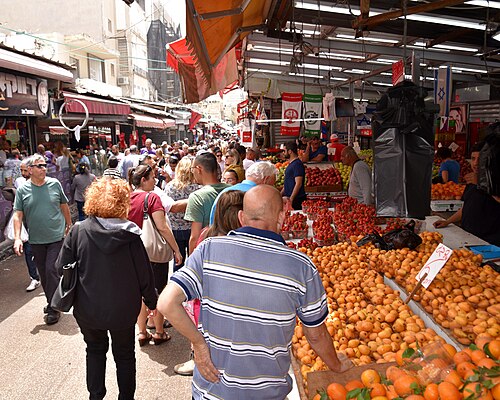
    Nahalat Binyamin Pedestrian Mall is a pedestrianised street in central Tel Aviv, Israel. It functions as a dedicated crafts market with scheduled market operations, operating distinctly from the neighbouring Carmel Market.

    • Must see
    • Market
  2. Levinski Market Levinski Market
    03 45 min

    Levinski Market

    שוק לוינסקי

    Levinsky Market is a distinctive spice and food market embedded in south-central Tel Aviv-Yafo. Its local name is שוק לוינסקי. The market occupies a network of streets rather than a single enclosed structure, creating a dispersed commercial atmosphere.

    • Must see
    • Market

Source: OpenStreetMap contributors, Wikidata ·

How the city is laid out

Old Jaffa, Jaffa Port and the flea-market streets form a southern historic cluster. Neve Tzedek and the old railway area lie immediately north, followed by Carmel Market, Rothschild Boulevard and the White City. The main museum and performing-arts institutions sit farther east, while the seafront forms a parallel route. Group visits by these corridors to avoid repeated cross-city journeys.

Checked 2026-08-26

Getting around

Central Tel Aviv and Jaffa are highly walkable, and cycling can suit the flat seafront and boulevard network. The official city guide lists buses, light rail, trains, taxis, bicycles and scooters as transport options. The Red Line connects parts of Tel Aviv-Yafo with the wider metropolitan area. Check real-time service information because infrastructure work can alter routes and stops.

Checked 2026-08-26

Common questions

How many days should I spend in Tel Aviv?

A fixed official stay length is not recorded. Prioritise Jaffa, the central market and boulevard districts, the beach and one museum cluster, then expand according to available time.

Is Tel Aviv walkable?

Yes within individual districts. The official city guide describes the city as highly walkable, while transit is useful for longer links between Jaffa, central Tel Aviv and northern areas.

Does Tel Aviv have light rail?

Yes. The Red Line serves Tel Aviv-Yafo and the wider metropolitan area, alongside buses and national rail services.

Which Tel Aviv areas combine well on foot?

Old Jaffa and Jaffa Port combine naturally, while Neve Tzedek, Carmel Market and Rothschild Boulevard form another practical sequence. Use transit between more distant clusters.

Should I check transit updates in Tel Aviv?

Yes. The official city guide advises using transport apps for current information because infrastructure work can affect routes and stops.