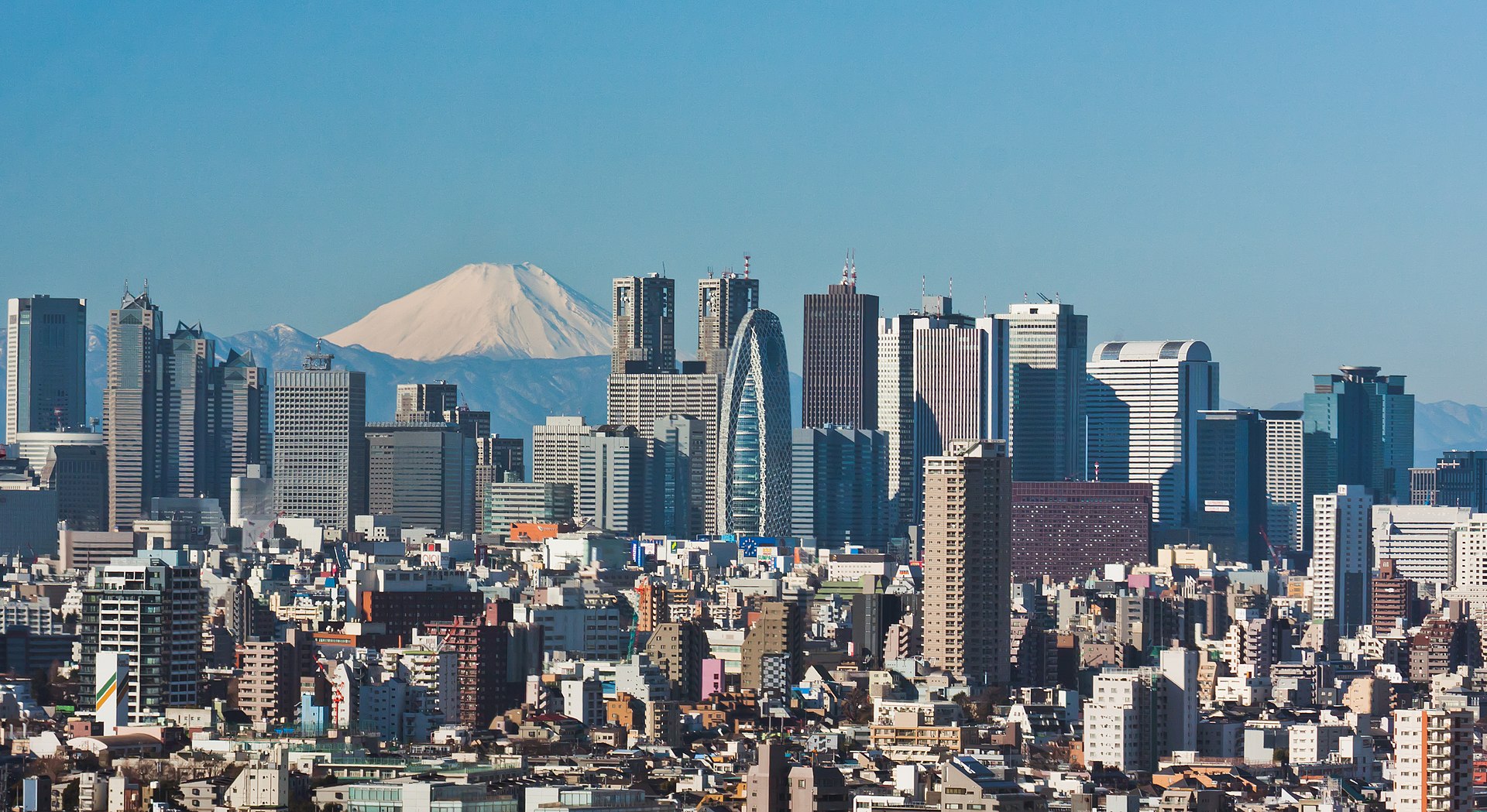
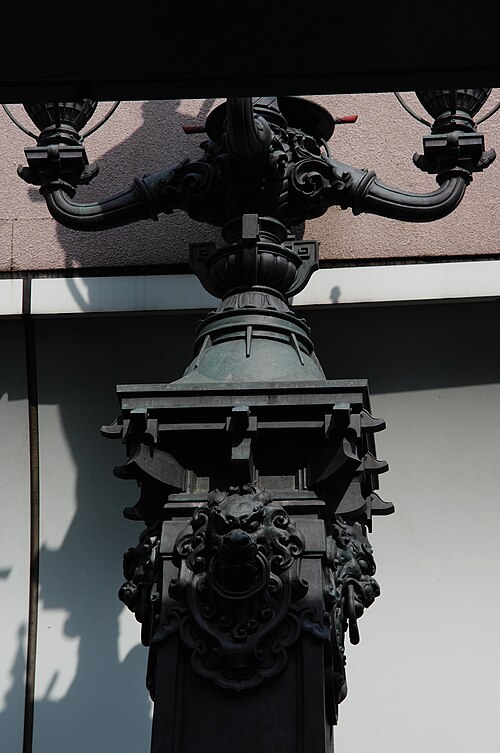
A photograph of Tokyo

City guide · Japan

Tokyo

Tokyo is a network of major station districts rather than a single centre. Historic Asakusa and Ueno, commercial Ginza and Marunouchi, and the western hubs of S...

Photograph · Morio · CC BY-SA 3.0

22,518 Places
Suggested stay
5-6 days
Getting around
JR, subway and private rail with an IC card

Turn this list into a plan

Set your days, your pace and the hours you actually want to be out. The planner works around closing days and travel time, and leaves room to eat.

Plan Tokyo

Reviewed by Elena Voss · Roavina Travel Editor

Tokyo is a network of major station districts rather than a single centre. Historic Asakusa and Ueno, commercial Ginza and Marunouchi, and the western hubs of Shinjuku and Shibuya each work as separate sightseeing clusters. Rail makes movement reliable, but large stations and cross-city transfers consume time. A good itinerary stays on one side of the city for half a day and uses the Yamanote loop, subway lines and through-running rail services to connect clusters.

Checked 2026-08-26

Practical information

Language spoken
Japanese
National practical orientation; regional and minority languages may also be used
Dialling code
+81
International calling code; local area and mobile prefixes still apply
Currency
Japanese yen (JPY)
Use the official local currency; card acceptance varies by place
Emergency number
110 police · 119 fire and ambulance
Use only for an emergency; tourist assistance may use a separate number
Plug type
Type A · 100 V
Check that chargers support the recorded voltage before using an adapter
Tap water
Safe from the mains
JNTO states that tap water is safe to drink

Planning a visit

September · September in Tokyo has JMA's 1991–2020 Kanto normal of 1.2 typhoon approaches. This is a route-planning risk, but the local monthly normal is below a severe-disruption threshold; the month remains NEUTRAL with a weather fallback.

  1. January: viable with meaningful trade-offs
  2. February: viable with meaningful trade-offs
  3. March: good time to visit
  4. April: best time to visit
  5. May: best time to visit
  6. June: good time to visit
  7. July: viable with meaningful trade-offs
  8. August: viable with meaningful trade-offs
  9. September: viable with meaningful trade-offs — current month
  10. October: good time to visit
  11. November: best time to visit
  12. December: viable with meaningful trade-offs

Sources

Top things to see

Ranked by importance — sitelinks, pageviews and heritage status, not editor preference.

  1. 日本橋 日本橋
    07 45 min

    日本橋

    Nihonbashi Bridge is a historic bridge in central Tokyo, Japan. The current structure is a reconstruction of the original wooden bridge first built in 1603 during the Edo period.

    • Must see
    • Historic monument
  2. Tokyo International Forum Tokyo International Forum
    08 45 min

    Tokyo International Forum

    Tokyo International Forum is a major convention and exhibition center in the Marunouchi district near Tokyo Station. The complex comprises multiple halls and exhibition spaces designed for international conferences, trade shows, concerts, and corporate events.

    • Must see
    • Historic monument
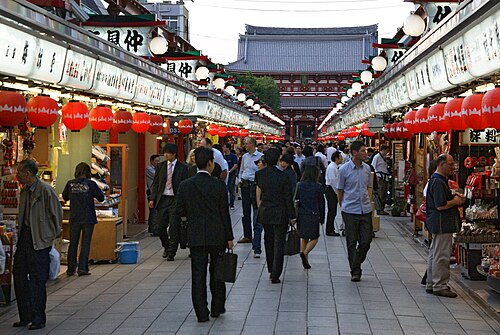
  3. Nakamise Street Nakamise Street
    09 45 min

    Nakamise Street

    仲見世商店街

    Nakamise Shopping Street is one of Tokyo's oldest and most visited shopping thoroughfares, stretching approximately 250 meters from Kaminarimon Gate to the second gate of Sensoji Temple in Asakusa.

    • High
    • Historic monument
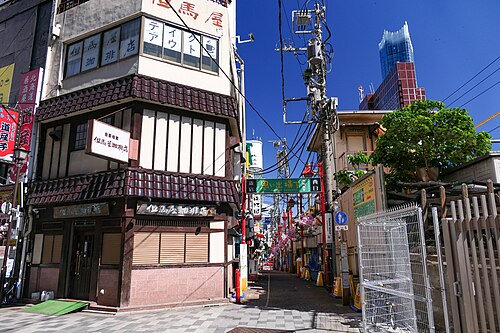
  4. Kappabashi kitchen street Kappabashi kitchen street
    10 45 min

    Kappabashi kitchen street

    合羽橋

    Kappabashi Kitchen Street, known locally as かっぱ橋道具街, is a specialized commercial district in Tokyo dedicated to restaurant supply and kitchenware. The street stretches approximately 800 meters and hosts numerous shops selling professional-grade cooking equipment, tableware, food replicas, and culinary tools.

    • High
    • Historic monument
  5. Takeshita Street Takeshita Street
    11 45 min

    Takeshita Street

    Takeshita Street is a narrow pedestrian shopping street in Harajuku, running from the area beside Harajuku Station toward the northern end of Omotesando. The street is known for youth fashion, accessories, cosmetics, novelty goods, crepes and quick-service food.

    • High
    • Historic monument
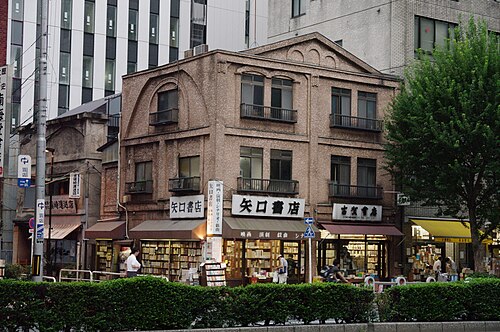
  6. Jimbōchō Book Town Jimbōchō Book Town
    12 45 min

    Jimbōchō Book Town

    神田古書店街

    Jimbocho Book Town, known locally as 神保町古書店街, is a historic district in central Tokyo renowned for its dense concentration of antiquarian bookstores. The area has served as Japan's preeminent center for used and rare books since the early twentieth century.

    • High
    • Historic monument
  7. Tokyo Character Street Tokyo Character Street
    13 45 min

    Tokyo Character Street

    Tokyo Character Street is a commercial attraction located in Tokyo Station's Ichibangai shopping area beneath Marunouchi. The destination features shops and displays centered on popular Japanese characters from animation, manga, and related media franchises.

    • High
    • Historic monument
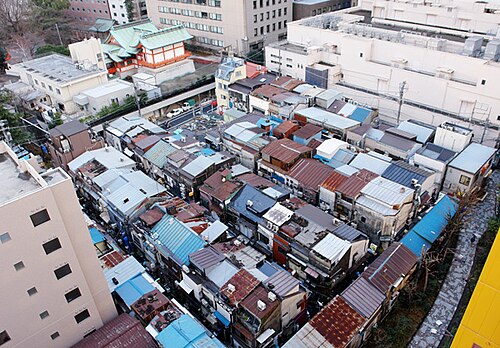
  8. Omoide Yokochō Omoide Yokochō
    14 45 min

    Omoide Yokochō

    思い出横丁

    Omoide Yokocho, whose local name is 思い出横丁, is a narrow alleyway district in Tokyo known for its dense cluster of small eateries and drinking establishments.

    • High
    • Historic monument
  9. Shinjuku Golden Gai Shinjuku Golden Gai
    15 45 min

    Shinjuku Golden Gai

    新宿ゴールデン街

    Golden Gai is a historic nightlife district in Shinjuku, Tokyo, comprising approximately six narrow alleys and over 200 tiny bars. The area developed from a black market district in post-war Japan and retains its Showa-era architectural character.

    • High
    • Historic monument

Source: OpenStreetMap contributors, Wikidata ·

How the city is laid out

Central Tokyo is easiest to understand as an east-west sequence. Asakusa, Ueno and Yanaka carry much of the older city; Tokyo Station, Marunouchi, Nihonbashi and Ginza form the central business and shopping core; Shibuya, Harajuku and Shinjuku anchor the west. Roppongi and Akasaka sit between those spines, while Odaiba lies across the bay. The wider metropolis extends well beyond the central wards, so Mt Takao, western Tokyo and island destinations belong to separate day plans rather than a central-city route.

Checked 2026-08-26

Getting around

Use rail for nearly every cross-city journey. Tokyo Metro operates nine lines and Toei operates four subway lines, alongside JR and private railways; a rechargeable IC card removes most ticketing friction across operators. The subway alone covers more than 280 stations, but JR passes do not cover Tokyo Metro or Toei services. Trains generally stop around midnight, so late-night plans need a route check. Inside a district, walking is usually faster than making a one-stop transfer through a very large station.

Checked 2026-08-26

Common questions

How many days does Tokyo need?

Five to six days suit a first visit. Four days can cover the main eastern, central and western clusters, while extra days allow slower neighbourhood exploration or a separate trip to western Tokyo.

When is the best time to visit Tokyo?

Spring and autumn usually give the most comfortable walking weather. Peak blossom and foliage periods can be crowded, so the broader March-May and October-November windows are more useful than targeting one forecasted week.

Do visitors need a rail pass inside Tokyo?

Usually not. A rechargeable IC card is simpler because Tokyo journeys may involve JR, Tokyo Metro, Toei and private railways. A JR pass does not cover the two subway operators.

Does Tokyo public transport run all night?

No. The official Tokyo guide notes that last trains are commonly between about 23:30 and 00:30, with first services around 05:00. Check the final connection before a late evening across town.

Which districts should be combined?

Pair Asakusa with Ueno, Marunouchi with Ginza, and Shibuya with Harajuku. Shinjuku can fill its own half day. Grouping nearby station districts reduces transfers through large hubs.