_-_Kangla_Fort,_Imphal_02.jpg)
2 min walk
Sextius Florentinus Tomb at Petra
- Must see
- Historic monument
Language · 11 published
Historic monument · Wadi Musa
Editorial responsibility: Elena Voss · Roavina Travel Editor

| Monday | 06:30 – 17:00 |
|---|---|
| Tuesday | 06:30 – 17:00 |
| Wednesday | 06:30 – 17:00 |
| Thursday | 06:30 – 17:00 |
| Friday | 06:30 – 17:00 |
| Saturday | 06:30 – 17:00 |
| Sunday | 06:30 – 17:00 |
Checked 2026-08-31 · Source
Read from the OpenStreetMap access tags; anything not listed has no tag recorded.
Set the group type to family in the planner and the day window contracts to about three quarters of a solo day.
This place is a Attraction.
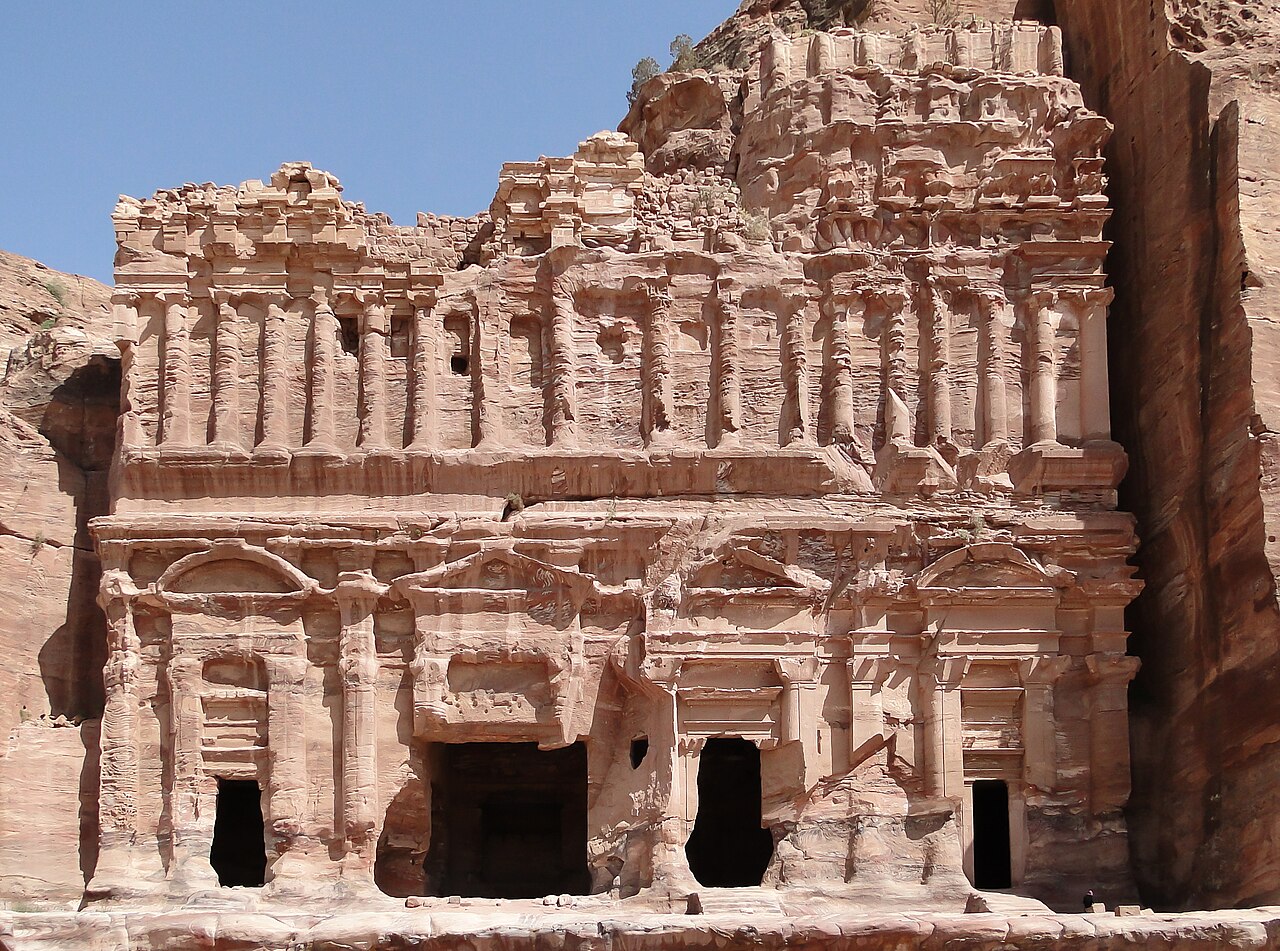
The Royal Tombs are a monumental group of rock-cut facades in Petra’s rose-red sandstone landscape. The cluster includes the Urn Tomb, Silk Tomb, Corinthian Tomb, and Palace Tomb, each with a distinctive architectural treatment. These funerary monuments reflect the wealth and craftsmanship of the Nabataean kingdom during the first centuries BCE and CE. Their scale makes them one of Petra’s most striking architectural ensembles, while their location above the central valley gives the visit a strong sense of place. Travelers should come for the facades, the carved stone, and the contrast between the grand exteriors and the plain chambers behind them.
Checked 2026-08-26 · Source
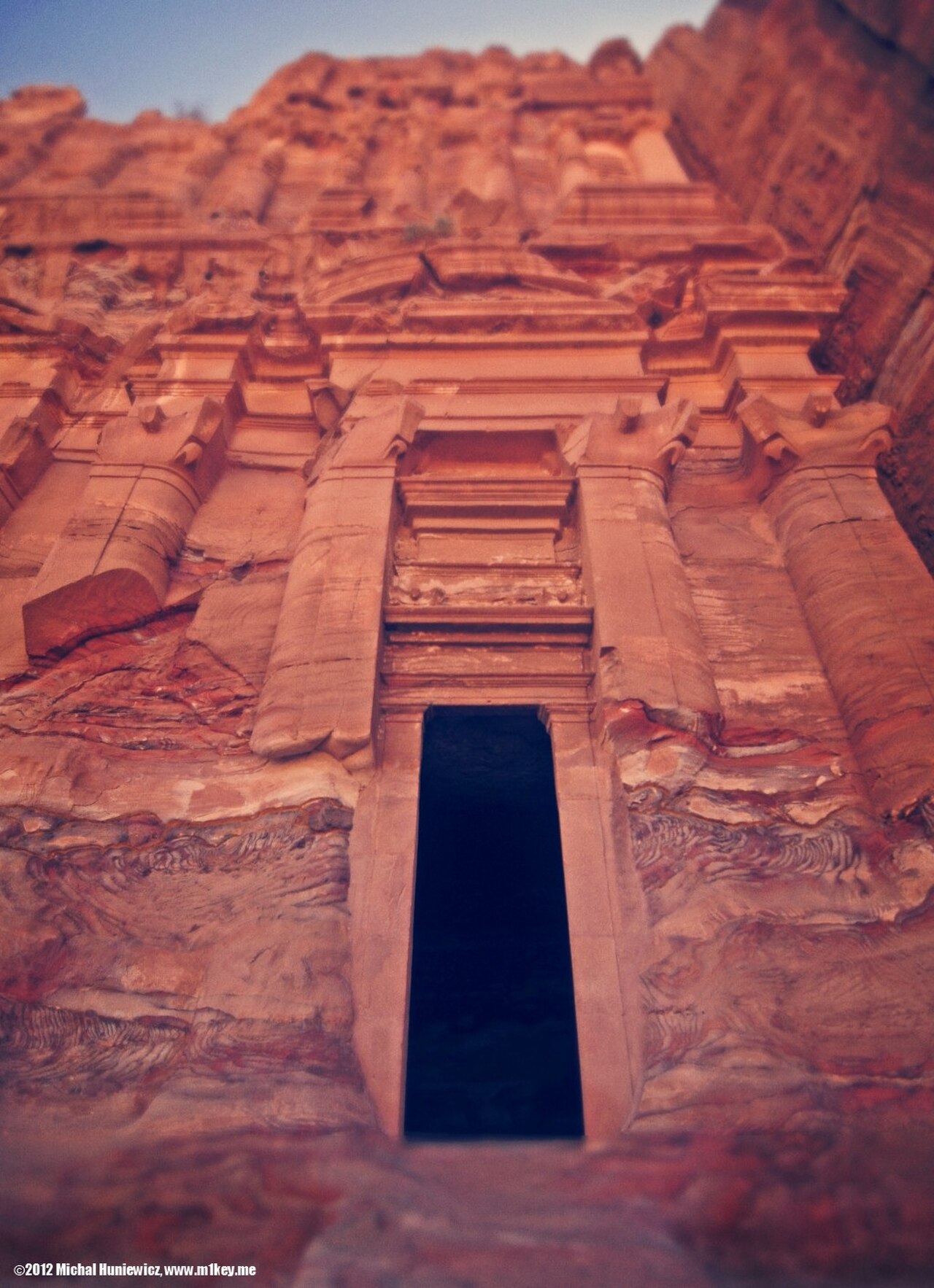
The Urn Tomb stands out for its deep terrace, columned portico, and upper-level dedication associated with Malichos II. The Silk Tomb is framed by naturally swirling, multicolored sandstone. The Corinthian Tomb uses classical capitals and pediment details, while the Palace Tomb rises in a stepped facade reminiscent of an Assyrian palace. Behind the monumental fronts are rock-cut chambers, some with burial niches. The interiors are generally far plainer than the facades, so spend time comparing the outside decoration, scale, stone color, and carving techniques from different viewpoints.
Checked 2026-08-26 · Source
Allow about ninety minutes to two hours for the Royal Tombs. This includes the climb from Petra’s central route, time at each major facade, and pauses to study the stonework and views. The ascent involves substantial rock-cut steps and uneven paths, so the route takes longer when walked carefully. Photographers and archaeology enthusiasts may stay beyond two hours. The tombs reward close observation: carved details and sandstone colors change as you move across the approach and view the facades in different light.
Checked 2026-08-26 · Source
Morning light illuminates the eastern-facing facades and brings out the carved details and sandstone colors. Late afternoon can also create strong relief across the monumental fronts. Summer heat makes the exposed ascent strenuous, so cooler parts of the day are more comfortable for walking. Winter rain requires attention because Petra’s wadis can experience flash flooding. Visitor numbers follow the wider Petra flow, and the Royal Tombs are especially rewarding when you can pause without crowd pressure. Build the stop into a wider Petra route with enough time for the climb and the return.
Checked 2026-08-26 · Source
The Royal Tombs form part of the Petra archaeological site rather than a separately ticketed attraction. A visit therefore belongs within your wider Petra admission and itinerary. The cluster is one of the major architectural highlights of the site, so include it when planning how to use your time inside Petra. Travelers using a multi-day Petra arrangement can revisit the area in different light, while a single-day route needs to account for the walk from the Siq and the climb. Carry your site admission with you throughout the visit.
Checked 2026-08-26 · Source
From Petra’s main Siq entrance, walk through the canyon, pass the Treasury, continue along the Street of Facades and the theater area, and then follow the marked approach toward the Royal Tombs. The route to the cluster is approximately two kilometres before the ascent, with rock-cut steps and uneven surfaces near the tombs. The return follows the same general path. Wear footwear suited to stone and gravel, carry water, and pace the climb. Guided Petra routes commonly include the tombs, while independent visitors can follow the site’s marked paths.
Checked 2026-08-26 · Source
The approach combines uneven steps, loose gravel, worn stone, and exposed edges. Descending can be as demanding as climbing, especially when the surface is smooth. Summer temperatures require water, sun protection, and sensible pacing. Rain can create flash-flood danger in Petra’s drainage channels, so do not enter exposed routes during hazardous weather. Tomb interiors have uneven floors and accumulated debris. Stay on established paths, keep away from fragile archaeological surfaces, and take care near rock crevices. The site is a funerary landscape as well as a viewpoint, so treat the monuments with respect.
Checked 2026-08-26 · Source
The Royal Tombs are excellent subjects for architectural and landscape photography. Morning light emphasizes the carved facades, while the elevated position provides views across Petra’s central valley toward the theater and surrounding cliffs. Use wide angles for the full ensemble and closer compositions for the Silk Tomb’s colored sandstone and the classical details of the Corinthian Tomb. Avoid touching the rock or entering restricted areas. A tripod or commercial setup requires permission, and drone operation is prohibited in the archaeological zone. Photograph the tombs as cultural monuments, keeping other visitors and the funerary character of the site in mind.
Checked 2026-08-26 · Source
The main group consists of the Urn Tomb, Silk Tomb, Corinthian Tomb, and Palace Tomb.
Allow approximately ninety minutes to two hours, including the approach, climb, viewing time, and pauses.
Yes. They are part of the Petra archaeological area and belong within your wider Petra visit.
The Urn Tomb has a terrace and dedication, the Silk Tomb has colorful sandstone, the Corinthian Tomb has classical details, and the Palace Tomb has a stepped palace-like design.
The route includes roughly two kilometres from the main approach followed by uneven rock-cut steps and an ascent to the tombs.
Morning light, elevated valley views, the Silk Tomb’s sandstone colors, and close architectural details are particularly rewarding subjects.
Loading the interactive map…
The interactive map could not be loaded.
Last updated:
Source: OpenStreetMap contributors ·