Roavina

City guide · Jordan

Wadi Musa

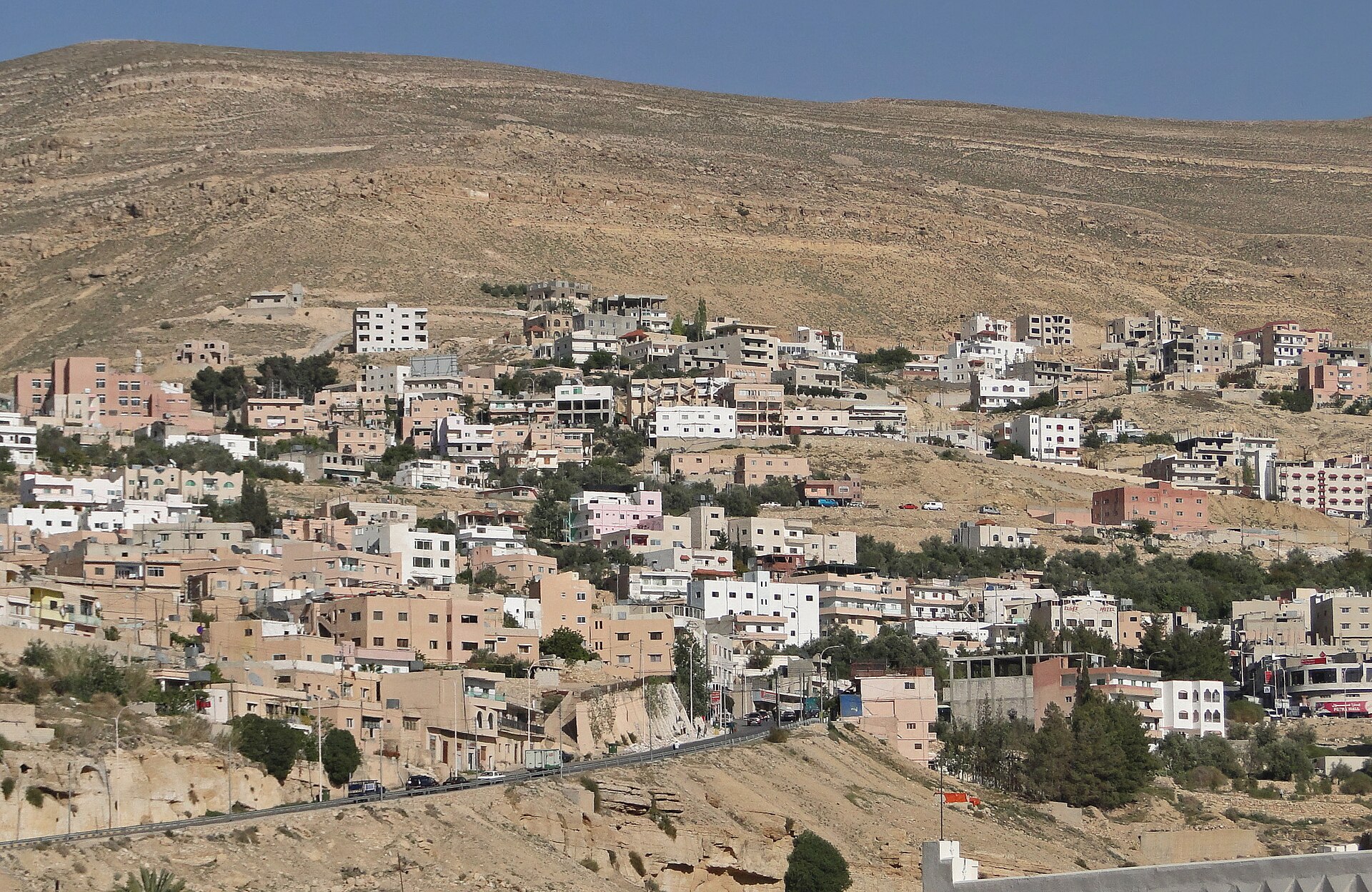
A photograph of Wadi Musa
Photograph · Bernard Gagnon · CC BY-SA 3.0

Wadi Musa is the service town beside Petra and the city-page route remains mapped to Jordan/Wadi Musa rather than creating a separate Petra city. The Petra Visitor Centre anchors the lower end of town, while hotels and services climb the slope above it. Plan the archaeological site as the main walking commitment and treat the town as its arrival, lodging and transport base.

Reviewed by Elena Voss · Roavina Travel Editor

Practical information

Language spoken
Arabic; English is widely used in visitor services
National practical orientation; regional and minority languages may also be used
Dialling code
+962
International calling code; local area and mobile prefixes still apply
Currency
Jordanian dinar (JOD)
Use the official local currency; card acceptance varies by place
Emergency number
911
Use only for an emergency; tourist assistance may use a separate number
Plug type
Type C, F and G · 230 V
Check that chargers support the recorded voltage before using an adapter
Tap water
Not recorded
No verified nationwide visitor drinking-water statement was recorded

Turn this list into a plan

Set your days, your pace and the hours you actually want to be out. The planner works around closing days and travel time, and leaves room to eat.

Plan Wadi Musa

Planning a visit

Suggested stay
Not recorded
Getting around
Walk and use verified local transport
  1. January: viable with meaningful trade-offs
  2. February: viable with meaningful trade-offs
  3. March: good time to visit
  4. April: best time to visit
  5. May: best time to visit
  6. June: good time to visit
  7. July: good time to visit
  8. August: good time to visit
  9. September: good time to visit — current month
  10. October: best time to visit
  11. November: good time to visit
  12. December: viable with meaningful trade-offs
  • Best time
  • Good time
  • Viable with trade-offs
  • Difficult conditions

Sources

Top things to see

Ranked by importance — sitelinks, pageviews and heritage status, not editor preference.

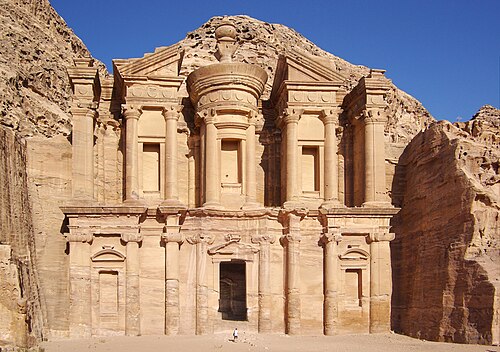
  1. Ad Deir Ad Deir
    02 45 min

    Ad Deir

    Ad Deir (Monastery)

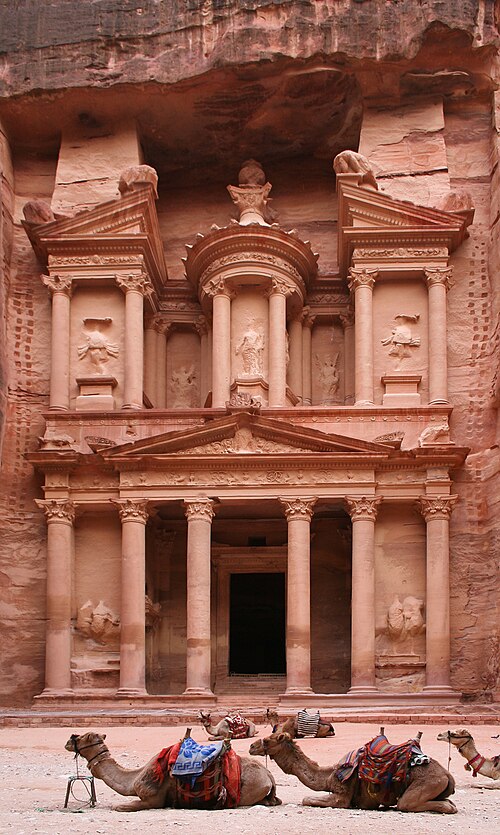
    Ad Deir, known locally as الدير, is a monumental rock-cut tomb within the Petra archaeological park in southern Jordan.

    • Must see
    • Historic monument
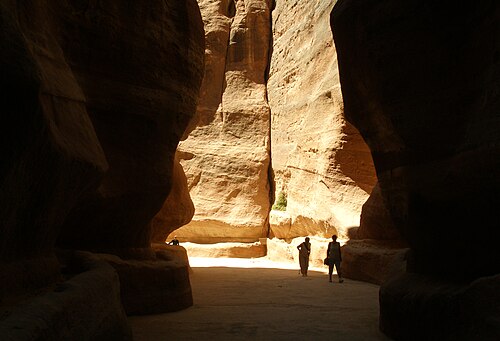
  2. The Siq The Siq
    03 1 hour

    The Siq

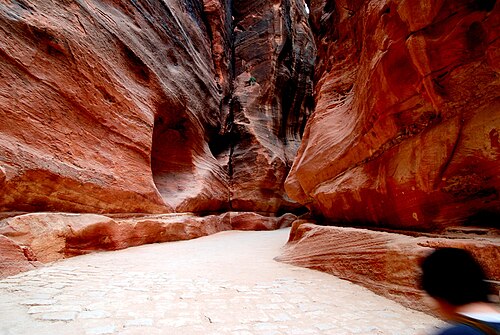
    The Siq is the principal entrance corridor leading into the ancient Nabataean city of Petra in southern Jordan.

    • Must see
    • Nature site
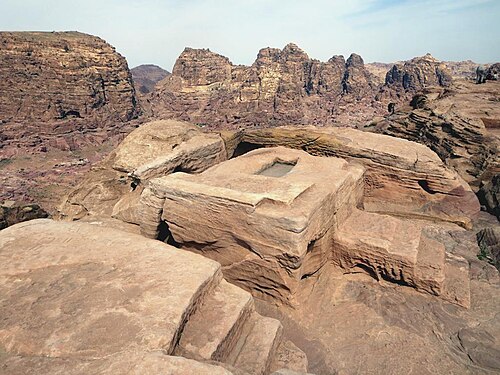
  3. High Place of Sacrifice High Place of Sacrifice
    04 45 min

    High Place of Sacrifice

    Al-Madbah

    The High Place of Sacrifice is an elevated ritual site within Petra, positioned on a mountain ridge above the ancient city. The open-air complex includes a rectangular platform, carved basins and channels associated with Nabataean religious ceremonies.

    • Must see
    • Historic monument
  4. Royal Tombs Royal Tombs
    05 45 min

    Royal Tombs

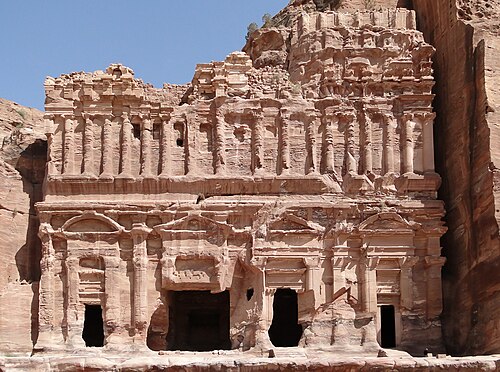
    The Royal Tombs are a monumental group of rock-cut facades in Petra’s rose-red sandstone landscape. The cluster includes the Urn Tomb, Silk Tomb, Corinthian Tomb, and Palace Tomb, each with a distinctive architectural treatment.

    • Must see
    • Historic monument
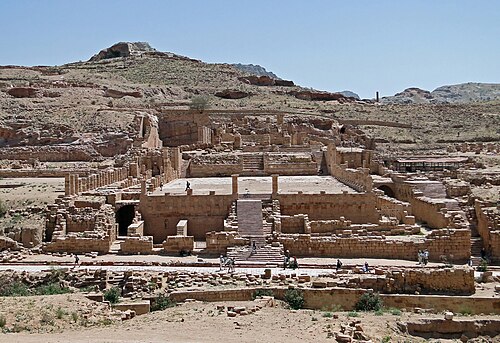
  5. Great Temple Great Temple
    06 45 min

    Great Temple

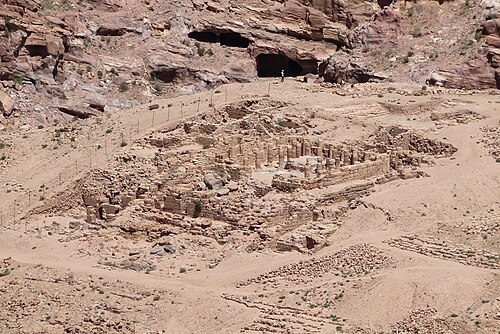
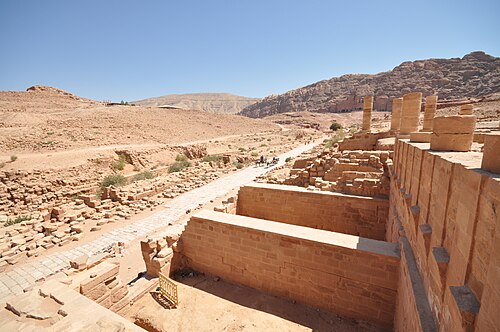
    The Great Temple of Petra is a major monumental complex within the Nabataean capital, situated near the city centre along the Colonnaded Street.

    • Must see
    • Historic monument
  6. Qasr al-Bint Qasr al-Bint
    07 45 min

    Qasr al-Bint

    قصر البنت

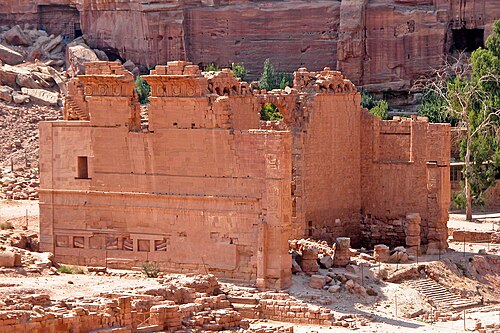
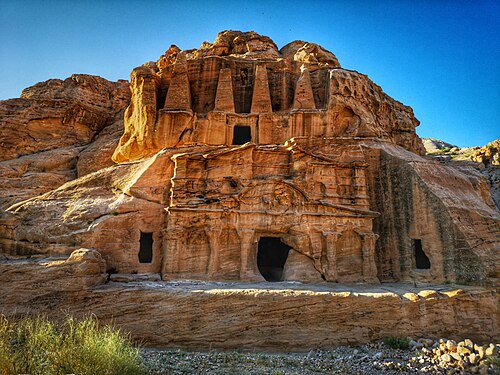
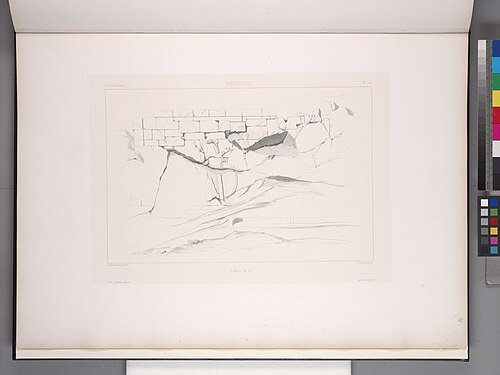
    Qasr al-Bint, meaning Palace of the Daughter or Maiden, stands as one of Petra's most significant freestanding ancient structures.

    • Must see
    • Historic monument
  7. Petra Theatre Petra Theatre
    08 45 min

    Petra Theatre

    The Theater

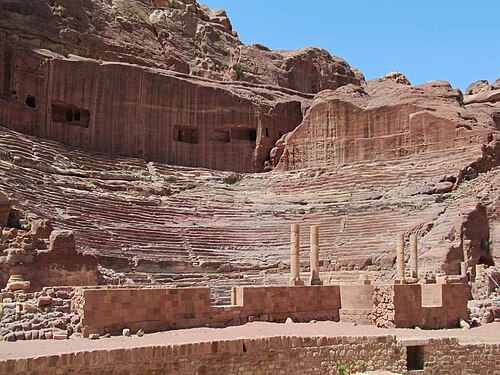
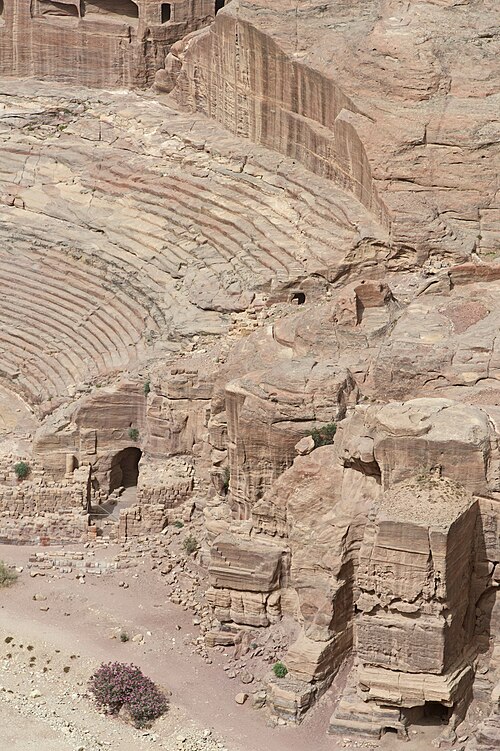
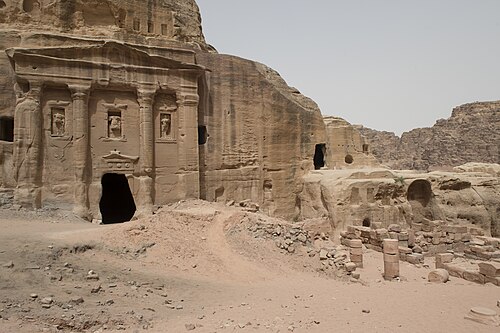
    Petra Theatre is a major archaeological monument within the ancient Nabataean city of Petra, Jordan. Carved partially into rock and built with freestanding masonry, this theatre represents one of the most significant surviving structures of Nabataean engineering.

    • Must see
    • Historic monument
  8. Byzantine Church, Petra Byzantine Church, Petra
    09 45 min

    Byzantine Church, Petra

    Byzantine Church

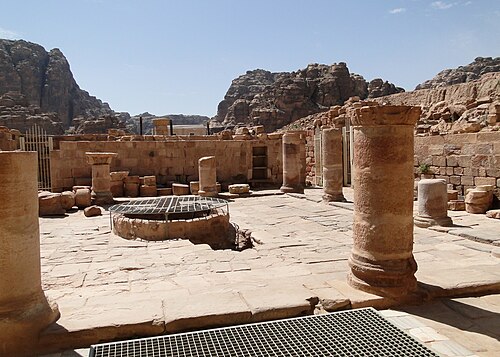
    The Byzantine Church at Petra is a late-antique religious structure situated within the ancient Nabataean city in southern Jordan. Archaeological evidence indicates the church was constructed during the Byzantine period, after Petra's decline as a major trade center.

    • Must see
    • Historic monument
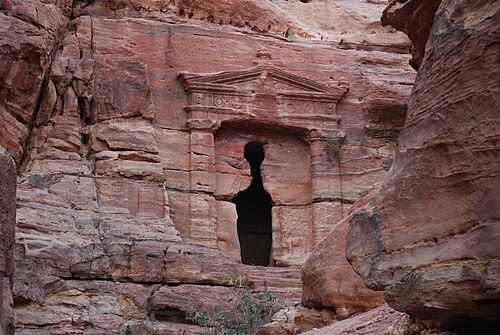
  9. Little Petra Little Petra
    10 45 min

    Little Petra

    البتراء الصغيرة

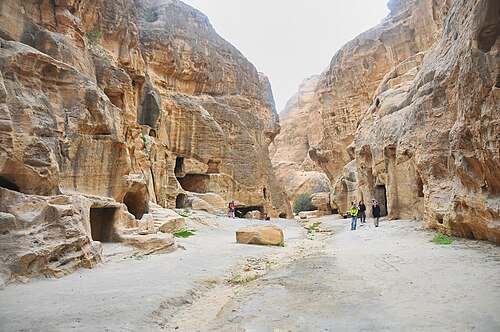
    Little Petra, also called Siq al-Barid, is a Nabataean archaeological site north of the main Petra complex in southern Jordan. Its name refers to the cool, narrow canyon through which visitors enter.

    • Must see
    • Historic monument
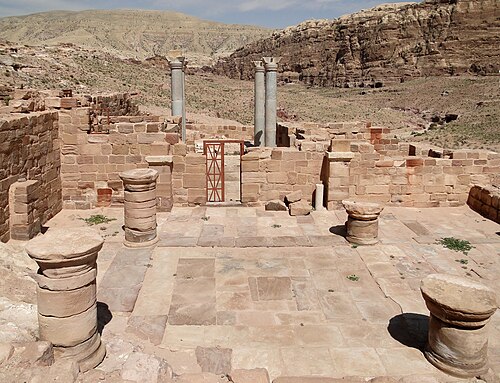
  10. Street of Facades Street of Facades
    11 45 min

    Street of Facades

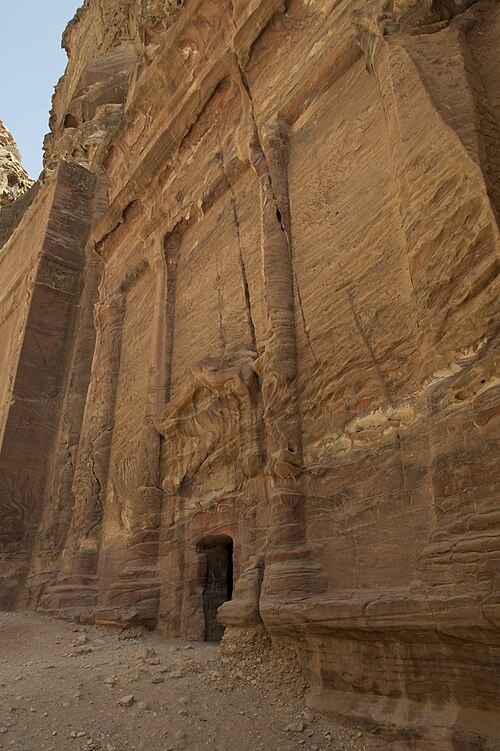
    The Street of Facades is a dense corridor of rock-cut tomb fronts inside Petra’s archaeological park. It follows the route beyond the Siq and presents a sequence of sandstone facades in different sizes and styles.

    • Must see
    • Historic monument
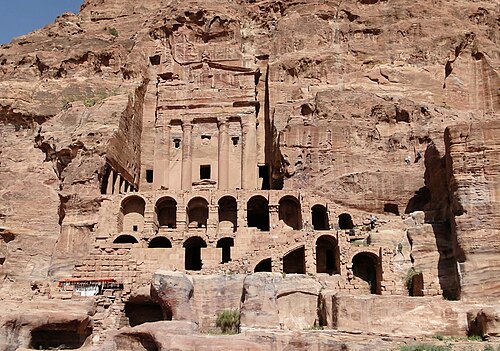
  11. Colonnaded Street (Cardo Maximus) Colonnaded Street (Cardo Maximus)
    12 45 min

    Colonnaded Street (Cardo Maximus)

    The Colonnaded Street is a major ancient thoroughfare within the Petra archaeological site in Jordan. It represents a significant urban feature of the Nabataean and later Roman city, serving as a principal processional and commercial route.

    • Must see
    • Historic monument
  12. Petra Museum Petra Museum
    13 1 hr 30 min

    Petra Museum

    Petra Museum is a cultural stop within the Petra archaeological park in southern Jordan. It helps place the surrounding ruins in the story of the Nabataean capital, a city shaped by trade, stone carving and sophisticated water management.

    • Must see
    • Museum
  13. Temple of the Winged Lions Temple of the Winged Lions
    14 45 min

    Temple of the Winged Lions

    The Temple of the Winged Lions is a Nabataean religious complex within Petra’s archaeological park. Its name comes from winged lion figures carved on the capitals of its columns.

    • Must see
    • Historic monument
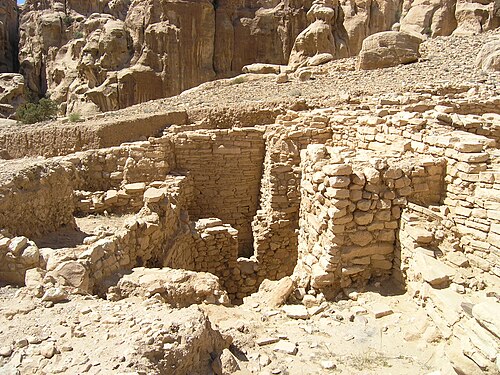
  14. Bab al-Siq Bab al-Siq
    15 45 min

    Bab al-Siq

    Bab al-Siq is the gateway entrance to the Siq, the narrow gorge that serves as the main approach to the ancient Nabataean city of Petra in southern Jordan.

    • Must see
    • Historic monument
  15. Djinn Blocks Djinn Blocks
    16 45 min

    Djinn Blocks

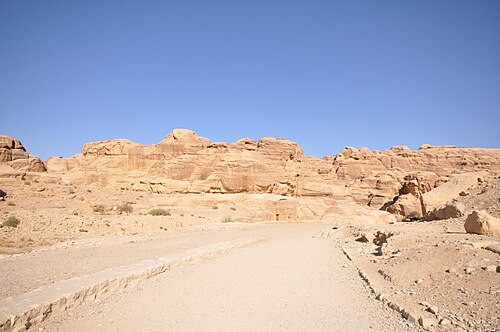
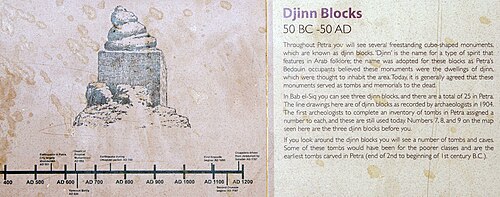
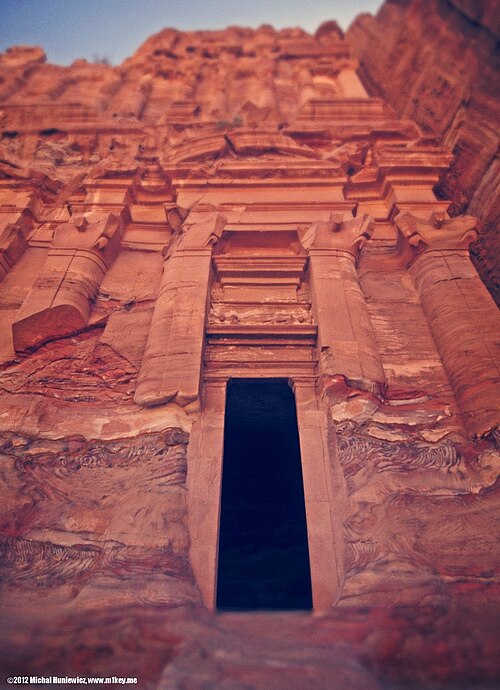
    Djinn Blocks are among the oldest surviving monuments at Petra, predating the elaborate Nabataean rock-cut facades that made the city famous. These simple, cube-shaped stone structures stand near the park entrance and represent an early phase of Nabataean funerary architecture.

    • Must see
    • Historic monument
  16. Obelisk Tomb Obelisk Tomb
    17 45 min

    Obelisk Tomb

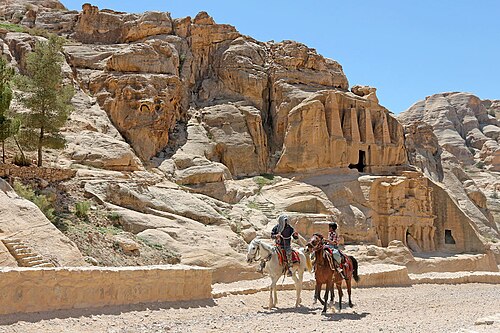
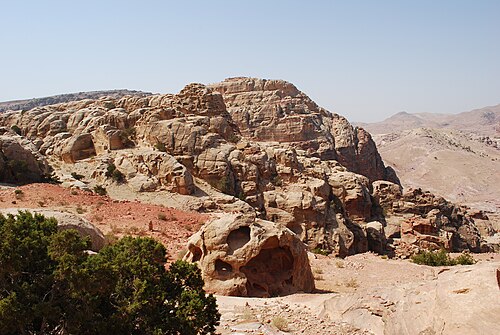
    The Obelisk Tomb stands at the entrance to the Siq, the narrow gorge leading into Petra. It is among the first monuments visitors encounter when approaching the ancient Nabataean city.

    • Must see
    • Historic monument
  17. Nymphaeum Nymphaeum
    18 45 min

    Nymphaeum

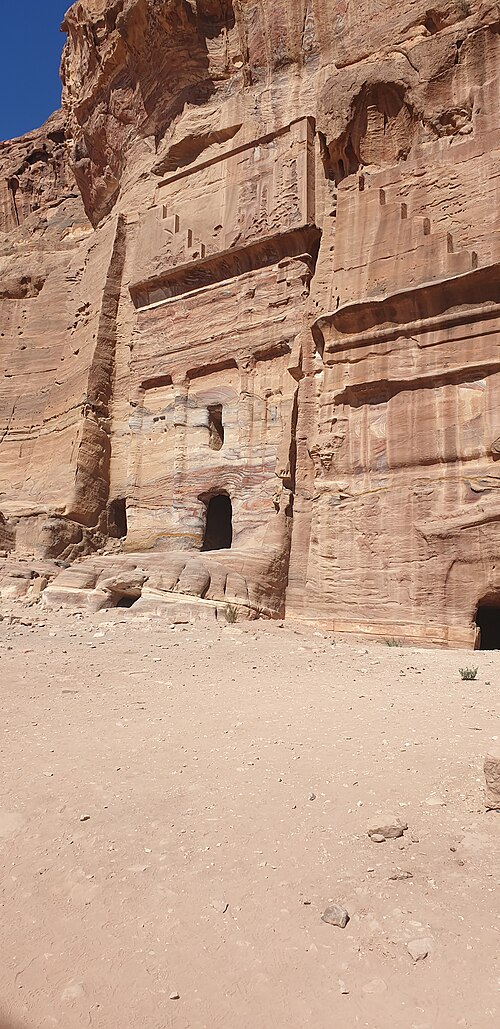
    Nymphaeum is a monumental fountain on Petra’s main colonnaded street in southern Jordan. It belongs to the central urban area, where public architecture, movement and water management once came together.

    • Must see
    • Historic monument
  18. Temenos Gate Temenos Gate
    19 45 min

    Temenos Gate

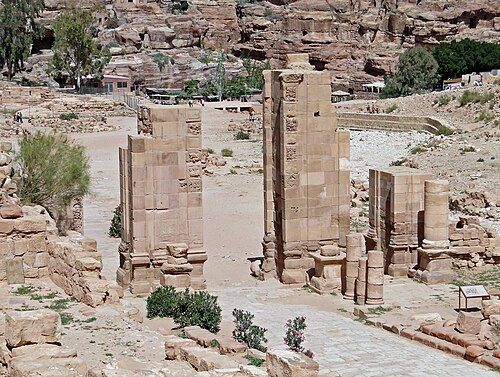
    Temenos Gate is a monumental gateway within the Petra archaeological park in southern Jordan. It stands as a significant architectural feature along the ancient processional route through the city.

    • Must see
    • Historic monument
  19. Tomb of the Roman Soldier Tomb of the Roman Soldier
    20 45 min

    Tomb of the Roman Soldier

    Roman Soldier's tomb

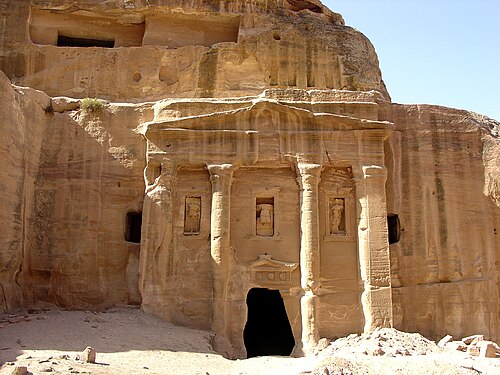
    The Tomb of the Roman Soldier is a rock-cut burial monument within the Petra archaeological park in southern Jordan.

    • Must see
    • Historic monument
  20. Jebal el Habis (Crusader castle) Jebal el Habis (Crusader castle)
    21 45 min

    Jebal el Habis (Crusader castle)

    Crusaders Castle

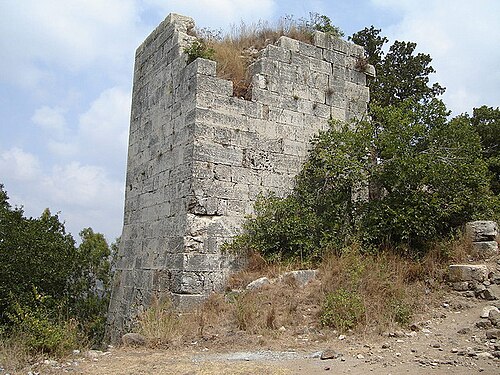
    Al-Habis Crusader Fort, also known as Jebal el Habis, is a medieval hilltop fortification within the Petra landscape.

    • Must see
    • Historic monument
  21. Tomb of Aaron Tomb of Aaron
    22 30 min

    Tomb of Aaron

    ضريح النبي هارون

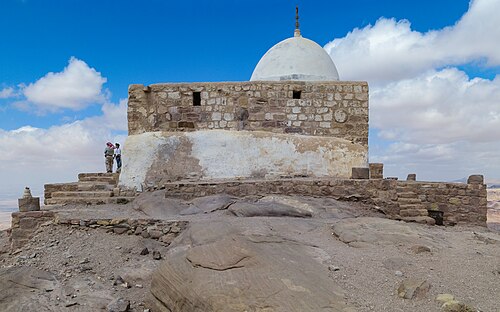
    The Tomb of Aaron is a small shrine on Jabal Harun near Petra, traditionally associated with Aaron, the brother of Moses.

    • Must see
    • Place of worship
  22. Jabal Khabathah Jabal Khabathah
    23 20 min

    Jabal Khabathah

    Jebel Khabtha

    Jabal Khabathah is a named mountain in the Petra area, identified locally with the Arabic name جبل خباثة- الخبزة. It belongs to the rugged sandstone landscape surrounding the archaeological park and offers a topographic counterpoint to Petra’s carved monuments.

    • Must see
    • Viewpoint
  23. Sextius Florentinus Tomb at Petra Sextius Florentinus Tomb at Petra
    24 45 min

    Sextius Florentinus Tomb at Petra

    Sextius Florentinus Tomb

    The Tomb of Sextius Florentinus is a rock-cut funerary monument within Petra’s extensive archaeological park. Its name connects the tomb with Sextius Florentinus, a Roman official, illustrating the layered history of a Nabataean city that later came under Roman influence.

    • Must see
    • Historic monument
  24. Petra Pool and Garden Complex Petra Pool and Garden Complex
    25 45 min

    Petra Pool and Garden Complex

    Garden and Pool Complex

    Petra Pool and Garden Complex is an archaeological feature within Petra’s ancient city in southern Jordan. The name points to the relationship between water and cultivated space, two elements that were especially significant in a dry landscape.

    • Must see
    • Historic monument
  25. Bab al-Siq Triclinium - Obelisk Tomb Bab al-Siq Triclinium - Obelisk Tomb
    26 45 min

    Bab al-Siq Triclinium - Obelisk Tomb

    Bab al-Siq Triclinium

    Bab al-Siq Triclinium is a named Nabataean rock-cut dining chamber in Petra, set in the Bab al-Siq approach before the route narrows into the Siq.

    • Must see
    • Historic monument
  26. Unfinished Tomb Unfinished Tomb
    27 45 min

    Unfinished Tomb

    The Unfinished Tomb is a rock-cut monument within the Petra archaeological park in southern Jordan. It demonstrates Nabataean craftsmanship interrupted mid-process, with visible chisel marks and partially carved facades revealing ancient construction techniques.

    • Must see
    • Historic monument
  27. Renaissance Tomb Renaissance Tomb
    28 45 min

    Renaissance Tomb

    Renaissance Tomb is a named monument within Petra's archaeological park in southern Jordan. It belongs to the city's collection of rock-cut tombs and facades, where sandstone cliffs were shaped into funerary architecture.

    • Must see
    • Historic monument
  28. The Lion Triclinium The Lion Triclinium
    29 45 min

    The Lion Triclinium

    Lion Triclinium

    The Lion Triclinium is a rock-cut monument within the Petra archaeological park in southern Jordan. It takes its name from two eroded lion sculptures that flank its entrance.

    • Must see
    • Historic monument
  29. Blue Chapel, Petra Blue Chapel, Petra
    30 45 min

    Blue Chapel, Petra

    Blue Chapel

    The Blue Chapel is a named monument within the Petra archaeological park in Jordan. It derives its name from the blue-toned Egyptian granite columns that distinguish it from other structures in the ancient Nabataean city.

    • Must see
    • Historic monument
  30. Urn Tomb (Petra) Urn Tomb (Petra)
    31 45 min

    Urn Tomb (Petra)

    Urn Tomb

    Urn Tomb is one of Petra's major rock-cut funerary monuments. Its name comes from the urn that crowns the facade, while its elevated position gives it a commanding relationship with the valley below.

    • Must see
    • Historic monument
  31. Snake Monument Snake Monument
    32 45 min

    Snake Monument

    Snake Monument is a named feature within Petra's archaeological park in southern Jordan. Its name gives the stop a distinctive identity among the ancient city's carved facades, tombs, trails and natural sandstone formations.

    • Must see
    • Historic monument
  32. Ba'ja Ba'ja
    33 45 min

    Ba'ja

    Ba'ja is an archaeological site located near Petra in southern Jordan. The local name is بعجة. It represents a prehistoric settlement that predates the famous Nabataean city, offering evidence of early human occupation in the region.

    • Must see
    • Historic monument
  33. Moghar Annassara - Christian Tombs at Petra
    34 45 min

    Moghar Annassara - Christian Tombs at Petra

    Mughar an-Nasara

    Moghar Annassara, known as the Christian Tombs, forms part of the extensive burial architecture within the Petra archaeological park in southern Jordan. These rock-cut tombs reflect the later Christian presence at Petra after the city's Nabataean and Roman periods.

    • Must see
    • Historic monument
  34. Jabal Harun
    35 20 min

    Jabal Harun

    جبل النبي هارون

    Mount Hor, also called Jabal al-Nabi Harun, is a prominent mountain in the Petra visitor area of southern Jordan. Its name connects the summit with Aaron, the brother of Moses, and gives the landscape religious meaning for several traditions.

    • Must see
    • Viewpoint
  35. Corinthian Tomb at Petra Corinthian Tomb at Petra
    36 45 min

    Corinthian Tomb at Petra

    Corinthian Tomb

    The Corinthian Tomb is a rock-cut facade within the Petra archaeological park in southern Jordan. It forms part of the Street of Facades, a dense cluster of Nabataean tombs carved into the sandstone cliffs east of the Treasury.

    • Must see
    • Historic monument
  36. Jebel al-Madhbah Jebel al-Madhbah
    37 20 min

    Jebel al-Madhbah

    جبل المذبح

    Jebel al-Madhbah is a mountain in or beside Petra’s archaeological landscape in southern Jordan. Its Arabic name means “altar mountain,” and the rugged sandstone summit gives the site a strong connection with Petra’s elevated terrain and religious associations.

    • Must see
    • Viewpoint
  37. Palace Tomb (Petra) Palace Tomb (Petra)
    38 45 min

    Palace Tomb (Petra)

    Palace Tomb

    The Palace Tomb stands among the Royal Tombs in Petra's archaeological park, a Nabataean rock-cut facade distinguished by its three-story architectural composition. Its upper level resembles a palace structure, giving the monument its modern name.

    • Must see
    • Historic monument
  38. Jabal Um el Biyar
    39 20 min

    Jabal Um el Biyar

    Umm al Biyara

    Jabal Um el Biyar is a named summit in the mountainous landscape around Petra and Wadi Musa. It is part of the rugged high terrain surrounding the ancient Nabataean city, offering a quieter alternative to Petra’s celebrated valley monuments.

    • Must see
    • Viewpoint
  39. Silk Tomb at Petra Silk Tomb at Petra
    40 45 min

    Silk Tomb at Petra

    Silk Tomb

    The Silk Tomb is a rock-cut facade within the Petra archaeological park in southern Jordan. It earns its name from the richly colored, banded sandstone surface that resembles flowing silk fabric.

    • Must see
    • Historic monument

Source: OpenStreetMap contributors, Wikidata ·

How the city is laid out

The Petra Visitor Centre and archaeological entrance sit at the lower western edge of Wadi Musa. The town rises eastward along steep roads lined with hotels, restaurants and local services. Inside Petra, the principal route runs from the entrance through the Siq toward the Treasury and onward into the ancient city. Little Petra and back-trail access are separate journeys north of the main entrance.

Checked 2026-08-26

Getting around

Walk between nearby Wadi Musa accommodation and the Visitor Centre when the slope and distance are suitable; otherwise use local transport arranged through a verified provider. Petra itself requires substantial walking. The official site also describes a shuttle from the Visitor Centre toward the Nabataean Cultural Village and a paid jeep connection used for the Little Petra back-trail approach to the Monastery.

Checked 2026-08-26

Common questions

Why is the Petra city page mapped to Wadi Musa?

Petra is the archaeological site, while Wadi Musa is the adjacent town containing the visitor entrance, accommodation and local services. The existing URL architecture therefore keeps the city page at Jordan/Wadi Musa.

How many days should I stay in Wadi Musa?

A fixed official stay length is not recorded. Allow time according to the Petra routes you intend to walk and any separate Little Petra or back-trail plan.

Can I walk from Wadi Musa to Petra?

Many properties sit near the Visitor Centre, but Wadi Musa rises steeply away from the entrance. Check the actual distance and elevation of your accommodation before deciding to walk.

Is Petra explored mainly on foot?

Yes. The main archaeological route involves long walking distances from the Visitor Centre through the Siq and into the ancient city, so route choice should drive the day plan.

Is there transport to the Petra back trail?

The official Petra site describes a shuttle and paid jeep connection via the Nabataean Cultural Village and Little Petra for the back-trail approach. Confirm current operation before travel.