


2 min walk
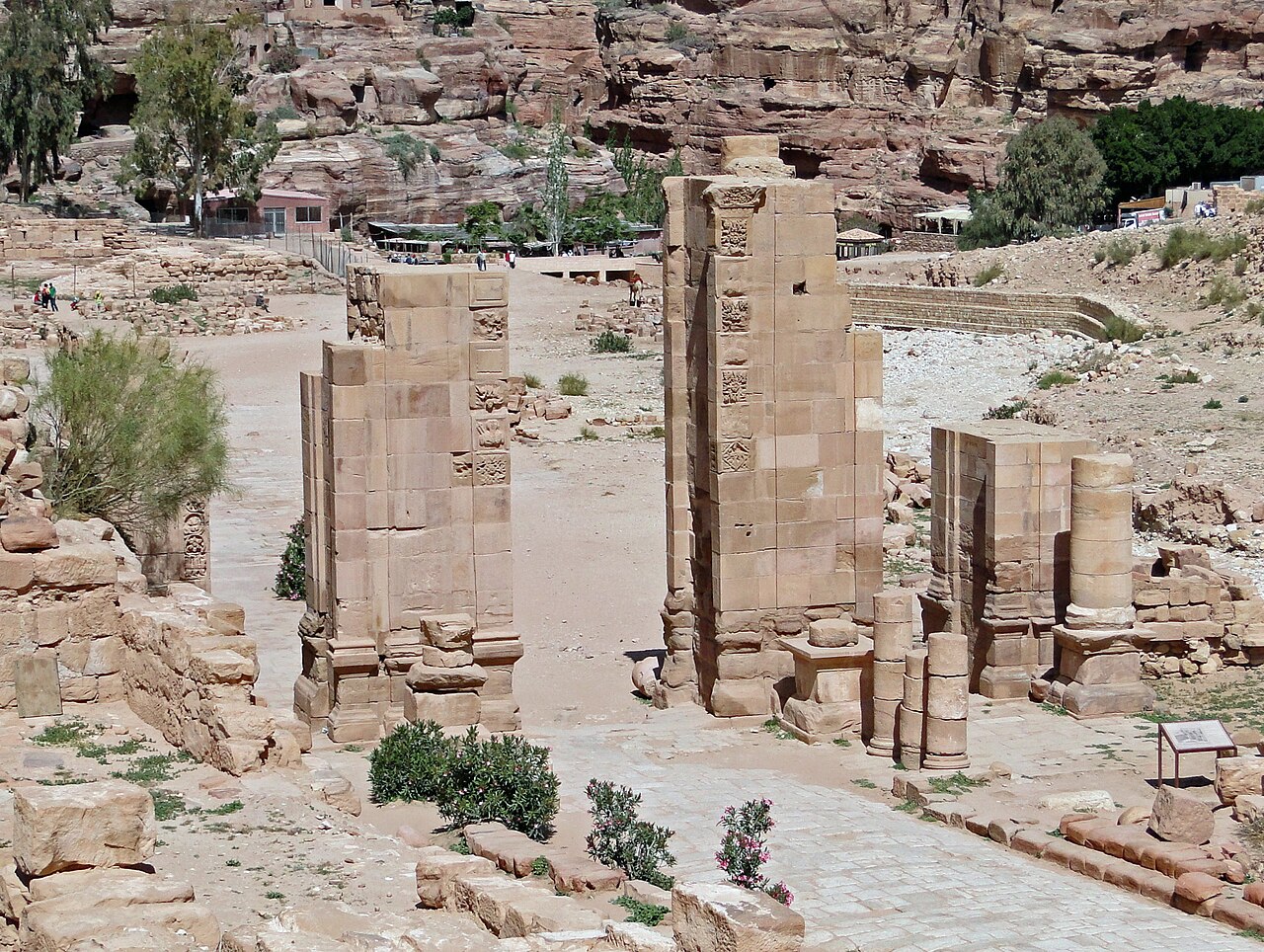
Temenos Gate
- Must see
- Historic site
Historic site · Wadi Musa
| Per person | JOD 1.000 Standard admission Adult |
|---|---|
| Per person | JOD 50.000 Standard admission Foreign visitors |
| Per person | Free entry Standard admission Ages up to 11 |
| Per person | JOD 90.000 Foreign visitors |
Checked 2026-11-04 · Source
Source · Checked 2026-08-31
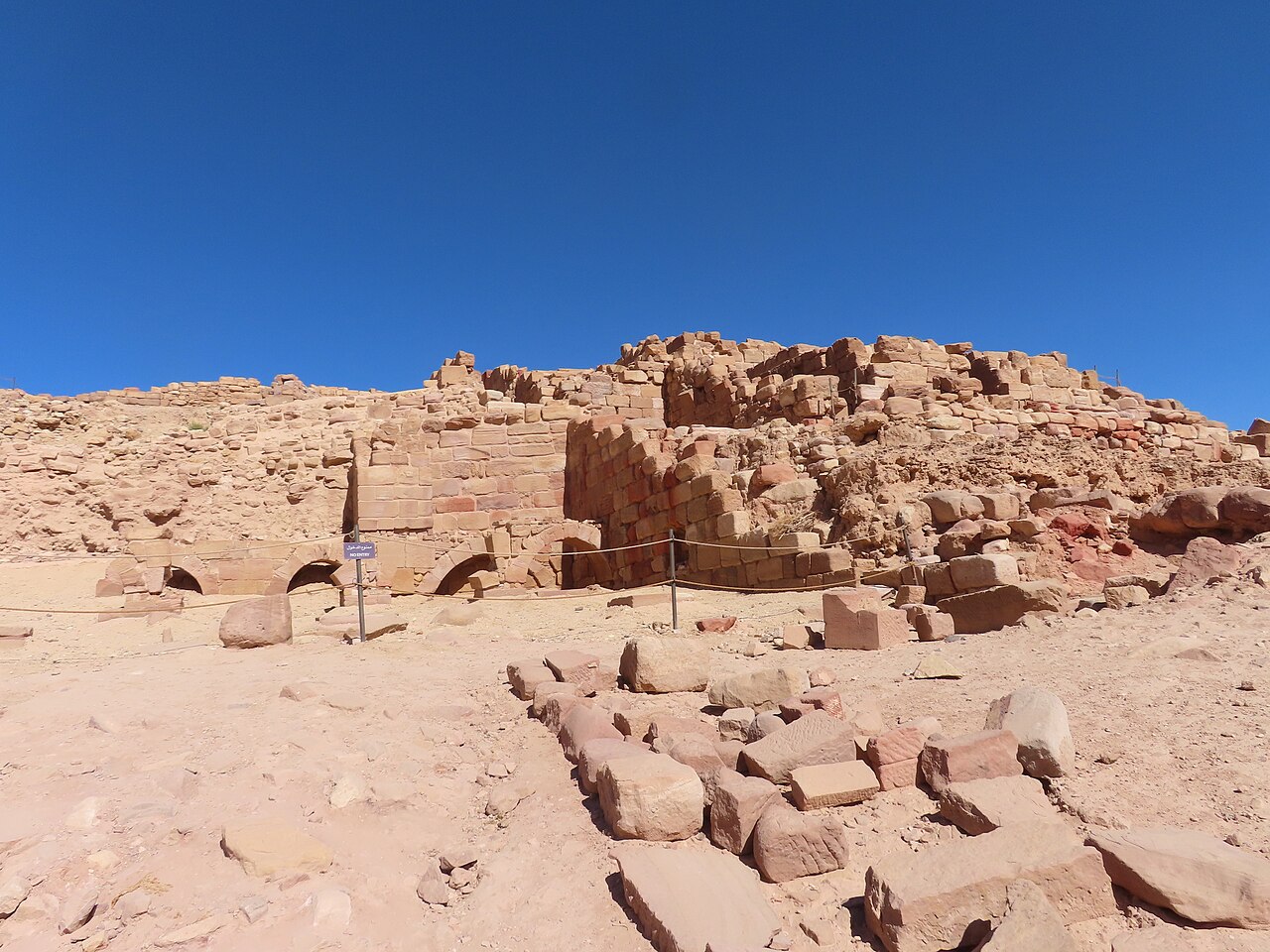
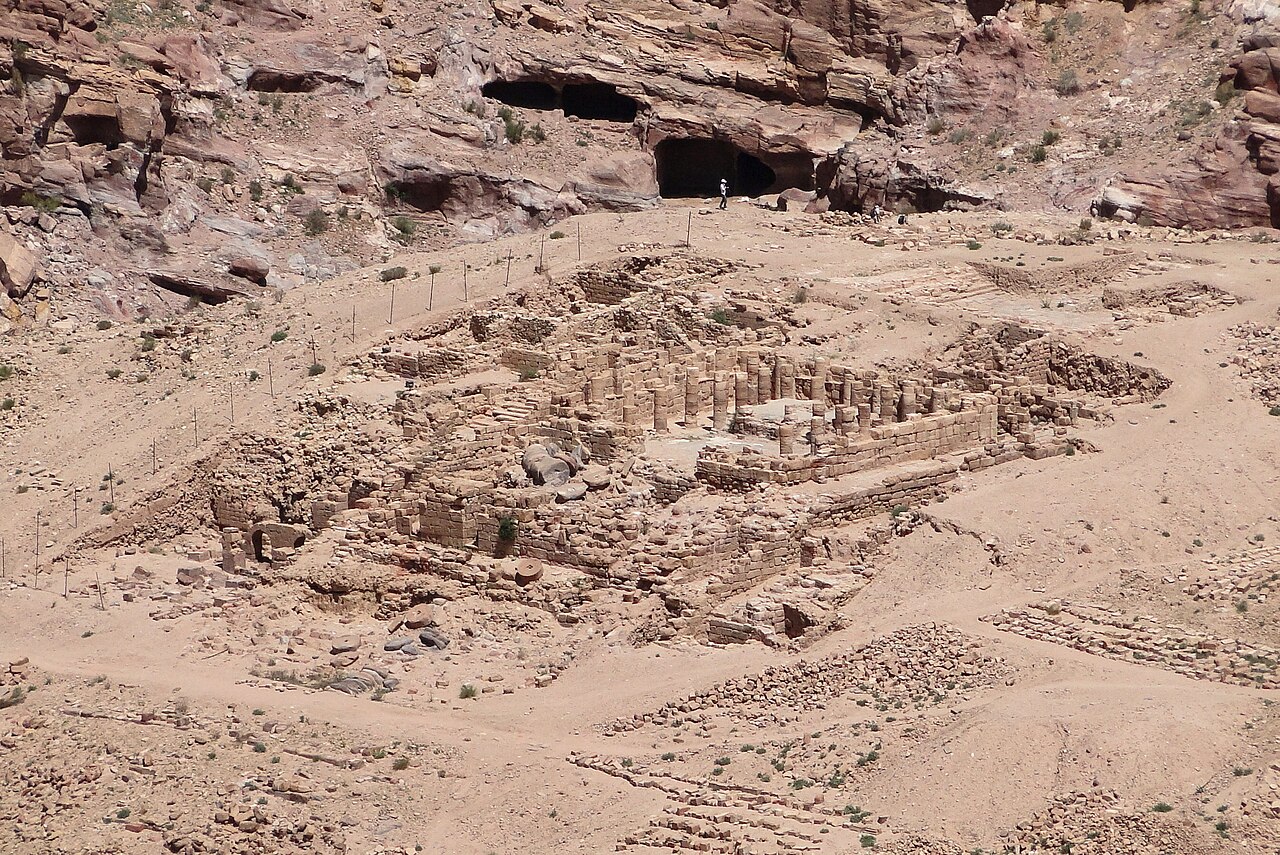
The Temple of the Winged Lions is a Nabataean religious complex within Petra’s archaeological park. Its name comes from winged lion figures carved on the capitals of its columns. The temple stands on a ridge above the city centre and includes a raised sanctuary, courtyard, and associated rooms. Its location and scale make it a valuable stop for understanding Petra’s religious architecture, the organisation of sacred space, and the architectural ambition of the Nabataean capital.
Checked 2026-08-26 · Source
The surviving remains include foundation walls, column bases, stone fragments, and architectural pieces from the former sanctuary. Excavated material includes fragments associated with winged lion capitals, column drums, architraves, and decorative stonework. A raised platform, steps, drainage features, and underground chambers help visitors reconstruct the complex’s internal organisation. Rather than a complete standing temple, the site is read through its archaeological remains and the relationship between the sanctuary, courtyard, ridge, and surrounding city. The temple interior originally featured a raised sanctuary platform accessible by steps, surrounded by columns with distinctive winged lion capitals. Excavations have revealed fragments of these capitals, along with architectural elements including column drums, architraves, and decorative stonework. The site contains evidence of an elaborate drainage system and subterranean chambers.
Checked 2026-08-26 · Source
Allow thirty to sixty minutes for the Temple of the Winged Lions. This gives you time to move carefully across the excavated ground, identify the sanctuary platform and column remains, and study the fragments and drainage features. Archaeology enthusiasts may stay longer to consider the temple’s position above the city and its religious layout. Most travellers visit it as one stop in a wider Petra route, so include the walking time between nearby monuments.
Checked 2026-08-26 · Source
The temple occupies exposed ground with little shade. Morning and late afternoon are more comfortable during warmer months, and lower-angle light can make the remaining stonework easier to read. Winter brings cooler conditions and occasional rain, while shorter daylight affects how much of the wider route you can cover. Include this monument when you have enough time and energy for uneven walking, and remember that archaeological work can affect access within parts of the site.
Checked 2026-08-26 · Source
The Temple of the Winged Lions is inside Petra’s archaeological park and is visited with general park admission. It is not a separate ticketed destination with its own independent entrance. Park tickets can vary according to visitor category and duration, while guided services, transport, and other additions are separate parts of the wider experience. Keep your admission available as you move between the temple and the other monuments of the archaeological zone.
Checked 2026-08-26 · Source
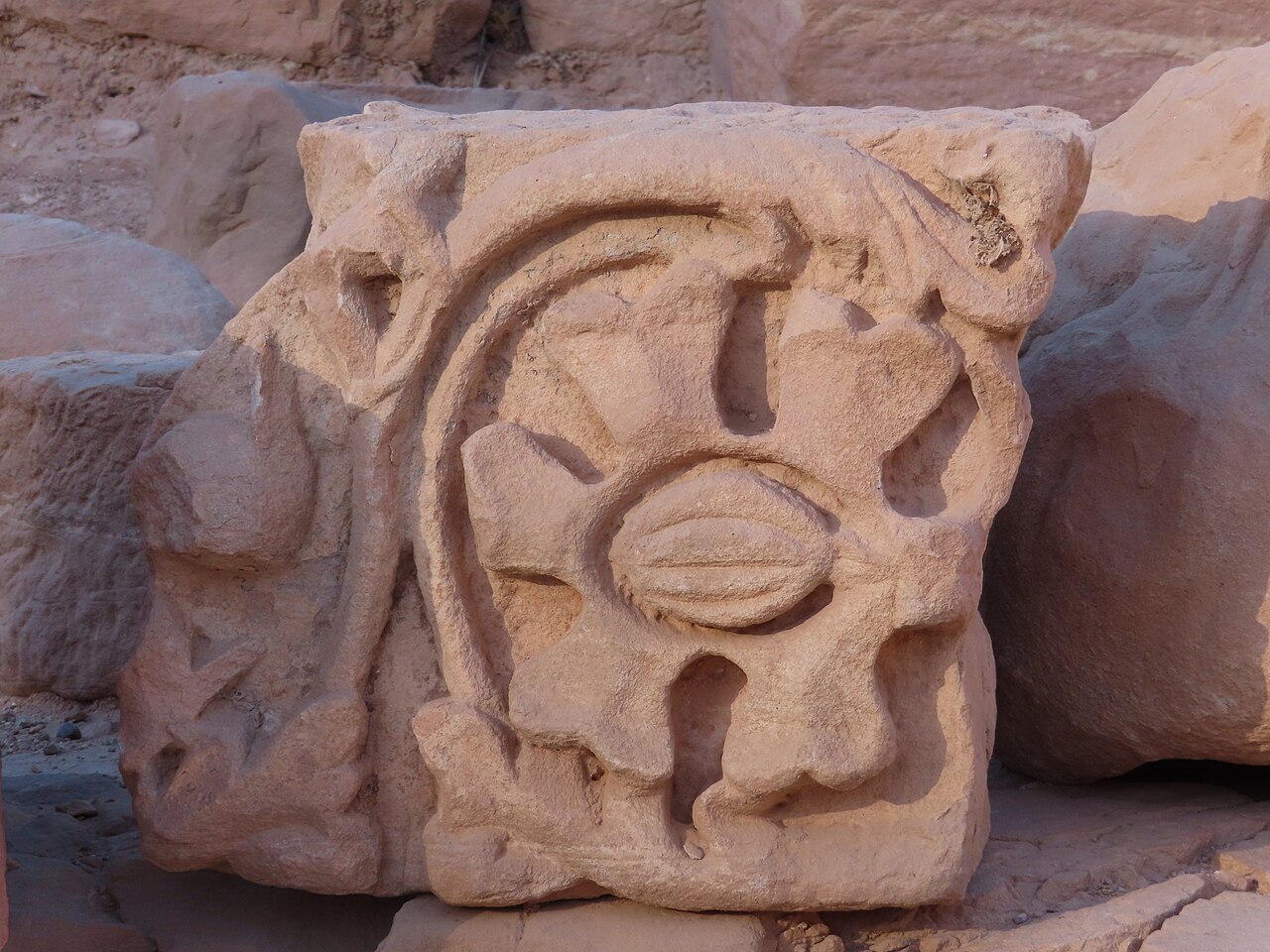
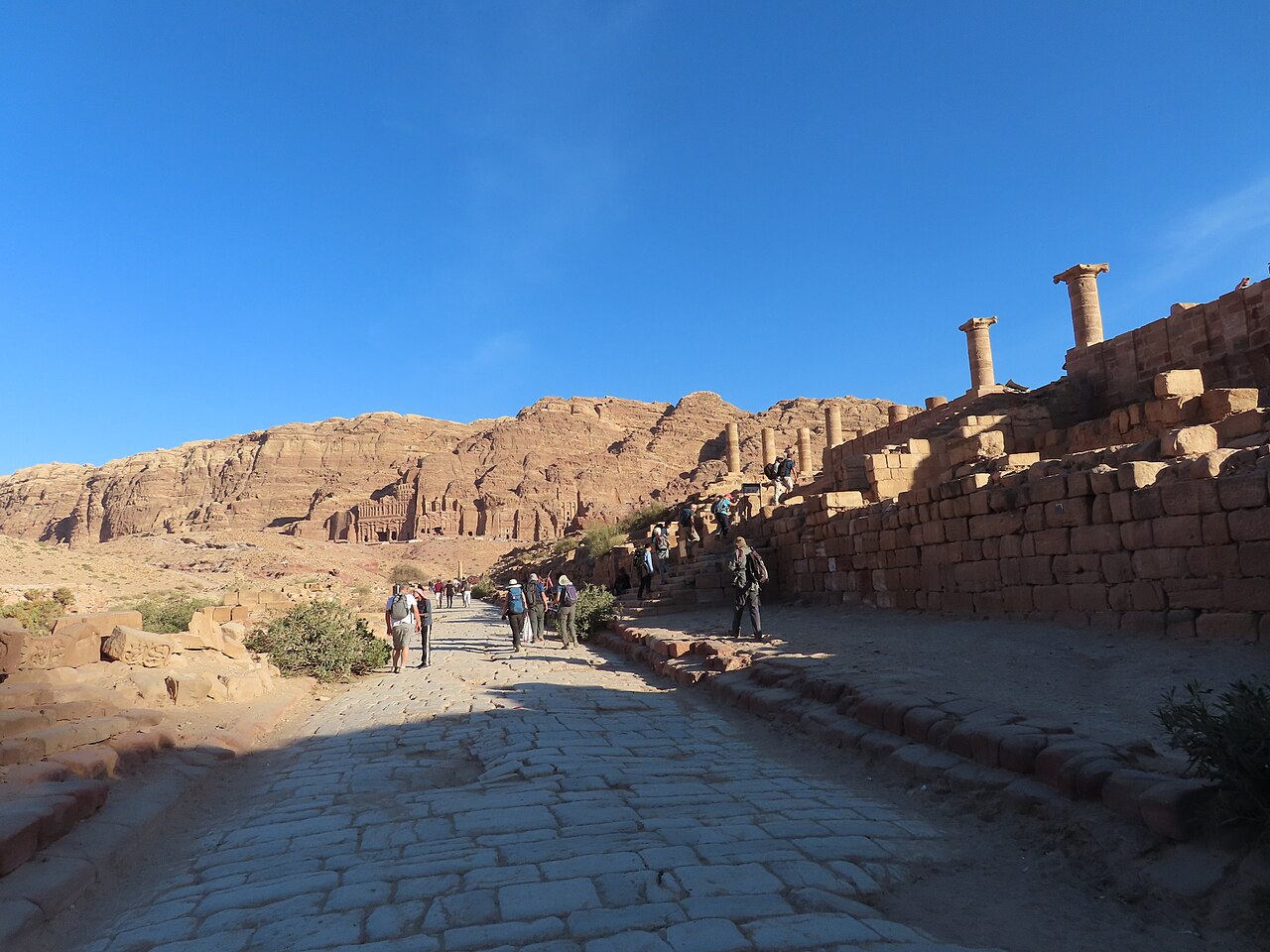
Reach the temple on foot after entering Petra through the Siq and continuing past the Treasury toward the city centre. From the central route, the approach climbs toward the ridge near the colonnaded street. Expect a mixture of established paths, loose stones, and ascending sections. Vehicles do not enter the archaeological core, so plan for substantial walking in exposed conditions and choose footwear that remains comfortable and secure over uneven ground.
Checked 2026-08-26 · Source
Excavated ground, loose stones, exposed masonry, and changes in level create trip hazards around the temple. Some elevated edges lack continuous guardrails, so move carefully and keep away from unstable or protected areas. Shade is limited, and the monument sits far enough inside the park that assistance may not be immediate. Carry water, protect yourself from the sun, and never climb, move, or handle architectural fragments. Follow any temporary restrictions connected with archaeological work.
Checked 2026-08-26 · Source
The temple’s ridge setting lets you frame excavated architecture against Petra’s wider desert landscape. Low morning or late-afternoon light brings out relief, stone texture, column bases, and scattered fragments. Try several viewpoints because the remains are distributed across the site rather than concentrated in one intact facade. Keep away from active archaeological areas, avoid placing equipment on masonry, and make room for other walkers. Responsible photography preserves the quiet, fragile character of the monument.
Checked 2026-08-26 · Source
No. The Treasury is the famous facade near the end of the Siq, while the Temple of the Winged Lions stands deeper in Petra on a ridge above the city centre.
The original winged lion capitals are largely fragmentary. Visitors see recovered pieces, architectural remains, column bases, and foundations rather than complete lion figures standing in place.
Yes. The temple is reached by walking within Petra’s archaeological park. Stay on established routes and respect protected areas or restrictions connected with archaeological work.
The approach requires substantial walking over uneven excavated ground, loose stones, and ascending sections. These conditions can make independent access difficult for visitors with limited mobility.
Allow about thirty to sixty minutes to examine the sanctuary platform, foundations, column remains, drainage features, and architectural fragments.
Bring water, sun protection, and sturdy footwear. The temple sits on exposed, uneven ground with limited shade and forms part of a longer walking route through Petra.
Loading the interactive map…
The interactive map could not be loaded.
Last updated:
Source: OpenStreetMap contributors, Wikidata ·