


1 min walk
Unfinished Tomb
- Must see
- Historic site

Historic site · Wadi Musa
Crusaders Castle
| Monday | 06:00 – 18:00 |
|---|---|
| Tuesday | 06:00 – 18:00 |
| Wednesday | 06:00 – 18:00 |
| Thursday | 06:00 – 18:00 |
| Friday | 06:00 – 18:00 |
| Saturday | 06:00 – 18:00 |
| Sunday | 06:00 – 18:00 |
Checked 2026-08-31 · Source
| Per person | JOD 1.000 Standard admission Adult |
|---|---|
| Per person | JOD 50.000 Standard admission Foreign visitors |
| Per person | Free entry Standard admission Ages up to 11 |
| Per person | JOD 90.000 Foreign visitors |
Checked 2026-11-04 · Source
Source · Checked 2026-08-31
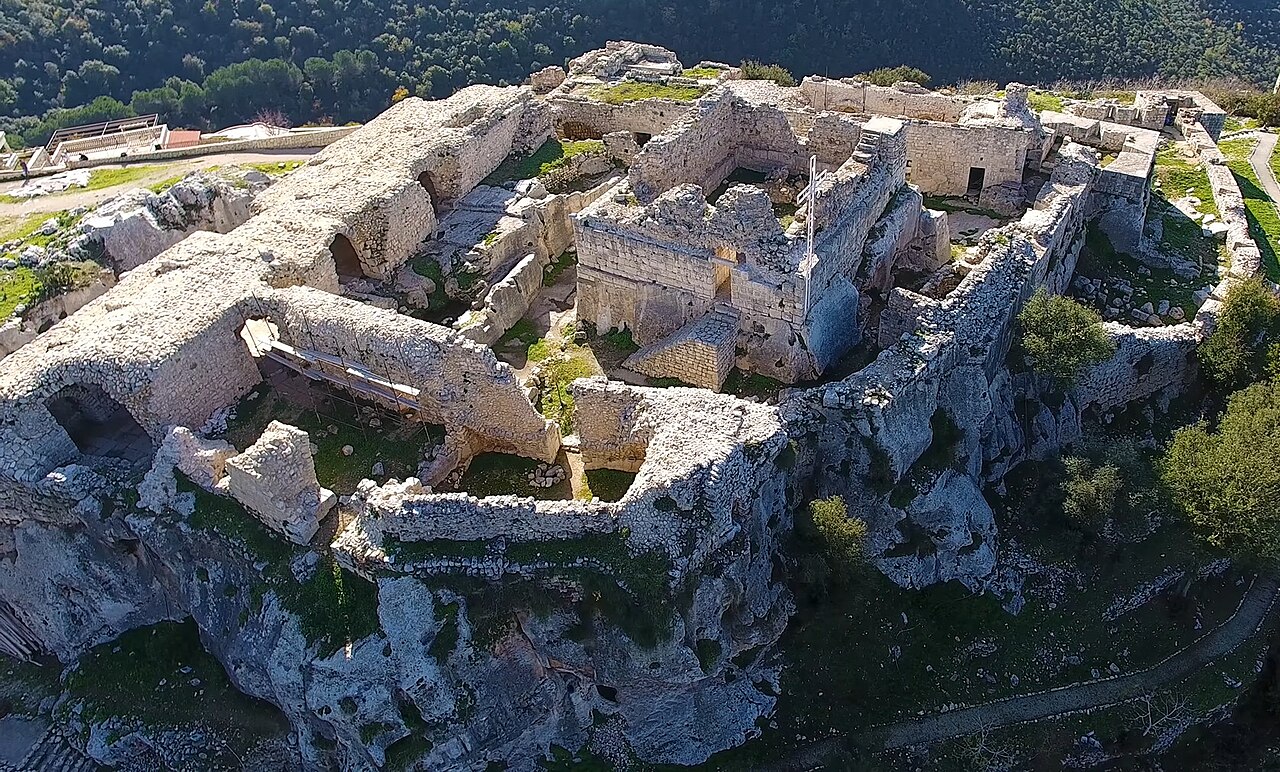
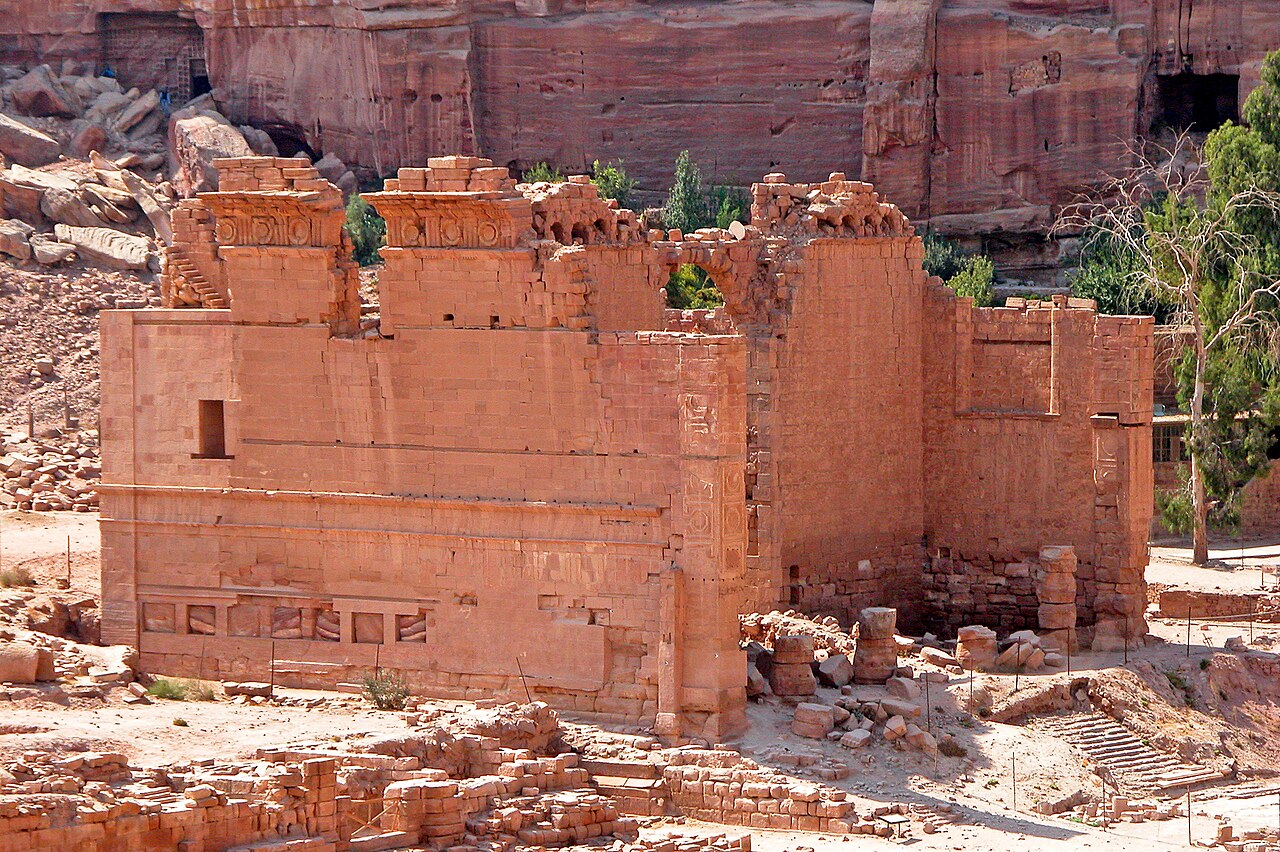
Al-Habis Crusader Fort, also known as Jebal el Habis, is a medieval hilltop fortification within the Petra landscape. Its elevated position gives the site a different character from Petra’s famous Nabataean facades: the focus here is defensive stone architecture and the relationship between a stronghold and the rugged terrain. The fort is quieter than the Treasury route and suits visitors who want to see another historical layer of the Petra area. Treat it as a walking destination with a viewpoint, not as a polished museum attraction. Jebal el Habis is a Crusader-era fortification situated within the Petra archaeological landscape in southern Jordan. The structure occupies an elevated position on a hill, commanding views over the surrounding terrain. It represents medieval military architecture from the period of Crusader presence in the Levant. The site forms part of the broader Petra visitor area, though it receives less attention than the famous Nabataean rock-cut monuments. Standard Petra park admission presumably covers this location, but visitors should verify with official authorities.
Checked 2026-08-26 · Source
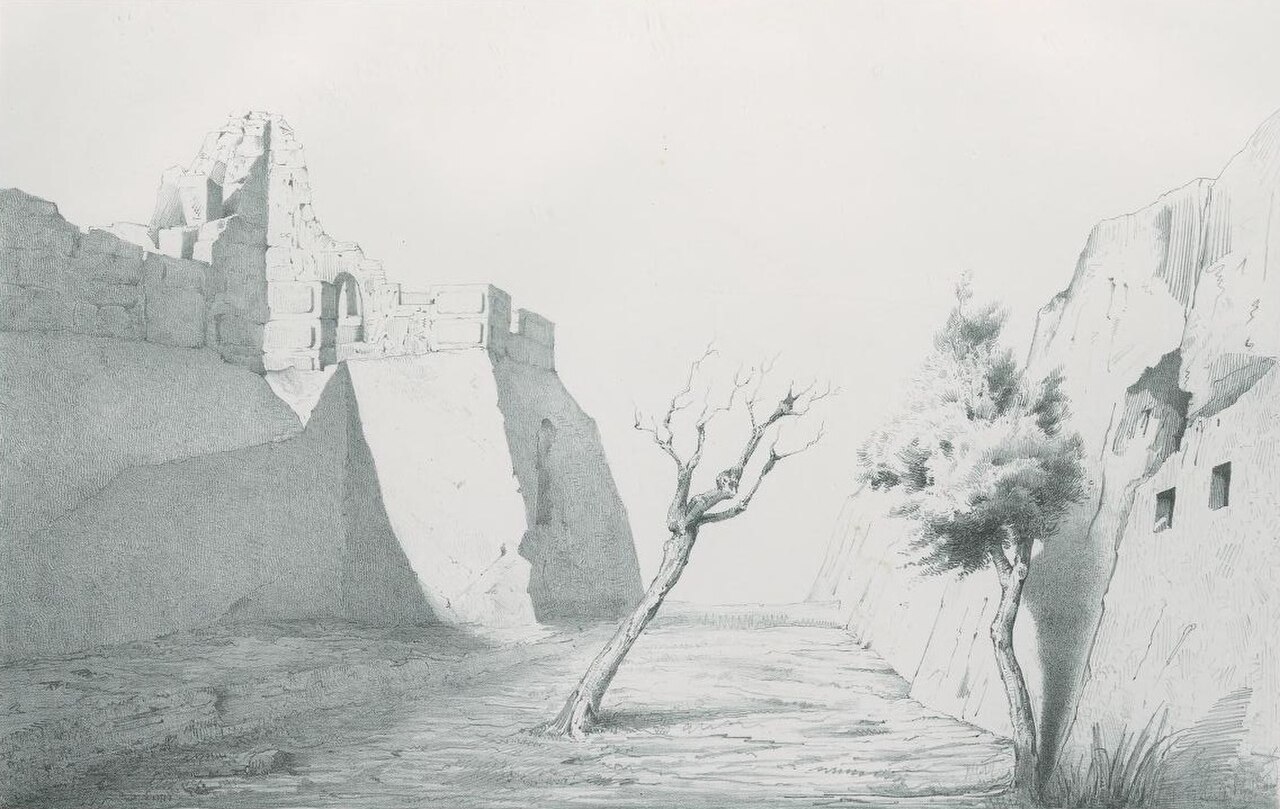
The remains include stone defensive walls, foundations and the compact spaces of a hilltop stronghold. The layout reflects construction adapted to the natural summit, with elevated positions that could oversee surrounding approaches. As you move through the ruins, focus on the thickness and placement of the surviving masonry rather than expecting intact rooms. The fort’s worn stone surfaces and open setting make the terrain part of the experience. Its military character provides a useful contrast with Petra’s carved tombs and civic monuments.
Checked 2026-08-26 · Source
Allow roughly thirty minutes to one hour for Al-Habis, including the walk up and time among the ruins. The compact remains do not require a long indoor-style visit, but the ascent and pauses for views add to the overall duration. Walking pace, heat and fitness make a noticeable difference. Combine the fort with other Petra experiences rather than reserving an entire day for it. Leave enough energy for the return descent and the longer routes across the archaeological park.
Checked 2026-08-26 · Source
Early morning and late afternoon are well suited to a hilltop walk because the air is cooler and the light is gentler on the exposed stone. Spring and autumn usually offer comfortable conditions for outdoor exploration. Summer midday heat makes the ascent more demanding, while rain can make rocky paths slippery. The elevated setting also rewards clear light, when the surrounding Petra terrain is easier to read. Plan the fort for a period when you still have strength for uneven ground and the return walk.
Checked 2026-08-26 · Source
Al-Habis lies within the Petra visitor landscape, so include it in a broader Petra park visit rather than treating it as a separate attraction with its own entrance. The fort is one stop among many archaeological places reached from the park’s walking routes. Set aside time for the approach, the ruins and the descent when planning the day. Its appeal comes from the combination of medieval fortification, elevated terrain and wider Petra views, not from additional facilities at the summit.
Checked 2026-08-26 · Source
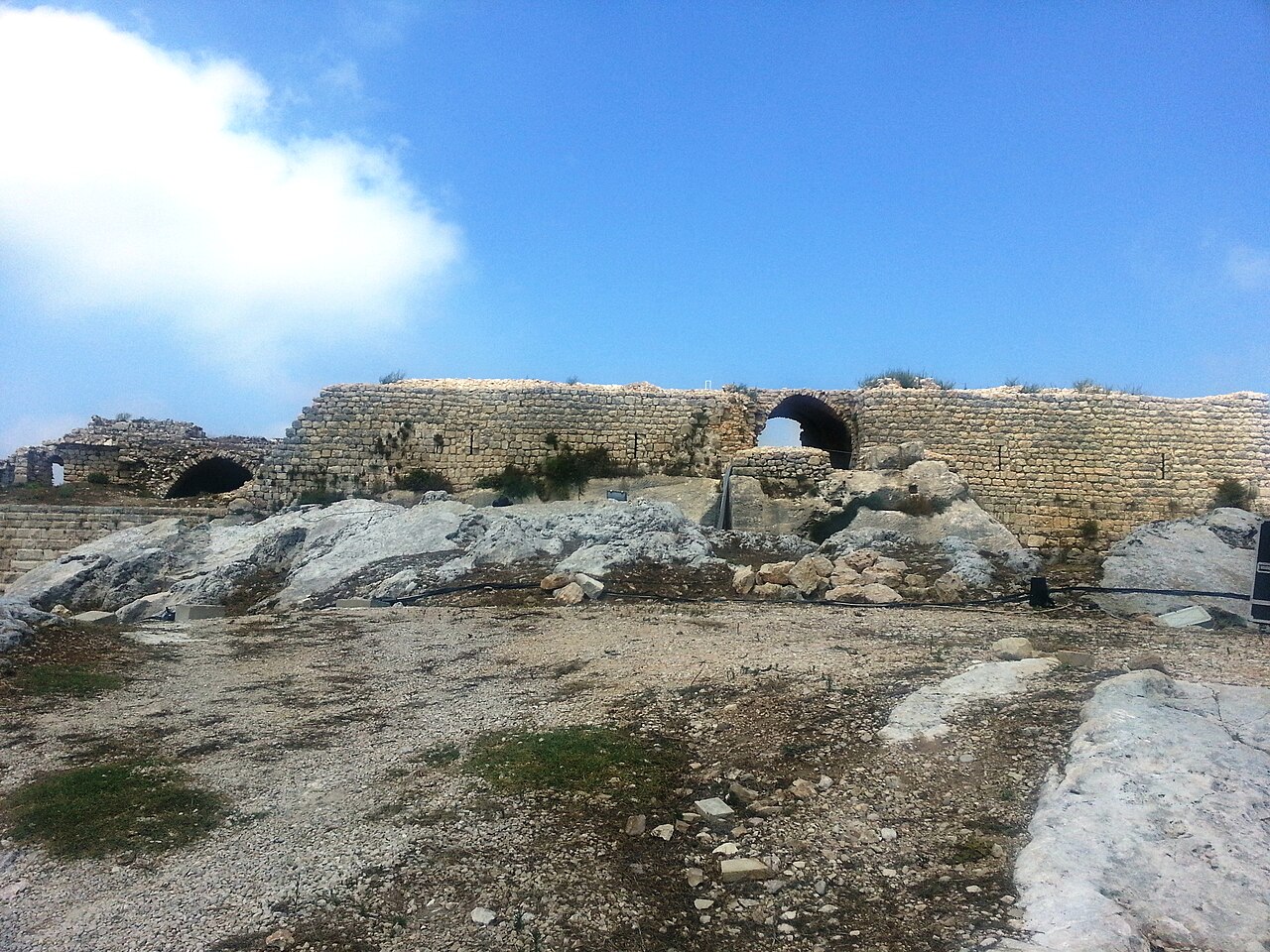
Reach Petra through Wadi Musa, then continue on foot from the main visitor routes toward the hilltop position of Al-Habis. The fort is away from the busiest Siq-to-Treasury flow and requires an ascent across uneven terrain. A park map or local orientation can help place the fort within the larger landscape. Wear shoes suited to loose and irregular ground, and allow time for the return journey.
Checked 2026-08-26 · Source
The approach involves uneven and potentially steep ground, with loose surfaces that require deliberate steps. Do not climb on the walls or put pressure on unstable-looking masonry. The summit is exposed to sun and has no indicated drinking-water point or visitor facility, so carry water and sun protection from the lower route. Heat can intensify the effort of the ascent. Stay aware of your route, especially when leaving the main path, and keep the descent in mind before continuing elsewhere in Petra.
Checked 2026-08-26 · Source
The fort’s elevated position is its strongest photographic feature. Frame the surviving walls against Petra’s rugged terrain, then move closer for images of weathered medieval stonework. Early morning and late afternoon light give the ruins more shape and reduce the flatness of harsh midday sun. The quieter setting can make composition easier than at the major monuments, although the uneven summit requires careful tripod placement. Keep the landscape in view: the fort’s character comes from its defensive position above the surrounding ground.
Checked 2026-08-26 · Source
It is a medieval hilltop fortification in the Petra landscape, with surviving defensive walls and foundations adapted to elevated terrain.
Allow roughly thirty minutes to one hour for the approach, the compact ruins and the return walk.
The ascent crosses uneven and potentially steep ground, so supportive footwear and a steady pace are important.
Bring water, sun protection and sturdy footwear for the exposed hilltop route and uneven surfaces around the fort.
No. Observe the defensive walls and foundations without climbing or placing weight on the surviving masonry.
The fort adds a medieval military layer and an elevated landscape perspective to a visit otherwise dominated by Nabataean carved monuments.
Loading the interactive map…
The interactive map could not be loaded.
Last updated:
Source: OpenStreetMap contributors, Wikidata ·