Royal Malaysian Police Museum
Muzium Polis Diraja Malaysia
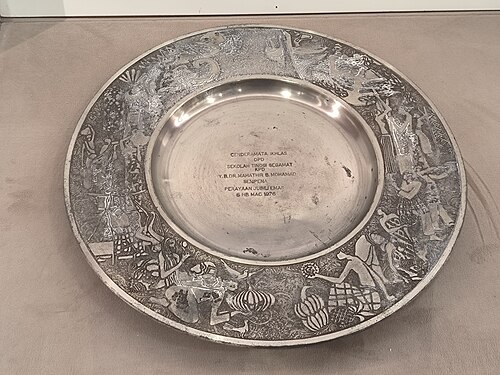
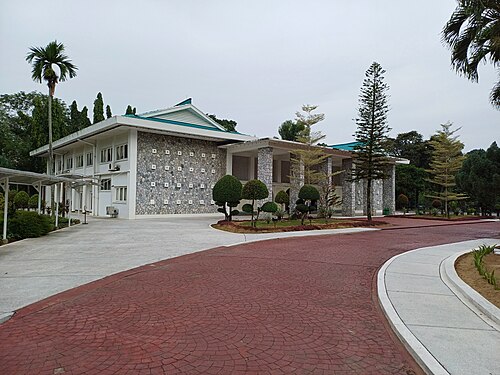
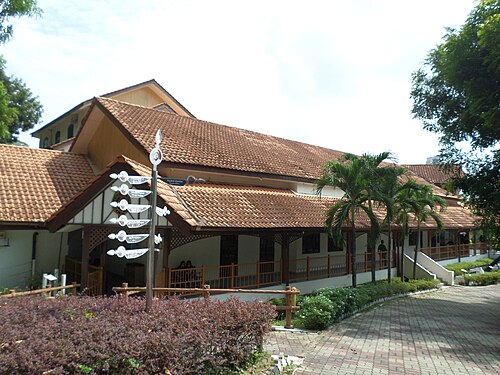
The Royal Malaysian Police Museum, or Muzium Polis Diraja Malaysia, presents the history and institutional development of Malaysia's police force.
- Must see
- Museum
City guide · Malaysia
Kuala Lumpur is Malaysia's national capital and its principal urban centre, developed around the meeting of the Klang and Gombak rivers. The visitor city is pol...
Photograph · thomasgl · Public domain
Set your days, your pace and the hours you actually want to be out. The planner works around closing days and travel time, and leaves room to eat.
Reviewed by Elena Voss · Roavina Travel Editor
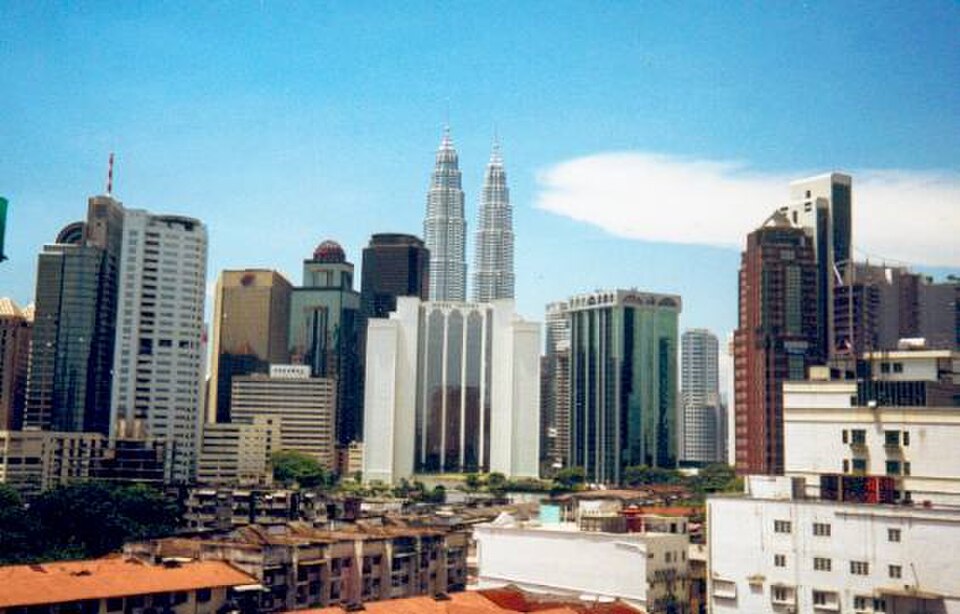
Kuala Lumpur is Malaysia's national capital and its principal urban centre, developed around the meeting of the Klang and Gombak rivers. The visitor city is polycentric: the colonial-era core around Merdeka Square, Chinatown and the river confluence sits west of the modern towers at KLCC, while Bukit Bintang forms the main shopping and evening district between them. Museums, markets, religious sites, parks and high-rise viewpoints are spread across these adjoining centres rather than enclosed in one old town.
Checked 2026-08-26
September · September in Kuala Lumpur has mean high 32.1°C, mean low 23.2°C, rainfall 192.8 mm, and 13 rain days. Frequent heavy rain can disrupt a day built around outdoor sights. Build in indoor stops for September in Kuala Lumpur rather than relying on an all-day outdoor route.
Ranked by importance — sitelinks, pageviews and heritage status, not editor preference.
24 places match
Category
Typical visit duration
Interests
Muzium Polis Diraja Malaysia
The Royal Malaysian Police Museum, or Muzium Polis Diraja Malaysia, presents the history and institutional development of Malaysia's police force.
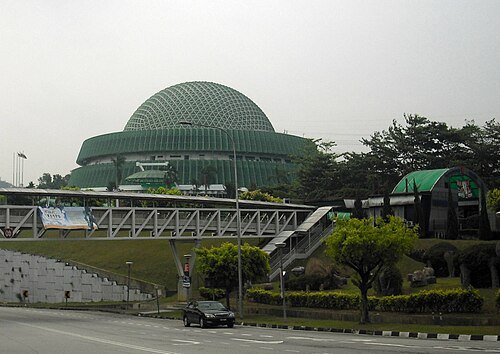
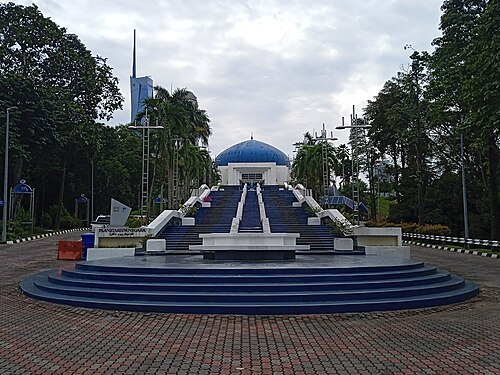
Planetarium Negara is Malaysia's national planetarium in Kuala Lumpur. Its dome-shaped building and astronomy-focused programme make it a natural choice for visitors interested in space science, the night sky and educational experiences.
The National Science Centre, known locally as Pusat Sains Negara, is Kuala Lumpur’s science museum and a hands-on learning attraction. Its futuristic building contains interactive material designed to make science, technology, engineering, and mathematics accessible to a broad public.
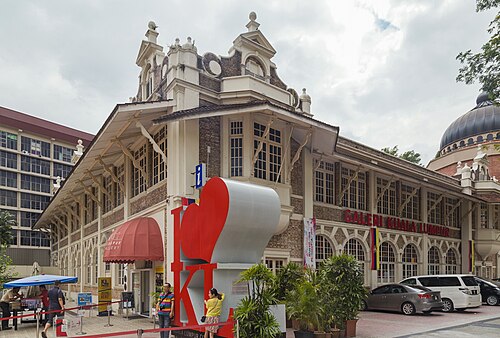
Kuala Lumpur City Gallery is a tourist information centre and exhibition space located near Independence Square in the historic core of Kuala Lumpur. The gallery occupies a distinctive colonial-era building that once served as the Government Printing Office.
Muzium Diraja
Istana Negara on Jalan Istana is the former official residence of the Yang di-Pertuan Agong, Malaysia's constitutional monarch. The building served as the national palace until 2011, when the royal residence relocated to a new complex in northwestern Kuala Lumpur.
Rumah Penghulu Abu Seman
Rumah Penghulu Abu Seman is a preserved traditional Malay house in Kuala Lumpur and a focused stop for travellers interested in vernacular architecture.
Muzium Etnologi Dunia Melayu
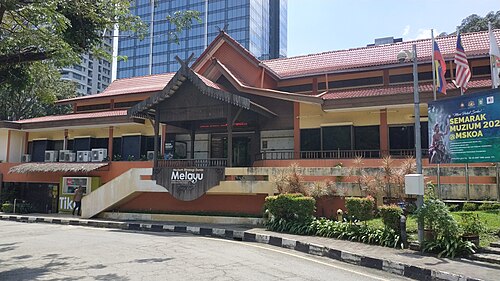
The Malay World Gallery, known locally as Muzium Etnologi Dunia Melayu, is a museum in Kuala Lumpur dedicated to Malay ethnology and cultural heritage.
Galeria Sri Perdana is a Kuala Lumpur gallery connected with Malaysia's political heritage and former prime ministers. It offers travelers a way to explore national leadership through a cultural and historical setting rather than through contemporary politics alone.
Sri Taman Memorial Tun Abdul Razak
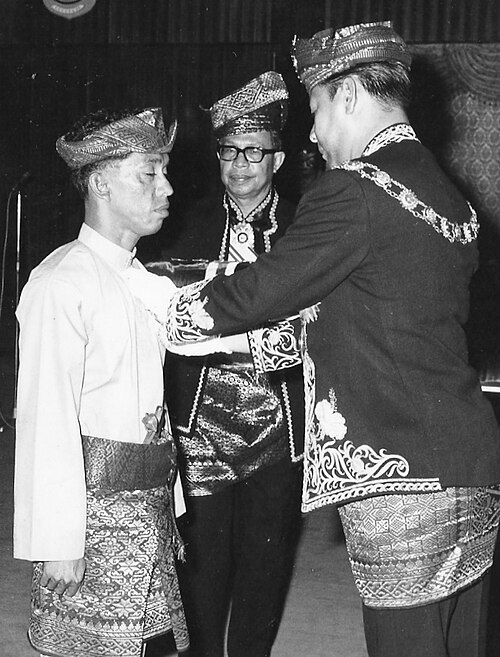
Tun Abdul Razak Memorial is a Kuala Lumpur museum and memorial dedicated to Malaysia's second Prime Minister, who served from 1970 until his death in 1976.
Forest Research Institute Malaysia Museum sits within the FRIM campus in Kepong, Kuala Lumpur. It introduces visitors to Malaysian forests through the setting of a working forestry research institution.
Muzium Kraf Kuala Lumpur
Muzium Kraf Kuala Lumpur is a craft museum dedicated to Malaysian traditional arts and crafts. Located in the capital city, it serves as a cultural institution preserving and showcasing the nation's rich heritage of handmade crafts.
Pioneers Of Kuala Lumpur Museum is a heritage museum devoted to the people who helped shape Kuala Lumpur.
The Historical Museum of Traditional Chinese Medicine in Malaysia presents the heritage of traditional Chinese medicine within Malaysia’s multicultural setting.
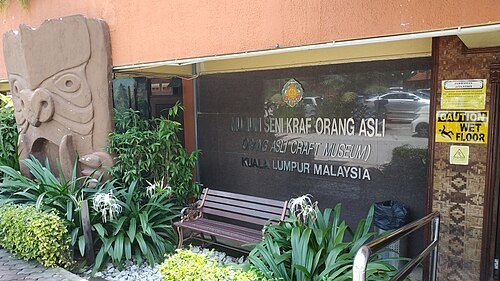
Muzium Seni Kraf Orang Asli
Muzium Seni Kraf Orang Asli is a museum in Kuala Lumpur dedicated to the indigenous crafts and artistic heritage of Malaysia's Orang Asli communities.
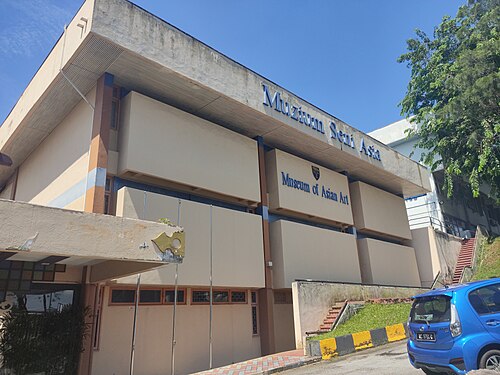
Muzium Seni Asia
Museum of Asian Art, also known locally as Muzium Seni Asia, is a Kuala Lumpur cultural institution devoted to Asian artistic heritage. It gives travelers an art-focused alternative to the city’s historical monuments, religious buildings, and modern attractions.
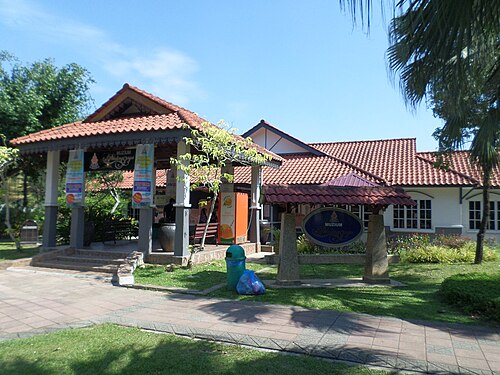
Muzium Petaling Jaya
Petaling Jaya Museum, known locally as Muzium Petaling Jaya, is a municipal museum located in Petaling Jaya, a major suburb within the greater Kuala Lumpur metropolitan area.
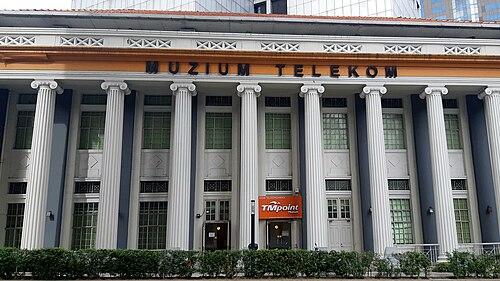
Muzium Telekom
Telekom Museum, or Muzium Telekom, explores the history of telecommunications in Malaysia. It occupies a distinctive colonial-era building in central Kuala Lumpur and links the city’s built heritage with the technologies that transformed everyday communication.
Taksu Gallery is an art gallery in Kuala Lumpur and a natural stop for travellers interested in the city’s creative scene. A gallery visit offers a quieter contrast to Kuala Lumpur’s malls, traffic and large public attractions.
Use three central clusters. Merdeka Square, the river confluence, Central Market and Chinatown form the historic western core. KLCC lies to the east around the Petronas Twin Towers, Suria KLCC, the convention centre and the park. Bukit Bintang sits southwest of KLCC and links major shopping streets, food areas and entertainment. The wider city continues into lake gardens, museum districts and residential suburbs, while Batu Caves and Putrajaya are separate excursions outside the compact central pattern. Plan routes around rail stations because major roads can interrupt apparently short walks.
Checked 2026-08-26
Rapid KL rail and bus services are the practical backbone for moving between the central clusters. The network joins LRT, MRT, monorail and bus routes, and the official journey planner reports current service information. Walk within Chinatown, the Merdeka area, KLCC or Bukit Bintang, but use rail between them when heat, rain or large road junctions make a direct walk uncomfortable. Airport rail and intercity services are separate products, so confirm the correct operator and ticket before departure rather than assuming an urban pass covers them.
Checked 2026-08-26
A fixed stay length is not recorded. Plan by clusters: the historic Merdeka and Chinatown area, KLCC, Bukit Bintang, then any museum, garden or out-of-centre excursion that matters to you.
The historic cluster is around Merdeka Square, the Klang-Gombak river confluence, Central Market and Chinatown. KLCC and Bukit Bintang are separate modern centres to the east and southeast.
Use Rapid KL rail between central districts and walk within each cluster. The official journey planner combines current rail and bus information and should be checked before travel.
The districts are connected through the city, but heat, rain and major roads can make the walk less practical than the map suggests. Rail is the reliable default between clusters.
No. Both are separate excursions outside the compact Merdeka, KLCC and Bukit Bintang pattern. Plan their transport independently rather than adding them to a central walking route.