

.jpg)
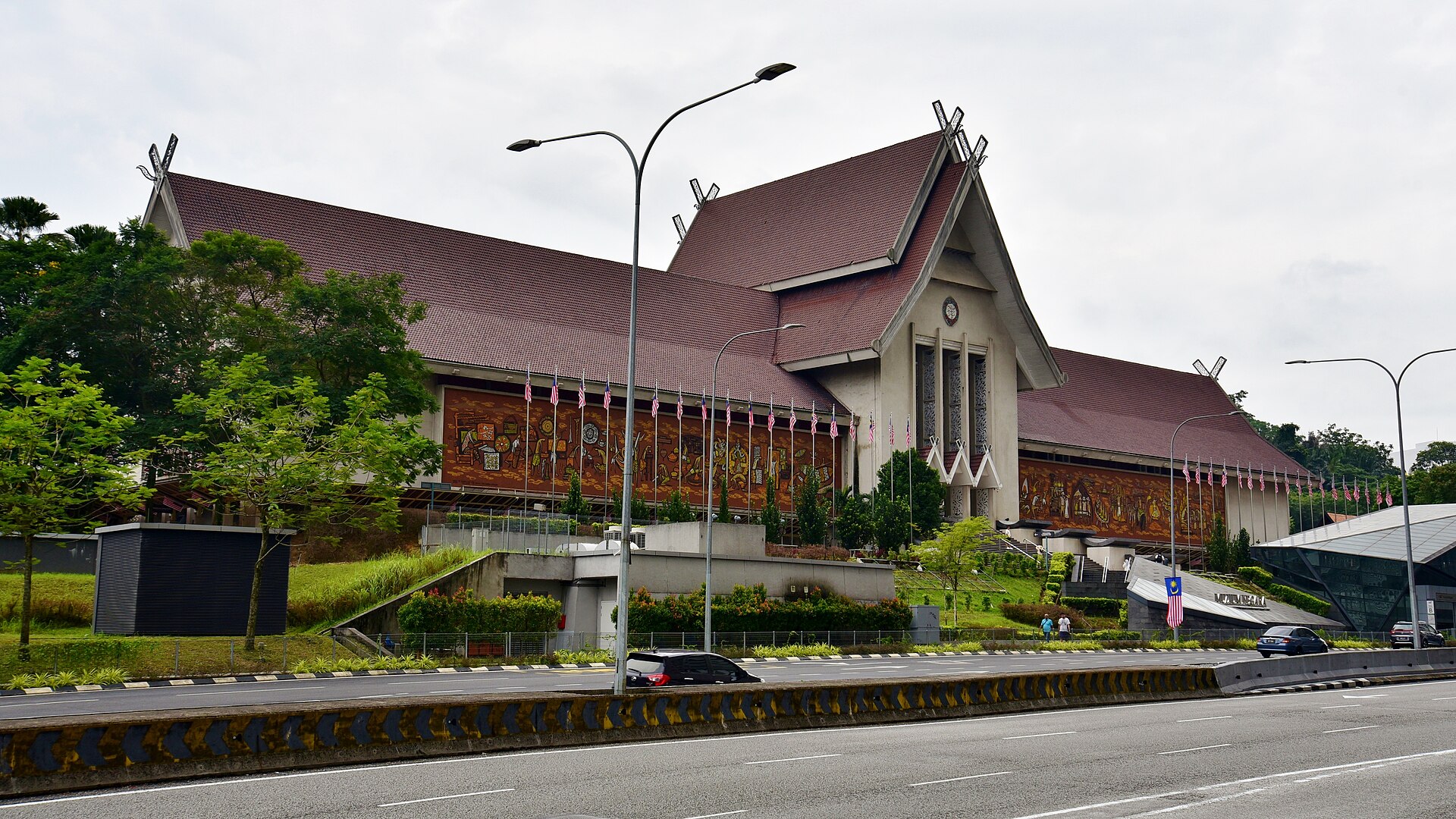
2 min walk
National Museum of Malaysia
- Must see · Heritage site
- Museum
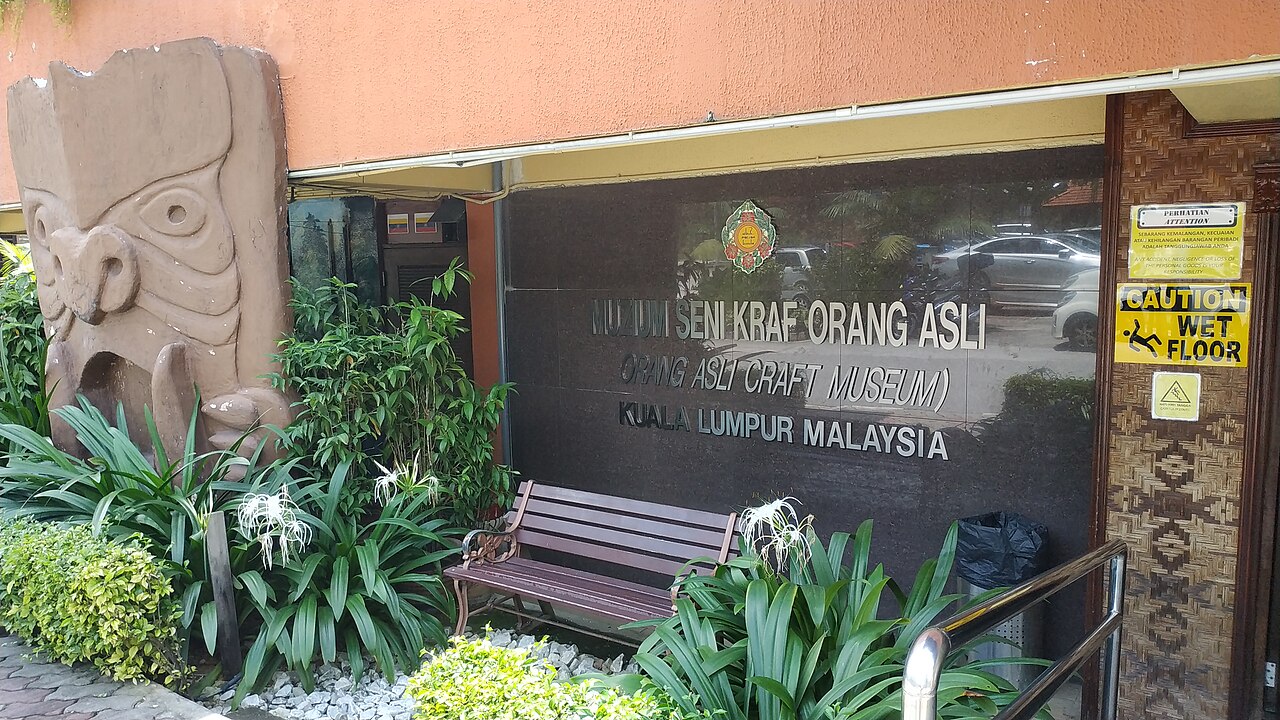
Museum · Kuala Lumpur
Muzium Seni Kraf Orang Asli
| Monday | 09:00 – 18:00 |
|---|---|
| Tuesday | 09:00 – 18:00 |
| Wednesday | 09:00 – 18:00 |
| Thursday | 09:00 – 18:00 |
| Friday | 09:00 – 18:00 |
| Saturday | 09:00 – 18:00 |
| Sunday | 09:00 – 18:00 |
Parsed from OpenStreetMap opening hours on 2026-09-09.
Muzium Seni Kraf Orang Asli is a museum in Kuala Lumpur dedicated to the indigenous crafts and artistic heritage of Malaysia's Orang Asli communities. The institution serves as a cultural repository preserving traditional techniques and materials used by Peninsular Malaysia's indigenous peoples. Located within the urban fabric of the capital, it offers visitors exposure to craft traditions that might otherwise remain inaccessible. The museum represents an effort to document and display indigenous knowledge systems through material culture, positioned among other cultural institutions in a city increasingly shaped by tourism and heritage presentation.
Checked 2026-08-26
The museum houses collections of traditional Orang Asli crafts including woven items, woodcarvings, bamboo implements, and decorative objects. Exhibits typically demonstrate the material culture of various indigenous groups from the Malay Peninsula, showcasing their adaptation to forest environments. Displays may include hunting tools, fishing equipment, musical instruments, and ceremonial objects. Textile work using bark cloth and natural dyes features prominently. The arrangement permits examination of construction techniques and functional design. Interpretation materials connect objects to specific communities and practices, though depth of coverage varies by exhibition area and available documentation.
Checked 2026-08-26
Visitors should allocate approximately one to two hours for a meaningful engagement with the museum's contents. This duration allows for careful examination of craft details and reading of accompanying information. Those with specific research interests in indigenous material culture or comparative craft studies may prefer extended visits. The compact nature of the institution suits inclusion within broader Kuala Lumpur itineraries rather than constituting a full-day destination. Pace naturally adjusts to individual familiarity with Orang Asli contexts and interest in technical craft processes. School groups and casual tourists typically complete circuits more rapidly than dedicated observers.
Checked 2026-08-26
Visitors should verify current opening schedules through official channels before planning attendance. Kuala Lumpur's tropical climate presents consistent warmth year-round with afternoon thunderstorm possibilities, making morning visits generally comfortable regardless of season. The museum's indoor environment provides shelter from rainfall and intense midday conditions. Weekday mornings may offer quieter conditions for concentrated viewing. Holiday periods and school vacation seasons potentially increase visitor numbers at all city attractions. Advance confirmation prevents disappointment from unannounced closures or modified schedules that occasionally affect smaller institutional venues. Check the operator's own site for the travel date before relying on a schedule or fare.
Checked 2026-08-26
Many Kuala Lumpur museums operate with nominal entry fees or occasional free admission periods, though specific arrangements require direct verification. Some Malaysian government-affiliated cultural institutions offer differential rates for citizens and international visitors. Group bookings and educational visits sometimes attract modified conditions. Visitors should carry sufficient cash as smaller venues may not process electronic payments. Photography permits, when applicable, may involve separate charges. Budget-conscious travelers should confirm total costs including any supplementary fees before entry rather than assuming standardized pricing across comparable attractions. Check the operator's own site for the travel date before relying on a schedule or fare.
Checked 2026-08-26
The museum occupies a position within Kuala Lumpur's central district accessible through multiple transport modes. The city's integrated rail network provides reasonable proximity, with walking connections from nearby stations. Bus services traverse surrounding roads with stops in the general vicinity. Taxis and ride-hailing applications offer direct door-to-door service, though traffic congestion affects journey times unpredictably. Pedestrian navigation from major accommodation concentrations is feasible for mobile visitors. Signage quality varies; carrying the Malay name assists communication with drivers unfamiliar with English designations. Cycling infrastructure remains limited in this area despite growing alternative transport advocacy.
Checked 2026-08-26
The museum's modest scale and specialized focus may not satisfy visitors seeking blockbuster exhibitions or extensive interactive elements. Interpretation depth assumes some baseline interest in indigenous cultures rather than providing comprehensive introductory context. Climate control in older institutional buildings sometimes proves inconsistent. Accessibility features for mobility-impaired visitors require personal verification. Photography restrictions may apply to specific objects or entire galleries without prominent advance warning. The surrounding neighborhood mixes commercial and residential functions; standard urban awareness regarding personal belongings applies. Language barriers occasionally emerge with non-English-speaking staff during quieter periods.
Checked 2026-08-26
Photography policies within the museum appear inconsistently enforced based on visitor reports. Some areas permit unrestricted imaging while others restrict or prohibit capture, particularly of culturally sensitive objects. Flash photography likely damages organic materials and should be avoided regardless of explicit rules. Tripods and professional equipment may attract scrutiny or require advance authorization. Respectful practice suggests requesting clarification upon entry rather than assuming permissibility. Images of people, including staff or other visitors, demand explicit consent. Sharing locations on social media should consider whether precise geotagging serves conservation interests for vulnerable cultural heritage materials and communities represented.
Checked 2026-08-26
The museum offers exposure to craft traditions that may interest school-age children, though interactive elements appear limited. Younger children might find the static display format less engaging than purpose-built family attractions.
Formal guided tour availability is Not recorded. Visitors seeking detailed interpretation should inquire directly with staff upon arrival or contact the institution in advance.
On-site commercial facilities including gift shops are Not recorded. Visitors should not assume availability of purchased craft items or souvenirs.
Climate control conditions are Not recorded. Kuala Lumpur's tropical heat makes air conditioning desirable, though older institutional buildings may have uneven cooling.
The central location suggests food options exist in surrounding streets, though specific recommendations are Not recorded. Visitors should explore the immediate neighborhood.
Accessibility features for wheelchair users are Not recorded pending review. Visitors with mobility requirements should contact the museum directly before visiting.
Loading the interactive map…
The interactive map could not be loaded.
Last updated:
Source: OpenStreetMap contributors ·