.jpg)
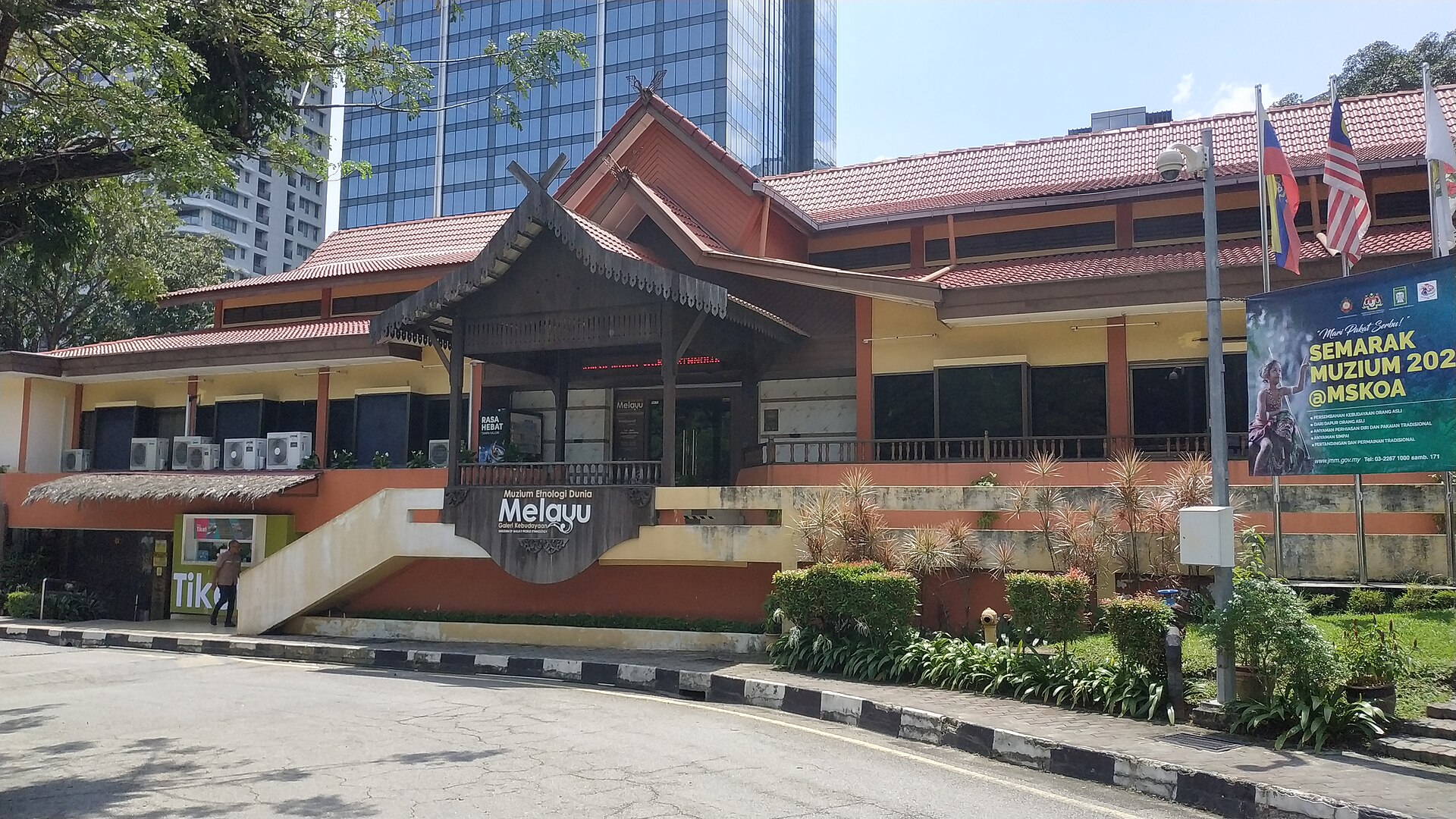
2 min walk
Malay World Gallery
- Must see
- Museum
Museum · Kuala Lumpur
Muzium Negara
| Monday | 09:00 – 17:00 |
|---|---|
| Tuesday | 09:00 – 17:00 |
| Wednesday | 09:00 – 17:00 |
| Thursday | 09:00 – 17:00 |
| Friday | 09:00 – 17:00 |
| Saturday | 09:00 – 17:00 |
| Sunday | 09:00 – 17:00 |
Checked 2026-08-31 · Source
| Per person | MYR 5.00 |
|---|
Checked 2026-08-31 · Source
Read from the OpenStreetMap access tags; anything not listed has no tag recorded.
Set the group type to family in the planner and the day window contracts to about three quarters of a solo day.
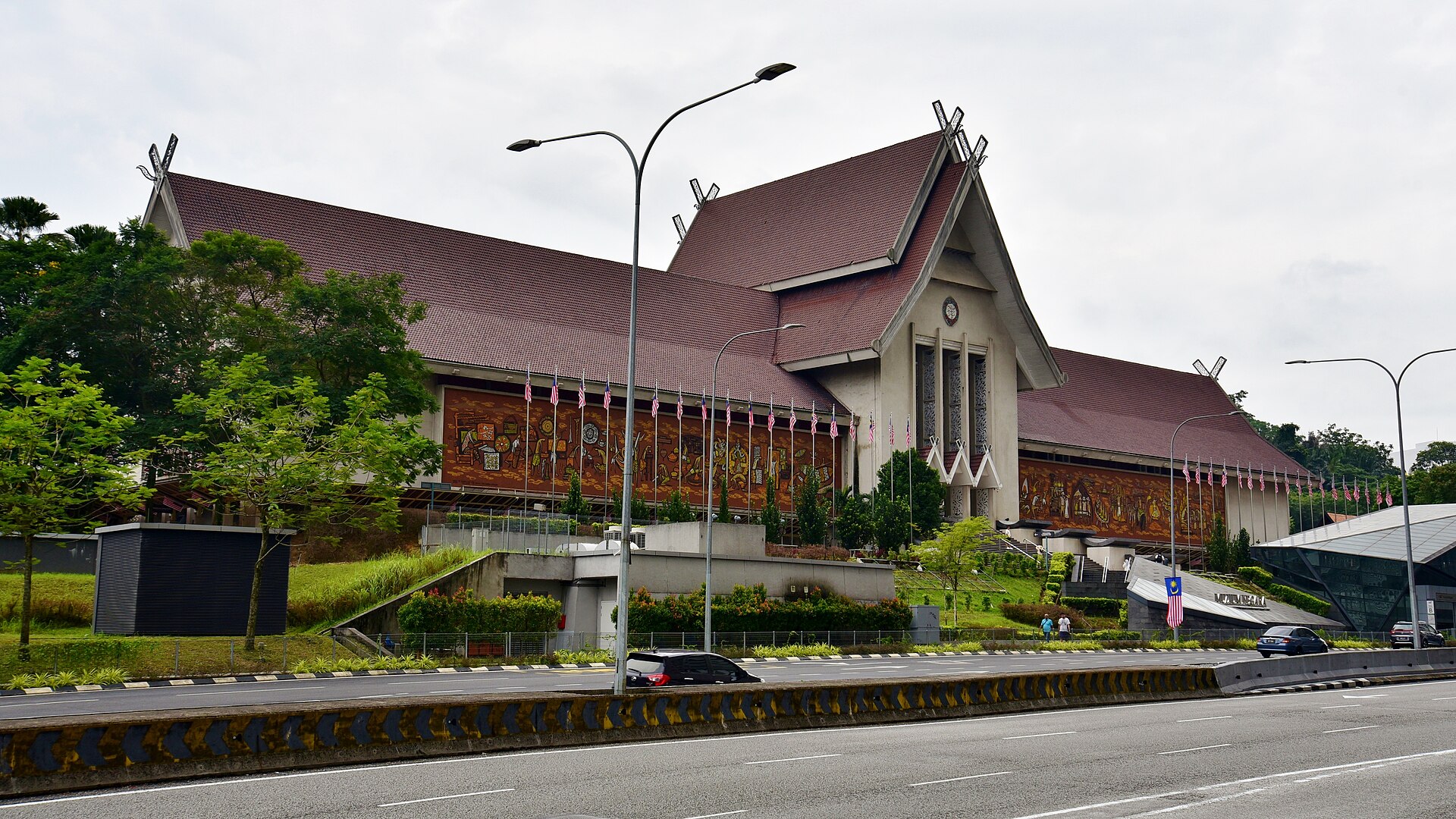
The National Museum of Malaysia, locally known as Muzium Negara, stands as the country's principal museum dedicated to Malaysian history and culture. Located in Kuala Lumpur, it occupies a distinctive site near the Lake Gardens. The building itself features traditional Malay architectural elements, notably the Minangkabau-style roof with its characteristic horn-like peaks. Established to preserve and showcase the nation's heritage, the museum serves as a central repository for artefacts spanning Malaysia's multifaceted historical narrative. Its position within the capital makes it accessible for both domestic visitors and international tourists seeking foundational understanding of Malaysian identity.
Checked 2026-08-31 · Source
The museum's collections encompass ethnographic materials, historical artefacts, and cultural objects representing Malaysia's diverse communities. Exhibits typically address prehistoric periods, the Malay kingdoms, colonial eras, and the path to independence. Traditional crafts, weapons, textiles, and musical instruments feature prominently, illustrating the material culture of indigenous groups and immigrant populations alike. Thematic galleries organise content chronologically and by subject matter. Outdoor displays include historical transportation modes and architectural reconstructions. The scope reflects the plural society of Malaysia, acknowledging Malay, Chinese, Indian, and indigenous Bornean contributions to national formation without privileging singular narratives above others.
Checked 2026-08-31 · Source
Visitor duration varies considerably based on individual engagement patterns. A superficial walkthrough of principal galleries may require approximately sixty to ninety minutes. More deliberate examination of display cases, reading accompanying texts, and studying detailed artefacts typically extends visits to two or three hours. Enthusiasts of material culture or Malaysian history might allocate half a day, particularly if incorporating outdoor exhibits and photography pauses. The comprehensiveness of collections rewards extended attention, though fatigue factors apply given the information density. Families with younger children often complete circuits more rapidly. Personal pacing should account for tropical climate conditions affecting stamina.
Checked 2026-08-31 · Source
Daily 09:00–17:00; last ticket purchase and admission at 16:30. Closed on the first and second days of Eid al-Fitr and the first day of Eid al-Adha. Kuala Lumpur's tropical climate presents consistent warmth and humidity year-round with periodic monsoon rainfall influencing comfort levels. Morning visits may offer marginally cooler conditions before midday heat accumulation. Weekday attendance typically runs lighter than weekends when domestic visitors concentrate. Rain contingency merits consideration given the city's convectional precipitation patterns. The museum's indoor environment provides climate respite regardless of external conditions, making it suitable for inclement weather alternatives.
Checked 2026-08-31 · Source
Adult admission is RM2 for Malaysian citizens and RM5 for non-Malaysian visitors. Tickets are sold at the museum counter; MyKad or MyKid is required for the citizen rate. Admission policies for Malaysian national museums have historically included differential pricing between citizens and foreign visitors, reflecting common practice at state-funded cultural institutions. Concession categories typically encompass children, students, and senior citizens with appropriate identification. Some national museums have implemented free entry periods or permanent removal of charges as cultural policy. Visitors should carry sufficient cash denominations though electronic payment acceptance has expanded. Group arrangements may require advance coordination with administrative staff.
Checked 2026-08-31 · Source
MRT: alight at Muzium Negara station. From KL Sentral, follow the connecting route toward Muzium Negara MRT station; the museum describes this as about a 10-minute walk. Bus: take the RED GoKL bus to the Muzium Negara stop, or KL Hop-On Hop-Off to stop 20. The museum occupies a position southwest of Kuala Lumpur's historic core, proximate to the Lake Gardens green space. The Kelana Jaya LRT line serves the Pasar Seni station, from which connecting transport or moderate walking reaches the vicinity. Multiple bus routes traverse surrounding roads. Ride-hailing services operate extensively throughout the capital and offer direct drop-off convenience. Private vehicles encounter parking constraints typical of established institutional zones. The area's topography includes elevation changes that pedestrians should anticipate. Signage in major languages assists wayfinding from transit points.
Checked 2026-08-31 · Source
The museum identifies the premises as wheelchair accessible. A lift provides access to the exhibition galleries, with priority for disabled visitors and others requiring assistance. Wheelchairs are available for elderly visitors and others who need one; request one at the museum’s exit door. Standard museum protocols apply: food and beverages face restriction within galleries, flash photography may be prohibited for sensitive exhibits, and large bags could require deposit. Climate transition between exterior humidity and air-conditioned interiors demands layered clothing preparation. Foot comfort matters given extended standing and walking on hard surfaces. Some displayed content addresses colonial violence and intercommunal tensions with directness that may surprise visitors expecting exclusively celebratory national narrative. Wheelchair accessibility provisions should be verified personally. Crowding concentrates at popular display elements. Personal belongings warrant vigilance in any metropolitan tourist setting.
Checked 2026-08-31 · Source
Photographic opportunities encompass both the architecturally distinctive building exterior and selected interior displays. The dramatic roofline against tropical skies provides compelling exterior compositions, best captured during favourable natural lighting conditions. Interior photography faces variable restrictions; specific exhibits may carry prohibition notices. Flash usage typically damages light-sensitive materials and attracts staff intervention. Tripods and professional equipment often require advance permission. Glass display cases produce reflection challenges manageable through angular positioning. The outdoor transport and architectural reconstructions permit unrestricted documentation. Visitors should observe posted signage and staff guidance without assumption of universal permission. Respect for fellow visitors' viewing experience should govern photographic behaviour.
Checked 2026-08-31 · Source
No. The museum sells tickets only at the ticket counter, and walk-in visitors buy them at the front entrance.
The current ticket page lists cash and debit or credit cards.
Museum Volunteers conduct tours in six languages. Limited walk-in places may be requested at the information counter; advance reservations should be made two weeks before the tour.
Photography without flash is permitted in the galleries. Special photography or filming sessions require written permission.
Food and drinks are prohibited inside the permanent exhibition galleries.
Yes. Visitors may use the Muzium-Negara-GUEST network free of charge.
Loading the interactive map…
The interactive map could not be loaded.
Last updated:
Source: OpenStreetMap contributors, Wikidata ·