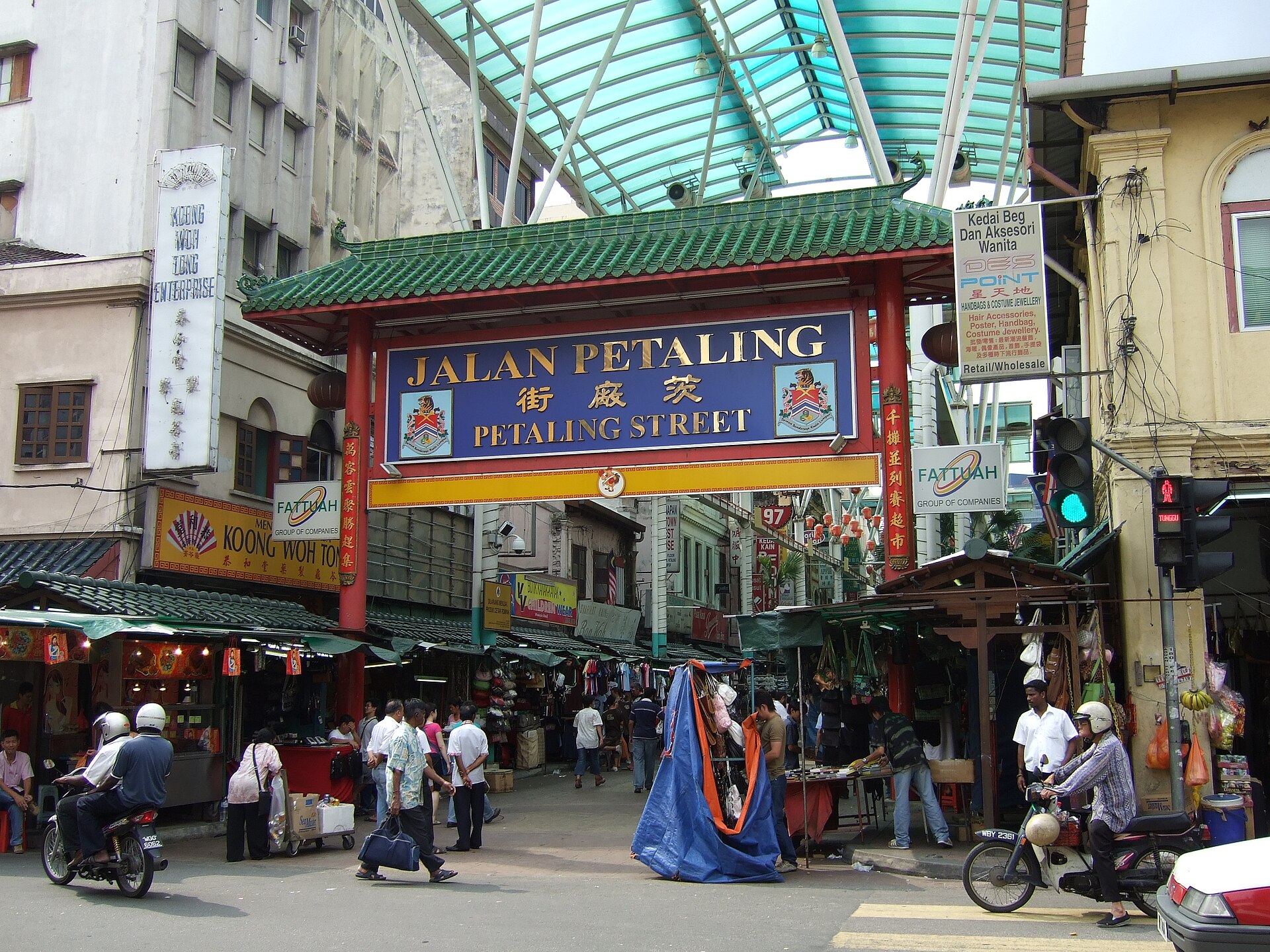
4 min walk
Petaling Street
- Must see
- Market
Museum · Kuala Lumpur
The Historical Museum of Traditional Chinese Medicine in Malaysia presents the heritage of traditional Chinese medicine within Malaysia’s multicultural setting. It is a focused cultural stop for travelers interested in medical history, Chinese Malaysian traditions, herbal knowledge, and the ways ideas moved across generations and regions. The museum offers a different perspective on Kuala Lumpur: instead of viewing the city only through monuments and shopping districts, visitors can explore a specialist collection connected to community history and traditional healing practices. The Historical Museum of Traditional Chinese Medicine in Malaysia is a cultural institution in Kuala Lumpur dedicated to preserving and showcasing the heritage of traditional Chinese medicine practices. The museum documents the historical development of Chinese medical knowledge, techniques, and pharmaceutical practices within the Malaysian context. It serves as an educational resource for visitors interested in understanding how traditional Chinese medicine evolved and adapted in Southeast Asia, reflecting the cultural contributions of the Chinese community to Malaysia's diverse heritage. The museum's suitability depends on children's interest levels in cultural history and medicine. Some medical artifacts may not engage younger visitors. Parental discretion advised regarding exhibits showing traditional treatments.
Checked 2026-08-26 · Source
The subject matter includes historical medical texts, traditional pharmaceutical tools, herbal medicine specimens, and equipment associated with classical Chinese treatments. Visitors can look for displays connected with acupuncture, cupping, herbal preparation, and traditional diagnostic methods. The value of the visit lies in seeing medicine as both practical knowledge and cultural inheritance. Read the explanations carefully, compare instruments with modern medical equipment, and give extra attention to objects that show how remedies were prepared, stored, or passed between practitioners.
Checked 2026-08-26 · Source
Allow about one to two hours for a thoughtful visit. That gives enough time to examine instruments, read interpretive text, and connect individual objects with the wider history of traditional Chinese medicine in Malaysia. Travelers with a strong interest in medical history, pharmacology, or Chinese cultural heritage may spend longer with the displays. A shorter visit still works when the museum is one part of a broader Kuala Lumpur cultural day, while a slower pace rewards close attention to unfamiliar tools and terminology.
Checked 2026-08-26 · Source
This indoor museum suits Kuala Lumpur’s hot, humid climate and sudden tropical rain. A morning visit can feel comfortable when you want to read every label, while an afternoon stop provides shelter during the strongest heat or a heavy shower. Place it within a cultural itinerary rather than treating it as a brief outdoor photo stop. The museum’s specialist theme makes it especially worthwhile for travelers who want a quieter, more focused experience after busier city attractions.
Checked 2026-08-26 · Source
Plan this as a specialist cultural visit rather than a commercial attraction. Keep a flexible budget for any entrance arrangement or voluntary contribution connected with the museum, and carry Malaysian ringgit in case a small institution uses cash for visitor transactions. The strongest reason to visit is the collection’s subject: traditional Chinese medicine in a Malaysian context. Combine it with other nearby cultural sights only after allowing enough time to read and reflect on the displays.
Checked 2026-08-26 · Source
The museum is in Kuala Lumpur’s urban area and can be incorporated into a city sightseeing route using public transport, a taxi, or a ride-hailing service. MRT, LRT, monorail, and bus networks cover the capital, although the best route depends on where your day begins. Use the mapped location attached to this place when navigating, and allow extra time if traveling by road during busy periods. Walking is practical only when your starting point is nearby.
Checked 2026-08-26 · Source
This is a specialist museum, so the experience depends on curiosity and patience rather than spectacle. Some displays concern treatments, medicinal substances, or historical instruments that may be unfamiliar or uncomfortable for sensitive visitors. Keep the atmosphere quiet, protect fragile objects, and follow any directions displayed inside. The tropical climate can make the journey between stops tiring, so carry water and plan indoor breaks around the museum. Read the collection as cultural history, not as personal medical advice.
Checked 2026-08-26 · Source
Treat the museum’s objects as preservation-sensitive cultural material. Follow signs and staff directions before photographing instruments, texts, specimens, or displays, and keep flash, tripods, and commercial equipment out of use unless explicitly permitted. If photography is allowed, use it to remember unusual details rather than rushing through the galleries behind a camera. Do not photograph people engaged in study, prayer, or conversation without consent. Careful observation will reveal more than a quick series of images.
Checked 2026-08-26 · Source
Children can discover how herbal remedies, medical instruments, acupuncture, cupping, and diagnostic traditions formed part of Chinese Malaysian cultural history. Adults may need to explain unfamiliar treatments in age-appropriate language.
The museum focuses on traditional Chinese medicine in Malaysia, including medical texts, pharmaceutical tools, herbal specimens, acupuncture, cupping, preparation methods, and diagnostic traditions.
Allow about one to two hours for a considered visit. Travelers deeply interested in medical history, herbal pharmacology, or Chinese cultural heritage may spend longer with the exhibits.
It connects traditional Chinese medicine with Malaysia’s Chinese community and wider multicultural heritage, offering a focused cultural experience beyond Kuala Lumpur’s better-known monuments and shopping areas.
Comfortable clothing, water for the journey, and enough time to read the displays are useful. Malaysian ringgit may also be practical for visitor transactions at a small cultural institution.
Move slowly, read the explanatory text, and compare the instruments, herbs, and preparation tools with contemporary medical practice. The museum rewards attention to detail more than a hurried walkthrough.
Loading the interactive map…
The interactive map could not be loaded.
Last updated:
Source: OpenStreetMap contributors ·