


7 min walk
Jungle Tour Adventure Cancun
- High
- Historic monument
Language · 11 published
Nature site · Cancún
Playa Ballenas
Reviewed by Elena Voss · Roavina Travel Editor
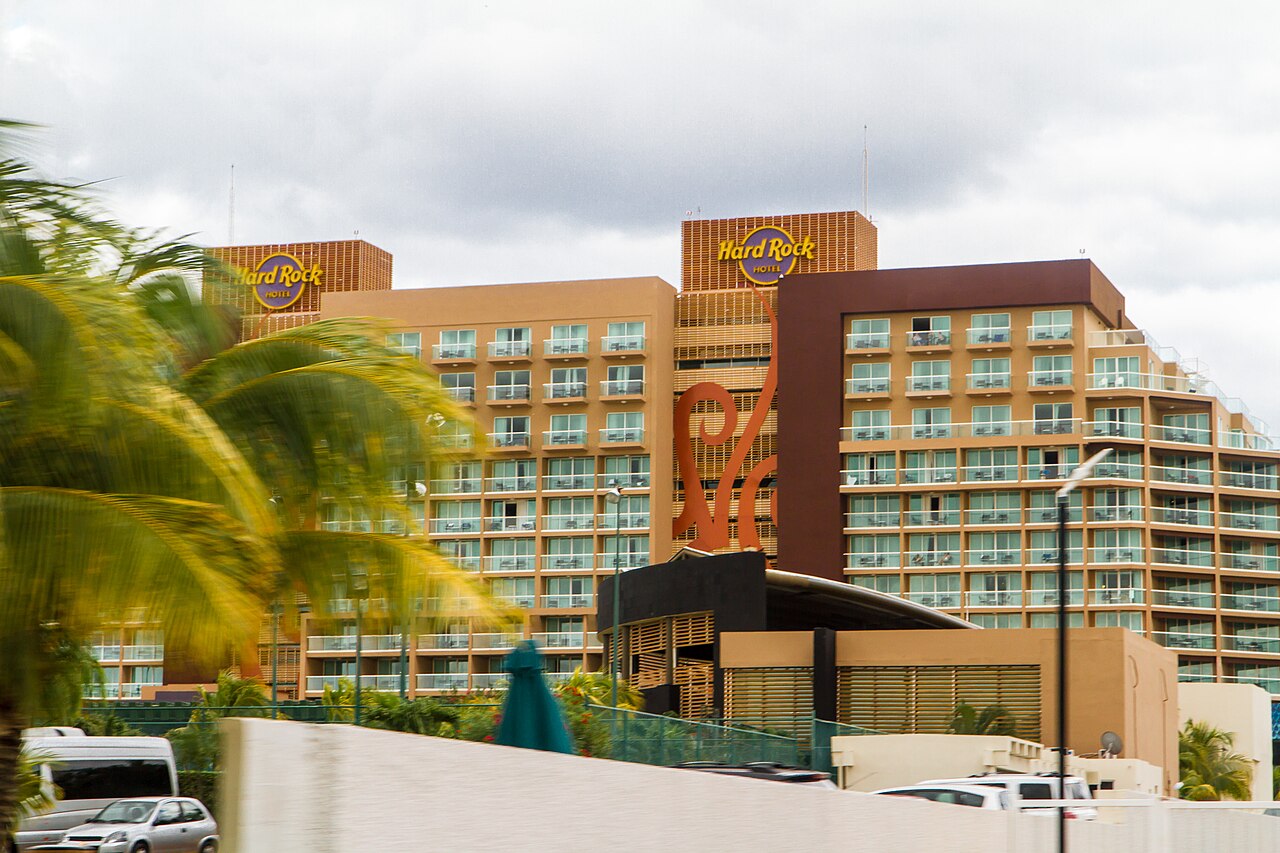
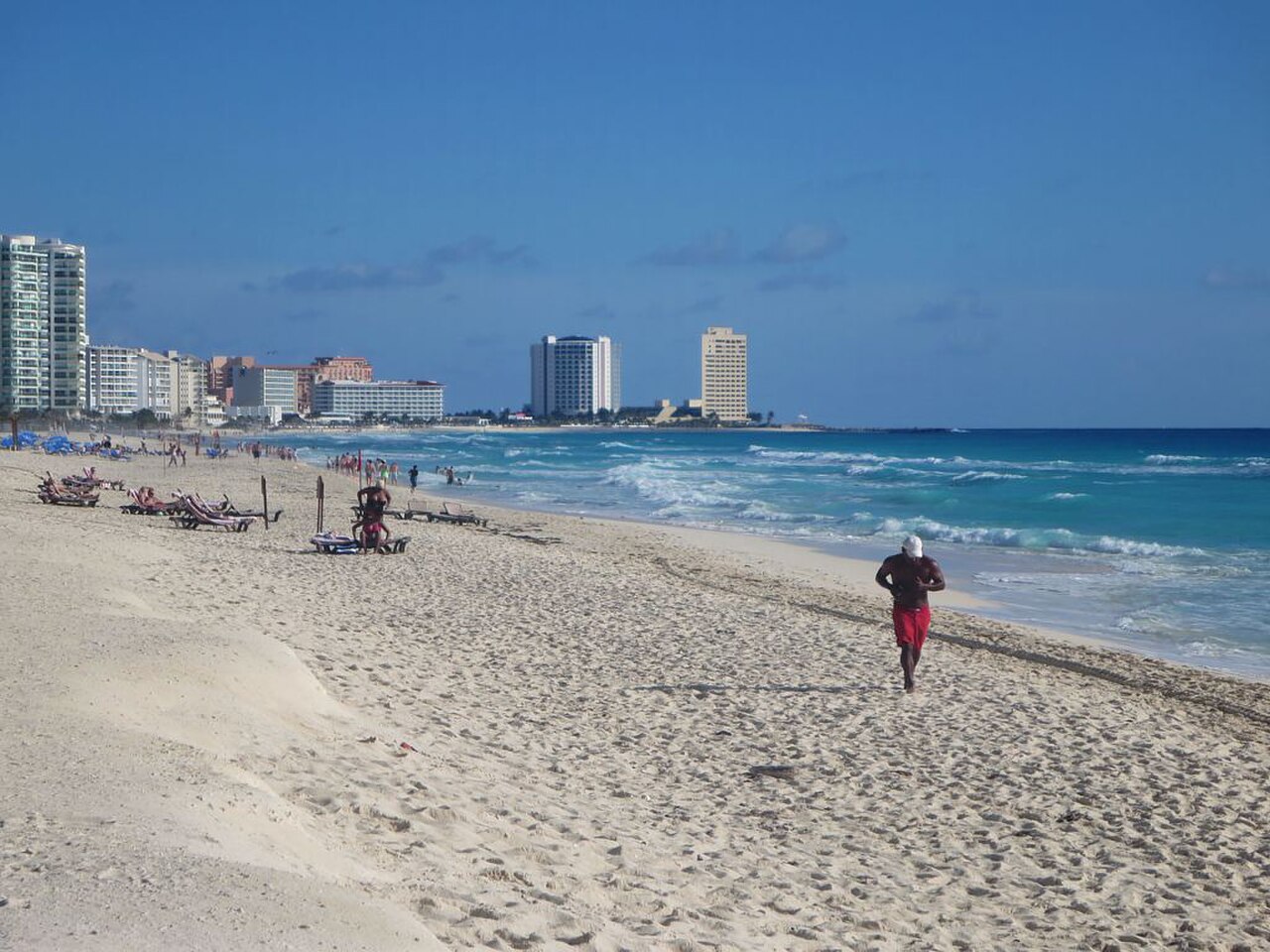
Ballenas Beach, or Playa Ballenas, is a Caribbean beach in Cancún’s Hotel Zone. The Spanish name means “Whales,” but the name does not promise whale sightings; the place is valued as a coastal recreation area within the city’s main tourism corridor. Ballenas Beach offers a beach day without leaving the developed barrier island, making it useful for travelers staying at nearby resorts or moving along Boulevard Kukulcán. The setting combines sand, sea, and surrounding resort infrastructure. Visitors looking for a quieter-feeling alternative to busier beach stretches may choose Ballenas Beach, while still benefiting from the restaurants, hotels, and transport options found across the Hotel Zone.
Checked 2026-08-26 · Source
Ballenas Beach consists primarily of a sandy shoreline with access to the Caribbean water. The surrounding Hotel Zone supplies the broader visitor setting, including resorts, restaurants, and commercial services within walking or short-journey distance. Travelers should plan around the beach itself as a natural coastal area rather than a confirmed full-service facility. The main activities are relaxing by the water, swimming when conditions permit, and enjoying the tropical scenery. Equipment hire, food vendors, restrooms, and lifeguard provision are not established here as a guaranteed list of features. Bring the essentials for a beach stop and treat nearby services as separate parts of the outing.
Checked 2026-08-26 · Source
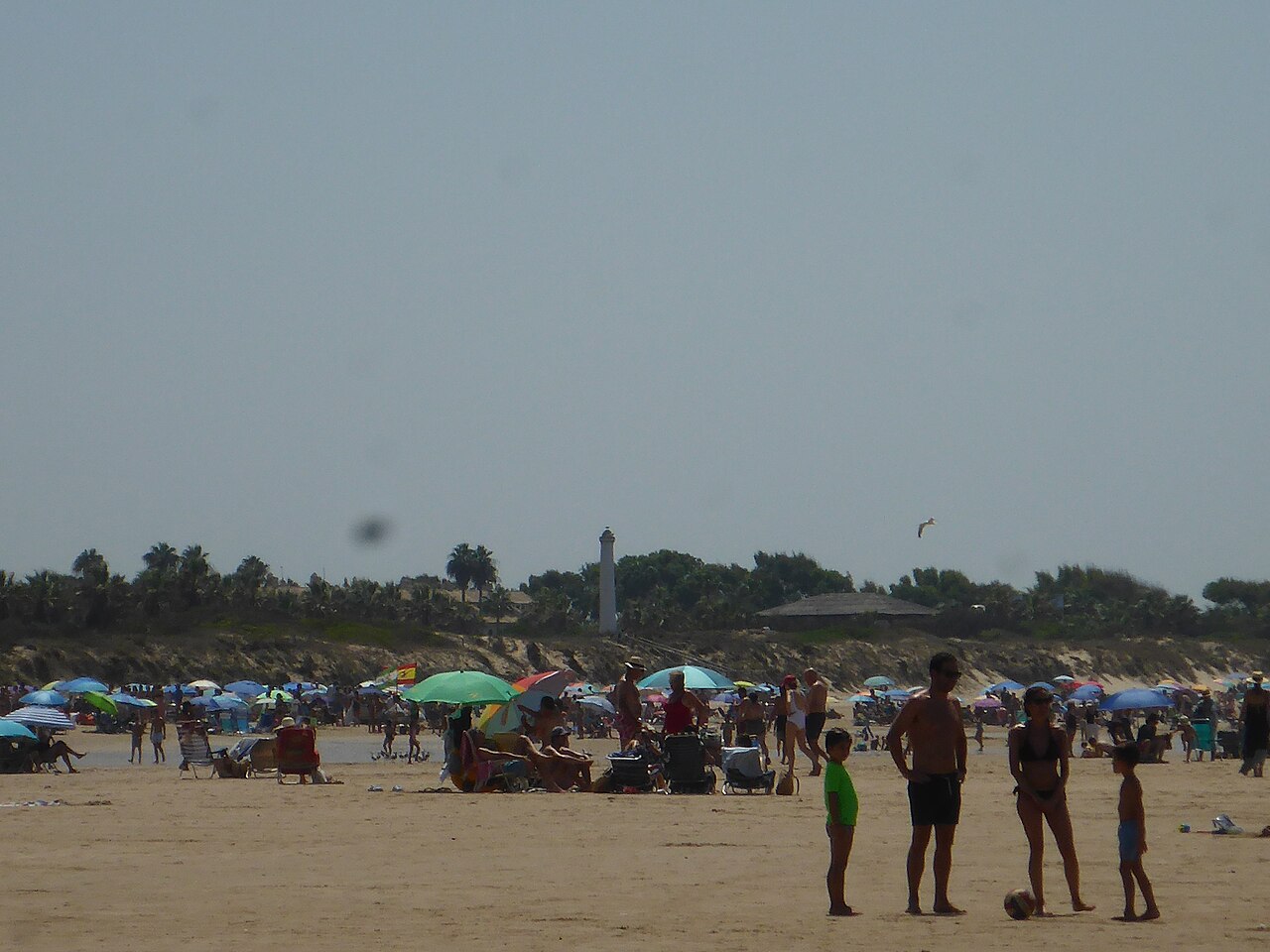
Two to six hours is a useful planning range for Ballenas Beach, with a half day fitting travelers who want time for swimming and relaxation. A short visit works when the beach is one stop within a wider Hotel Zone route. A full-day stay requires personal planning for water, food, shade, and sun protection because beach services are not guaranteed. Morning can offer cooler conditions and a calmer start, while afternoon suits travelers prioritizing warm water and a longer relaxed session. Add time if the group plans to eat at a nearby resort or restaurant rather than leaving directly after the beach.
Checked 2026-08-26 · Source
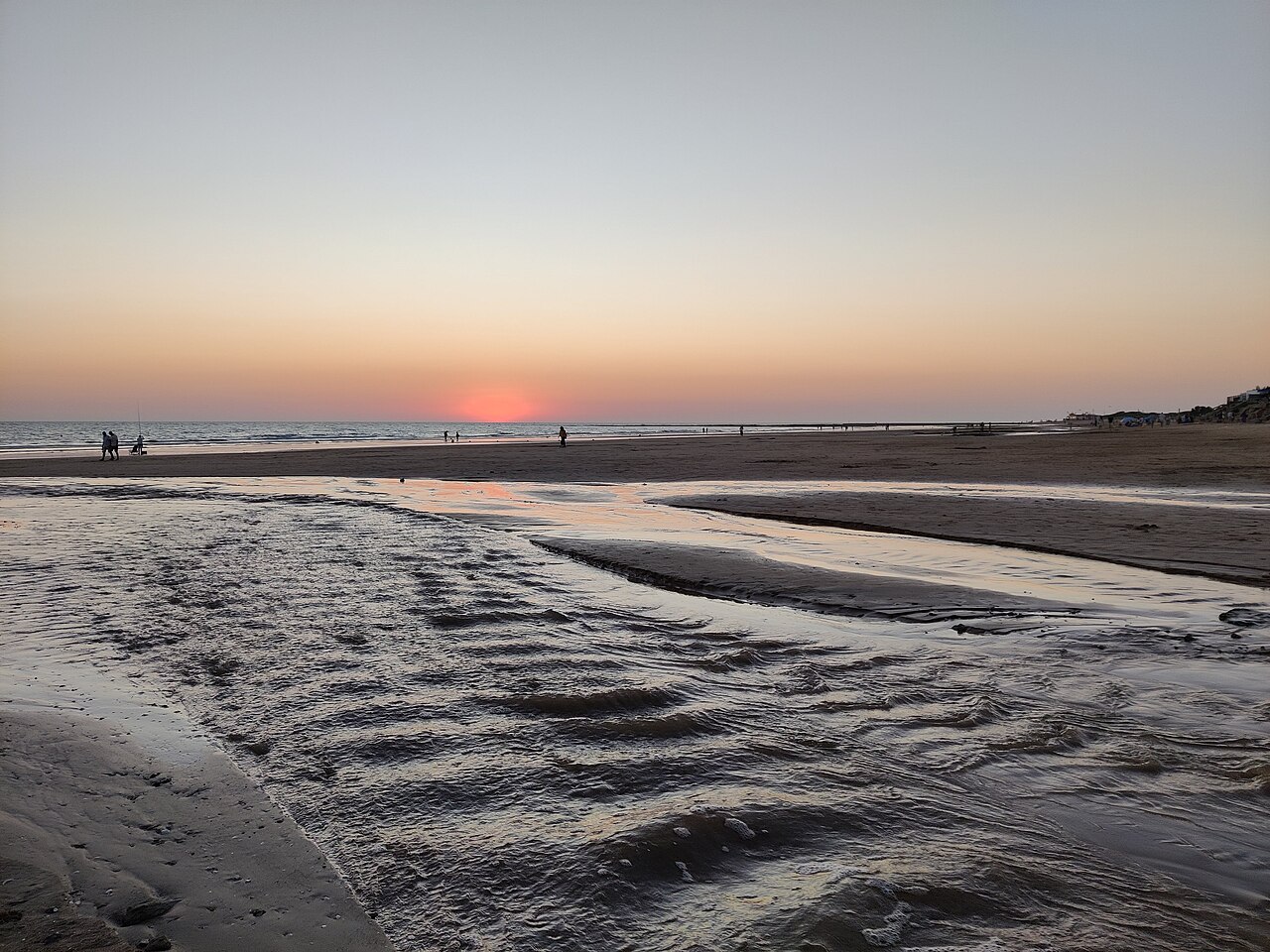
December through April generally brings Cancún’s drier season and is a popular period for beach visits. May through November is warmer and wetter, with hurricane risk forming part of the seasonal picture. Morning visits reduce the intensity of tropical midday sun and can feel less crowded. Midday requires stronger attention to hydration, shade, and sun protection. Late afternoon brings changing light for photographs and a more relaxed end to the beach portion of the day. Wind, rain, and sea conditions can alter the experience, so travelers should keep the plan flexible when Ballenas Beach is a central outdoor activity.
Checked 2026-08-26 · Source
Ballenas Beach is a coastal access point, and Mexican beaches are generally associated with public access rather than a conventional attraction ticket. Expenses may still arise from parking, resort services, food, drinks, seating, or equipment near the access route. Keep beach access separate from any resort day pass: a commercial facility can charge for its own amenities even when the shoreline is public. Carry Mexican pesos for small purchases and plan incidental spending around the services the group chooses. The beach is therefore an inexpensive-looking stop that can still generate costs through transport, refreshments, and nearby facilities.
Checked 2026-08-26 · Source
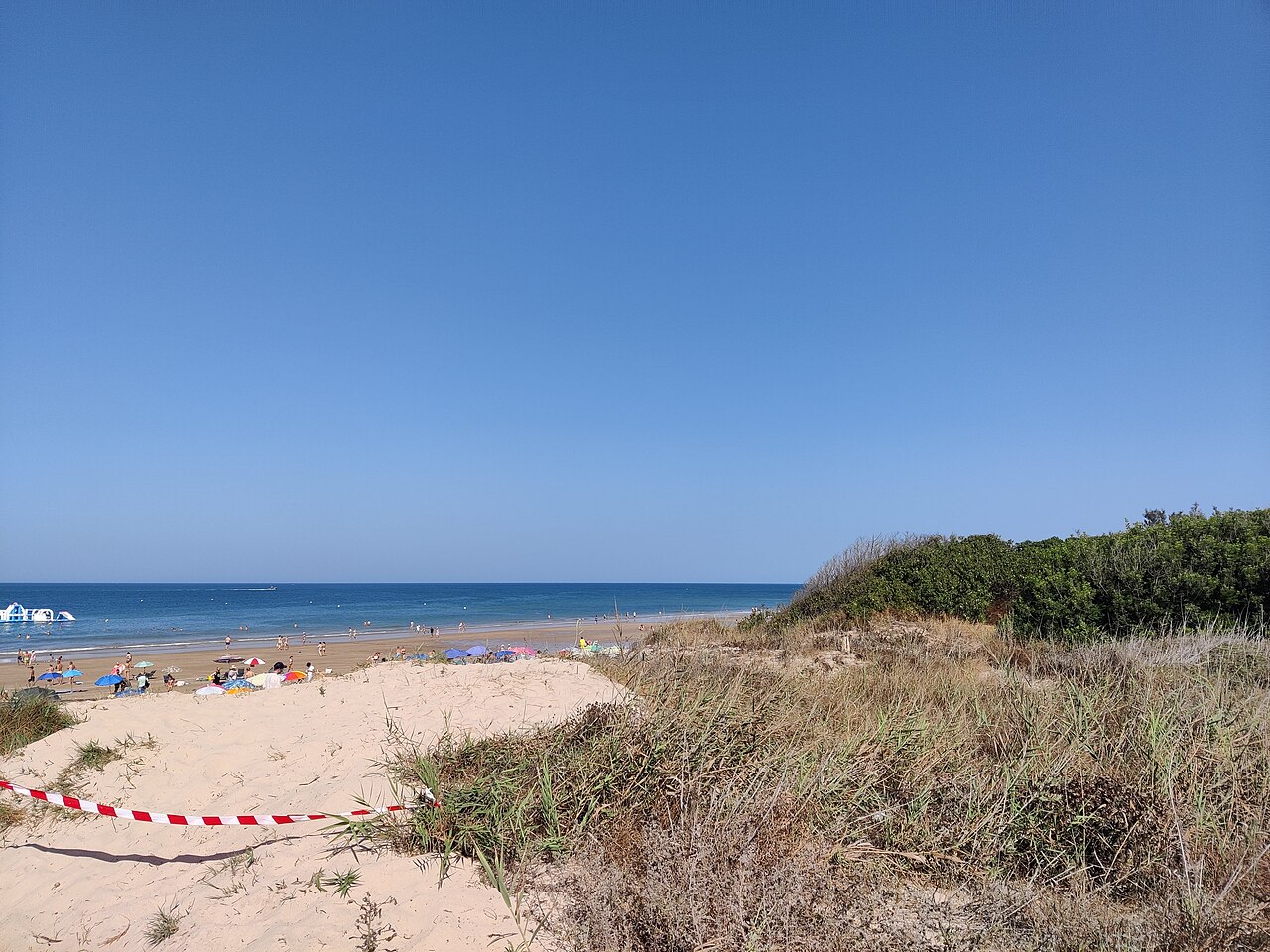
Ballenas Beach is reached through Cancún’s Hotel Zone and the Boulevard Kukulcán corridor. Public buses serve the main road, while taxis and rideshare services cover the area. A rental car offers flexibility but requires a parking plan. Walking is practical for travelers staying close to this part of the barrier island, and bicycles can suit some Hotel Zone journeys. Because the corridor contains many separate beaches and resort entrances, use Playa Ballenas or Ballenas Beach as the named destination when arranging transport. Allow extra time for traffic and for finding the correct pedestrian approach from the road.
Checked 2026-08-26 · Source
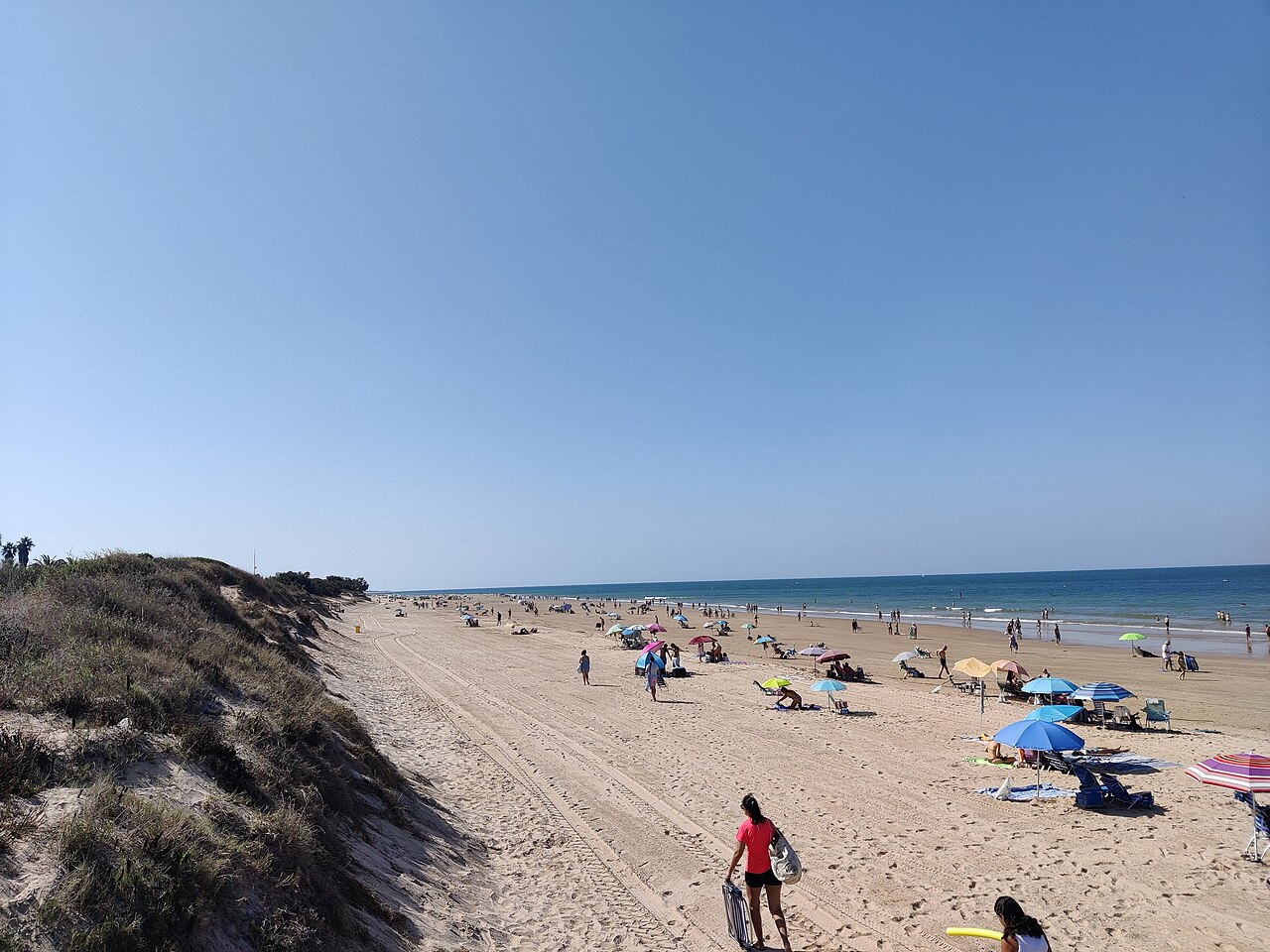
Treat Ballenas Beach as an open-water environment: assess currents and waves, stay within personal swimming ability, and supervise children closely. Rip currents can be dangerous even when the sea looks calm. Follow warning flags and any instructions posted at the beach. Tropical heat increases the need for water, shade, and sun protection, including on cloudy days. Jellyfish or other marine life can vary with conditions, so avoid touching unfamiliar animals. Do not swim after drinking alcohol. Keep bags and electronics under control, and remember that nearby resort security does not remove the need for personal care of valuables.
Checked 2026-08-26 · Source
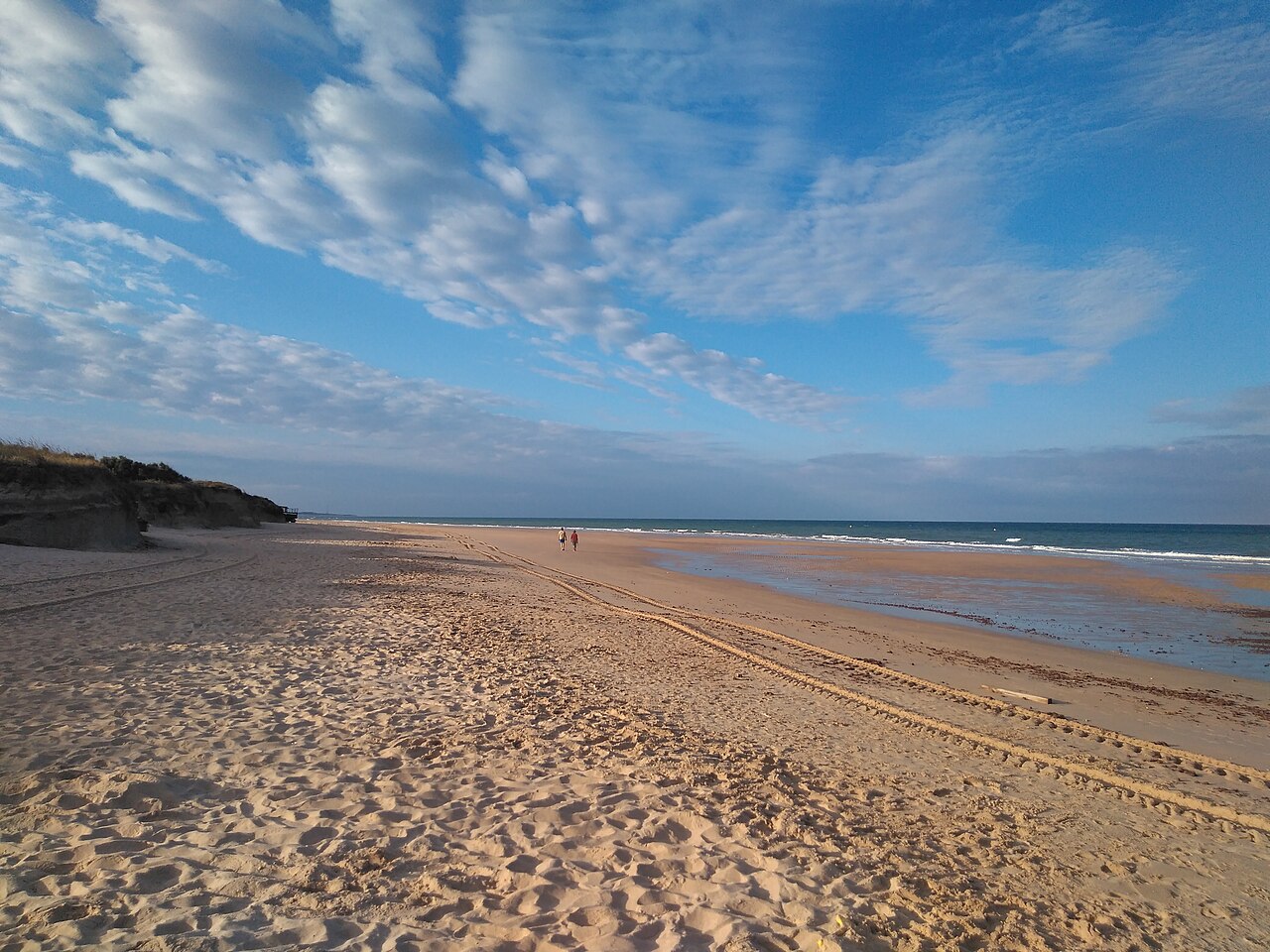
Ballenas Beach provides straightforward Caribbean photography: turquoise water, pale sand, coastal vegetation, and the changing light of Cancún’s shoreline. Morning and late afternoon are the easiest times for softer light, while midday can produce glare and hard shadows. A wide lens records the beach and sea together; closer compositions can emphasize water texture, footprints, or shoreline details. Protect equipment from sand and salt spray. Ask before making close portraits of other visitors, and keep photography clear of swimming paths. Handheld photography is the simplest option for a beach outing; aerial equipment brings separate aviation and privacy considerations.
Checked 2026-08-26 · Source
Ballenas Beach is in Cancún’s Hotel Zone on the Caribbean coast, along the developed barrier island and Boulevard Kukulcán corridor.
Ballenas means “Whales” in Spanish, but the name describes the beach’s name rather than promising whale sightings.
Plan for roughly two to six hours, with a half day suitable for swimming and relaxation and a shorter visit possible between other Hotel Zone activities.
Use public buses, taxis, rideshare services, rental cars, bicycles, or walking routes along Cancún’s Hotel Zone and Boulevard Kukulcán.
December through April is generally drier, while morning and late afternoon offer less intense sun than the middle of the day.
Assess sea conditions, watch warning flags, supervise children, avoid alcohol before swimming, and protect belongings from sand, water, and theft.
Loading the interactive map…
The interactive map could not be loaded.

Last updated:
Source: OpenStreetMap contributors ·