


3 min walk
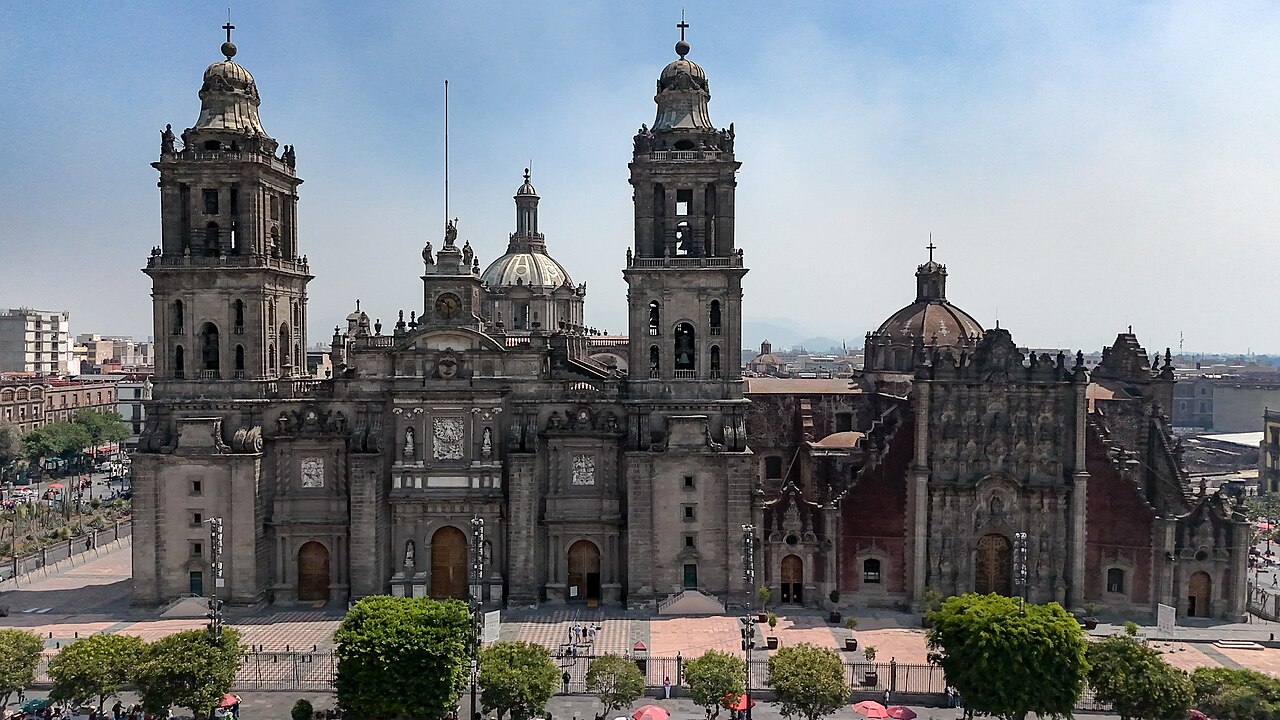
Mexico City Metropolitan Cathedral
- Must see
- Historic site
Historic site · Mexico City
Plaza de la Constitución

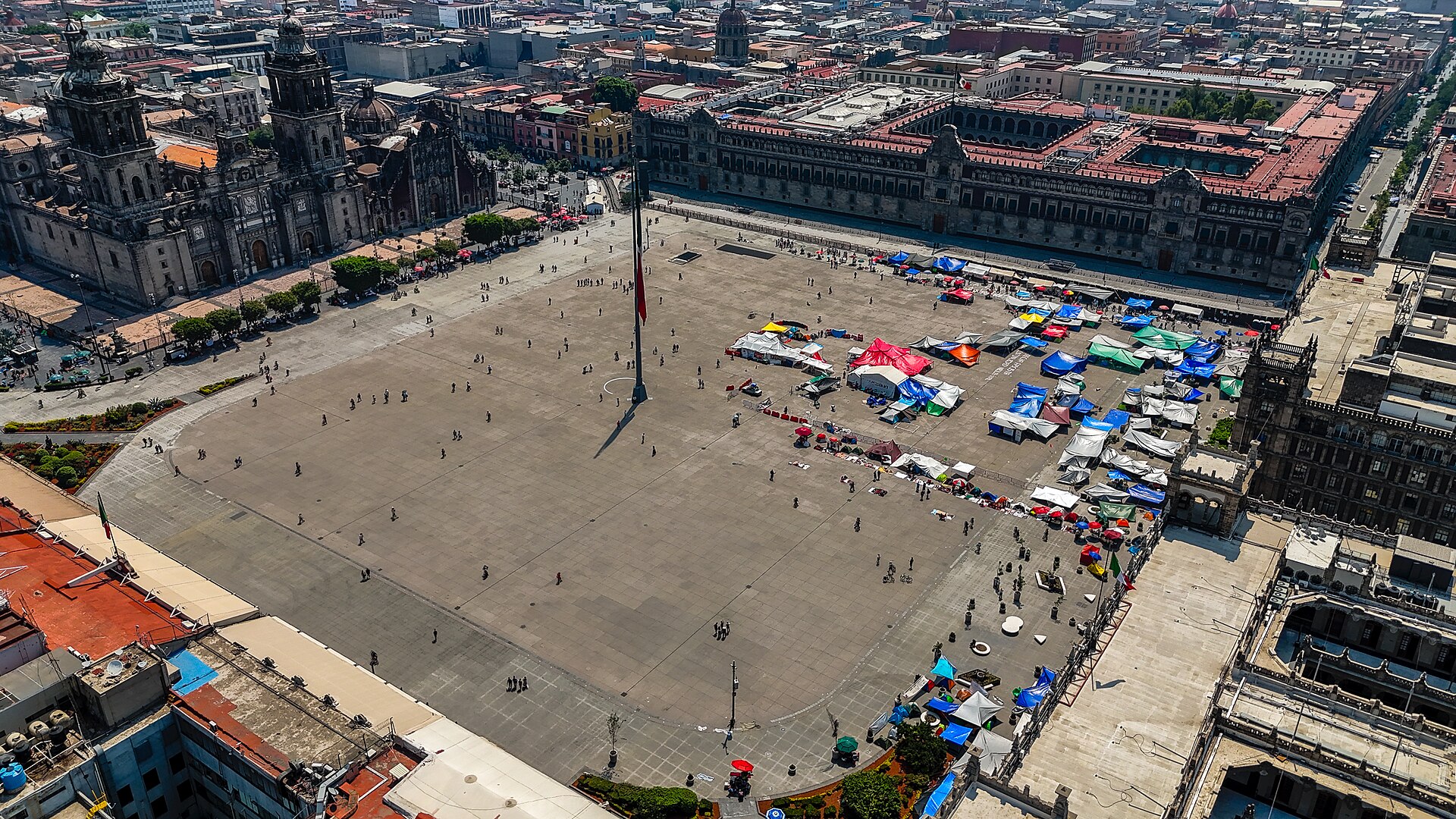
The Zócalo, officially Plaza de la Constitución, is the main public square in the historic centre of Mexico City. It ranks among the largest city squares in the world. The space functions as Mexico's national ceremonial square, hosting state events, protests, celebrations, and public gatherings. It sits at the heart of the UNESCO-listed historic core, surrounded by significant national institutions. The site overlays the historic centre of Tenochtitlan, the Aztec capital. Its role as a civic and symbolic space has persisted through multiple political eras, from pre-Hispanic times through the colonial period and into the modern Mexican state.
Checked 2026-08-26

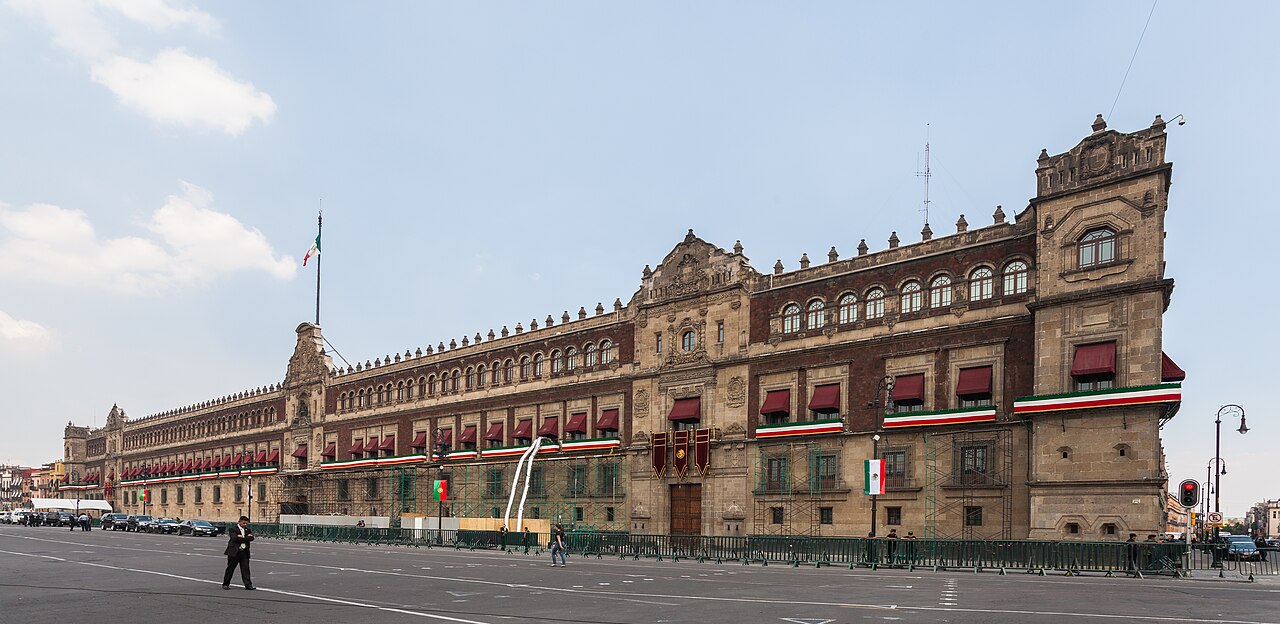
The square itself is an open paved expanse without permanent interior structures. Its boundaries are defined by significant buildings: the Metropolitan Cathedral to the north, the National Palace to the east, the Federal District buildings to the south, and commercial structures to the west. The National Palace contains Diego Rivera murals depicting Mexican history. The Metropolitan Cathedral is a major religious structure built over centuries. Temporary installations, stages, and civic decorations appear for specific events. The Templo Mayor archaeological site and museum lie immediately northeast, though this is a separate attraction with its own access and identity.
Checked 2026-08-26
A brief crossing or perimeter walk requires fifteen to twenty minutes. Visitors typically spend thirty to sixty minutes observing the square, its surrounding architecture, and any ongoing activities. Those combining the visit with the Metropolitan Cathedral or National Palace should allow additional time for security screening and interior exploration. The Templo Mayor museum nearby demands separate allocation. The square rewards repeated visits at different times, as its character shifts dramatically between quiet early mornings, busy midday periods, and evenings when building illuminations change the atmosphere. Extended stays suit those interested in people-watching or political observation.
Checked 2026-08-26
The square operates as public space without controlled access hours. Early mornings offer the calmest experience with minimal crowds and soft light on surrounding buildings. Midday brings intensity, heat, and density. Evenings provide illuminated architecture and cooler temperatures. Major national holidays transform the space entirely: Independence Day in September, Revolution Day in November, and Constitution Day in February bring massive gatherings. Visitors should monitor local news for scheduled demonstrations or events that may affect access, comfort, or safety. Weather considerations include strong sun exposure and seasonal rainfall patterns typical of central Mexico. Check the operator's own site for the travel date before relying on a schedule or fare.
Checked 2026-08-26
The Zócalo itself is public space with no admission fee. The Metropolitan Cathedral generally permits free entry, though donations may be requested. The National Palace requires free advance reservation through government channels and presents security screening. The Templo Mayor museum charges separate admission. Visitors should carry minimal cash and avoid displaying valuables. Any vendor claiming to sell square access is fraudulent. Official guided services, when available, operate through established tourism channels. Budget-conscious travellers can experience the complete square environment without expenditure beyond personal transportation and refreshments from surrounding businesses. Check the operator's own site for the travel date before relying on a schedule or fare.
Checked 2026-08-26

The Zócalo sits at the convergence of multiple Mexico City Metro lines, with Zócalo station on Line 2 providing direct access. Additional nearby stations include Allende, Bellas Artes, and Pino Suárez, each requiring short walks through the historic centre. Metrobus lines serve adjacent avenues. Walking from the Centro Histórico's numerous hotels is practical for visitors staying in the district. Traffic congestion makes private vehicles inadvisable; parking is limited and expensive nearby. Street navigation in surrounding blocks demands awareness of uneven surfaces, crowded sidewalks, and active commercial activity. The airport connection requires Metro transfer or authorised taxi services.
Checked 2026-08-26
Crowd density varies unpredictably with political demonstrations, concerts, or spontaneous gatherings. Visitors should maintain awareness of surrounding activity and identify exit routes. Petty theft occurs in dense conditions; secure belongings and avoid distraction by performers or vendors. Unofficial guides may approach with unsolicited services. Police and military presence is substantial but does not guarantee personal security. Air quality in Mexico City can affect sensitive individuals, particularly during dry season thermal inversions. surrounding streets contain uneven pavement and unexpected elevation changes. Political protests may escalate or involve road closures without advance notice. Hydration and sun protection prove essential during midday exposure.
Checked 2026-08-26
The open square permits unrestricted photography of the space, sky, and building exteriors. The Mexican flag, when raised, provides iconic composition. Early morning and late afternoon offer optimal natural lighting on surrounding architecture. Tripod use may attract security attention given the sensitive government zone. The National Palace and Metropolitan Cathedral interiors impose separate restrictions; interior photography may be prohibited or require special permission. Drone operation is strictly forbidden in this high-security government area. Night photography benefits from building illuminations, though personal safety considerations increase after dark. Respectful distance from any military or police personnel remains advisable.
Checked 2026-08-26
The area maintains substantial police presence, but visitors should exercise standard urban precautions regarding belongings and crowd awareness.
Current access policies require advance reservation; same-day entry may be unavailable depending on government operations and security protocols.
The square itself contains no permanent food establishments; surrounding streets and arcades offer numerous dining options at various price levels.
The square's function as national ceremonial space includes hosting demonstrations; access may be unrestricted, modified, or temporarily altered depending on specific circumstances.
The paved surface permits wheelchair navigation, though surrounding historic streets present variable conditions including uneven surfaces and limited curb cuts.
As unenclosed public space, formal closure does not occur, though visitor presence naturally decreases and personal security awareness becomes more important after dark.
The monumental ofrenda stands in the Zócalo from 29 October to 2 November 2026. Mexico City's official visitor guide calls it the heart of the civic celebration: a massive-scale altar in the main square, accompanied by a lineup of free concerts and cultural events on the same dates.
Checked 2026-10-01 · Source
The 2026 Zócalo ofrenda pays its main tribute to José Guadalupe Posada's Catrina, the elegant skeleton that has become the best-known symbol of the celebration. The city guide highlights a 32-metre-tall cartonería (papier-mâché) sculpture of the Catrina, sawdust carpets and thousands of cempasúchil (marigold) flowers across the square.
Checked 2026-10-01 · Source
The Great Day of the Dead Parade starts at 14:00 on Saturday 31 October 2026 and ends at the Zócalo. It departs from the Glorieta de la Diana Cazadora and follows Paseo de la Reforma with marching bands, dancers, mojigangas (giant puppets) and dozens of floats. The city guide gives the start time only, not an arrival time at the square.
Checked 2026-10-01 · Source
No, the concerts and cultural events that accompany the Zócalo ofrenda are free, according to Mexico City's official visitor guide. The altar itself is set up in the open public square, and the guide mentions no ticket or reservation for the ofrenda, the concerts or the illumination of the surrounding buildings.
Checked 2026-10-01 · Source
The Zócalo illumination runs from 29 October to 4 November 2026, two days longer than the ofrenda. Crews from the Secretariat of Works and Services light the façades of the Government and Mercaderes buildings with motifs such as the calavera garbancera, skeletal hummingbirds, xoloitzcuintle dogs and scenes of nature.
Checked 2026-10-01 · Source
Yes, the 18th Monumental Alebrije Parade sets off from the Zócalo on 17 October 2026 and heads to Paseo de la Reforma. The Museum of Popular Art organises it to honour cartonería, the papier-mâché craft associated with Mexico City master Pedro Linares and the Oaxacan family of Don Manuel Jiménez.
Checked 2026-10-01 · Source
Three Reforma events overlap with the Zócalo ofrenda. The Cempasúchil Flower Festival runs from 18 October to 1 November between the Angel of Independence and the Ahuehuete, the light installation “The Path” runs from 23 October to 8 November, and the Mega Procession of the Catrinas marches along Reforma on 25 October 2026.
Checked 2026-10-01 · Source
Yes, the Day of the Dead Bike Ride on 24 October 2026 runs from 19:00 to 23:00 and finishes in the Historic Center. The 19-kilometre route starts at the Fuente de Petróleos and follows Paseo de la Reforma and Avenida Juárez, with bike loans, Biciescuela points, a costume contest and DJ stages along the way.
Checked 2026-10-01 · Source
Metro Zócalo/Tenochtitlan on Line 2 is the station at the Zócalo itself. Its six entrances and exits run along the east side of the square and carry no signs, to preserve the look of the historic centre. A pedestrian tunnel lined with bookshops connects it south to Metro Pino Suárez.
Checked 2026-10-01 · Source
Community ofrendas stand at 12 venues across Mexico City from 29 October to 2 November 2026, the same dates as the Zócalo altar. They include the Plaza de las Tres Culturas in Tlatelolco, Lomas de la Era and Utopía parks in boroughs such as Coyoacán, Iztapalapa, Tlalpan and Milpa Alta. The city guide also recommends the historic centres of Coyoacán and Tlalpan.
Checked 2026-10-01 · Source
“The Door Between Two Worlds” festival runs in the Bosque de Chapultepec from 29 October to 4 November 2026. It is set along Paseo de los Compositores and Lago Mayor in the Second Section of the forest, under the theme “The Cempasúchil Trail”, with art, music, dance, food, altars and a nighttime drone show.
Checked 2026-10-01 · Source
The city guide asks visitors to Mixquic to arrive hours early because of traffic, ask permission before taking photographs, keep a respectful silence during La Alumbrada and never sit or step on the tombs. San Andrés Mixquic, in Tláhuac borough, celebrates from 31 October to 2 November, and La Alumbrada, when thousands of candles are lit on the graves, is the night of 2 November.
Checked 2026-10-01 · Source
Loading the interactive map…
The interactive map could not be loaded.

Last updated:
Source: OpenStreetMap contributors, Wikidata ·