
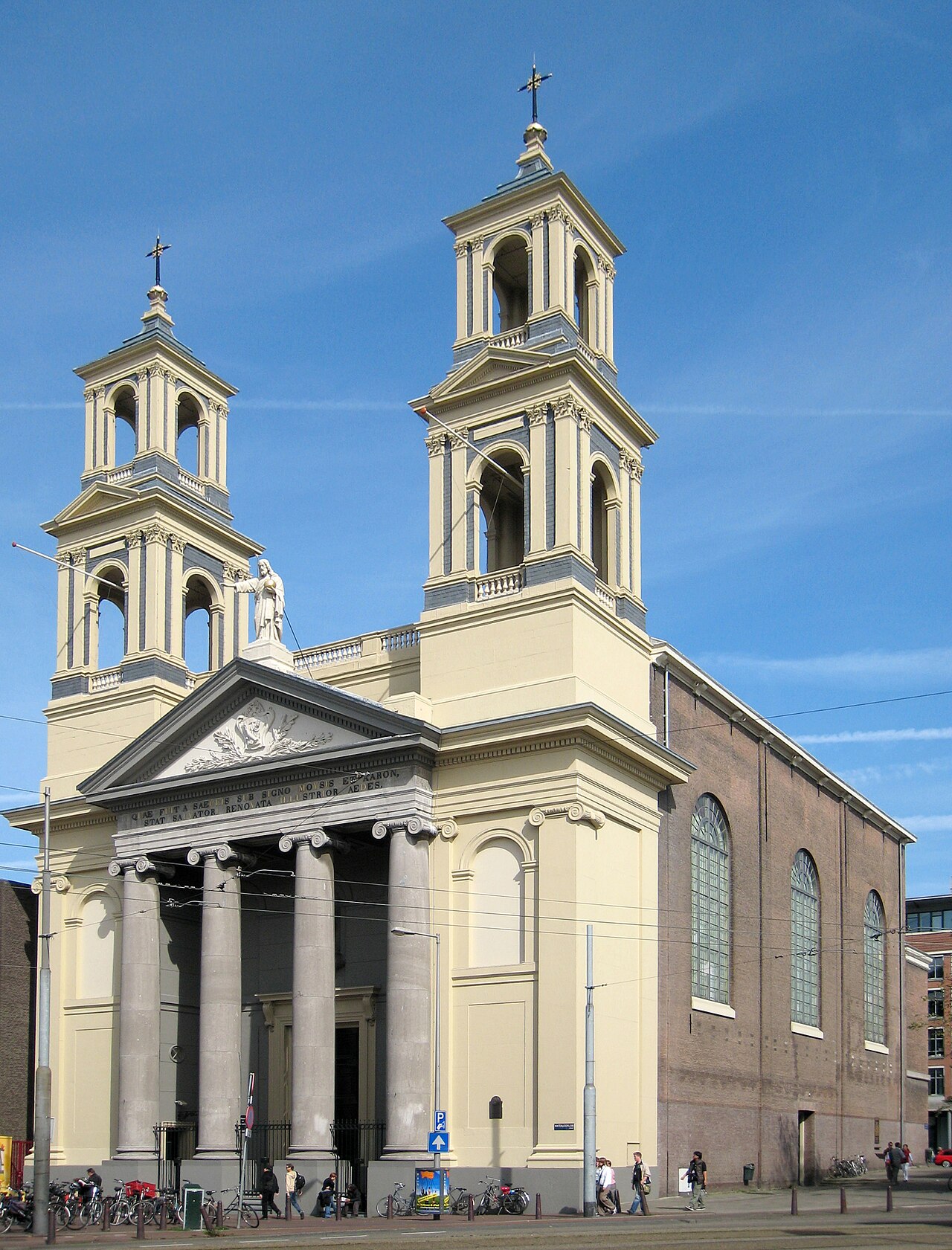
2 min walk
Mozes en Aäronkerk
- High · Heritage site
- Place of worship
Language · 11 published
Museum · Amsterdam
Joods Museum
Reviewed by Elena Voss · Roavina Travel Editor

| Monday | 11:00 – 17:00 |
|---|---|
| Tuesday | 11:00 – 17:00 |
| Wednesday | 11:00 – 17:00 |
| Thursday | 11:00 – 17:00 |
| Friday | 11:00 – 17:00 |
| Saturday | 11:00 – 17:00 |
| Sunday | 11:00 – 17:00 |
Parsed from OpenStreetMap opening hours on 2026-09-09.
This place is a Museum. It was established in 1932.
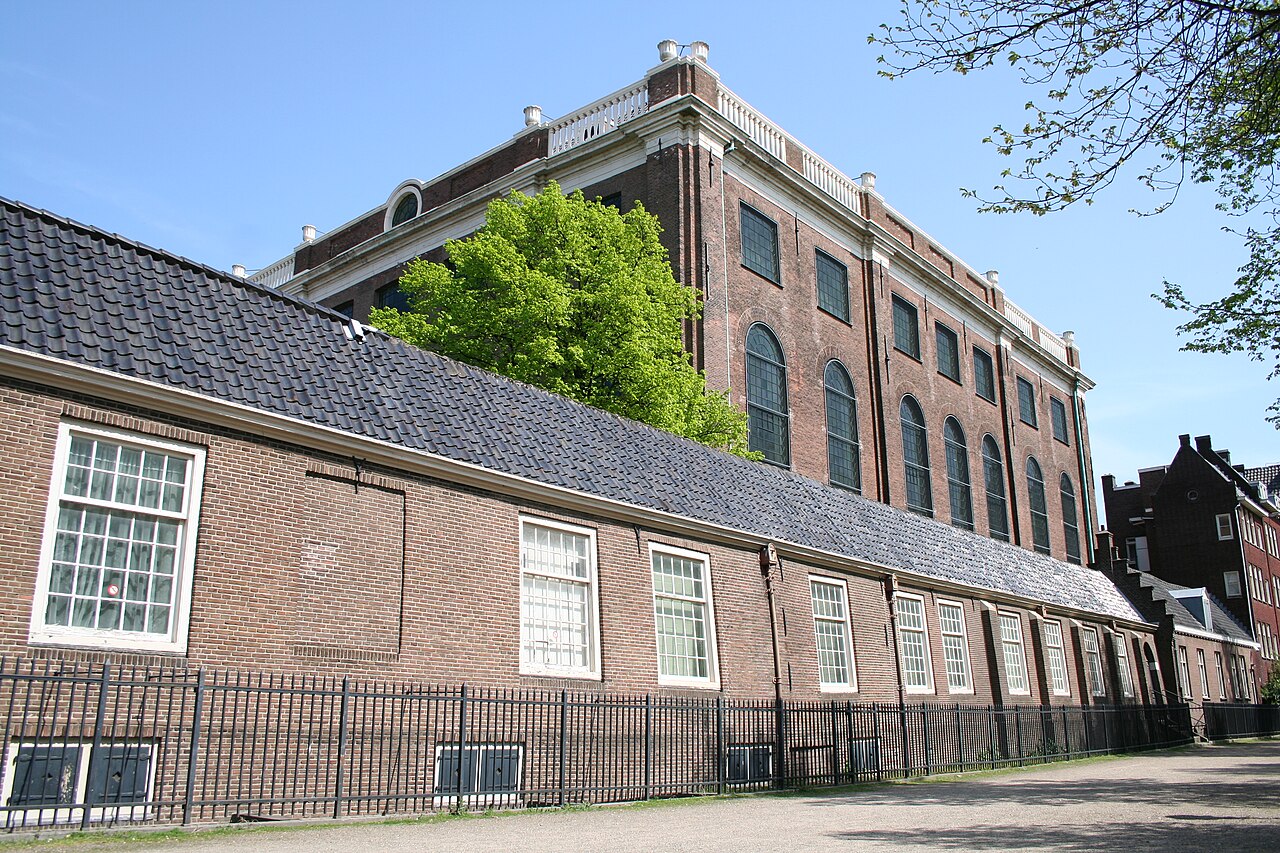
Amsterdam’s Jewish Museum is a cultural institution devoted to Jewish history, religion and culture in the Netherlands. Its setting in the city’s historic Jewish quarter gives the museum a direct relationship with the streets and community it interprets. The museum presents Jewish life through religious practice, family life, community institutions and cultural expression, while also addressing Holocaust history and remembrance. The visit connects Amsterdam’s Jewish heritage with objects, historic spaces and personal experiences that make this history tangible. It is especially valuable for understanding how a Jewish community shaped the city over time, how religious life was organised, and how persecution transformed that community. The museum’s subject is therefore both local and wider: Amsterdam provides the setting, while Jewish traditions, migration, belonging, loss and memory provide the themes that give the collection its depth.
Checked 2026-08-26 · Source
The museum’s collections include Jewish religious objects, historical documents, photographs, artworks and personal artefacts. Exhibitions explore Jewish traditions, identity and the changing experience of Jewish people in Dutch society. Historic synagogue spaces provide architectural context and give the displays a strong sense of place. Permanent installations and temporary exhibitions may give different visits a different emphasis, so allow time to read labels and consider the individual stories behind the objects. Look for the connections between everyday life and formal religious practice: a household object, document or photograph can show how identity was lived rather than simply described. Displays also address pre-war community life, persecution during the Second World War and the consequences of that history. The result is a visit that moves between material culture, architecture and testimony.
Checked 2026-08-26 · Source
Allow around one to two hours for a focused visit through the museum’s principal displays. Visitors who read exhibition texts carefully, study religious artefacts or have a strong interest in Dutch Jewish history may want longer. The historic setting and range of themes reward an unhurried pace, particularly where displays connect major events with personal lives. If the Jewish Museum is one stop in a wider visit to Amsterdam’s Jewish Cultural Quarter, plan at least half a day for several institutions and more time for a full-day heritage itinerary. A shorter visit can still work if you choose a few themes in advance, but rushing through the collection risks losing the links between objects, community history and remembrance. Leave transition time if your plan includes other sites in the quarter.
Checked 2026-08-26 · Source
The Jewish Museum is an indoor cultural destination that can anchor a rainy-day itinerary as well as a broader heritage walk. Its subject matter deserves enough time for attentive reading, especially in sections dealing with persecution, loss and remembrance. The museum’s position in the historic Jewish quarter makes it convenient to combine with other Jewish heritage sites nearby. Visitors planning a quarter-wide circuit should allow time for each institution rather than treating this museum as a brief stop, and should consider the walking between sites. No opening-time recommendation is therefore asserted.
Checked 2026-08-26 · Source
No operator or responsible-public-body admission amount is recorded for this Jewish Museum entry, so this guide does not state a ticket price, free-entry condition, concession or combined-ticket benefit. The museum forms part of a wider Jewish Cultural Quarter with related institutions nearby, but their admission arrangements should not be treated as interchangeable. If you are planning several sites, consider the quarter as a group of separate cultural destinations and assess each entry arrangement independently. The absence of a recorded fare here also means that no budget estimate is attached to the visit. Do not infer a price from another Amsterdam museum or from a third-party listing.
Checked 2026-08-26 · Source
The Jewish Museum occupies a central position in Amsterdam’s historic Jewish quarter. The area can be approached on foot through the city centre, while tram services operate along nearby routes serving the district. Cycling is a natural way to reach this part of Amsterdam, although the dense historic streets require care during the final approach. Driving is inconvenient because vehicle access is restricted in parts of the neighbourhood and parking is extremely limited; canal transport still requires a final walk. Treat the location as an urban, walk-and-transfer visit: the final approach may involve busy streets, cyclists and short connections between transport stops and the museum. The quarter’s compact historic setting is part of the experience, but it also limits convenient car access.
Checked 2026-08-26 · Source
The museum addresses persecution, loss and Holocaust history, themes that may be distressing for children and sensitive visitors. Parents should consider a child’s maturity before planning the visit. The historic buildings may contain stairs or uneven surfaces, so their architectural character should not be taken as evidence of step-free access. Visitors should behave respectfully in spaces connected with religious heritage and remembrance. In the surrounding streets, remain alert to bicycles, which can move quickly and quietly through Amsterdam’s cycling infrastructure.
Checked 2026-08-26 · Source
Visitors should follow signs and staff instructions in each exhibition area instead of assuming that every gallery or historic interior may be photographed. A restrained approach is especially appropriate around sensitive historical objects, personal material and commemorative spaces. Do not use flash, tripods or selfie sticks where house rules prohibit them or where they obstruct other visitors. Respect for religious heritage and remembrance should guide photography throughout the visit. If an image matters to you, check the local sign or staff direction in that particular space and keep other visitors’ experience in mind.
Checked 2026-08-26 · Source
The museum covers Jewish culture and community life as well as persecution, loss and Holocaust history. Those themes can be difficult, so suitability depends on a child’s age, maturity and sensitivity. Adults may want to prepare younger visitors for the commemorative and emotionally serious parts of the collection.
Yes. The Jewish Museum is part of a wider heritage quarter, and a half-day allows time to combine it with nearby institutions. Visiting every site thoroughly will require longer. Build in walking time between buildings, since the quarter is experienced as a group of separate cultural destinations rather than one single gallery.
The historic buildings may include stairs or uneven surfaces. Anyone needing specific arrangements should verify them with the museum before relying on a particular route through the buildings.
Because the museum includes religious and commemorative contexts, respectful clothing and behaviour are appropriate. Visitors should also be prepared to follow any instructions applying to particular historic interiors or spaces connected with Jewish religious heritage.
The visit can nevertheless be approached through the collections, exhibition displays, historic synagogue spaces and written interpretation described for the museum.
The museum is in a central Amsterdam neighbourhood with other places to eat, but no nearby venue is presented as part of the museum. Plan food separately from the visit if you need a dedicated meal break.
Loading the interactive map…
The interactive map could not be loaded.
Last updated:
Source: OpenStreetMap contributors, Wikidata ·