


01
1 hr 30 min
Sky Tower
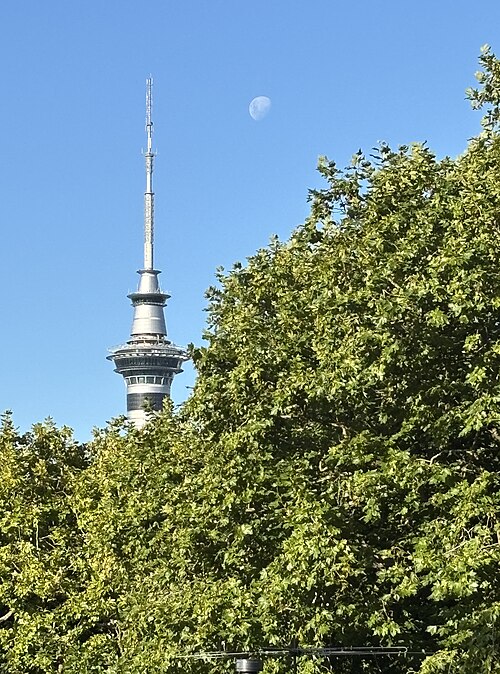
Sky Tower is Auckland's 328-metre observation tower at the corner of Victoria and Federal Streets in the SkyCity precinct.
- Must see
- Viewpoint
- Auckland
Language · 11 published
Country guide

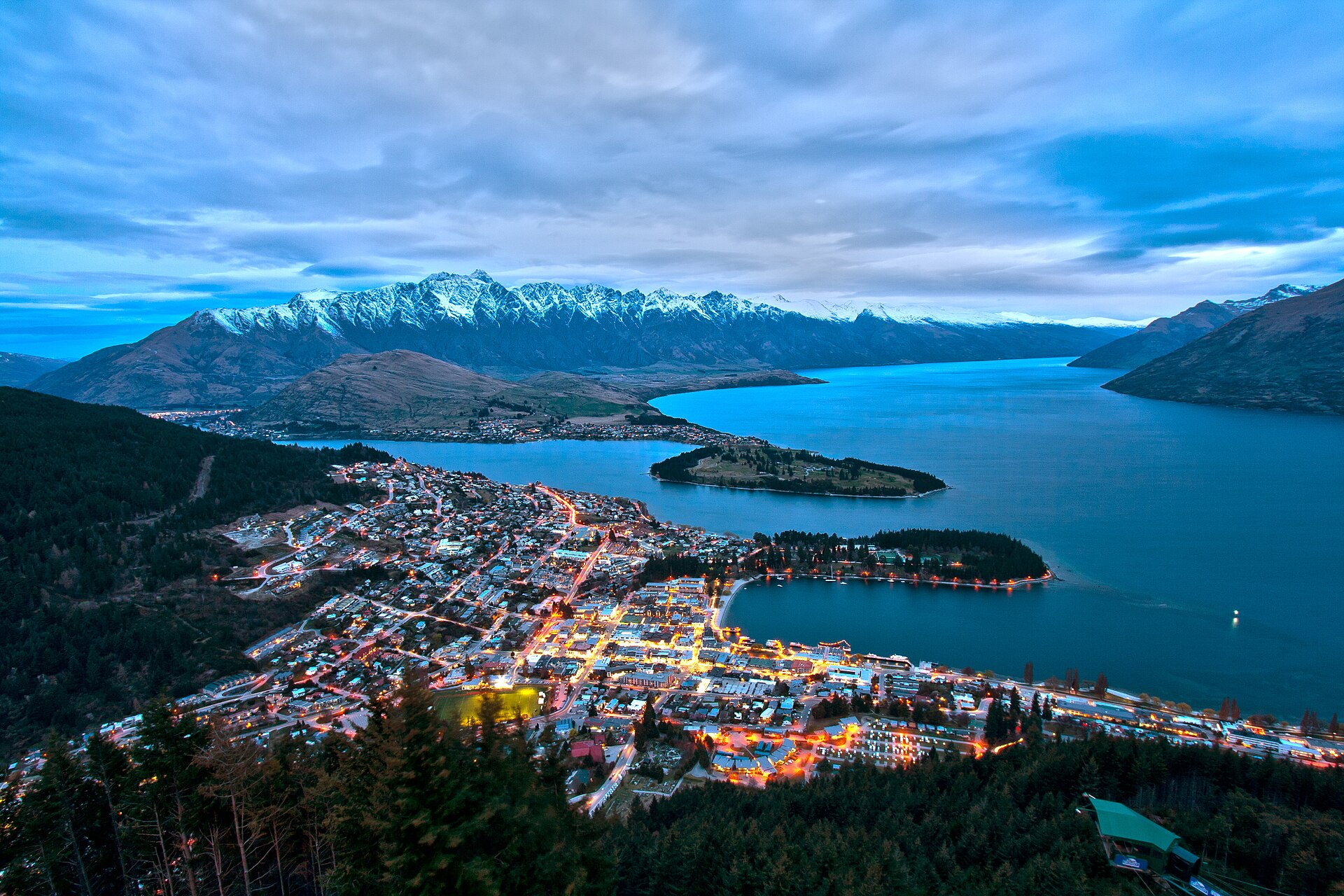
New Zealand runs more than 1,600 kilometres along a north-north-east axis, and its 5,355,150 people as of August 2026 are spread across 263,310 km2 of it. There are two main islands and over 700 smaller ones; the Cook Strait between the big two is 22 kilometres across at its narrowest. Auckland is the largest city and where most visitors land, Wellington is the capital and the crossing point south. The South Island carries the Southern Alps, raised by tectonic uplift and volcanism, and its road distances are consistently longer than the map makes them look.
Reviewed by Elena Voss · Roavina Travel Editor
Every city catalogued in this country so far, ranked by how much there is to see.
Photograph · ChewyPineapple · CC BY-SA 3.0
Photograph · Lawrence Murray from Perth, Australia · CC BY 2.0
Ranked by importance — sitelinks, pageviews and heritage status, not editor preference.
37 places match
Category
Typical visit duration
Interests
Sky Tower is Auckland's 328-metre observation tower at the corner of Victoria and Federal Streets in the SkyCity precinct.
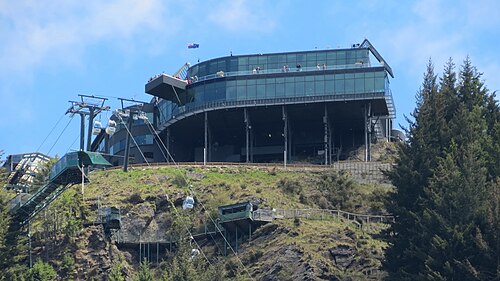
Skyline Queenstown is a scenic complex perched on Bob's Peak overlooking Queenstown and Lake Wakatipu. It centres on a gondola ride that ascends from the town centre to an elevated viewpoint and activity base.
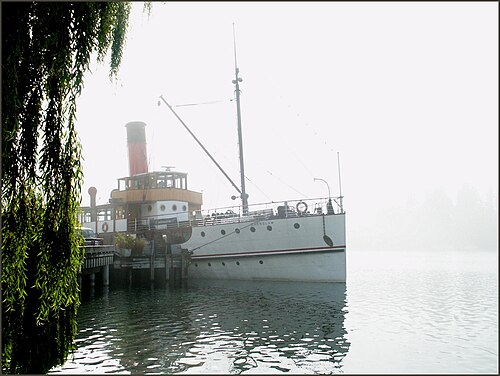
TSS Earnslaw is a vintage twin-screw steamship operating on Lake Wakatipu from Queenstown. Launched in 1912, the vessel was built for the New Zealand Railways Department to transport passengers, sheep and cattle to high-country stations.
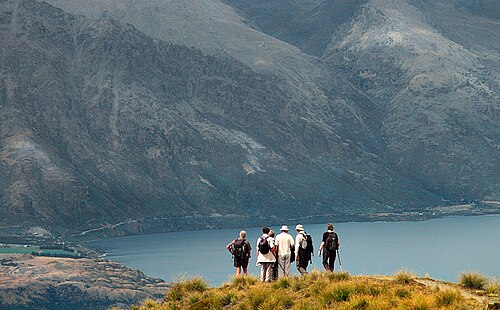
Ben Lomond Track is a prominent tramping route near Queenstown, ascending from the town centre vicinity toward the Ben Lomond summit. The track forms part of Queenstown's accessible backcountry offering, with trailheads reachable without vehicle transport.
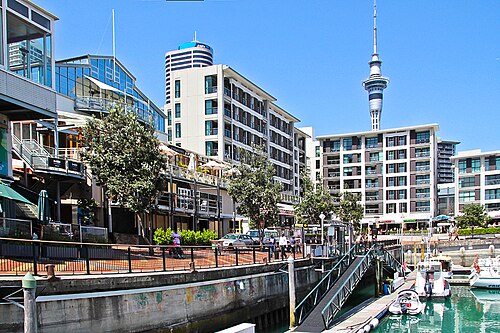
Te Whanga-nui-o-Tūtai Viaduct Harbour
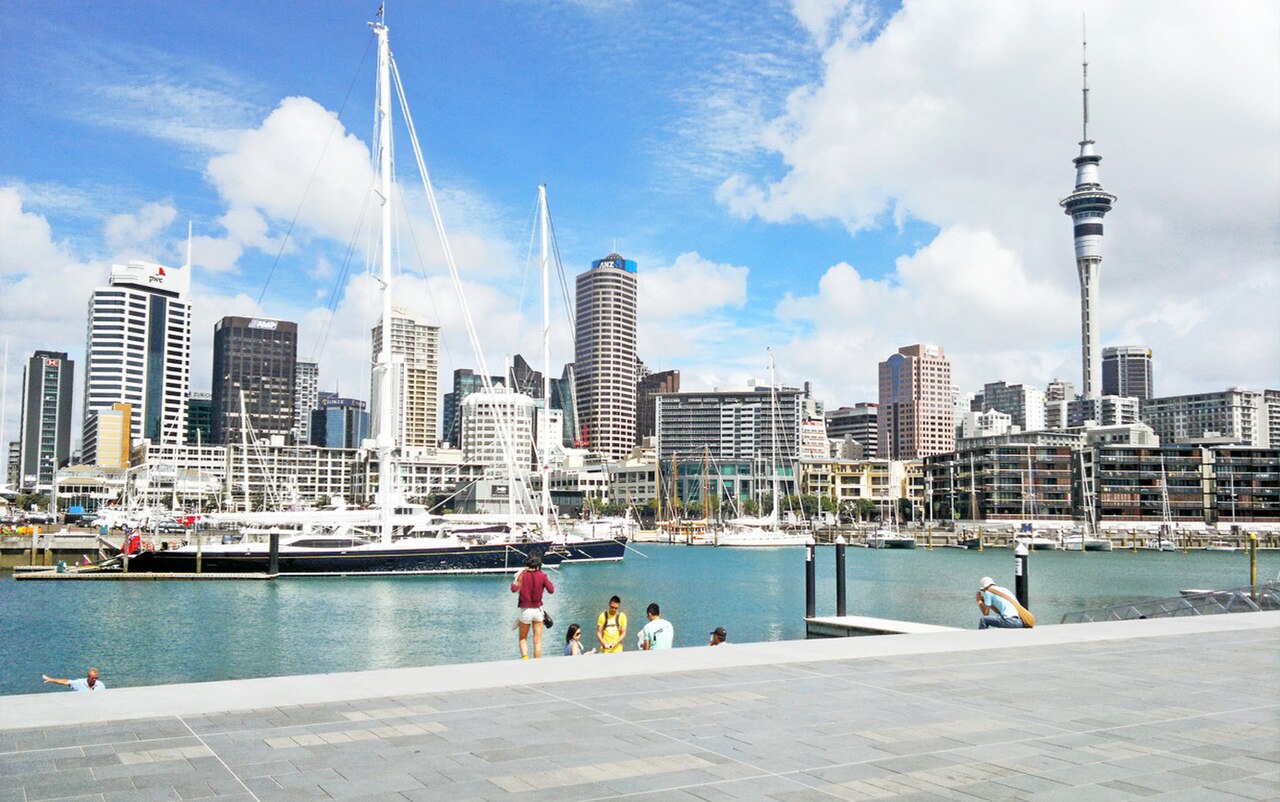
Viaduct Harbour, known in te reo Māori as Te Whanga-nui-o-Tūtai Viaduct Harbour, is a waterfront precinct in central Auckland.
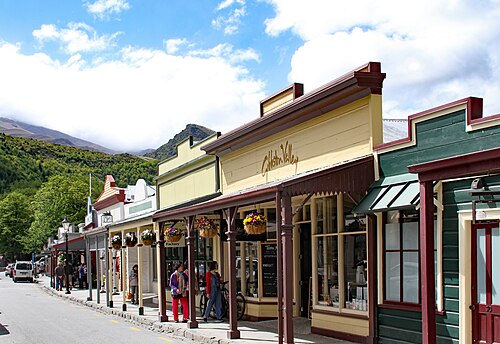
Arrowtown Historic Precinct is a preserved gold-rush town centre in Arrowtown, a short drive from Queenstown. The precinct retains much of its nineteenth-century character, with original and reconstructed buildings lining the main street.
The Remarkables Ski Area is a commercial ski field located in the Remarkables mountain range near Queenstown, New Zealand. It operates as one of the region's principal winter sports destinations alongside Coronet Peak.
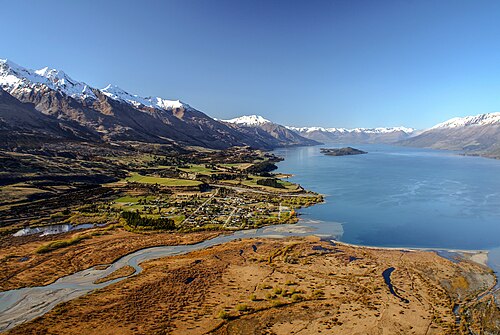
Glenorchy is a small settlement at the northern end of Lake Wakatipu, approximately 45 kilometres from Queenstown. The locality sits within the Queenstown visitor destination scope and serves as a gateway to Mount Aspiring National Park and the Routeburn Track.
Onsen Hot Pools is a private hot pool facility located near Queenstown, New Zealand. The attraction offers individually booked pools with views of the surrounding alpine landscape.
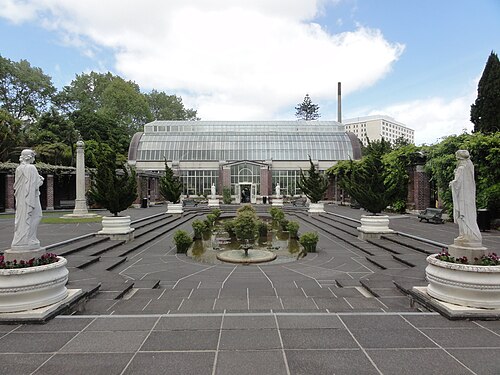
The Auckland Domain Wintergardens is a heritage glasshouse complex situated within Auckland Domain, the city's oldest park. Established in the early twentieth century, the Wintergardens comprise two main display houses and an adjoining courtyard area.
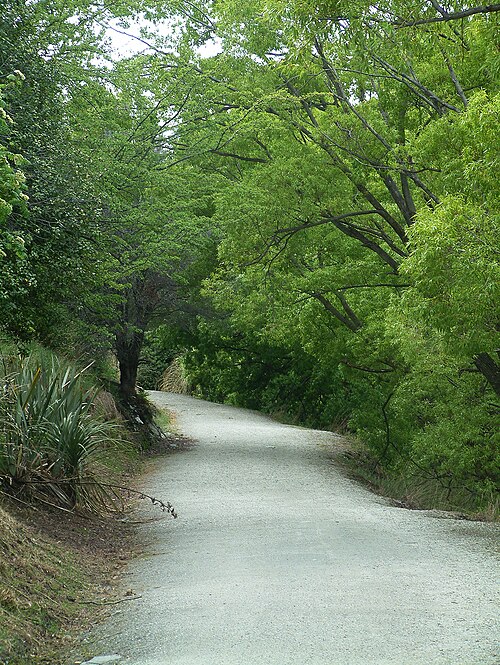
Queenstown Trail is a network of cycling and walking tracks in the Queenstown region. The trail connects various locations around Lake Wakatipu and the surrounding area, providing visitors with an outdoor recreational option.
Frankton Track is a walking and cycling trail linking Queenstown with Frankton along the shore of Lake Wakatipu.
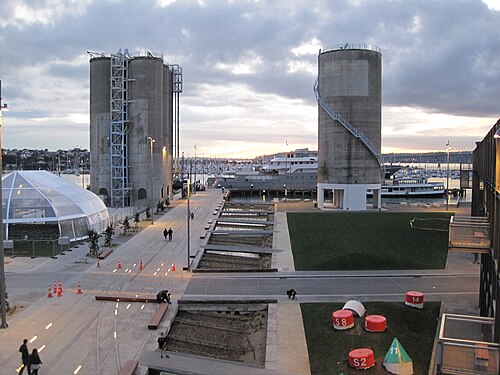
Wynyard Quarter is a waterfront precinct in central Auckland, New Zealand. Formerly an industrial port area, it has been redeveloped into a mixed-use destination combining public spaces, dining venues, and maritime heritage elements.
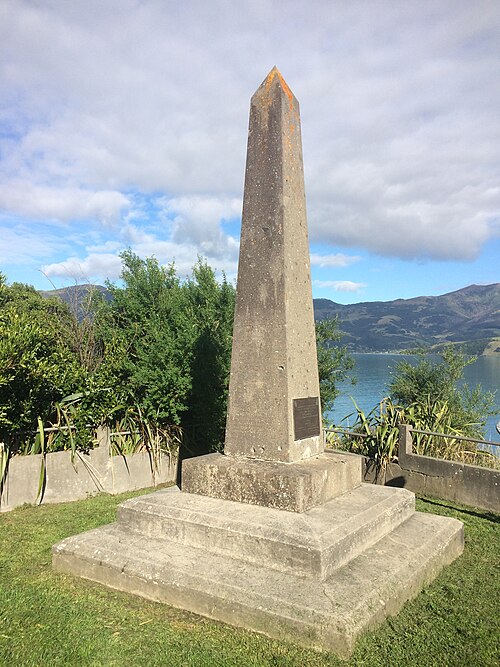
Britomart
Britomart is a waterfront precinct in central Auckland, New Zealand. The area encompasses heritage buildings, commercial spaces, and public areas near Auckland's Waitematā Harbour. It functions as a mixed-use destination combining retail, hospitality, and office functions within historically significant architecture.
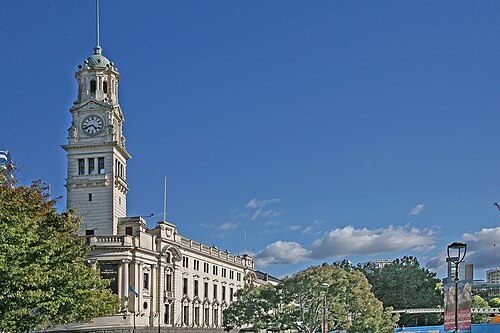
Auckland Town Hall is a historic civic building and performing arts venue in central Auckland, New Zealand. Opened in 1911, it was designed by architects J.
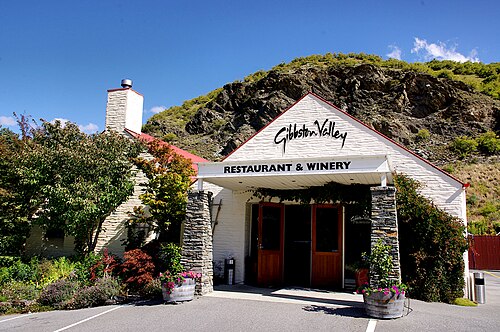
Gibbston Valley Winery is a wine producer and visitor destination in the Gibbston Valley area near Queenstown, New Zealand. The business operates vineyards, a winery facility, and visitor experiences including tastings and dining.
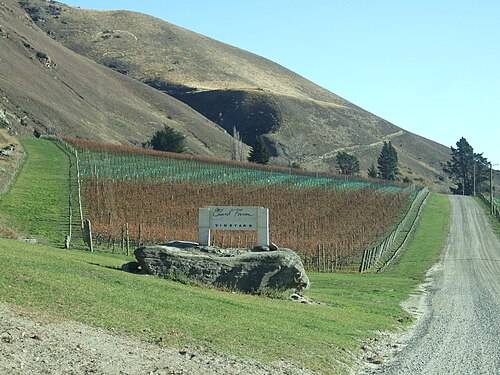
Chard Farm Winery is a cellar-door destination in Gibbston Valley, within Central Otago’s cool-climate wine country.
Amisfield Cellar Door is a wine-and-food destination beside Lake Hayes near Queenstown. The visitor-facing experience is centred on the cellar door and bistro, where Amisfield wines are presented alongside food.
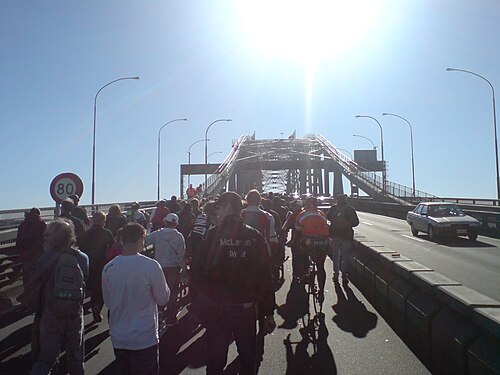
The Auckland Harbour Bridge Climb is a guided adventure activity operated by AJ Hackett Bungy New Zealand, allowing visitors to ascend the structure of the Auckland Harbour Bridge.
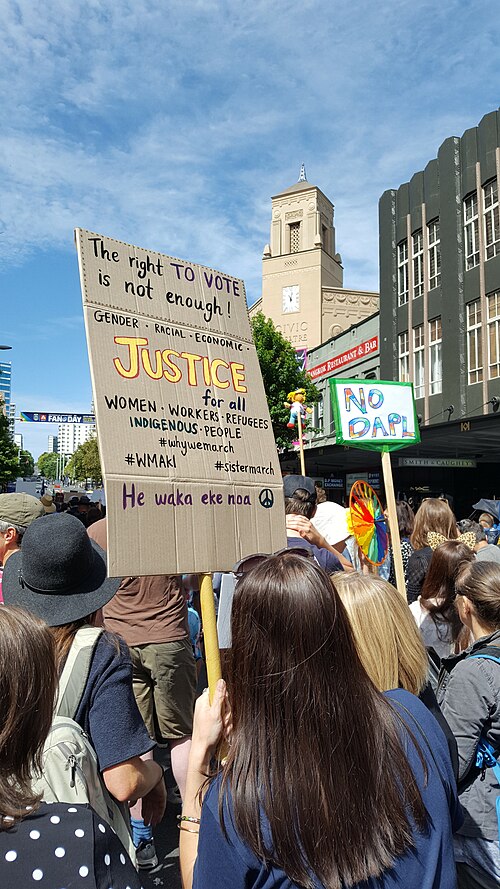
Queen Street is the principal commercial thoroughfare of Auckland, New Zealand's largest city. It runs from the Auckland waterfront at Queens Wharf through the central business district toward Karangahape Road.
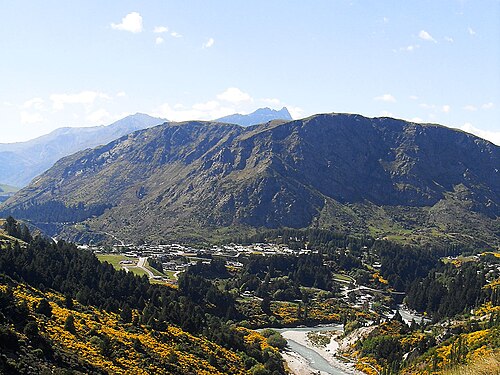
Moonlight Track is a walking and cycling trail in the Queenstown area. The track forms part of the region's outdoor recreation network, offering visitors a backcountry experience within reach of the town.
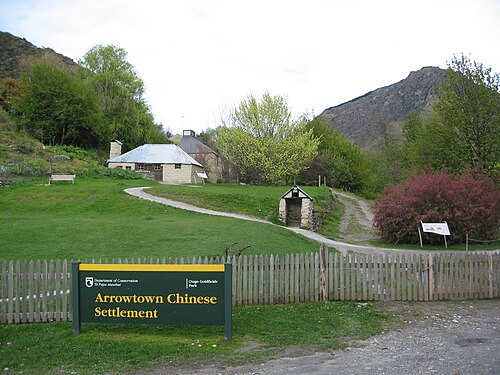
Arrowtown Chinese Settlement preserves the remains of a nineteenth-century Chinese gold-mining community near Arrowtown. Chinese miners came to the Otago goldfields seeking work and opportunity, yet often lived with hardship and social exclusion.
Millbrook Resort is a luxury golf and lifestyle resort located in the Queenstown region of New Zealand's South Island. Set within an expansive landscape near Arrowtown, the property encompasses championship golf courses, accommodation villas, dining facilities, and wellness amenities.
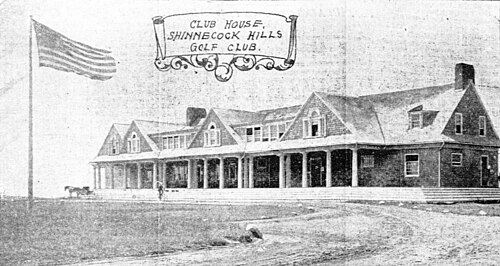
The Hills Golf Club is a golf course located in the Queenstown area of New Zealand's South Island. It sits within the broader Wakatipu Basin landscape, surrounded by the region's characteristic mountainous terrain.
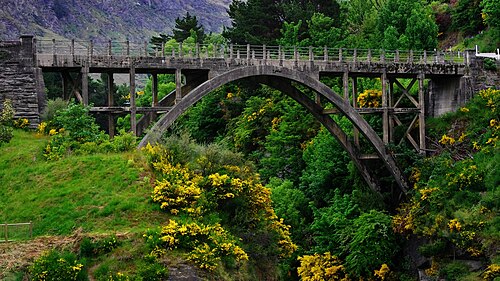
Edith Cavell Bridge is a road bridge at Arthurs Point near Queenstown, crossing the Shotover River on the route toward Coronet Peak. It places travelers beside a dramatic gorge landscape of rocky walls and river channels.
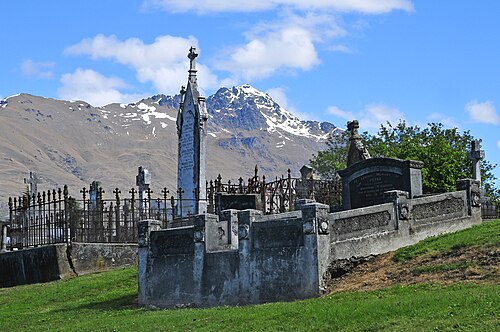
Queenstown Cemetery is a burial ground and a quiet heritage place within the Queenstown area. Its graves and memorials connect visitors with local families, settlement and community life across generations.
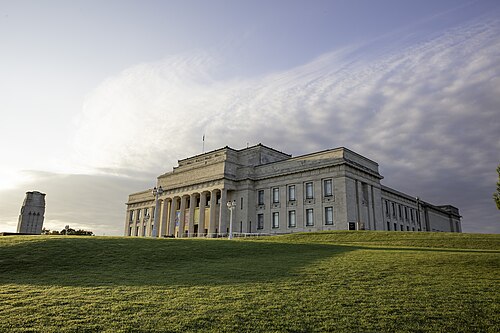
Tāmaki Paenga Hira / Auckland War Memorial Museum
Tāmaki Paenga Hira Auckland Museum stands as a prominent cultural institution in Auckland Domain, the city's oldest park. The building occupies a commanding position on a volcanic crater remnant, with its neoclassical architecture visible across the harbour.
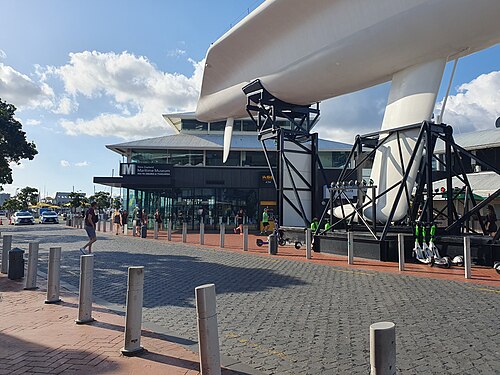
The New Zealand Maritime Museum, known locally as Hui Te Ananui a Tangaroa, sits on Auckland's waterfront at the edge of the Viaduct Harbour.
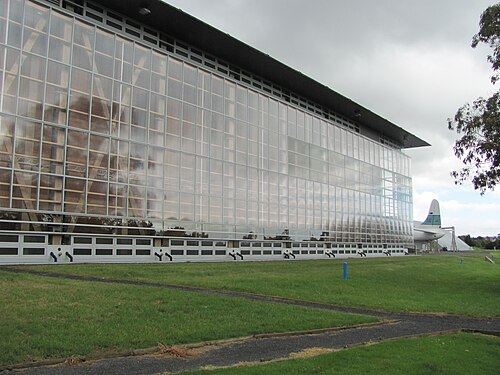
The Museum of Transport and Technology, known locally as MOTAT, is a transport and technology museum in Auckland, New Zealand. It occupies multiple sites and preserves the nation's heritage in aviation, road transport, trams, and telecommunications.
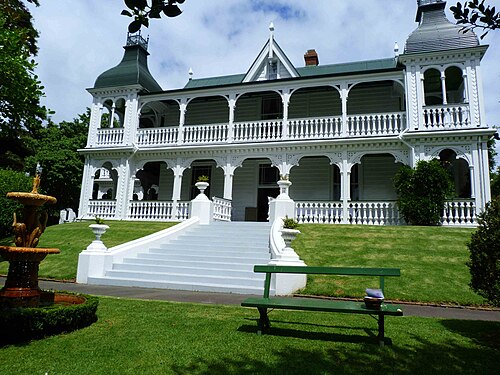
Alberton is a historic house museum in Auckland, New Zealand, managed by Heritage New Zealand. The property features a distinctive two-storey timber mansion with distinctive exterior decorative detailing.

Auckland Zoo is Auckland’s zoological park. The principal reason to include it is animal habitats, conservation interpretation, and landscaped visitor routes. Its setting is Western Springs, west of the city centre.
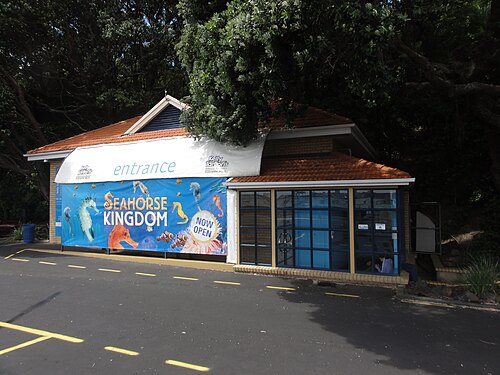
SEA LIFE Kelly Tarlton's Aquarium
SEA LIFE Kelly Tarlton's Aquarium is a marine-life aquarium built into Auckland’s waterfront landscape. The principal reason to include it is aquatic displays, conservation interpretation, and an indoor visitor route.
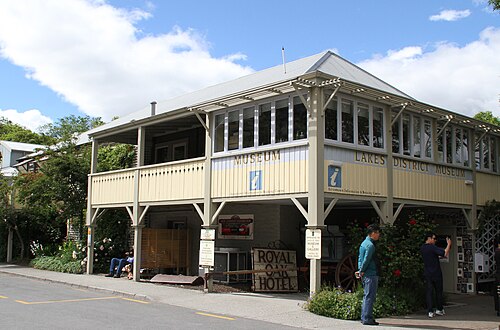
Lakes District Museum
Lakes District Museum is a Queenstown heritage attraction focused on the history of the town and the surrounding lakes district.
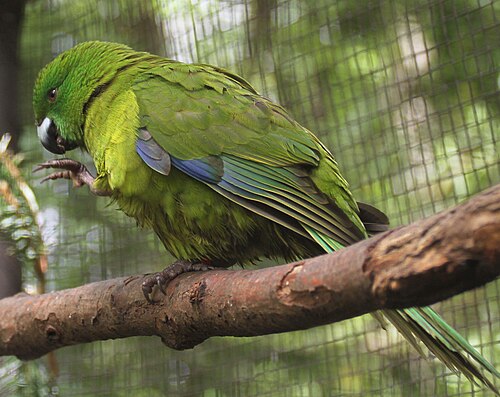
Kiwi Birdlife Park
Kiwi Park is a Queenstown wildlife attraction dedicated to New Zealand’s native fauna, with the kiwi as its central subject.
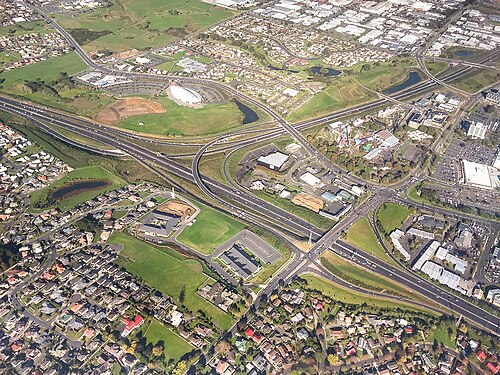
Vector Wero Whitewater Park is an artificial whitewater rafting and kayaking facility in Auckland, New Zealand. The park was developed as a purpose-built venue for water sports and adventure activities, offering controlled river conditions for recreational and training purposes.
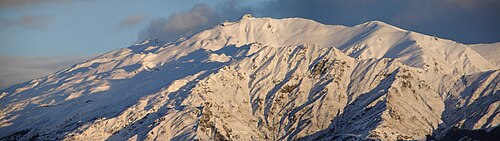
Coronet Peak Ski Area is a developed, lift-served ski field near Queenstown on New Zealand’s South Island. It occupies the slopes of Coronet Peak and offers skiing and snowboarding in an alpine setting.
Gantley's Tavern is a tavern in the Queenstown area, offering a setting for drinks, conversation and a relaxed break from sightseeing.
Source: OpenStreetMap contributors, Wikidata ·
Two weeks is a sensible minimum for a limited North-and-South-Island combination; ten days is better spent on one island. Auckland works as the largest gateway and Queenstown as a southern base, but scenic roads and ferry or flight transitions make ambitious mileage deceptive.
Immigration New Zealand determines whether a traveller needs a Visitor Visa, an NZeTA or another permission. Verify the passport, purpose and arrival declaration requirements on its official service before departure; airline check-in is not the place to discover a missing authority.
Domestic flights link major regions, the Cook Strait ferry joins the islands, and coaches, rental cars or selected scenic trains cover ground routes. Driving is on the left, and rural journey estimates should allow for one-lane bridges, weather and viewpoint stops.
December to February suits many summer itineraries, while ski travel targets winter and shoulder seasons can be quieter. Alpine weather changes quickly in every season, so plan around the principal hike, pass or ferry rather than relying on one forecast for both islands.
New Zealand uses the New Zealand dollar. Cards are routine in towns, but a backup method is prudent for remote fuel, small operators or service outages; confirm whether accommodation, ferry and activity prices include booking or card charges.
Dial 111 for police, fire or ambulance; the electrical standard is Type I at 230 V. Treated public tap supplies are recorded as safe, while huts and remote sources need their own posted guidance; carry current road and weather information on long drives.