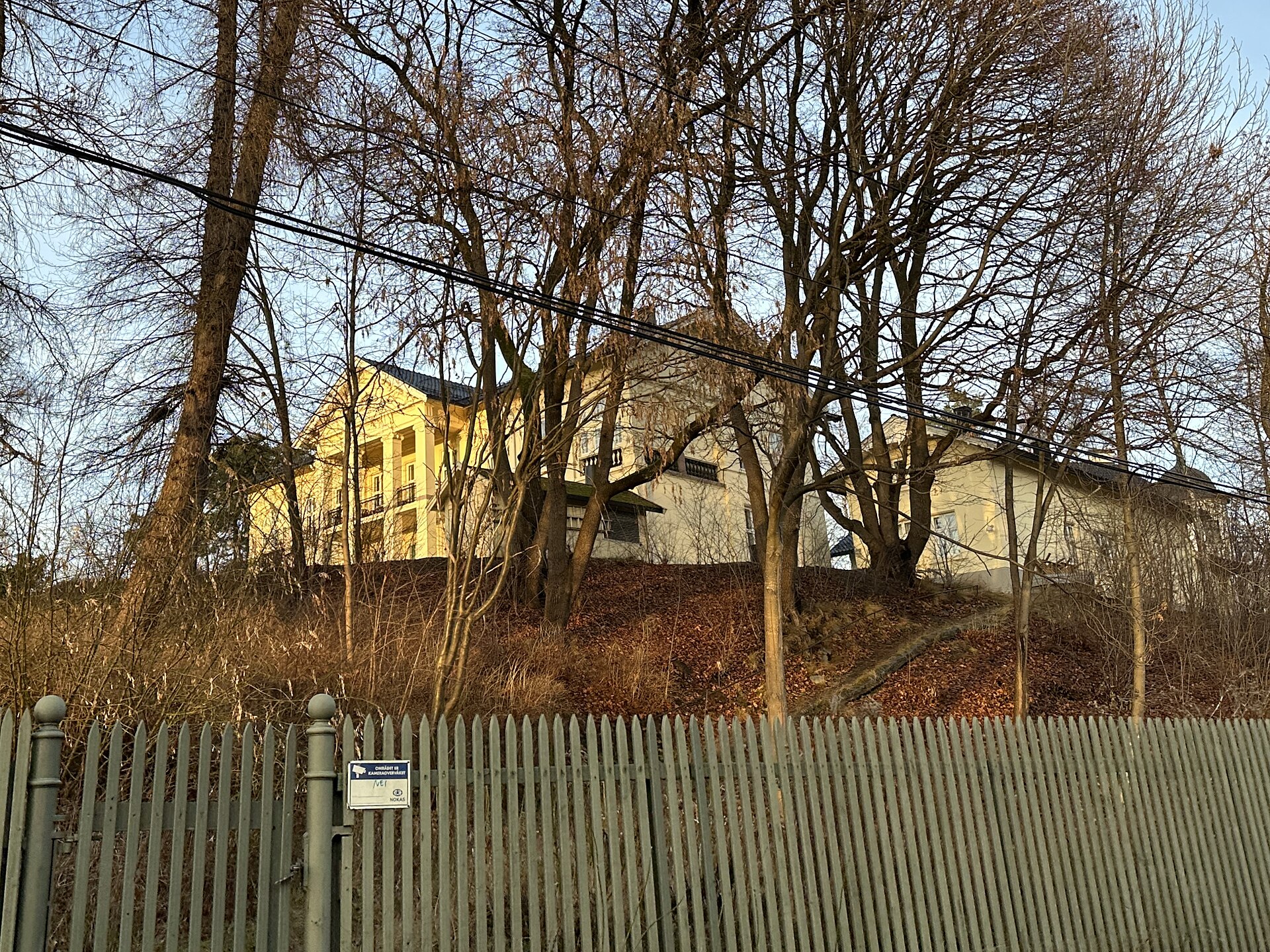
7 min walk
Madserud gård
- High
- Historic site
Nature site · Oslo
Frognerparken
Frogner Park (Frognerparken) is a public park in the Frogner borough of Oslo's West End and, at 45 hectares, the largest park in the city. It was historically part of Frogner Manor; the municipality bought the remaining estate in 1896, opened it gradually as a public park from 1904 and held the 1914 Jubilee Exhibition there. The park contains the Vigeland installation of sculptures by Gustav Vigeland and, with between 1 and 2 million visitors a year, is described as the most popular tourist attraction in Norway.
Checked 2026-11-05 · Source
The Vigeland installation is Gustav Vigeland's life work: more than 200 sculptures in granite, bronze and wrought iron, installed mainly between 1940 and 1949 after over 40 years of work. Its main works include the Bridge, the Fountain, the Monolith, the Wheel of Life and the wrought-iron gates. Elsewhere in the park are Frogner Manor, home of Oslo Museum, the Henriette Wegner Pavilion, Frogner Baths, Frogner stadium, a café and the restaurant Herregårdskroen, and the country's largest rose collection with 14,000 plants of 150 species.
Checked 2026-11-05 · Source
The park is always open and entry is free, so it can be visited at any time of day and in any season. To get there, take tram 12 or bus 20 to the Vigeland Park; journeys can be planned with Ruter. Paid parking is available by Monolittveien, in Middelthuns gate by Frogner Baths and at Halvdan Svartes gate 50. The Vigeland Museum offers guided tours in the park throughout the summer. The Vigeland Museum itself, south of the park, has separate opening hours and an admission charge.
Checked 2026-11-05 · Source
Yes. The park is always open and entry is free.
More than 200 sculptures in granite, bronze and wrought iron.
Take tram 12 or bus 20 to the Vigeland Park.
Loading the interactive map…
The interactive map could not be loaded.
Last updated:
Source: OpenStreetMap contributors, Wikidata ·