
4 min walk
Oman Natural History Museum
- Must see
- Museum
Language · 11 published
Place of worship · Muscat
جامع الزواوي
Reviewed by Elena Voss · Roavina Travel Editor
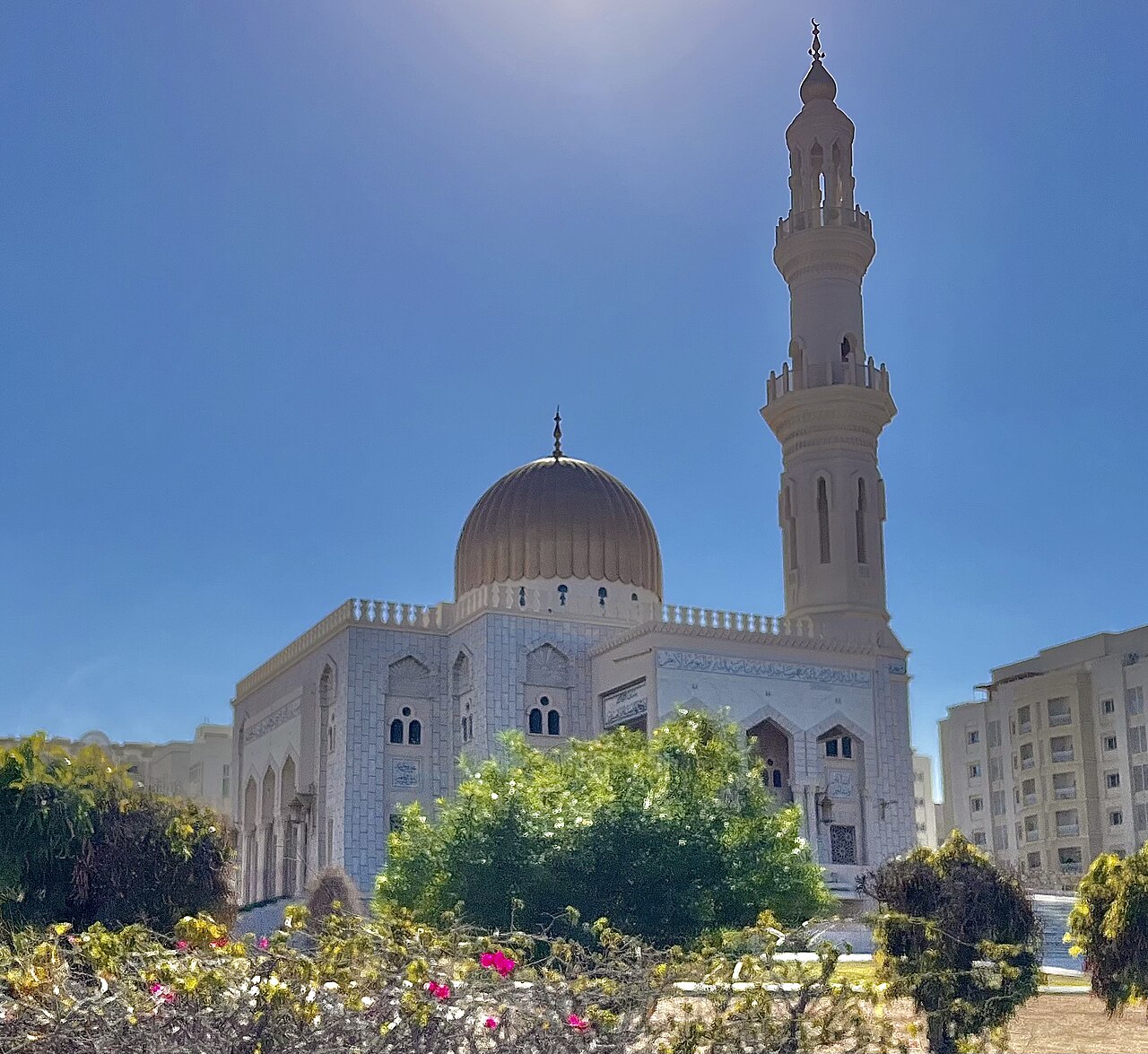
This place is a Place of worship. It was established in 1985.
Zawawi Mosque, also known as Masjid az-Zawāwī, is a prominent mosque in Muscat’s Al Khuwair district. Its dome and minaret give the building a distinctive silhouette within the urban landscape. The mosque serves the local Muslim community as a place of worship and should be approached as a religious site first. For travellers, the exterior provides an opportunity to appreciate an important piece of Muscat’s contemporary architectural environment. Zawawi Mosque, locally known as Masjid az-Zawāwī, is a prominent mosque located in the Al Khuwair district of Muscat, Oman. The mosque is distinguished by its notable dome and minaret, which contribute to its recognition as a significant religious structure in the area. It serves as a place of worship for the local Muslim community and stands as an architectural landmark within the urban landscape of Oman's capital city. The mosque's identity is recorded in OpenStreetMap data under the identifier way/224449131. Many Omani mosques restrict interior access for non-Muslims, though policies vary. Visitors should inquire locally and respect any restrictions.
Checked 2026-08-26 · Source
Zawawi Mosque is notable for the complete text of the Qur’an inscribed on metal plates, an unusual devotional and artistic feature. The dome and minaret define the mosque from outside, while the inscription gives the building additional cultural significance. Other interior furnishings and visitor spaces are not part of the established description. Travellers should focus on the building’s architectural presence and treat any interior visit as subject to religious-site etiquette. The interior of Zawawi Mosque features a remarkable artistic element: the complete text of the Qur'an inscribed on metal plates. This extensive inscription represents a substantial devotional and artistic undertaking, covering the entirety of Islam's holy book in a durable metallic medium. The dome and minaret, visible from the exterior, define the mosque's silhouette and contribute to its prominence in Al Khuwair. Visitors should exercise appropriate respect when considering any interior access.
Checked 2026-08-26 · Source
A brief exterior visit usually needs around fifteen to thirty minutes. This is enough to view the dome and minaret, understand the mosque’s place in Al Khuwair and take respectful photographs from public areas. A longer stop would make sense only when access and circumstances permit closer appreciation of the Qur’anic metal-plate inscription. Keep the visit flexible around worship and the quiet rhythm of the surrounding community. The duration of a visit to Zawawi Mosque depends significantly on the nature of access permitted and individual visitor interest.
Checked 2026-08-26 · Source
Daylight is useful for seeing Zawawi Mosque’s dome and minaret clearly from outside. Muscat’s mild winter weather is more comfortable for outdoor sightseeing than its very hot summer conditions. Prayer periods bring active congregational use, so visitors should keep distance, lower their voice and avoid interrupting worship. The mosque remains a religious place rather than a scheduled tourist attraction, making respectful timing more important than a tightly planned sightseeing slot.
Checked 2026-08-26 · Source
Zawawi Mosque is a place of worship, not a documented commercial attraction with a standard sightseeing ticket. Travellers should not plan the visit around payment. The more important consideration is whether any interior access is appropriate at the time of arrival. Exterior appreciation from public space keeps the stop simple, while respectful conduct matters more than admission arrangements.
Checked 2026-08-26 · Source
Zawawi Mosque is in Al Khuwair, within Muscat’s developed urban area. Private vehicles, taxis and ride-hailing services are practical ways to reach the district. The dome and minaret can help identify the building as you approach, while the mapped location supports the final navigation. Muscat is spread across multiple districts, so combine this stop with nearby plans rather than treating the city as a compact walk between every attraction.
Checked 2026-08-26 · Source
Dress modestly around Zawawi Mosque, covering shoulders and knees; choose more conservative clothing if entering any interior area is permitted. Remove shoes before entering a mosque. Keep clear of worshippers, avoid photography of people without consent and do not interrupt prayer. The building’s primary purpose is religious. During Muscat’s hot months, carry water and protect yourself from the sun while viewing the exterior.
Checked 2026-08-26 · Source
The mosque’s dome and minaret create the main photographic subjects, especially when framed against Al Khuwair’s urban surroundings. Use public viewpoints and keep a discreet distance from worshippers. Interior photography follows the rules of the religious space and should only take place with clear permission. Daylight reveals the building’s silhouette, while a restrained approach respects both the sacred setting and the people who use the mosque.
Checked 2026-08-26 · Source
Its prominent dome and minaret define the exterior, while the complete Qur’anic text inscribed on metal plates is an unusual devotional feature.
Zawawi Mosque is located in Al Khuwair, one of Muscat’s developed urban districts.
Allow about fifteen to thirty minutes for exterior viewing, architectural appreciation and respectful photography from public areas.
Wear modest clothing that covers the shoulders and knees, with more conservative attire suitable for any permitted interior access.
Private vehicles, taxis and ride-hailing services are practical transport options for reaching Al Khuwair in Muscat.
Photograph the dome and minaret from respectful public viewpoints, avoid intrusive images of worshippers and follow the rules of the religious space.
Loading the interactive map…
The interactive map could not be loaded.

Last updated:
Source: OpenStreetMap contributors, Wikidata ·