
6 min walk
Hyde
- Notable
- Nightlife venue
Language · 11 published
Historic monument · Manila
Reviewed by Elena Voss · Roavina Travel Editor
| Monday | 06:00 – 18:30 |
|---|---|
| Tuesday | 06:00 – 18:30 |
| Wednesday | 06:00 – 18:30 |
| Thursday | 06:00 – 18:30 |
| Friday | 06:00 – 18:30 |
| Saturday | 06:00 – 18:30 |
| Sunday | 06:00 – 18:30 |
Checked 2026-08-31 · Source
Read from the OpenStreetMap access tags; anything not listed has no tag recorded.
Set the group type to family in the planner and the day window contracts to about three quarters of a solo day.
It was established in 1820. It carries the National Cultural Treasure heritage designation.
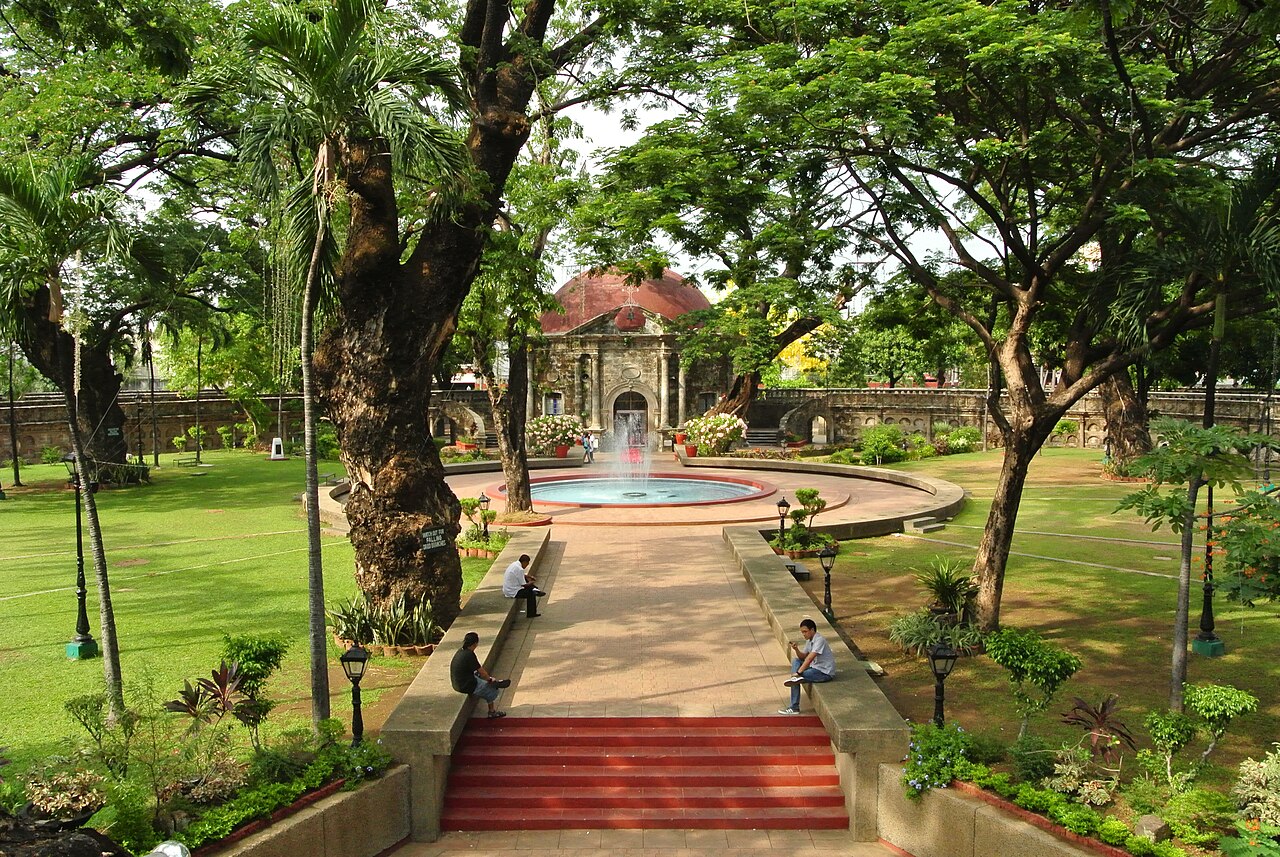
Paco Park is a historic garden and cemetery in Paco, Manila. Built during the Spanish colonial period, it developed as a municipal cemetery and became associated with prominent Filipino families. Today, its circular enclosure, greenery and memorial atmosphere create a quiet heritage setting within the dense urban environment of Metro Manila. Visit for the combination of colonial cemetery architecture, landscaped open space and historical reflection. The park offers a slower experience than Manila’s busy roads outside its walls. It suits travellers who want a contemplative cultural stop and those interested in how memorial places become part of a city’s public heritage.
Checked 2026-08-26 · Source
The park is organised around a circular stone wall with historic niches and tombs set along the inner perimeter. A central garden provides open green space, while the chapel of St. Pancratius stands within the grounds and contributes to the site’s religious character. Mature trees and planted areas soften the masonry and create a calm contrast with the surrounding city. Historic grave markers and memorial elements add detail to a walk around the enclosure. The experience is more about reading the overall arrangement and atmosphere than following a long sequence of separate galleries or rooms.
Checked 2026-08-26 · Source
Allow around thirty minutes to one hour for a relaxed walk through Paco Park. The compact circular layout makes it possible to see the main enclosure, garden and chapel without a demanding route. Stay longer if you want to examine memorial details, take photographs or sit quietly among the trees. The park also works as a brief stop between other Manila sights. Visitors interested in colonial history may need additional time to absorb the cemetery’s atmosphere, while travellers making a quick heritage circuit can cover the principal spaces efficiently.
Checked 2026-08-26 · Source
Daytime is the most useful period for exploring Paco Park because natural light makes the wall, niches, tombs and garden easier to see. Manila’s tropical climate can bring heat and heavy rain, particularly during the wetter months, so light clothing, sun protection and water are sensible for an outdoor visit. The drier period from December to May generally offers more predictable conditions for walking. Morning or later afternoon can feel more comfortable than the hottest part of the day, while the garden’s atmosphere rewards an unhurried pace.
Checked 2026-08-26 · Source
Plan Paco Park as a heritage garden and cemetery visit rather than a commercial attraction built around multiple paid experiences. The circular enclosure, memorial features, chapel and landscaped grounds form the main reason to come. Do not structure the day around a particular fee category, special permit or concession. If you are budgeting a Manila walking route, allow for transport and nearby activities separately from the park experience. Respect the site’s memorial character throughout the visit, and treat any religious or commemorative activity as part of a living place rather than ordinary entertainment.
Checked 2026-08-26 · Source
Paco Park is in the Paco district of Manila and is connected to the city’s public transport network. Jeepneys and buses serve the area, while taxis and ride-hailing services provide direct road access. LRT-1 stations at United Nations Avenue and Pedro Gil are among the rail connections used for reaching this part of central Manila, followed by walking or a short local connection. Metro Manila traffic can make road journeys slow and unpredictable, so leave a generous buffer when meeting a timed plan. A navigation app is useful for the final approach through the busy district.
Checked 2026-08-26 · Source
Paco Park combines old stonework, memorial structures and garden paths, so watch your footing around uneven surfaces and aged architectural elements. Manila’s heat can build quickly in open areas; carry water and protect yourself from the sun. The park sits beside busy urban streets, making the transition between the quiet interior and surrounding traffic abrupt. Keep personal belongings secure in the wider district and behave respectfully around graves and memorials. Families should supervise children near historic masonry. The cemetery setting gives the visit a reflective tone that may not suit every traveller or young child.
Checked 2026-08-26 · Source
Paco Park’s circular wall, tomb niches, chapel and central garden provide distinctive subjects for photographs. Soft morning or late-afternoon light can bring out the texture of the masonry and create gentler conditions for garden views. Photograph with care around grave markers and memorial elements, and avoid turning people engaged in worship or remembrance into uninvited subjects. Keep equipment compact on narrow paths and leave space for other visitors. The strongest images usually combine architectural detail with the ring-shaped layout and greenery, showing the park as a complete historical environment rather than a collection of isolated stones.
Checked 2026-08-26 · Source
It is a historic garden and cemetery in Paco, Manila, known for its circular wall, tomb niches, chapel, greenery and Spanish colonial heritage.
You can see the circular stone enclosure, historic tomb niches, memorial elements, the chapel of St. Pancratius and a central landscaped garden.
Allow about thirty minutes to one hour for the circular walk, with extra time for photographs, historical details or quiet contemplation.
Yes. Its compact circular layout makes it suitable for a brief heritage visit while still offering architecture, garden space and a distinctive memorial atmosphere.
Jeepneys and buses serve Paco, while taxis and ride-hailing services offer direct access. United Nations Avenue and Pedro Gil are nearby LRT-1 connections.
For the outdoor grounds, bring water, sun protection and comfortable shoes suitable for historic paths and uneven stone surfaces.
Loading the interactive map…
The interactive map could not be loaded.
Last updated:
Source: OpenStreetMap contributors, Wikidata ·