
3 min walk
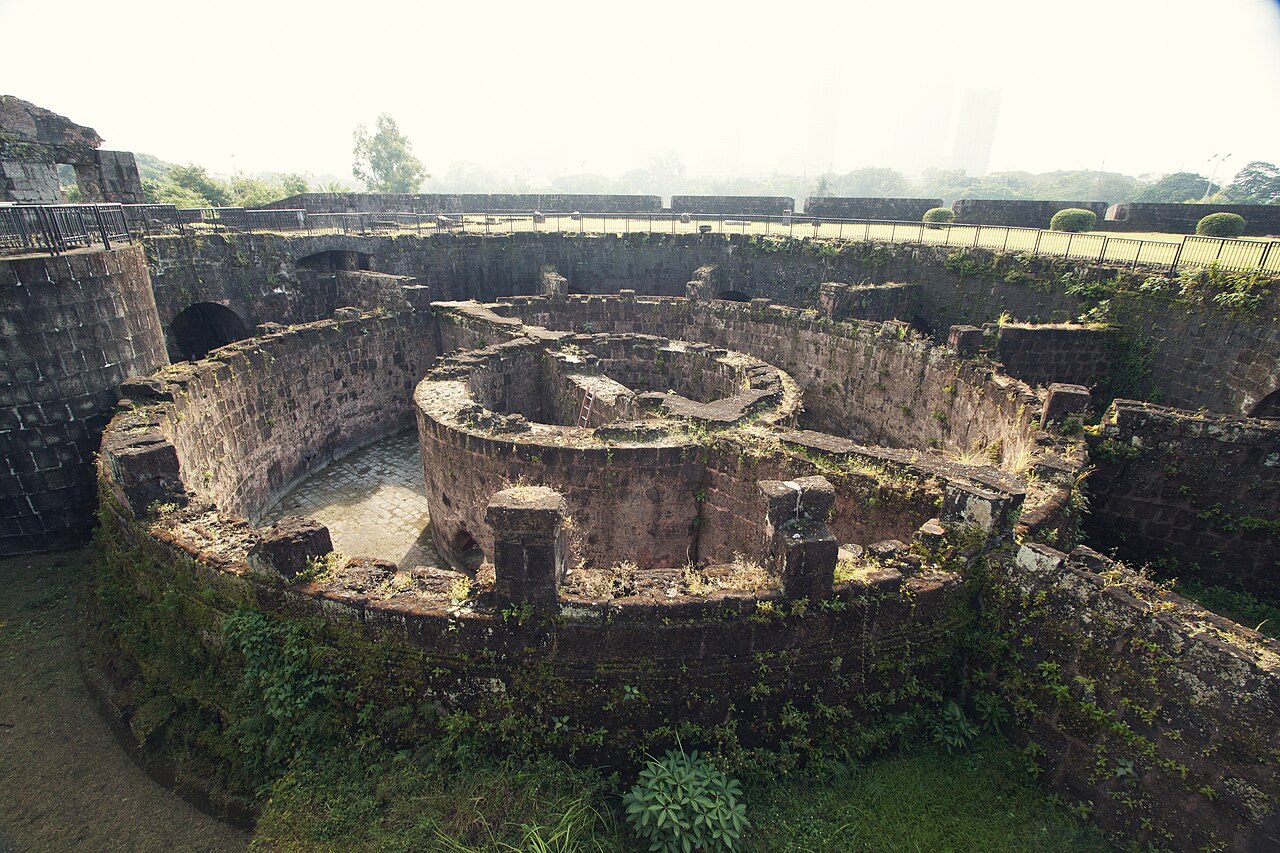
Baluarte de San Diego
- Must see · Heritage site
- Historic monument
Language · 11 published
Nature site · Manila
Reviewed by Elena Voss · Roavina Travel Editor
Read from the OpenStreetMap access tags; anything not listed has no tag recorded.
Set the group type to family in the planner and the day window contracts to about three quarters of a solo day.
This place is a Garden.
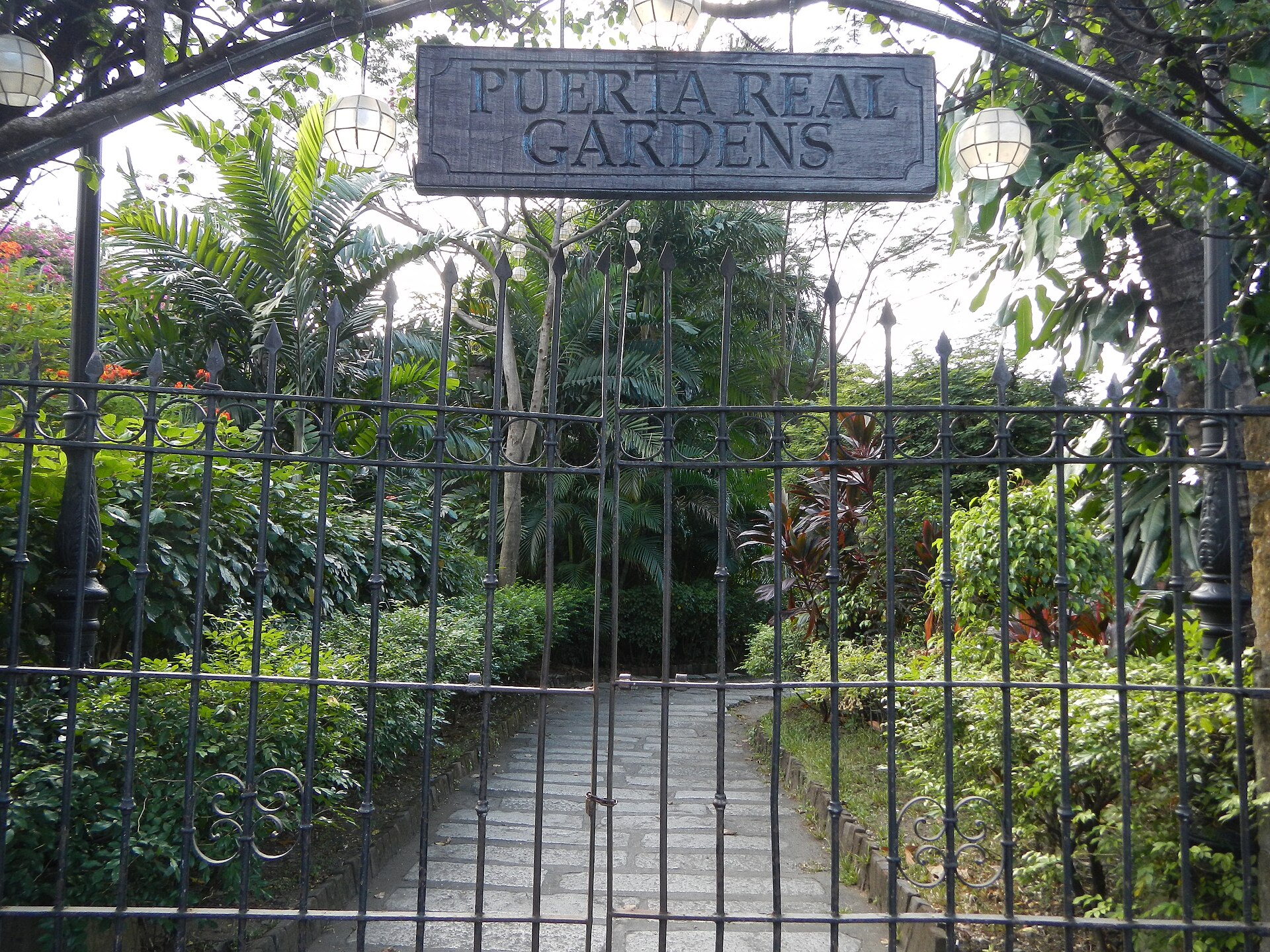
Puerta Real Gardens is a landscaped heritage space inside Manila’s Intramuros district. The garden is associated with the historic Puerta Real gate, once the royal entrance to the walled city. It offers a green interlude among colonial walls, streets, and masonry, making it useful for travelers who want a slower outdoor stop between the district’s larger monuments. Puerta Real Gardens is a historic garden space located within the Intramuros walled district of Manila, Philippines. It forms part of the broader heritage landscape of the Spanish colonial-era fortress city. The gardens occupy grounds near the original Puerta Real gate, which historically served as the royal entrance to Intramuros. As a component of Metro Manila's tourism infrastructure, the site contributes to the cultural and historical narrative of the capital region. The gardens represent preserved green space amid the dense urban environment of modern Manila. It may be freely accessible public space or covered by broader Intramuros arrangements.
Checked 2026-08-26 · Source
The experience is outdoors, with landscaped grounds, tropical vegetation, paths, open areas, and connections to the historic fabric of Intramuros. Visitors come for the combination of greenery and heritage rather than galleries or enclosed exhibitions. The surrounding fortification walls and nearby structures give the garden its character, while benches and open space provide a natural pause during a longer walking circuit. The gardens contain landscaped grounds with tropical vegetation typical of the Philippine climate. Pathways traverse the garden area, allowing visitor circulation. The space connects to surrounding historical structures within Intramuros, including portions of the preserved fortification walls. Benches and open areas provide resting spots for visitors exploring the district. The gardens maintain historical character through mature plantings and layout design. No specific interior buildings, museums, or exhibition halls are recorded as primary features. The experience centers on outdoor heritage ambiance rather than enclosed attractions or programmed entertainment facilities.
Checked 2026-08-26 · Source
A short walk through Puerta Real Gardens can take fifteen to thirty minutes. Stay longer if you want to rest, photograph the planting and stonework, or absorb the contrast between green space and dense urban Manila. The garden works best as part of a half-day or full-day Intramuros route that also includes Fort Santiago, San Agustin Church, and other walled-city landmarks. Visitors typically allocate time for Puerta Real Gardens as part of a broader Intramuros itinerary rather than as a standalone destination. A brief walkthrough may require fifteen to thirty minutes. Those seeking rest or photographic documentation might extend their stay. The gardens suit variable pacing depending on individual interest in colonial history and landscape heritage.
Checked 2026-08-26 · Source
Morning and late afternoon are the most pleasant periods for an outdoor garden stop because the light is softer and midday heat is less intense. Manila’s drier months, broadly December through May, usually favor outdoor walking, while rain can make paths and historic stonework slippery. The garden also fits naturally into an itinerary arranged around the cooler parts of the day.
Checked 2026-08-26 · Source
Puerta Real Gardens is one element of Intramuros, where access arrangements can differ between public spaces and individual heritage attractions. Its value does not depend on an indoor program: travelers can use it as a landscaped stop while moving through the historic district. Carry Philippine pesos for ordinary expenses during a day spent visiting Intramuros landmarks.
Checked 2026-08-26 · Source
Intramuros stands on the south bank of the Pasig River and is served by surrounding jeepney and bus routes, taxis, and ride-hailing services. LRT-1 stations at Central Terminal and United Nations Avenue provide access to the broader area, followed by a walk. Once inside Intramuros, the compact streets make Puerta Real Gardens suitable for a pedestrian itinerary rather than a separate vehicle excursion.
Checked 2026-08-26 · Source
The garden is exposed to Manila’s tropical conditions, so water, a hat, and sun protection are practical. Rain can leave paths and old stone surfaces uneven or slippery. Some areas may offer limited shade, making midday visits tiring. Intramuros also has active vehicle movement, despite its strong pedestrian appeal. Keep belongings secure and allow care around walls, edges, and changing surfaces.
Checked 2026-08-26 · Source
Puerta Real Gardens combines tropical planting, historic masonry, pathways, and the visual lines of Intramuros’s defensive landscape. Morning and late-afternoon light can bring out texture in the stone and create a calmer atmosphere. A wide-angle lens helps include greenery and surrounding architecture, while a light camera setup is easier to carry between nearby sites. Keep photography considerate around other visitors.
Checked 2026-08-26 · Source
It is a landscaped heritage space in Intramuros, associated with the historic Puerta Real gate and surrounded by the walled district’s colonial setting.
A walkthrough can take fifteen to thirty minutes, with additional time useful for resting, photography, and enjoying the garden’s historic surroundings.
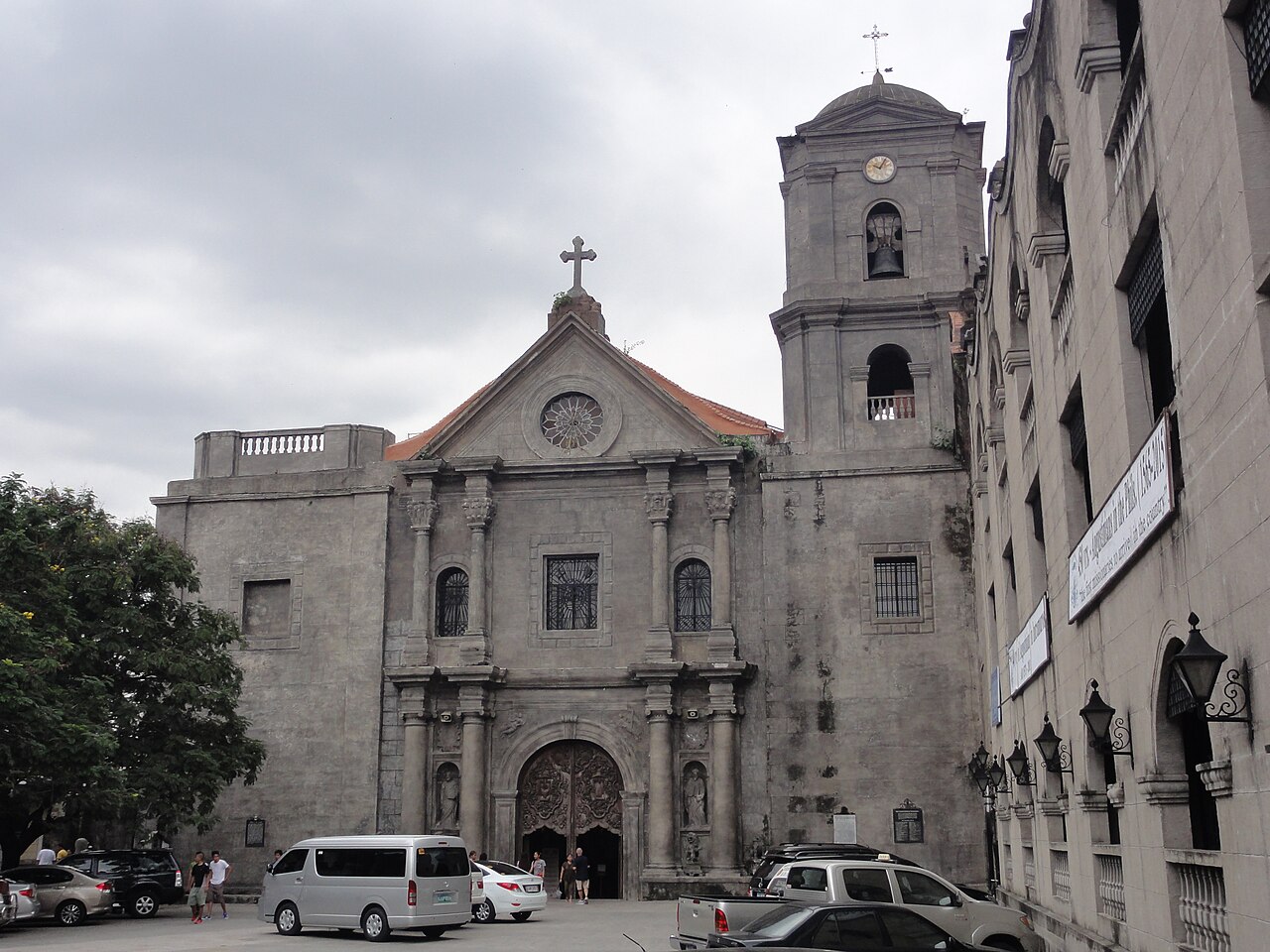
Yes. The garden fits naturally into a walking route that includes Fort Santiago, San Agustin Church, the defensive walls, and other heritage landmarks.
Use a jeepney, bus, taxi, or ride-hailing service to reach Intramuros, or approach from the nearby LRT-1 area and continue on foot.
The gardens are an outdoor landscaped space with tropical vegetation, paths, open areas, resting spots, and historic stonework rather than museum galleries.
Morning and late afternoon provide gentler light and more comfortable temperatures for photographing the planting, masonry, and surrounding Intramuros architecture.
Loading the interactive map…
The interactive map could not be loaded.
Last updated:
Source: OpenStreetMap contributors ·