
2 min walk
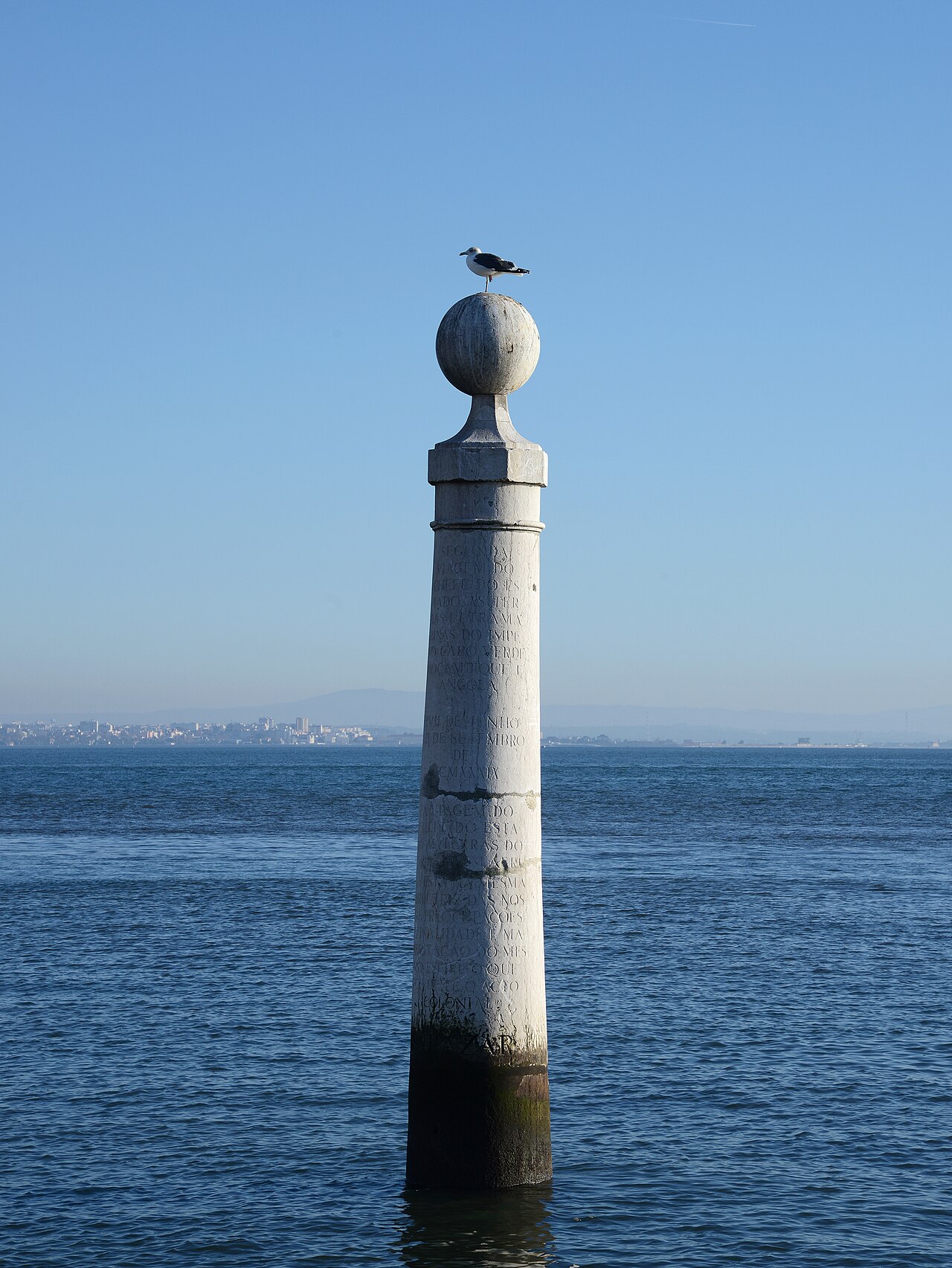
Cais das Colunas
- Notable · Heritage site
- Historic monument
Language · 11 published
Historic monument · Lisbon
Reviewed by Elena Voss · Roavina Travel Editor
| Monday | 00:00 – 23:59 |
|---|---|
| Tuesday | 00:00 – 23:59 |
| Wednesday | 00:00 – 23:59 |
| Thursday | 00:00 – 23:59 |
| Friday | 00:00 – 23:59 |
| Saturday | 00:00 – 23:59 |
| Sunday | 00:00 – 23:59 |
Checked 2026-08-31 · Source
Read from the OpenStreetMap access tags; anything not listed has no tag recorded.
Set the group type to family in the planner and the day window contracts to about three quarters of a solo day.
Praça do Comércio is Lisbon's monumental riverfront square at the southern edge of Baixa, beside the Tagus. Lisbon's official tourism service notes that residents also call it Terreiro do Paço because Portugal's royal palace stood here for roughly two centuries before the earthquake of 1755. The approximately 36,000-square-metre space is bounded by 79 arches and now houses several government departments. The square therefore works as both a civic landmark and the starting point for a waterfront or central-city route. Daily, 24 hours.
Checked 2026-08-31 · Source
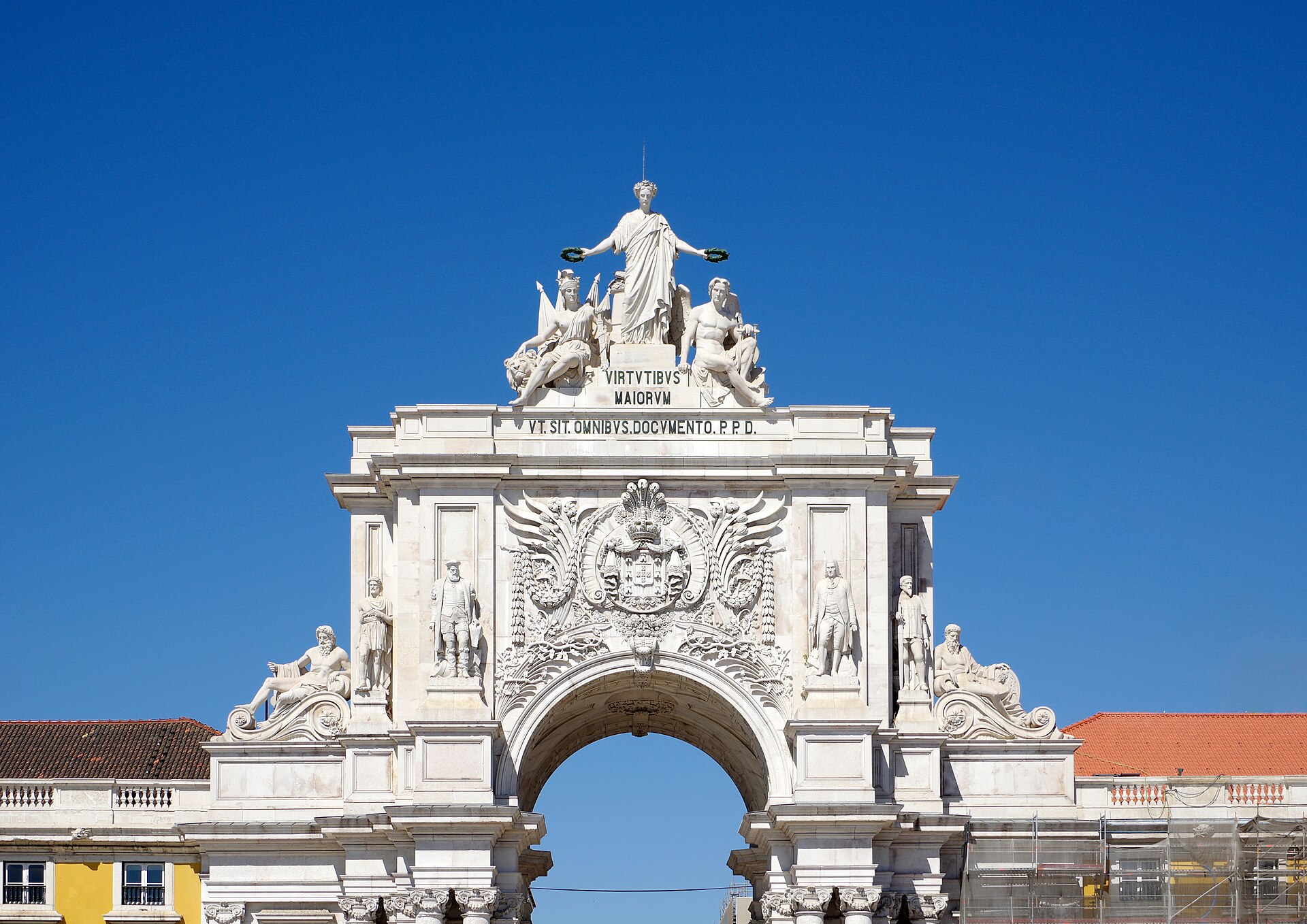
Praça do Comércio is an open ensemble rather than one interior attraction. At its centre stands the equestrian statue of King José I and the horse Gentil, sculpted by Machado de Castro. The surrounding arcades frame the broad paved square, while Cais das Colunas marks its river edge and the Rua Augusta Arch closes the northern axis toward Baixa. Lisbon's official tourism listing also identifies Pátio da Galé and the Lisbon Story Centre around the square. Praça do Comércio is an unenclosed public square with no routine closure day. Lisbon City Council may temporarily control access for major events or security operations.
Checked 2026-08-31 · Source
A direct crossing with time for the statue, arcades and river edge is different from a visit that enters the Lisbon Story Centre, climbs the Rua Augusta Arch or continues along the waterfront. Those attractions have independent access conditions and can extend the stop substantially. Decide whether the square is an orientation point, a photography stop or the start of a Baixa route, and budget extra time separately for every entered building rather than assigning the whole ensemble one ticketed-attraction duration.
Checked 2026-08-31 · Source
The page also does not publish a recurring closure calendar, quietest period or seasonal timetable for the open space. Conditions can differ when civic events occupy the square, but current event restrictions must be checked through official notices rather than inferred. Daily, 24 hours. Use Terreiro do Paço station on the Metro Blue Line; the station entrance is at Cais da Alfândega and has lifts and a boarding ramp. The nearby Terreiro do Paço ferry terminal serves the Barreiro crossing. Visit Lisboa also identifies tram 28E and buses 728, 732, 736 and 782 for the square.
Checked 2026-08-31 · Source
Do not convert that absence into an unsourced promise of free, unrestricted or round-the-clock access. The page names the Lisbon Story Centre, Pátio da Galé, Cais das Colunas and Rua Augusta Arch as distinct elements in or beside the square, and entered attractions may apply their own prices, booking systems and opening hours. Free entry to the public square. The Arco da Rua Augusta, Lisbon Story Centre and other surrounding attractions are separate venues with their own admission arrangements. Turismo de Portugal’s accessible Lisbon itinerary describes the square as having regular paving suitable for visitors with reduced mobility.
Checked 2026-08-31 · Source
Praça do Comércio is at 1100-148 Lisboa, in Baixa beside the Tagus. Visit Lisboa lists tram 28E and buses 728, 732, 736 and 782 for the area, with connections from the Blue and Green metro lines. Use Terreiro do Paço station on the Metro Blue Line; the station entrance is at Cais da Alfândega and has lifts and a boarding ramp. The nearby Terreiro do Paço ferry terminal serves the Barreiro crossing. Visit Lisboa also identifies tram 28E and buses 728, 732, 736 and 782 for the square.
Checked 2026-08-31 · Source
Praça do Comércio is a large active city square, not a controlled museum forecourt. Lisbon's municipal public-space study records roadways of three or more lanes around parts of the central platform and identifies the broad crossing toward Rua Augusta as the main exception that supports heavier pedestrian flow. Use marked crossings rather than reading the monumental paving as one uninterrupted pedestrian surface. Turismo de Portugal’s accessible Lisbon itinerary describes the square as having regular paving suitable for visitors with reduced mobility. The terrace at the separate Arco da Rua Augusta attraction is not step-free; reaching it requires a narrow staircase.
Checked 2026-08-31 · Source
The principal Praça do Comércio composition runs from the Rua Augusta Arch across the statue of King José I toward the Tagus, while the reverse view places the yellow arcades and arch behind the open square. Cais das Colunas provides a lower river-edge perspective. Visit Lisboa specifically points to the square's street symmetry, calçada portuguesa and river view, and identifies the royal statue as a central subject. The former Ribeira royal palace stood here before the 1755 earthquake, so Lisbon residents still use the older name Terreiro do Paço, meaning Palace Square.
Checked 2026-08-31 · Source
The former Ribeira royal palace stood here before the 1755 earthquake, so Lisbon residents still use the older name Terreiro do Paço, meaning Palace Square.
The square covers approximately 36,000 square metres and is bordered by 79 arches.
The statue represents King José I riding a horse named Gentil. Machado de Castro created it, and it was erected in 1775.
The square opens south toward the Tagus estuary, beside the ceremonial river landing known as Cais das Colunas.
The official visitor listing identifies Cais das Colunas, Pátio da Galé, Lisbon Story Centre and the Arco da Rua Augusta around the square.
No. Turismo de Portugal states that reaching the terrace requires a narrow staircase, making it inaccessible to visitors with reduced mobility.
Loading the interactive map…
The interactive map could not be loaded.
Last updated:
Source: OpenStreetMap contributors ·