.jpg)
.jpg)
.jpg)
3 min walk
Katara Cultural Village
- Must see
- Historic monument
Language · 11 published
Place of worship · Doha
Editorial responsibility: Elena Voss · Roavina Travel Editor
This place is a Place of worship.
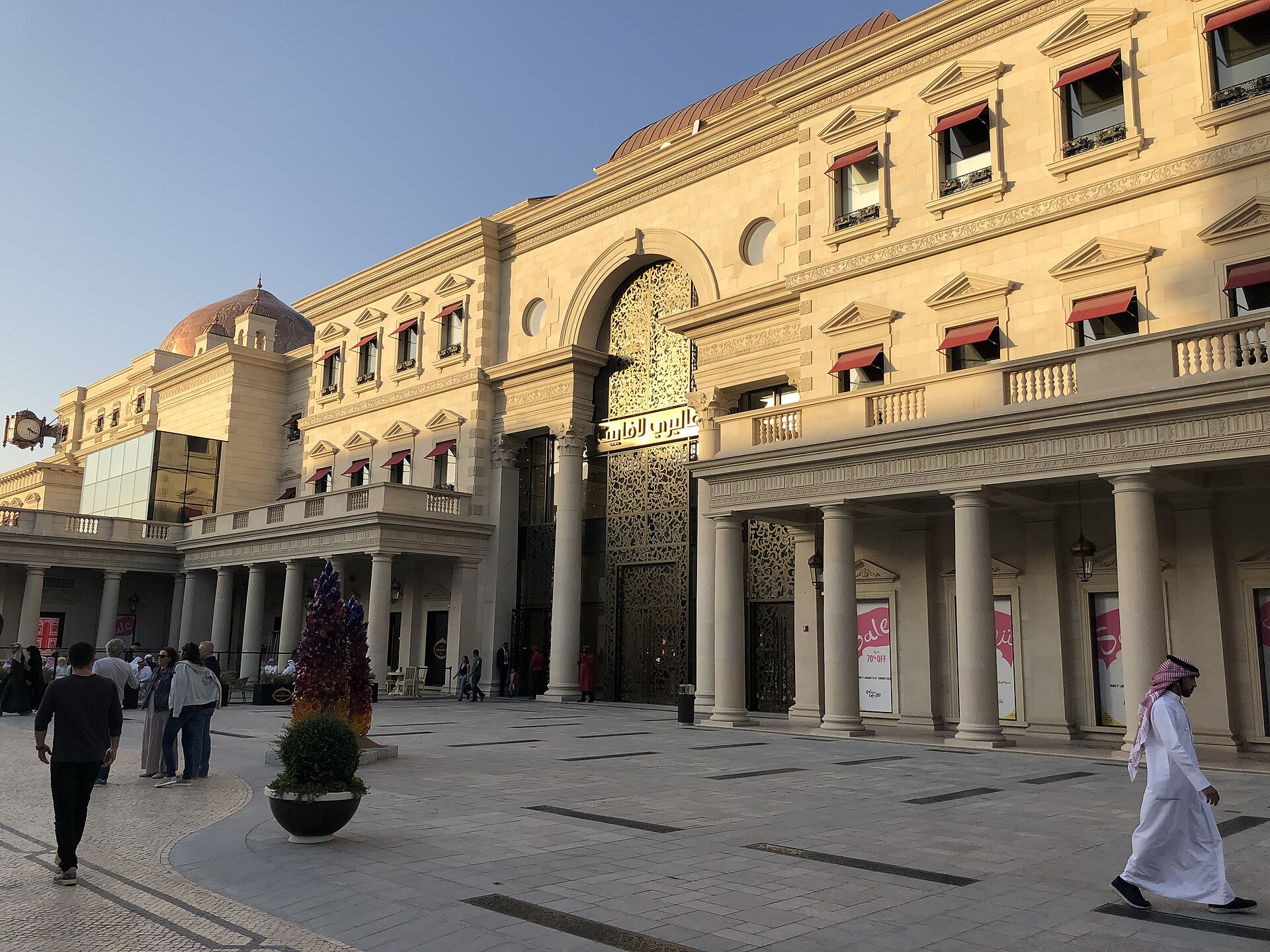
Katara Mosque is a contemporary Islamic place of worship within Katara Cultural Village in Doha. Its Arabic name is مسجد كتارا. The building is especially recognised for its blue-and-gold exterior tilework, which gives it a distinct visual character among Doha’s religious buildings. Treat it as both an active mosque and an architectural stop within a larger arts, heritage and waterfront district. Katara Mosque is a contemporary Islamic place of worship located within Katara Cultural Village in Doha, Qatar. Known locally as مسجد كتارا, it stands as one of the most visually striking religious structures in the capital. The mosque was produced as part of the broader Katara Cultural Village development, which positions itself as a hub for arts and heritage in Qatar. Its architectural identity distinguishes it from other mosques in Doha through distinctive exterior treatment rather than conventional regional styles. Non-Muslim visitors may observe the exterior; interior access during active prayer times is typically restricted to worshippers. Respectful behaviour and appropriate dress are expected.
Checked 2026-08-26 · Source
The mosque’s principal visitor interest is its exterior design, while the interior remains a functioning prayer space. Prayer halls are oriented toward Mecca, and ablution facilities serve worshippers. Non-worshippers should keep to areas where visitors are welcome and avoid treating the prayer hall as a sightseeing room. The surrounding Katara Cultural Village adds galleries, performance spaces and public paths to the same outing. Visitors should anticipate standard features of a functioning mosque, including prayer halls oriented toward Mecca and ablution facilities. The exterior blue-and-gold tilework represents the most celebrated visual element, suggesting possible continuation of decorative themes inside. As an active religious site, access to interior spaces may be restricted during prayer times or limited to worshippers. Respectful observation from designated areas may be the primary experience for non-Muslim visitors.
Checked 2026-08-26 · Source
Allow about fifteen to thirty minutes for an exterior-focused stop at Katara Mosque. That is enough time to walk around the building, study the tile patterns and take respectful photographs. Worshippers attending prayer will need longer according to their observance. Because the mosque stands inside Katara Cultural Village, combine it with nearby cultural venues, public spaces and waterfront walking rather than making it a distant single-purpose trip. A visit to Katara Mosque typically requires brief observation time of approximately fifteen to thirty minutes for exterior appreciation. The mosque functions within the larger Katara Cultural Village complex, where visitors often spend several hours exploring multiple attractions.
Checked 2026-08-26 · Source
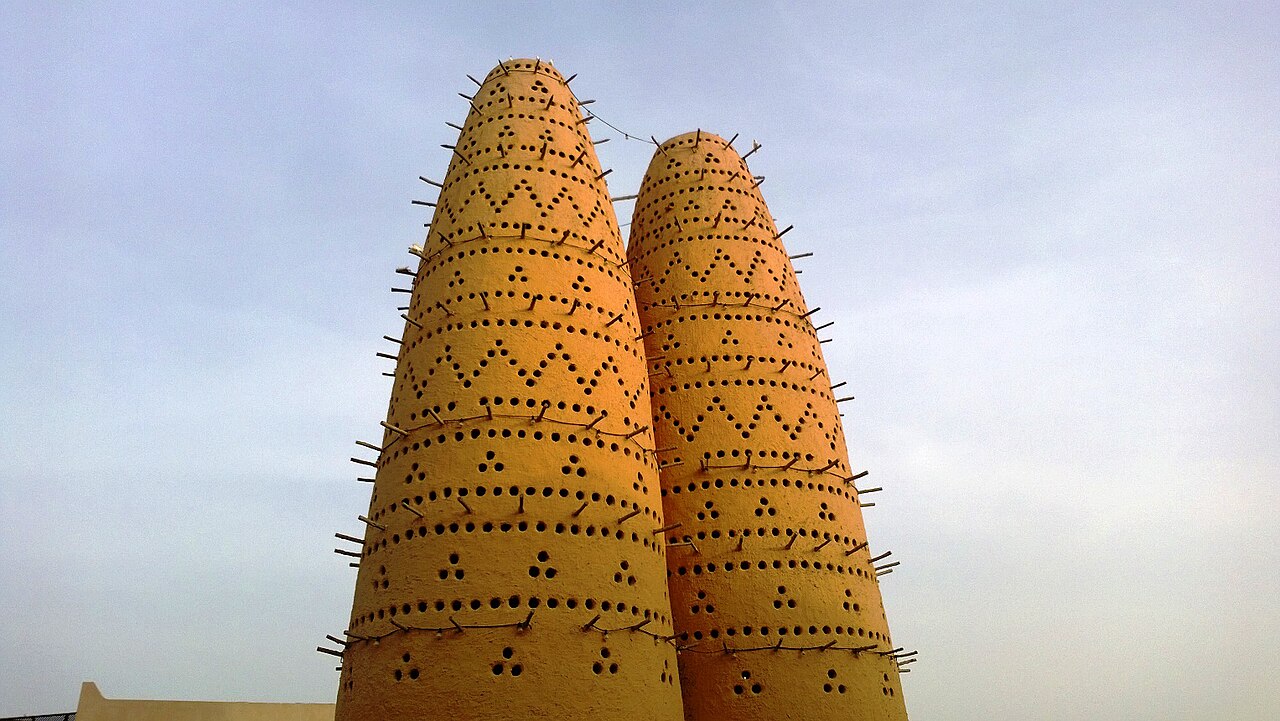
Prayer activity shapes the atmosphere and may limit casual access to parts of the mosque, especially around Friday midday prayers. Cooler months from November through March are more comfortable for walking outdoors in Katara. Evening can be rewarding when the exterior is illuminated, while early morning and late afternoon provide softer light for the blue-and-gold tilework. Plan the mosque as part of a broader visit to the village.
Checked 2026-08-26 · Source
Katara Mosque is a religious facility rather than a commercial attraction, so the mosque itself is approached as a worship place rather than a ticketed exhibition. The wider Katara Cultural Village is a public cultural destination, while individual events or exhibitions may use separate arrangements. Keep the mosque visit focused on its architecture and religious setting, and treat any special programming elsewhere in Katara as a separate activity.
Checked 2026-08-26 · Source
Katara Cultural Village lies on Doha’s waterfront northeast of the city centre. Taxis and ride-hailing services can take visitors directly to the cultural village, while private cars can use the area’s parking facilities. The Doha Metro Red Line serves the district through nearby stations, followed by a connection on foot, by taxi or by local transport. Once inside Katara, walking between the mosque and other venues is practical.
Checked 2026-08-26 · Source
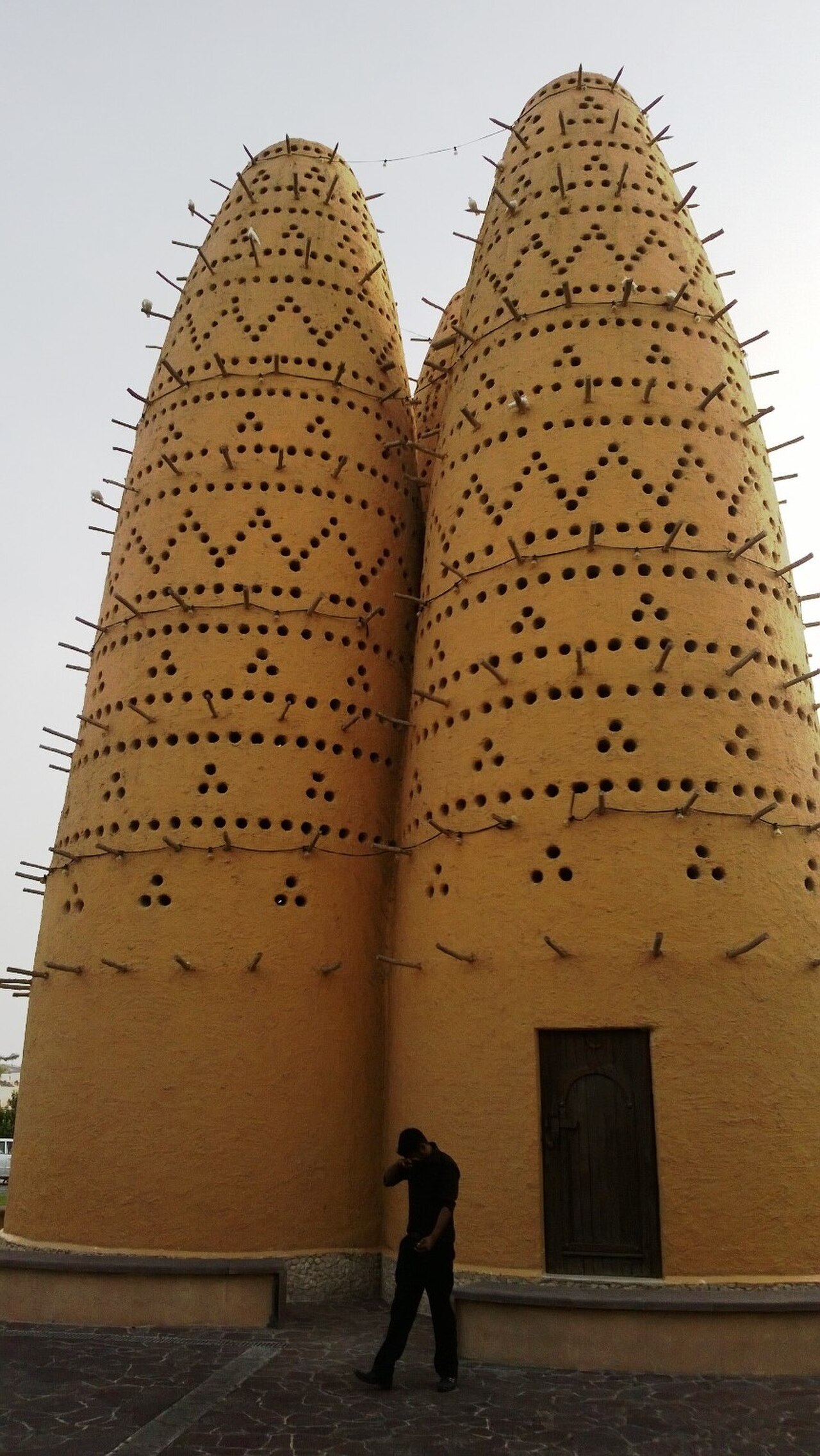
Dress modestly, covering shoulders and knees, and follow local guidance if entering prayer areas. Remove footwear before entering spaces where this is requested. Do not photograph worshippers during prayer, and keep voices low near active religious areas. Friday prayers and religious holidays can make the mosque busier. In Qatar’s heat, carry water, use sun protection and pace outdoor walking through Katara’s open spaces.
Checked 2026-08-26 · Source
The blue-and-gold tilework is the mosque’s strongest photographic subject. Work from a respectful distance and frame the building against Katara’s paths, open spaces or skyline. Early morning and late afternoon give the patterned surfaces gentler contrast, while evening may show the building under illumination. Keep equipment unobtrusive, avoid tripods where they obstruct movement and never use worshippers as unrequested subjects.
Checked 2026-08-26 · Source
Katara Mosque is best known for its distinctive blue-and-gold exterior tilework within Katara Cultural Village.
It is inside Katara Cultural Village on Doha’s waterfront, northeast of the city centre.
Allow about fifteen to thirty minutes for the exterior, or longer if attending prayer as a worshipper.
Late afternoon and evening are especially atmospheric, with softer light or illumination on the tiled exterior.
Wear modest clothing covering shoulders and knees, and follow any additional guidance for prayer spaces.
Yes. The mosque is within Katara Cultural Village, so it combines naturally with nearby cultural venues and waterfront walking.
Loading the interactive map…
The interactive map could not be loaded.

Last updated:
Source: OpenStreetMap contributors ·