
419 min walk
Parking Marina 1
- Notable
- Nature site
Language · 11 published
Nature site · Doha
Reviewed by Elena Voss · Roavina Travel Editor
| Monday | 00:00 – 23:59 |
|---|---|
| Tuesday | 00:00 – 23:59 |
| Wednesday | 00:00 – 23:59 |
| Thursday | 00:00 – 23:59 |
| Friday | 00:00 – 23:59 |
| Saturday | 00:00 – 23:59 |
| Sunday | 00:00 – 23:59 |
Checked 2026-08-31 · Source
Read from the OpenStreetMap access tags; anything not listed has no tag recorded.
Set the group type to family in the planner and the day window contracts to about three quarters of a solo day.
Purple Island, locally known as Jazirat Bin Ghanim, is a coastal island near Al Khor in northern Qatar. The site lies within an intertidal zone with mangrove forests and is recognized for its distinctive purple dye historical association. Its Arabic name reflects traditional nomenclature rather than contemporary branding. The area represents a transitional landscape between marine and terrestrial environments, with tidal patterns governing accessibility. Visitors should regard this as an undeveloped coastal site rather than a serviced tourist facility.
Checked 2026-08-31 · Source
The island contains mangrove ecosystems, tidal channels, and sedimentary formations. Archaeological evidence suggests historical use for purple dye production from mollusks. The surrounding waters support marine biodiversity associated with Gulf habitats. Terrain consists primarily of compacted sediment, salt-tolerant vegetation, and intertidal flats. Natural features dominate the experience.
Checked 2026-08-31 · Source
Visit duration depends on tidal state, individual interest in natural observation, and intended activities such as walking or photography. No guided tour structure or recommended circuit exists in cited sources. Visitors typically allocate between one and three hours for exploration, though this remains a matter of personal discretion. The absence of amenities means uninterrupted stays require self-sufficiency. Those combining the visit with other northern Qatar destinations may budget shorter periods. Tide-dependent access constraints may compress available time. No last-entry protocols or closing enforcement are documented; visitor judgment governs departure timing relative to daylight and tidal safety.
Checked 2026-08-31 · Source
Open-access outdoor site; no timed-entry schedule applies. No weekly closure day applies. The Ministry of Environment and Climate Change currently presents the island as open for hiking, kayaking and camping. Qatar's climate features extremely hot summers and milder winter months, influencing visitor comfort. Peak heat from June through September severely limits outdoor activity tolerance. November through March offers more temperate conditions for coastal walking. Tidal state critically affects accessibility and experience quality; low tide exposes more terrain while high tide may restrict movement. No seasonal closure information or special event schedules appear in sources. Dawn and dusk periods may offer favorable lighting and temperature, though personal safety considerations apply given remote character and absence of lighting infrastructure.
Checked 2026-08-31 · Source
Free general admission. Any future fee implementation would require on-site verification. Self-sufficient provisioning remains necessary regardless of admission status. Commercial activity such as guided tours, if available, would operate under separate arrangements not covered here. Visitors should carry sufficient resources for emergency needs given the undeveloped character of the location and distance from urban services.
Checked 2026-08-31 · Source
From Doha, take the Doha Metro to Lusail, then Mowasalat Karwa bus R722 from Lusail Bus Station toward Thakira and alight at Purple Island. By road, the island is about 50 km north of Doha and roughly a one-hour drive; Visit Qatar states that all vehicles can reach it. Purple Island lies near Al Khor, approximately fifty kilometers north of central Doha. Private vehicle represents the practical access method; no public transportation service is documented in sources. Road infrastructure connects to the general area, though final approach may involve unpaved surfaces requiring appropriate vehicle clearance. No designated parking facilities, shuttle services, or wayfinding signage quality is confirmed. Visitors should consult current mapping resources for route specifics, as road conditions and access configurations may change. The remote location necessitates reliable transportation and contingency planning. Mobile connectivity may be limited, affecting navigation assistance and emergency communication capability.
Checked 2026-08-31 · Source
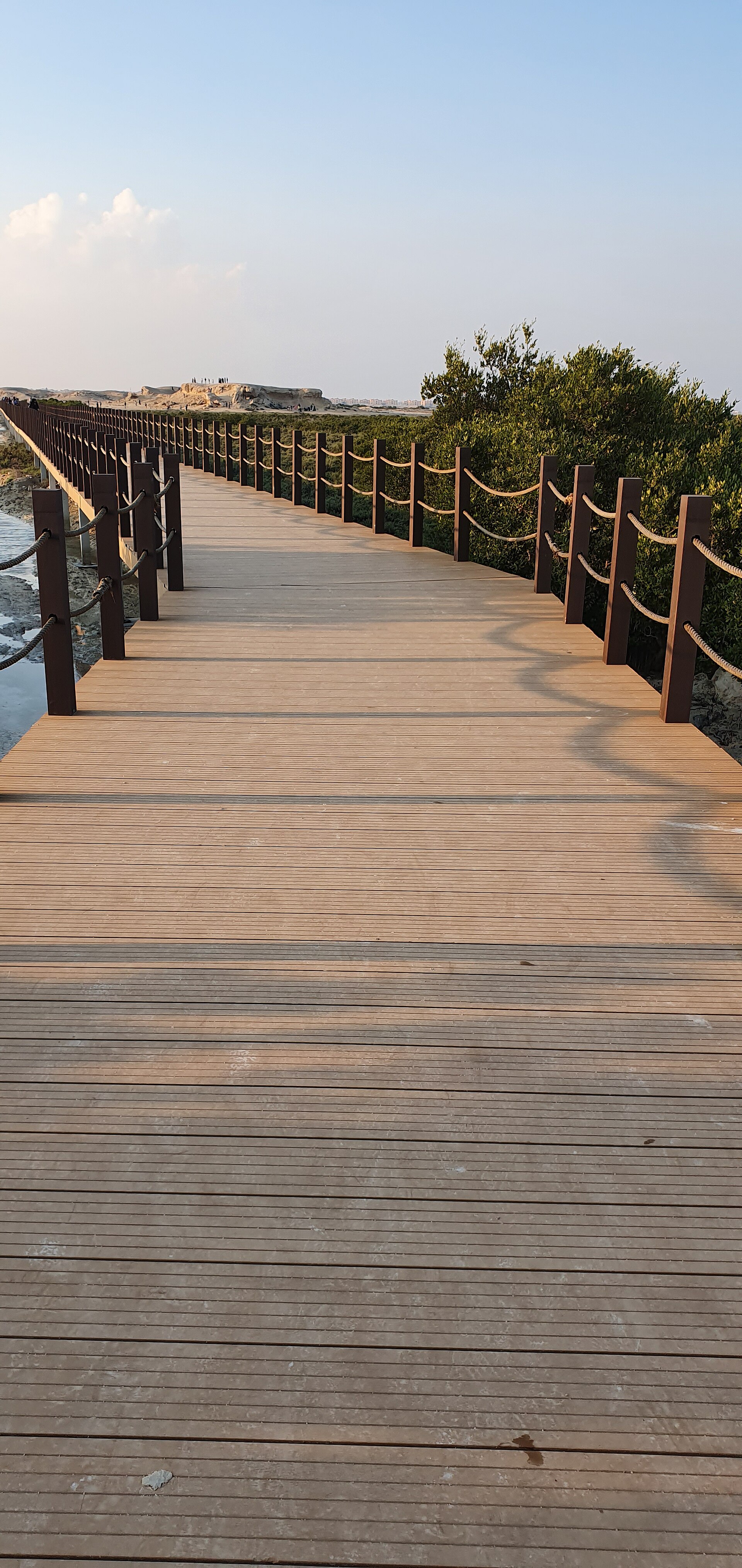
Visit Qatar states that all vehicles can reach Purple Island. Raised wooden walkways and a wooden bridge provide the principal approach and crossing. The wider visit involves natural walking and hiking terrain around the island and beach. There are no visitor facilities or shade on the island; bring supplies, sun protection and suitable footwear. Tidal changes present the primary hazard, potentially stranding visitors or submerging return routes. Rapid water movement and soft sediment create physical risks. Solar exposure is extreme; adequate hydration, sun protection, and heat management are essential. No emergency services, potable water, or shelter infrastructure exists on-site. Marine hazards including sharp substrates and biological risks warrant protective footwear. Wildlife encounters, while generally low-risk, require appropriate distance maintenance. The isolated nature means self-rescue capability is mandatory. No lifeguard service, patrol, or regular visitor monitoring is documented. Informing others of intended itinerary and expected return represents prudent practice given communication limitations.
Checked 2026-08-31 · Source
The mangrove channels, tidal textures, and horizon lines offer compositional possibilities for landscape and nature photography. Lighting conditions vary dramatically with time of day and tide state. Early morning and late afternoon typically provide directional light beneficial for dimensional rendering. The purple historical association does not guarantee color saturation in natural features; expectations should align with actual ecological conditions. No designated viewpoints or maintained vantage positions exist. Equipment protection from sand, salt, and moisture requires attention. Tripod stability may be compromised on soft substrates.
Checked 2026-08-31 · Source
Visit Qatar recommends November through February for cooler weather; Qatar Museums also identifies November to February as the season when migratory birds visit.
Official sources list hiking, nature walking, birdwatching, wildlife spotting, kayaking through the mangroves and camping.
No. Visit Qatar says the island has no facilities and no provided shade, so visitors should bring supplies, sun protection and appropriate footwear and carry out their rubbish.
The island was used to produce red-purple dye from shellfish during the Kassite Period in the second millennium BCE.
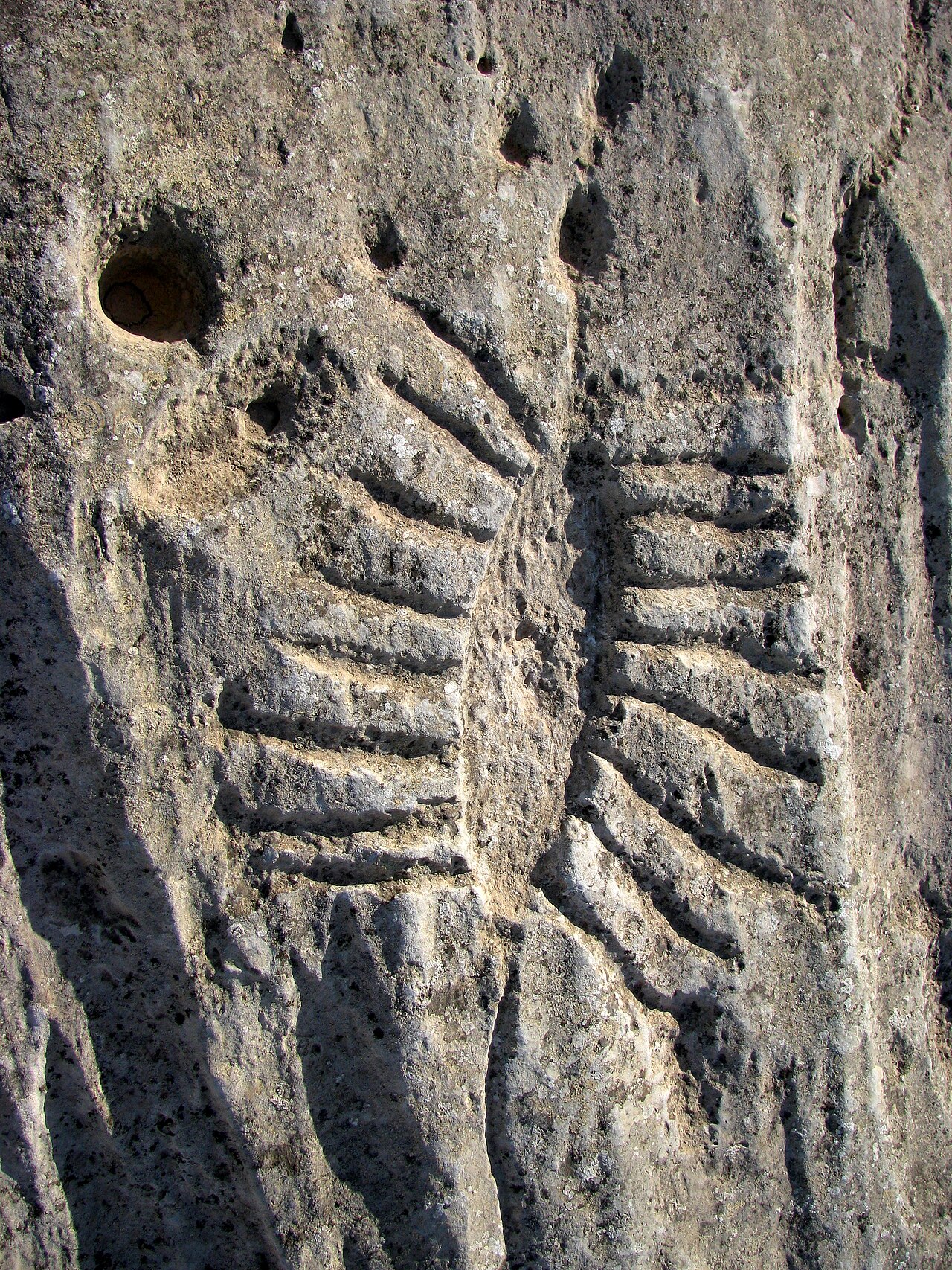
Excavations uncovered about 2.9 million crushed Thais savignyi sea-snail shells and large ceramic vats probably used to macerate the mollusks.
The shallow mangrove lagoons support small fish and crabs; migratory flamingos and herons visit during the winter months from November to February.
Loading the interactive map…
The interactive map could not be loaded.

Last updated:
Source: OpenStreetMap contributors ·