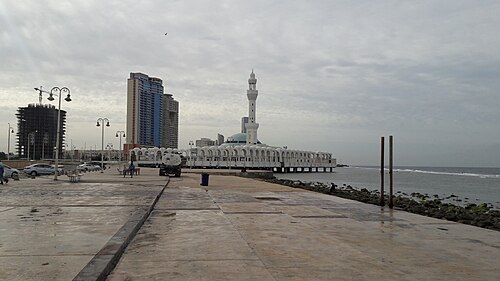
A photograph of Jeddah

City guide · Saudi Arabia

Jeddah

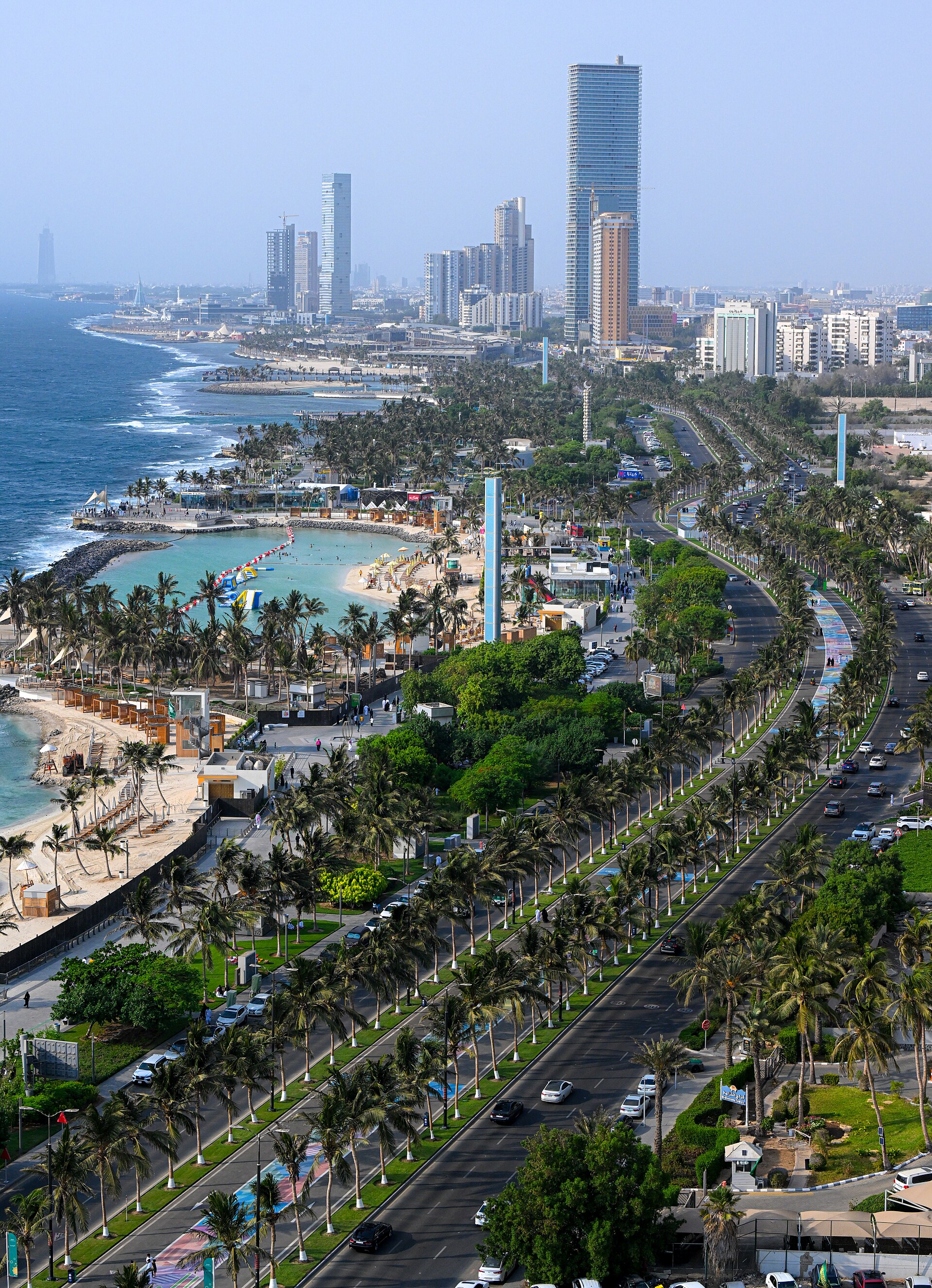
Jeddah stretches north along the Red Sea, with its historic core and modern waterfront forming separate visitor zones. Al-Balad contains the old houses, markets...

Photograph · Saudi Press Agency (SPA) · CC BY-SA 4.0

1,110 Places
Suggested stay
Not recorded
Getting around
Walk in Al-Balad; taxi or car beyond

Turn this list into a plan

Set your days, your pace and the hours you actually want to be out. The planner works around closing days and travel time, and leaves room to eat.

Plan Jeddah

Reviewed by Elena Voss · Roavina Travel Editor

Jeddah stretches north along the Red Sea, with its historic core and modern waterfront forming separate visitor zones. Al-Balad contains the old houses, markets and gates in a compact walking area. The Corniche and waterfront attractions extend for many kilometres, while major museums, mosques and newer leisure districts sit inland or farther north. Grouping stops by coastline section prevents a day from disappearing into repeated road transfers.

Checked 2026-08-26

Practical information

Language spoken
Arabic; English is widely used in visitor services
National practical orientation; regional and minority languages may also be used
Dialling code
+966
International calling code; local area and mobile prefixes still apply
Currency
Saudi riyal (SAR)
Use the official local currency; card acceptance varies by place
Emergency number
911 unified in supported regions · 997 ambulance
Use only for an emergency; tourist assistance may use a separate number
Plug type
Type G · 230 V
Check that chargers support the recorded voltage before using an adapter
Tap water
Not recorded
No verified nationwide drinking-water statement was recorded

Planning a visit

September · September in Jeddah has mean high 37.6°C, mean low 26.3°C, rainfall 0.1 mm, and 0.1 rain days. Extreme heat makes prolonged outdoor sightseeing unsafe and exhausting. In September, limit exposed activity in Jeddah to early morning or evening and rely more on indoor sights.

  1. January: best time to visit
  2. February: best time to visit
  3. March: good time to visit
  4. April: viable with meaningful trade-offs
  5. May: recurring difficult conditions
  6. June: recurring difficult conditions
  7. July: recurring difficult conditions
  8. August: recurring difficult conditions
  9. September: recurring difficult conditions — current month
  10. October: viable with meaningful trade-offs
  11. November: good time to visit
  12. December: best time to visit

Sources

Top things to see

Ranked by importance — sitelinks, pageviews and heritage status, not editor preference.

  1. King Saud Mosque King Saud Mosque
    02 30 min

    King Saud Mosque

    مسجد الملك سعود

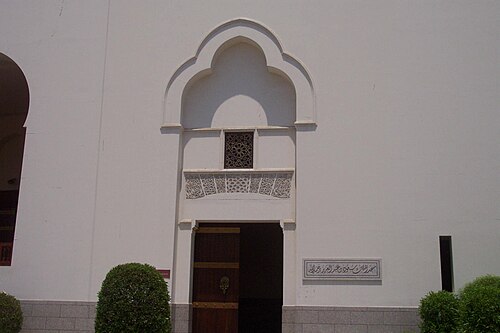
    King Saud Mosque, known locally as مسجد الملك سعود, is a major congregational mosque in Jeddah. It is an active religious institution serving the local Muslim community for daily prayers, Friday prayer, and special religious occasions.

    • Must see
    • Place of worship
  2. Jaffali Mosque Jaffali Mosque
    03 30 min

    Jaffali Mosque

    مسجد الجفالي

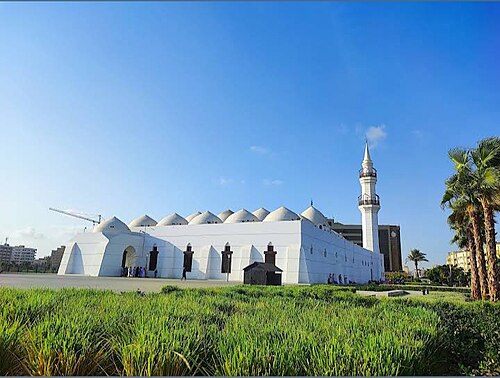
    Al-Jaffali Mosque, known locally as مسجد الجفالي, is an active mosque in Jeddah, Saudi Arabia.

    • Must see
    • Place of worship
  3. al-Mi'mar al-Mi'mar
    04 30 min

    al-Mi'mar

    مسجد المعمار

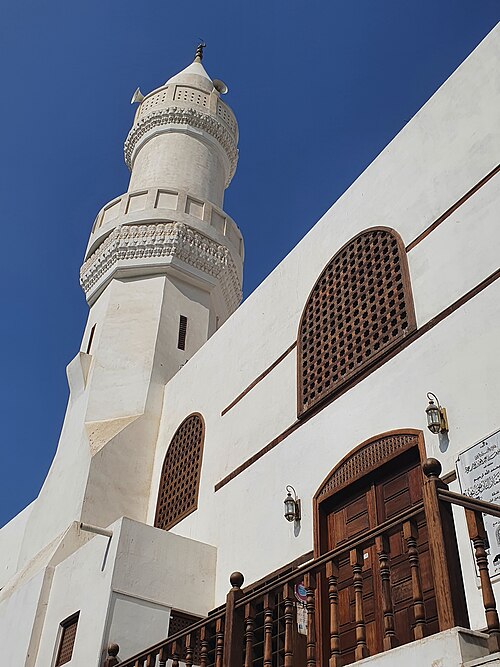
    Al-Mimar Mosque, known locally as مسجد المعمار, is a mosque in Jeddah, Saudi Arabia. The building belongs to the city’s religious and urban heritage landscape and serves as a place of worship for the local Muslim community.

    • Must see
    • Place of worship

Source: OpenStreetMap contributors, Wikidata ·

How the city is laid out

Al-Balad forms the historic centre around its coral-stone houses, souqs and surviving gates. The older central waterfront lies west of it around King Fahd's Fountain. The Corniche continues north through landscaped waterfront sections, public art and leisure areas. Newer commercial and residential districts spread inland, while airport-side and northern attractions lie far beyond the historic core. Treat Al-Balad, central Jeddah and the northern waterfront as separate route blocks.

Checked 2026-08-26

Getting around

Walk inside Al-Balad, then use a taxi, ride-hailing service or rental car between the historic centre, waterfront sections and northern districts. Saudi Tourism's official Jeddah guide identifies rental cars, ride-sharing apps and local taxis as city transport options. Confirm current fares and pickup arrangements before travel, especially at the airport or after a late waterfront visit, and avoid assuming that the entire Corniche is one short pedestrian route.

Checked 2026-08-26

Common questions

How many days should I plan for Jeddah?

No fixed stay length is recorded. Separate Al-Balad, the central waterfront and the northern Corniche into geographic blocks, then add inland museums according to priority.

Is Al-Balad walkable?

Yes. Its historic houses, markets, gates and lanes form Jeddah's most coherent walking district. Begin and end road transfers at an agreed edge-of-quarter pickup point.

Can I walk the full Jeddah Corniche?

Do not treat the waterfront as one short central promenade. Its attractions extend across several sections, so select a cluster and use road transport between distant stops.

How do visitors travel between Jeddah districts?

Saudi Tourism's Jeddah guide identifies taxis, ride-sharing apps and rental cars. Check current operator terms and arrange the return journey for farther northern districts.

Which Jeddah areas should not be compressed into one route?

Al-Balad, the King Fahd's Fountain area and the northern waterfront are distinct zones. Combining all three without planned transfers creates unnecessary backtracking.