Kaaba
الكعبة
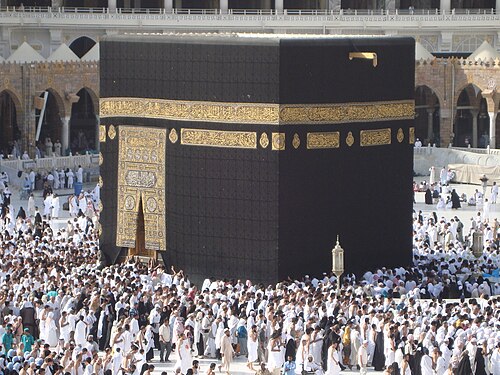
The Kaaba is the cube-shaped building at the centre of Al Masjid Al Haram in Makkah, and it is the qiblah, the direction every Muslim in the world faces in prayer.
- Must see
- Place of worship
- Mecca
Language · 11 published
Country guide
At 2,149,690 square kilometres, Saudi Arabia is the largest country in the Middle East and the only one with coastline on both the Red Sea and the Arabian Gulf — which is the fact that separates its cities. Riyadh, the capital, stands inland at the centre and is built at driving scale. Jeddah on the Red Sea is the older port, with a coral-stone historic quarter and the water at the end of the street, while Mecca and Medina, the two holiest cities in Islam, are closed to non-Muslims. The 33.7 million people counted in 2024 are gathered into a handful of centres with long empty desert in between.
Reviewed by Elena Voss · Roavina Travel Editor
Every city catalogued in this country so far, ranked by how much there is to see.
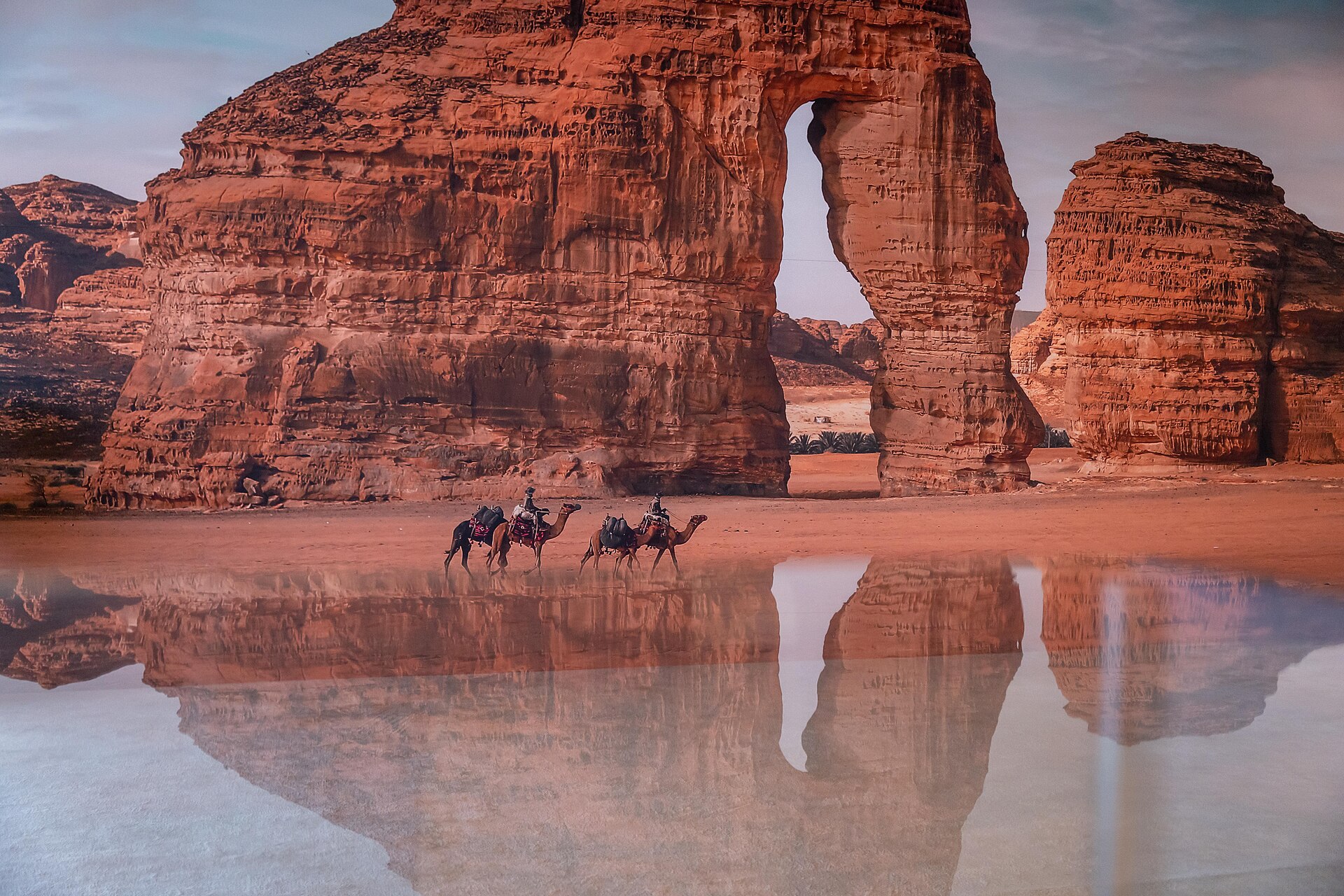
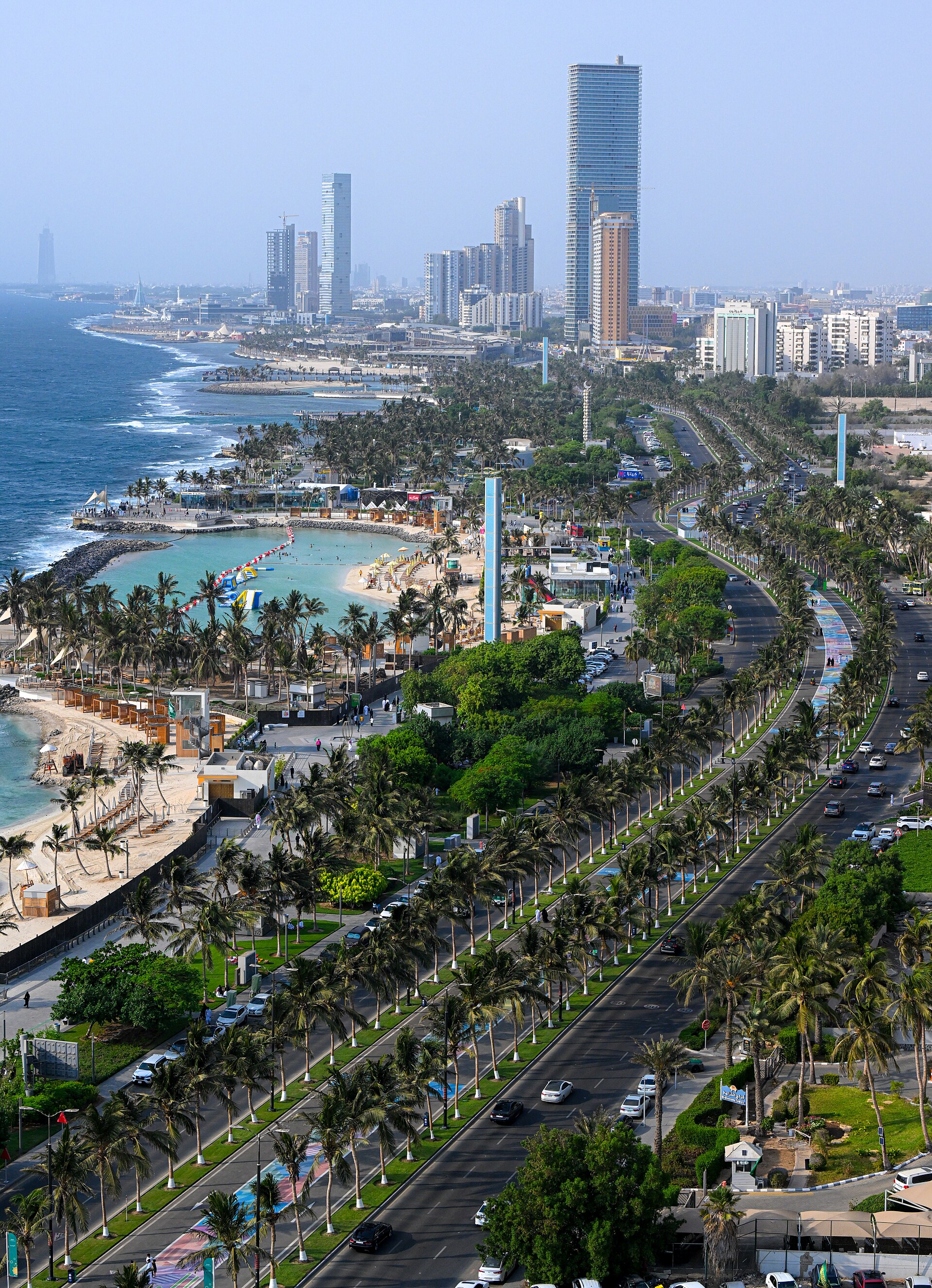
Photograph · B.alotaby · CC BY-SA 4.0
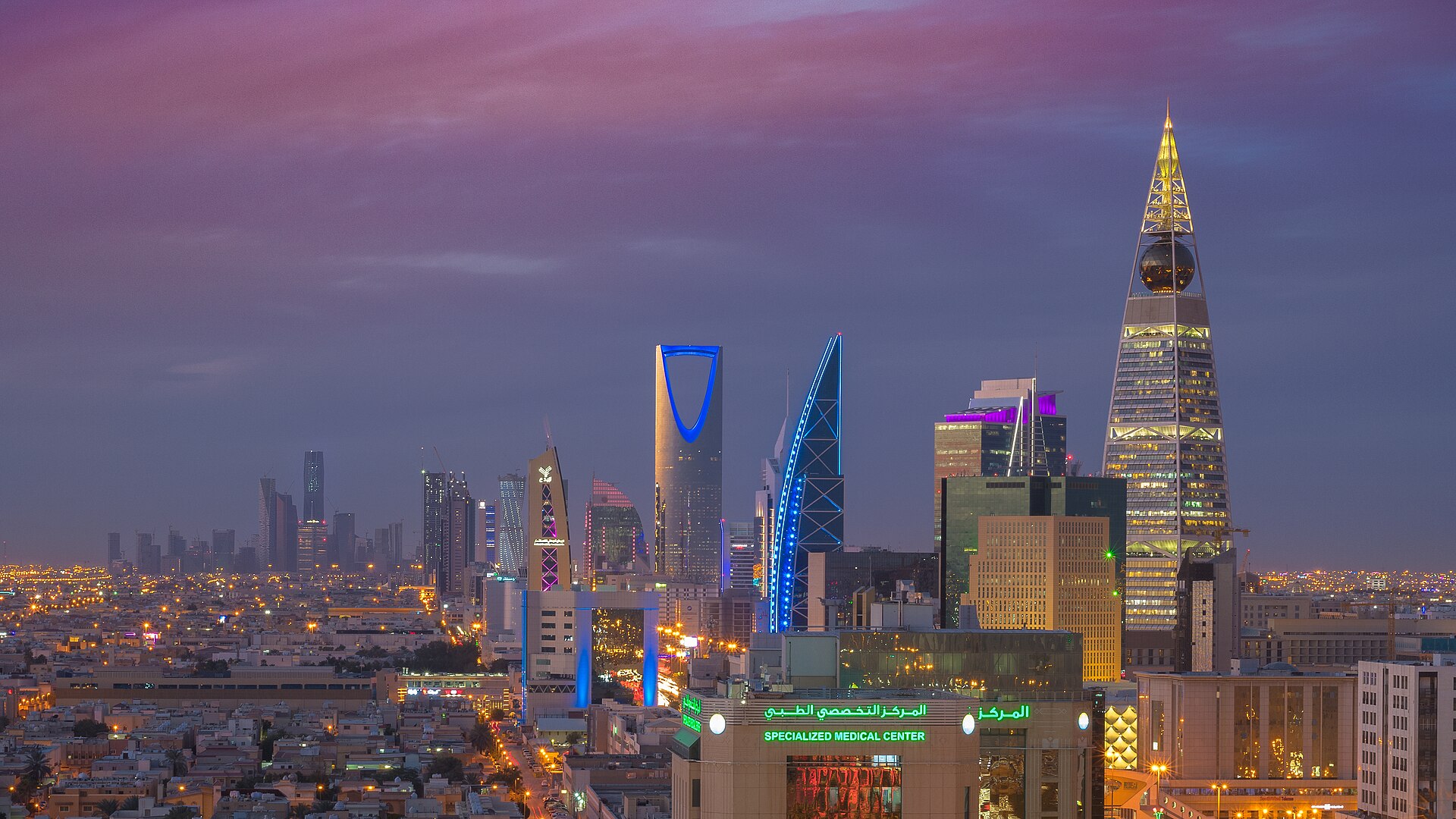
Photograph · Wurzelgnohm · CC0
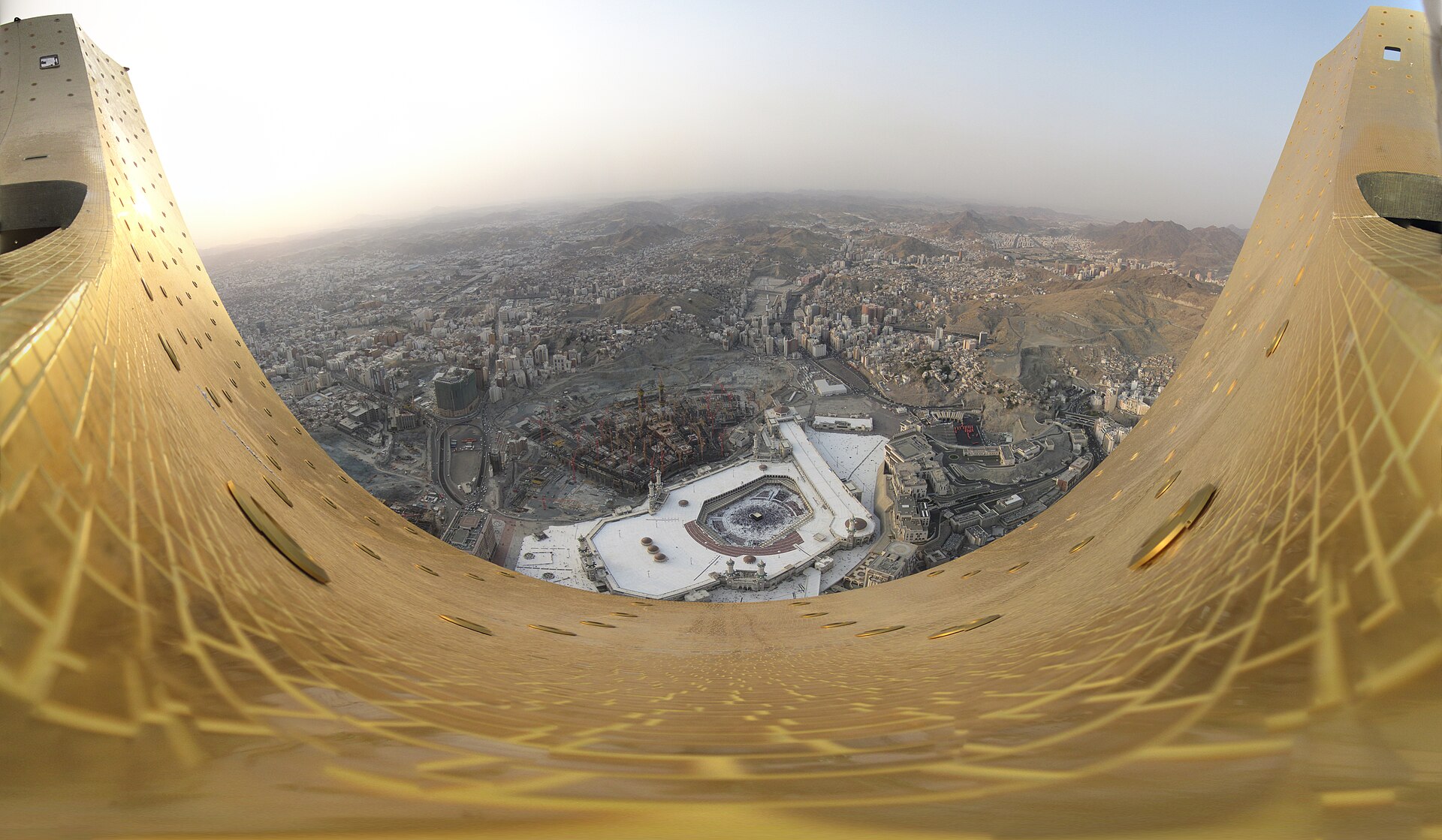
Photograph · Saudi Press Agency (SPA) · CC BY-SA 4.0
Ranked by importance — sitelinks, pageviews and heritage status, not editor preference.
5 places match
Category
Typical visit duration
Interests
الكعبة
The Kaaba is the cube-shaped building at the centre of Al Masjid Al Haram in Makkah, and it is the qiblah, the direction every Muslim in the world faces in prayer.
المسجد الحرام
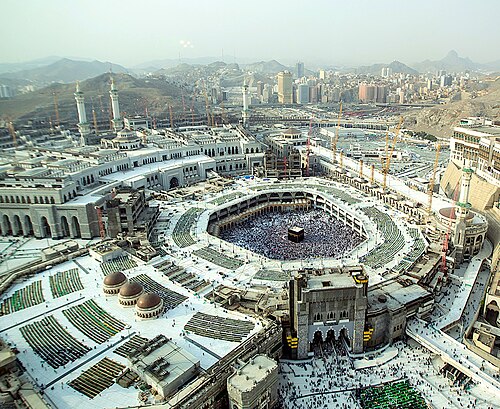
Al Masjid Al Haram is the mosque built around the Kaaba in the centre of Makkah, and it is the largest mosque in the world by area and by the number of people it holds.
جبل النور
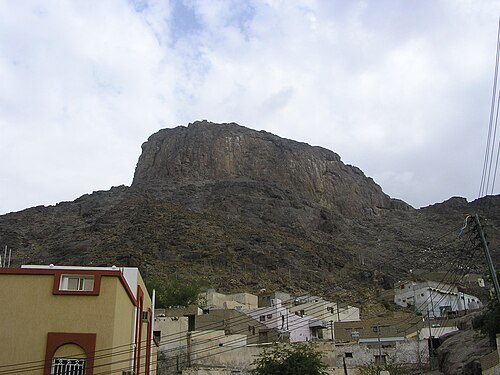
Jabal al-Nour, the Mountain of Light, is a bare rock peak on the north-eastern side of Mecca, a little over five kilometres from Al-Masjid al-Haram.
غار حراء
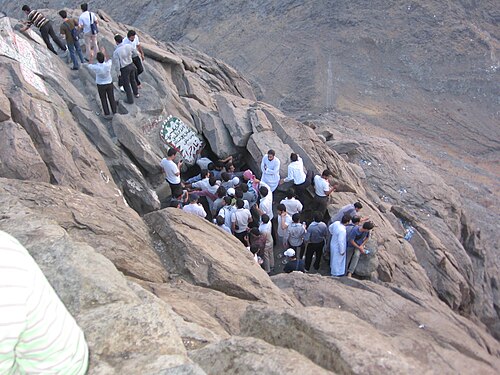
The Cave of Hira is a cleft in the rock near the top of Jabal al-Nour, the mountain that rises northeast of central Makkah.
جبل ثور
Jabal Thawr is a bare rock mountain on the southern edge of Makkah, rising above the ground south of the Misfalah district, and people climb it for one thing: the cave near its top, Ghar Thawr.
Source: OpenStreetMap contributors, Wikidata ·
Eight to twelve days can combine three days in Riyadh, three in Jeddah, and a dedicated AlUla leg. Makkah is subject to religious eligibility and pilgrimage permissions and must not be planned as an ordinary sightseeing stop.
Saudi entry depends on nationality and purpose, with tourist eVisa and pilgrimage permissions following different rules. Confirm eligibility through the official Saudi visa service and the relevant pilgrimage authority before booking.
Domestic flights cover Saudi Arabia's long distances, while Haramain high-speed rail serves Makkah, Jeddah, the airport, and Madinah. Other routes rely on buses or cars, and desert excursions require an appropriate vehicle and reliable operator.
November through February offers the most practical outdoor conditions for Riyadh, Jeddah, and desert excursions. Pilgrimage periods can change access and demand independently of weather, so check the religious calendar and permit rules.
Saudi Arabia uses the riyal (SAR). Cards are common in cities, but carry a SAR backup for smaller stops and verify the local-currency total before accepting payment.
Use 911 as the unified emergency number where supported and 997 for ambulance service in Saudi Arabia. Type G sockets supply 230 V; tap-water guidance is not recorded here.