
6 min walk · Voždovac
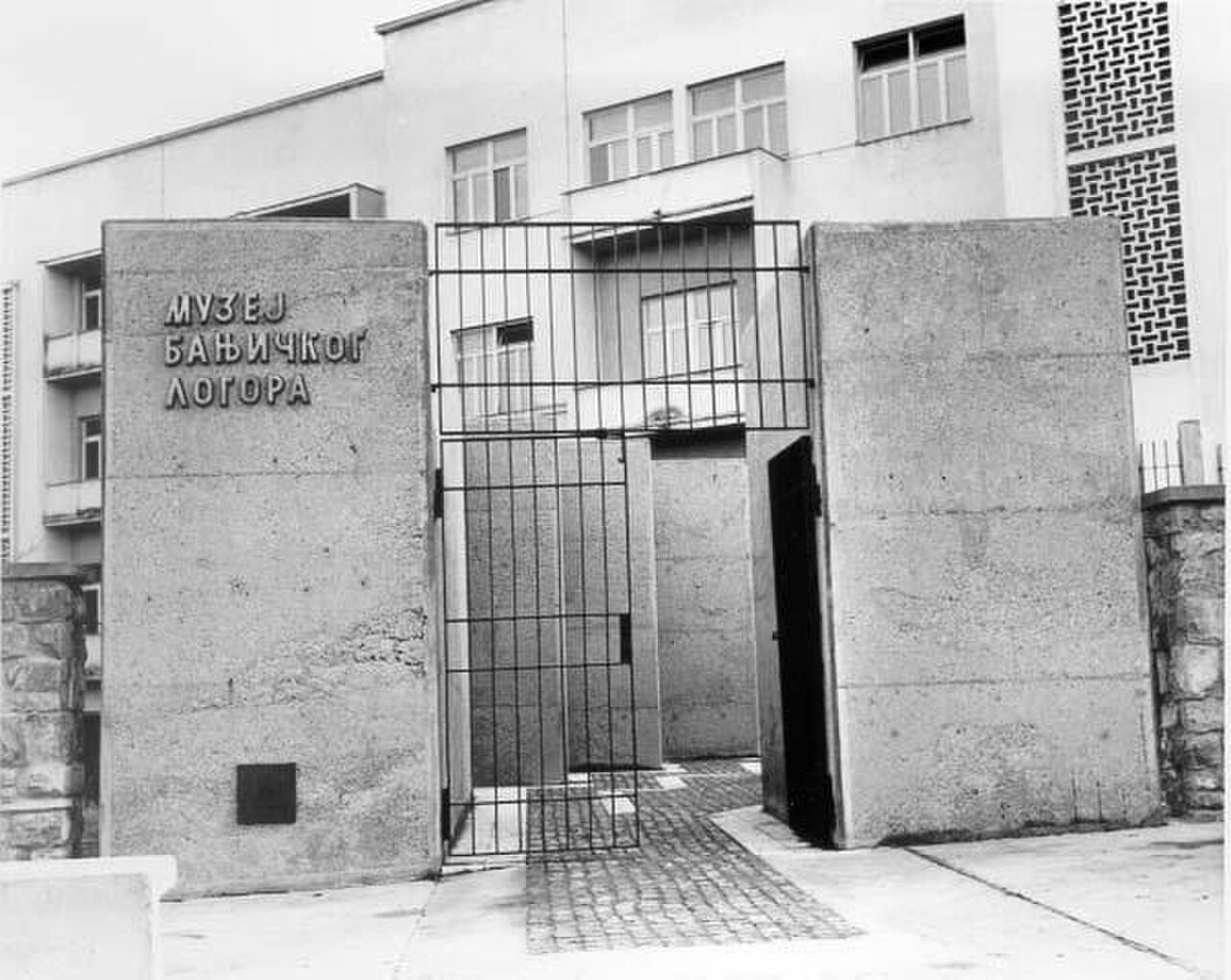
Museum of the Banjica Concentration Camp
- High
- Museum
Language · 11 published
Nature site · Voždovac, Belgrade
СП Бајфордова шума
Reviewed by Elena Voss · Roavina Travel Editor
| Monday | 00:00 – 23:59 |
|---|---|
| Tuesday | 00:00 – 23:59 |
| Wednesday | 00:00 – 23:59 |
| Thursday | 00:00 – 23:59 |
| Friday | 00:00 – 23:59 |
| Saturday | 00:00 – 23:59 |
| Sunday | 00:00 – 23:59 |
Parsed from OpenStreetMap opening hours on 2026-09-09.
This place is a Nature reserve.
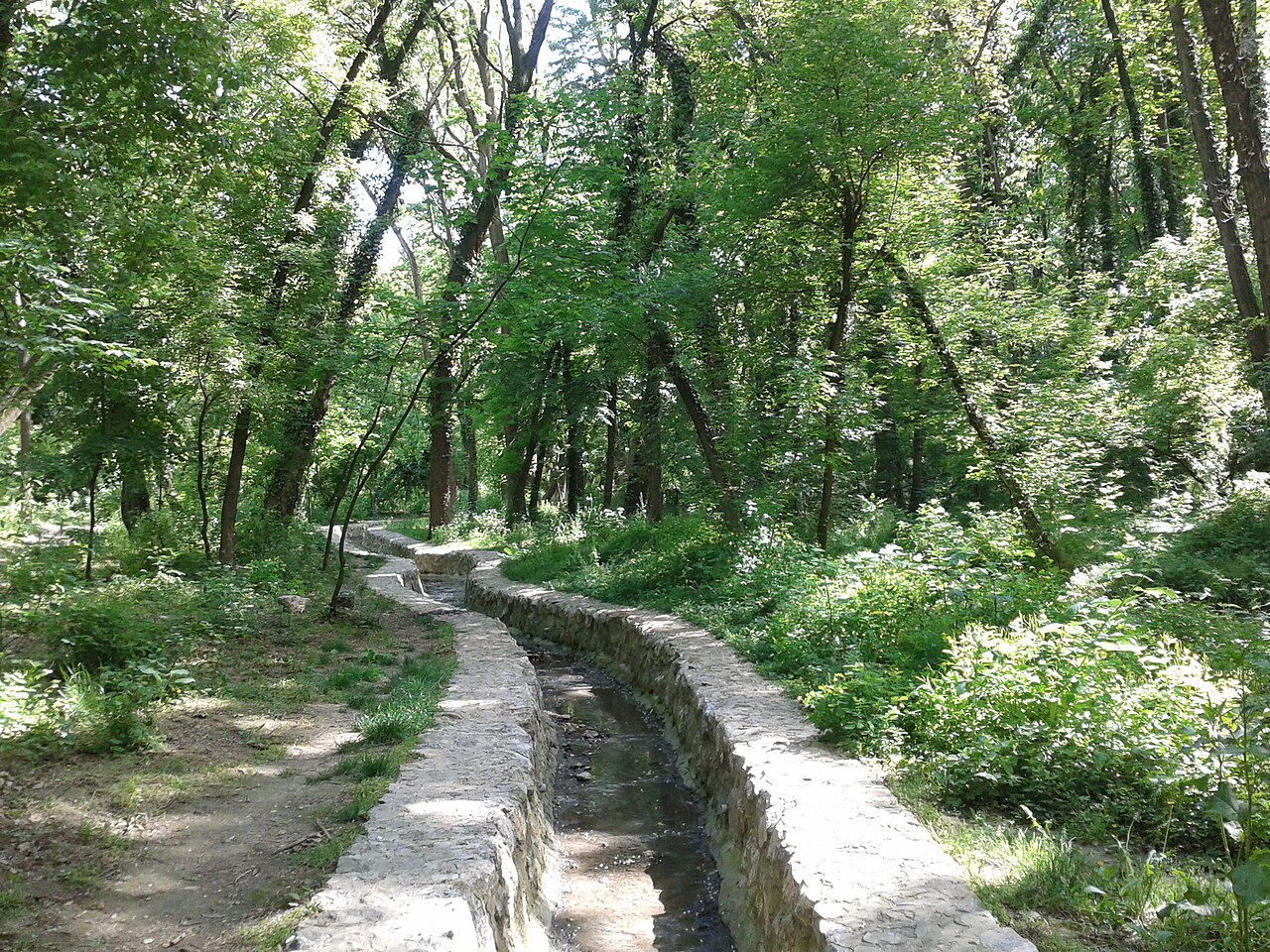
Banjica Forest is the local name for Byford’s Forest, or Bajfordova šuma, a protected natural monument in Belgrade’s Voždovac municipality. This public woodland is designated for sport and recreation, while its ecological importance comes from its rich birdlife. The protected area covers 40 hectares, 33 ares and 76 square metres, creating a substantial green refuge within the city. The Banjica Stream runs through the forest and helps shape the vegetation, paths and small bridges that give the area its distinctive character. Its protected status means the forest is more than an ordinary city park: recreational use takes place within a landscape valued for habitat and conservation.
Checked 2026-09-02 · Source
The forest combines maintained recreational approaches with wilder protected sections. Visitors can find a vehicle-pedestrian path and rustic bridges around the Banjica Stream, alongside denser vegetation where passage is less practical. Some areas with dense undergrowth are excluded from visitor entry. The stream remains a central feature, although its southern source is channelled into the sewer in the lower part of the stream. Expect a woodland setting rather than a collection of formal exhibits, visitor buildings or marked indoor attractions.
Checked 2026-09-02 · Source
Allow around one to two hours for a relaxed first visit, and add time if birdwatching or stream-side exploration is your priority. Banjica Forest is not described as a timed attraction with a fixed visitor circuit, so the length of a walk depends on the paths that are usable and how often you stop. A short visit works for a taste of the woodland, while a slower visit gives more opportunity to notice birds, vegetation and the Banjica Stream. After rain, allow extra time because woodland ground may be less comfortable. Visitors who want only a brief green break can stay near the maintained approaches, while nature-focused visitors should leave room for quiet pauses and careful observation.
Checked 2026-09-02 · Source
The responsible body publishes no visitor timetable or closure days for Banjica Forest. Treat the site as an outdoor recreational area whose usable conditions depend on daylight, weather and ground conditions. Daylight is preferable for following paths and observing birds, while dry weather should make the maintained approaches and stream-side sections more comfortable. Early morning can be especially suitable for quieter birdwatching. A visit after heavy rain may be less comfortable because woodland ground and areas near the stream can become difficult underfoot.
Checked 2026-09-02 · Source
Banjica Forest is managed as a protected natural monument and recreational woodland. The management material focuses on the protected area, its bird habitat, the Banjica Stream, visitor paths, rustic bridges, and conservation responsibilities. Treat the visit as an outdoor walk through a living habitat: stay within usable visitor areas, respect sections excluded from entry, and avoid disturbing birds or dense vegetation. Transport, refreshments, and other personal costs depend on the wider Banjica neighbourhood rather than on the woodland experience itself.
Checked 2026-09-02 · Source
Banjica Forest lies in Voždovac between Bulevar Oslobođenja, General Pavla Jurišića Šturma Street and Crnotravska Street. Public-transport access points in the surrounding Banjica corridor include the Banjica and Banjica 2 termini, with lines 40, 41A and 78 serving the area. Check the current route and service information with the Belgrade Public Transport Secretariat before travelling, because public-transport arrangements can change. The setting is woodland rather than a museum entrance, with maintained approaches, a vehicle-pedestrian path and rustic bridges near the stream. Because the forest is bounded by several city streets, the exact arrival point affects which approach feels most convenient.
Checked 2026-09-02 · Source
Banjica Forest should be treated as protected woodland rather than as a fully surfaced urban promenade. Dense undergrowth makes some sections less passable, and the management material identifies areas excluded from visitor entry. Rustic bridges and stream-side ground can become uncomfortable in wet weather. Stay on usable paths, avoid restricted vegetation, and keep noise low in an area protected for its birdlife. Visitors should choose footwear for natural ground, carry what they need for the walk, and leave habitats undisturbed throughout the visit.
Checked 2026-09-02 · Source
The forest’s strongest photographs come from its protected woodland character rather than a single landmark. Look for the Banjica Stream, rustic bridges, layered vegetation and the contrast between maintained approaches and denser protected areas. Birdlife is central to the site’s protection, so quiet observation can produce more meaningful images than a hurried walk. Daylight is useful beneath the tree canopy and around the stream. Do not enter dense undergrowth or visitor-excluded sections for a better angle; preserving the protected landscape matters more than reaching every viewpoint. A wide composition can show the relationship between the urban setting and the wooded interior, while closer images can focus on textures, bridges and stream-side vegetation.
Checked 2026-09-02 · Source
The protected area is officially called Byford’s Forest, or Bajfordova šuma.
Banjica Forest is in the municipality of Voždovac.
The current protected area covers 40 hectares, 33 ares and 76 square metres.
Its rich birdlife was the basis for its protection and declaration as a natural monument.
The protected area supports 72 recorded bird species that nest or reside in the forest.
The Banjica Stream runs through the forest; its southern source is channelled into the sewer in the lower part of the stream.
Loading the interactive map…
The interactive map could not be loaded.

Last updated:
Source: OpenStreetMap contributors, Wikidata ·