
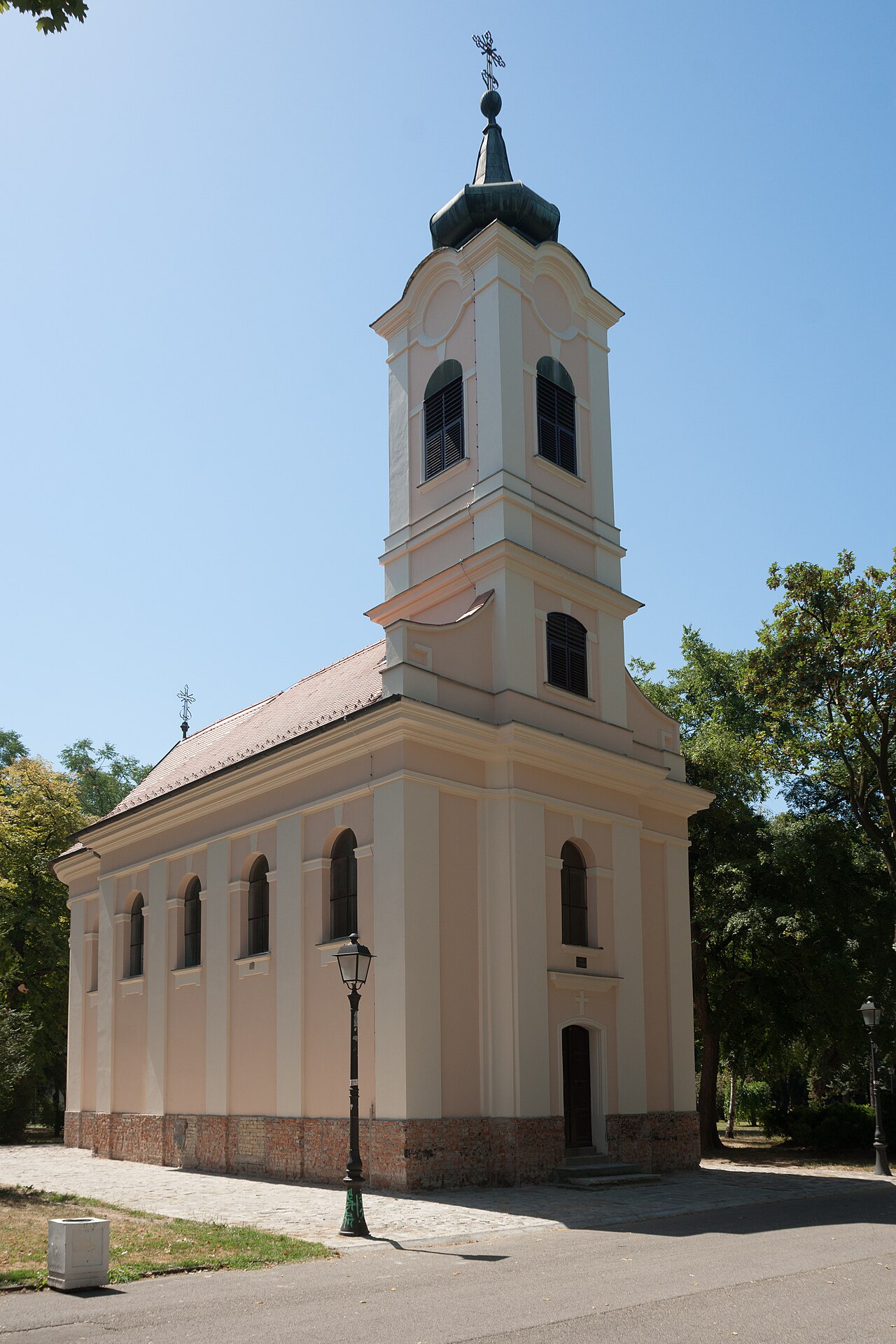
2 min walk · Zemun
Chapel of Saint Roch
- High · Heritage site
- Place of worship
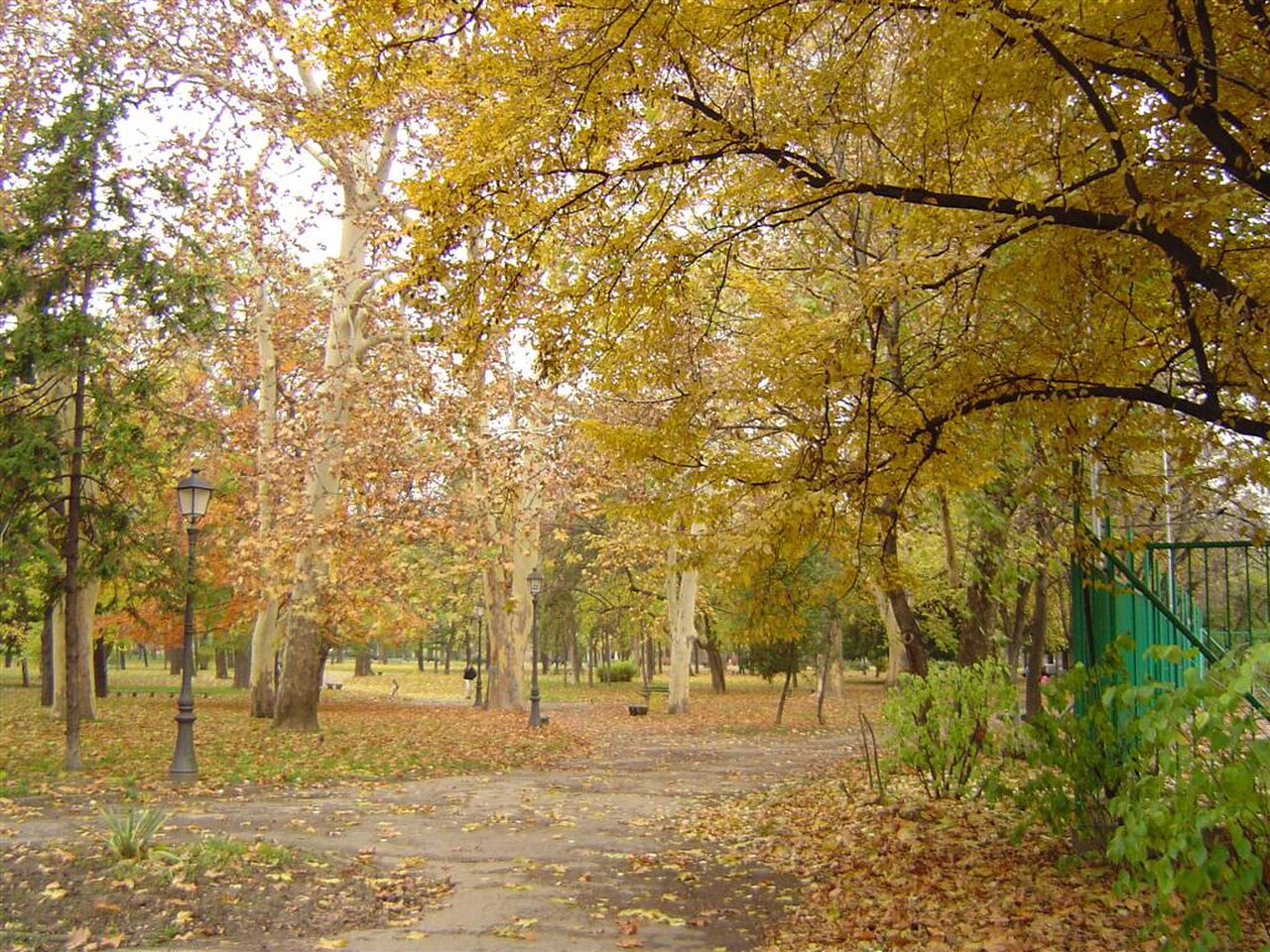
Nature site · Zemun, Belgrade
Градски парк
City Park in Zemun is a 7.72-hectare urban green space at the edge of Zemun’s old core, in Belgrade’s Donji Grad area. It belongs to the protected cultural-historical area of Zemun’s old core, giving this everyday public landscape a formal heritage context. The park’s identity comes from the meeting of planted grounds, surrounding historic streets and memorial features. Its site also has a distinctive earlier role: it was formerly a kontumac, a quarantine complex for people and goods crossing the border. That history makes the park more than a generic green pause in the city, because the landscape carries a specific story about Zemun’s border past. City Park covers 7.72 hectares, making it a substantial green space within Zemun’s historic urban fabric. It stands on the edge of Zemun’s old core, in the Donji Grad area of Belgrade, bordered by Nemanjina, 22. oktobra, Vrtlarska, Savska and Nikolaja Ostrovskog streets.
Checked 2026-09-02 · Source
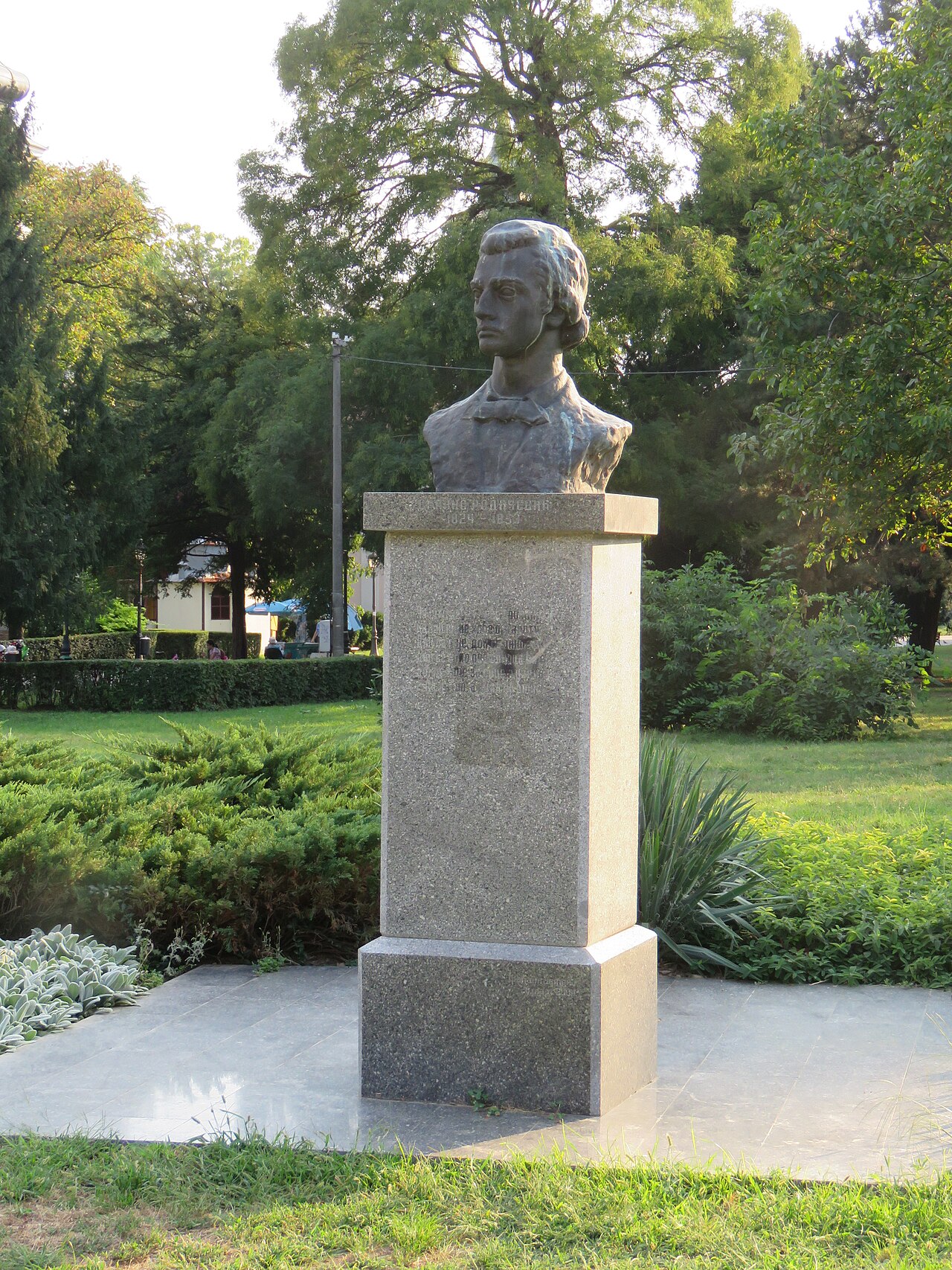
The park brings together greenery and several clearly identified historical references. Visitors can look for a monument to the partisan bomber, a bust of Serbian poet Branko Radičević and a memorial column dedicated to French writer Alphonse de Lamartine. The representative building of Zemun Grammar School, built on the former kontumac site in 1880, adds an architectural and educational layer to the setting. Instead, the experience is a walk through an open landscape where monuments, the school building, protected streetscape and ordinary urban planting are understood as parts of one connected Zemun story.
Checked 2026-09-02 · Source
Allow approximately 45 to 75 minutes for a first visit covering the main paths, planted areas and memorial points. A focused historical circuit can take about 30 to 40 minutes when City Park is combined with a longer walk through Zemun’s old core. The timing is adaptable because the research describes no fixed tour sequence. You can pause beside the monuments, linger among the greenery, take photographs or leave after a brief orientation. This makes the park useful at different points in a Belgrade itinerary: it can be a substantial heritage stop, a short interlude between streets, or a flexible place to slow the pace.
Checked 2026-09-02 · Source
Daylight is therefore the useful planning reference for seeing paths, planting and memorial details. Morning may suit visitors who prefer a quieter walk, while late afternoon can connect naturally with an exploration of the old core. Weather and season will change shade, vegetation and the visibility of smaller features. The park’s practical rhythm is daytime wandering rather than a scheduled evening programme, so place it in the outdoor portion of your day when natural light and walking conditions work best.
Checked 2026-09-02 · Source
City Park is described as an open urban green space, but that description alone is not treated as proof of a formally confirmed admission policy. Plan the stop around its streets, paths, planting and memorials rather than a sourced booking arrangement. This keeps the practical guide accurate while preserving the park’s clear value as a heritage landscape within Zemun.
Checked 2026-09-02 · Source
City Park is bordered by Nemanjina, 22. oktobra, Vrtlarska, Savska and Nikolaja Ostrovskog streets at the edge of Zemun’s old core. These park-side streets are the clearest arrival references when approaching from the nearby historic centre. Use the named streets to orient yourself before selecting the point at which to begin walking. This makes the park easy to combine with a route through the nearby historic centre.
Checked 2026-09-02 · Source
It provides no operator-confirmed step-free route, accessible toilet, toilet, pushchair route, drinking-water point or baby-changing facility. These amenities should not be assumed from the park’s size or urban position. City Park also lies within a protected historic area and contains memorial features, so move respectfully around the monuments and treat the grounds as a heritage landscape as well as a recreational one. Allow flexibility in your route rather than expecting a fully specified visitor facility.
Checked 2026-09-02 · Source
A strong photographic visit should show both City Park’s scale and its specific historical references. Use a wider frame to place the 7.72-hectare green space beside Zemun’s old core, then move closer to the partisan bomber monument, Branko Radičević’s bust and Lamartine’s memorial column. The former kontumac and the representative Zemun Grammar School building from 1880 provide context for images that go beyond generic park scenery. Daylight will make planting, paths and memorial details easier to read. Walk slowly between viewpoints so the final sequence captures the park as an everyday urban space and as a place preserving civic, literary and wartime memory.
Checked 2026-09-02 · Source
City Park covers 7.72 hectares, making it a substantial green space within Zemun’s historic urban fabric.
It stands on the edge of Zemun’s old core, in the Donji Grad area of Belgrade, bordered by Nemanjina, 22. oktobra, Vrtlarska, Savska and Nikolaja Ostrovskog streets.
The site was formerly a kontumac, a quarantine complex for people and goods crossing the border, before it became the public green space seen today.
The representative building of Zemun Grammar School was built on the former kontumac site in 1880, linking the park to Zemun’s educational and architectural history.
The park contains a monument to the partisan bomber, a bust of Serbian poet Branko Radičević and a memorial column to French writer Alphonse de Lamartine.
Yes. City Park belongs to the protected cultural-historical area of Zemun’s old core, giving the open green space added heritage significance.
Loading the interactive map…
The interactive map could not be loaded.
Last updated:
Source: OpenStreetMap contributors, Wikidata ·