_-_Kula_Sibinjanin_Janka.jpg)
2 min walk · Zemun
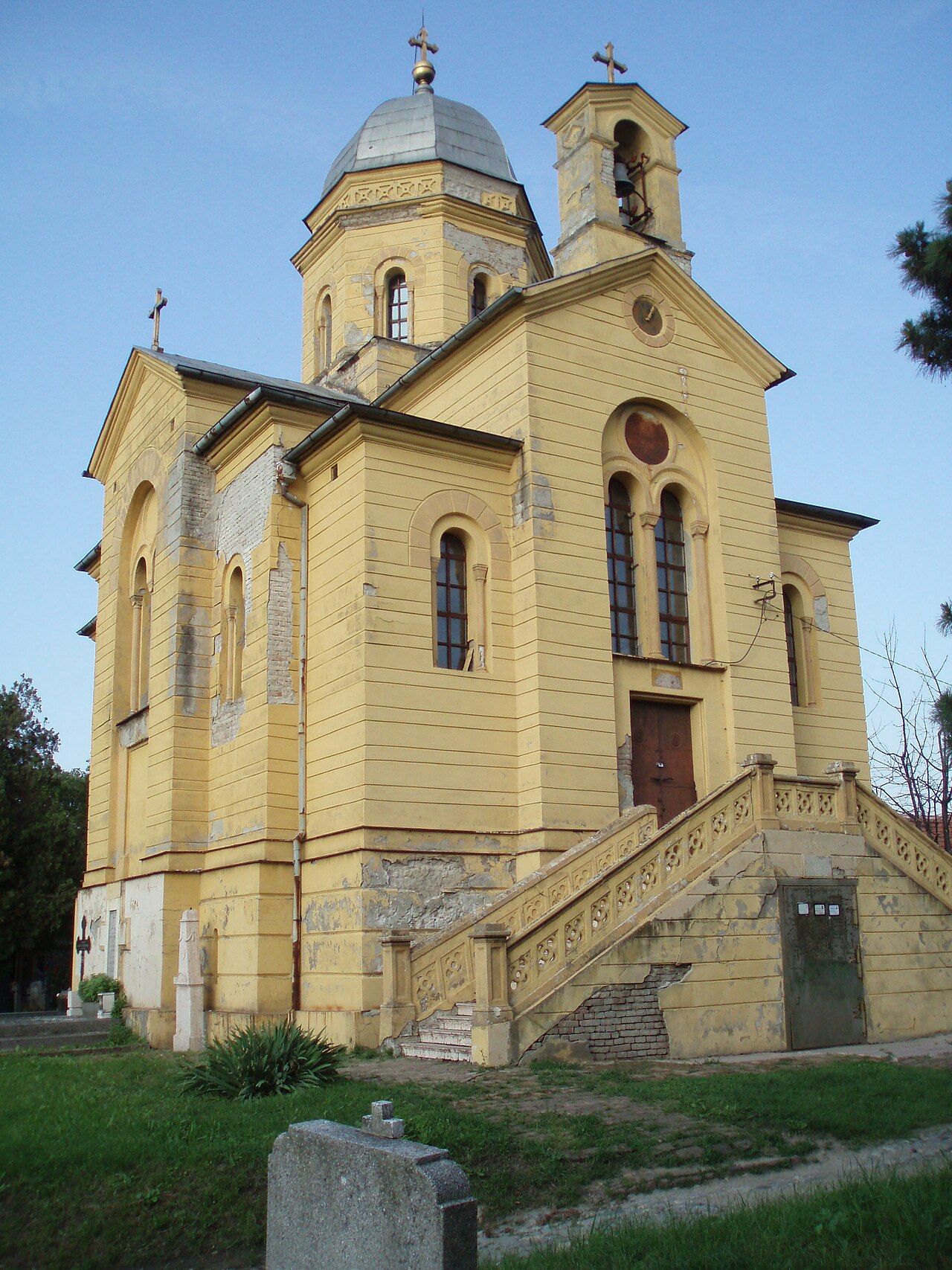
Church of St. Demetrius
- High · Heritage site
- Place of worship
Language · 11 published
Historic monument · Zemun, Belgrade
Кула Гардош
Reviewed by Elena Voss · Roavina Travel Editor
Read from the OpenStreetMap access tags; anything not listed has no tag recorded.
Set the group type to family in the planner and the day window contracts to about three quarters of a solo day.
This place is a Monument. It was established in 1896. It carries the heritage site heritage designation.
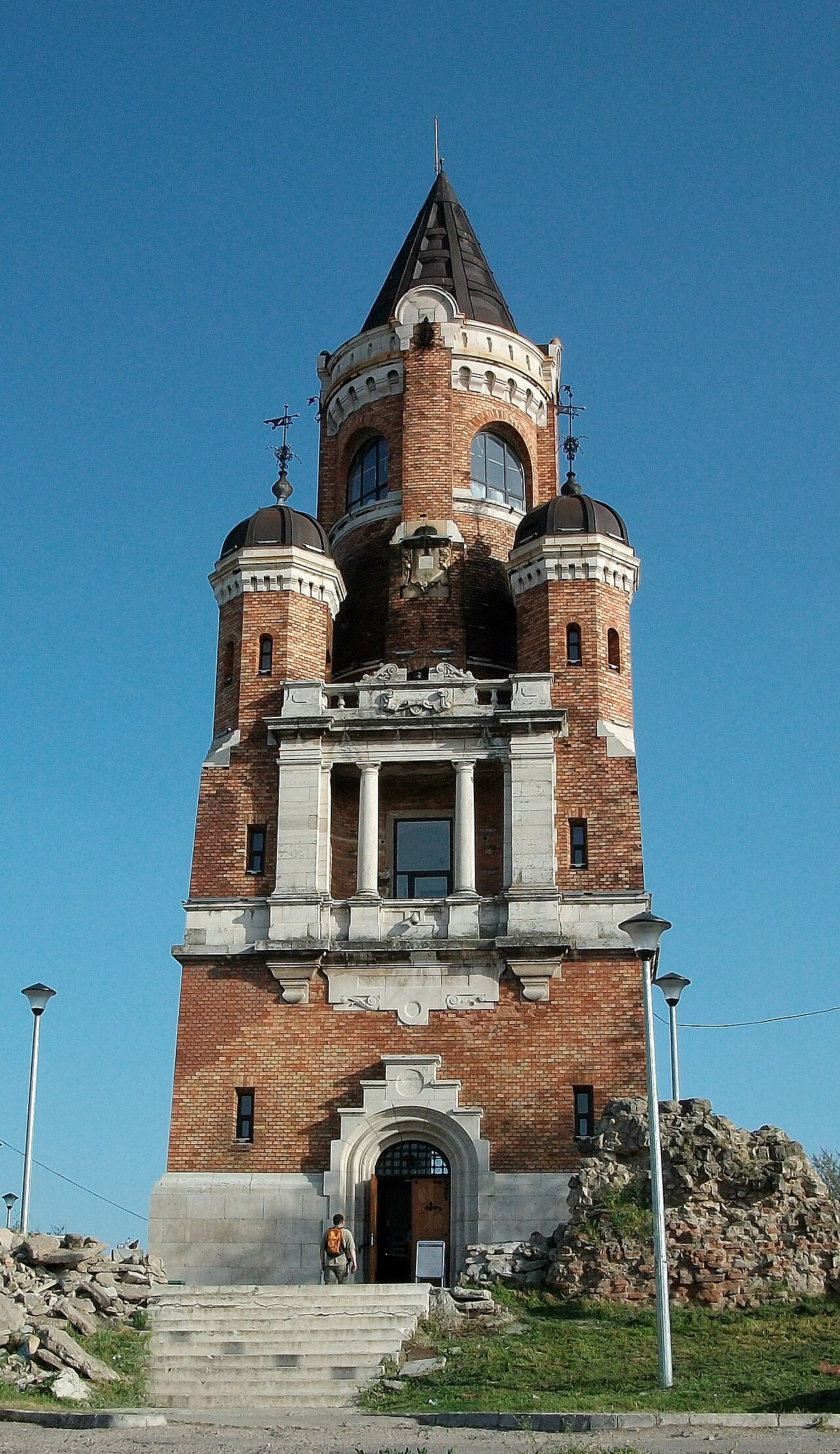
Gardoš Tower, also called the Millennium Tower and Kula Sibinjanin Janka, rises 36 metres above Gardoš Hill in Zemun. Built in 1896, it commemorated one thousand years of Hungarian statehood and formed one of four millennium towers placed around the Kingdom of Hungary. Its setting is as important as the tower: the structure occupies the central part of the surviving medieval Zemun fortress, making the visit a meeting point between a late nineteenth-century monument and much older defensive remains. The tower is therefore not an isolated landmark: its identity comes from the relationship between the 1890s monument, the hill, old Zemun and the Danube below.
Checked 2026-09-02 · Source
The attraction combines the tower with the remains of the medieval Zemun fortress on the hill. Four round corner towers and sections of the fortress walls survive around the later monument, while the tower itself provides an internal route to a balcony viewpoint. From above, the reward is a broad panorama over Zemun, the Danube and the wider Belgrade area. Visitors should think of the site as a compact historic ensemble rather than a large museum with many rooms.
Checked 2026-09-02 · Source
Allow around thirty minutes for the tower and its immediate viewpoint, then add time for the approach and the surrounding old Zemun streets. A practical half-day visit works well because Gardoš Hill is not an isolated roadside stop: the climb links the tower with the historic lanes below and the Danube quay. Visitors who want photographs, a slower look at the fortress remains or a meal beside the river can comfortably extend the outing beyond the tower itself. The tower visit is brief enough to fit into a wider Zemun afternoon, but the uphill and downhill walk should be counted as part of the experience.
Checked 2026-09-02 · Source
Late afternoon is a strong choice for combining the hilltop view with a walk down to the Danube quay. Visit in dry weather if possible: the route through old Zemun includes steep lanes, cobbles and brick steps, and rain or ice makes the climb more demanding. Late afternoon also gives visitors time to descend before the surroundings feel too dark, while leaving the option of continuing towards the riverside afterwards.
Checked 2026-09-02 · Source
The supplied admission record lists general entry as free: per person, 0 RSD. That recorded fee should be understood alongside the scope of the evidence: the operator-linked exhibition catalogue explicitly supports free general entry to Atelje and Galerija Čubrilo, while it does not publish a separate charge for the tower balcony. The hill, fortress remains and approach streets are public outdoor space. The upper viewpoint is reached by internal stairs, and no visitor lift is documented. In practical terms, visitors should not budget for a recorded entrance payment on the evidence supplied, but the free admission record should not be expanded into claims about every possible temporary exhibition or event.
Checked 2026-09-02 · Source
Gardoš Tower stands on Gardoš Hill in Zemun, several kilometres north-west of central Belgrade. Bus 17 serves the named Trg Branka Radičevića stop in Zemun; from there, continue through old Zemun and climb the steep streets and brick steps towards the hilltop. The approach from the quay takes roughly ten minutes uphill, while the broader bus journey from central Belgrade commonly takes twenty to thirty minutes. The final climb is direct but physically demanding. The route is rewarding because it passes through the old town rather than delivering visitors to an anonymous entrance, yet travellers carrying luggage or managing limited mobility should treat the last section as a serious hill walk.
Checked 2026-09-02 · Source
The main practical difficulty is the terrain rather than the distance. The direct route from old Zemun uses steep brick steps, narrow lanes and uneven or cobbled surfaces; these can become slippery in wet or icy conditions. Step-free access is recorded as unavailable, and the internal viewpoint requires stairs. Plan the descent before darkness, when the hill lanes may feel less comfortable, and allow extra time for anyone who walks slowly or uses a pushchair. The combination of outdoor steps and an elevated interior viewpoint means this is not a step-free attraction.
Checked 2026-09-02 · Source
Photograph the tower from the surrounding lanes so its height is framed by old Zemun roofs, then use the balcony for the wider scene. The viewpoint looks across the Danube towards Zemun and the Belgrade area, with the river landscape providing the strongest sense of place. Late afternoon gives the hill and water warmer light. After the visit, continue downhill for changing angles along the historic streets and for river-level views from the quay. A lower viewpoint shows why the monument belongs to Gardoš rather than simply to Belgrade's skyline: the tower rises from a tight historic neighbourhood, with the hill and fortress remains anchoring it in Zemun.
Checked 2026-09-02 · Source
The Millennium Tower was built in 1896 to commemorate one thousand years of Hungarian statehood.
The tower is 36 metres high.
Its original name is Millennium Tower; Gardoš Tower and Tower of John Hunyadi, or Kula Sibinjanin Janka, are also widely used.
No. Hunyadi died at this location about 440 years before the present tower was built.
The tower occupies the central part of the surviving medieval Zemun fortress, whose walls and four round corner towers date from the transition between the 14th and 15th centuries.
The tower's balcony is a panoramic viewpoint over Zemun, the Danube and the wider Belgrade area.
Loading the interactive map…
The interactive map could not be loaded.
Last updated:
Source: OpenStreetMap contributors, Wikidata ·