.jpg)

27 min walk
Haw Par Villa
- Must see
- Nature site
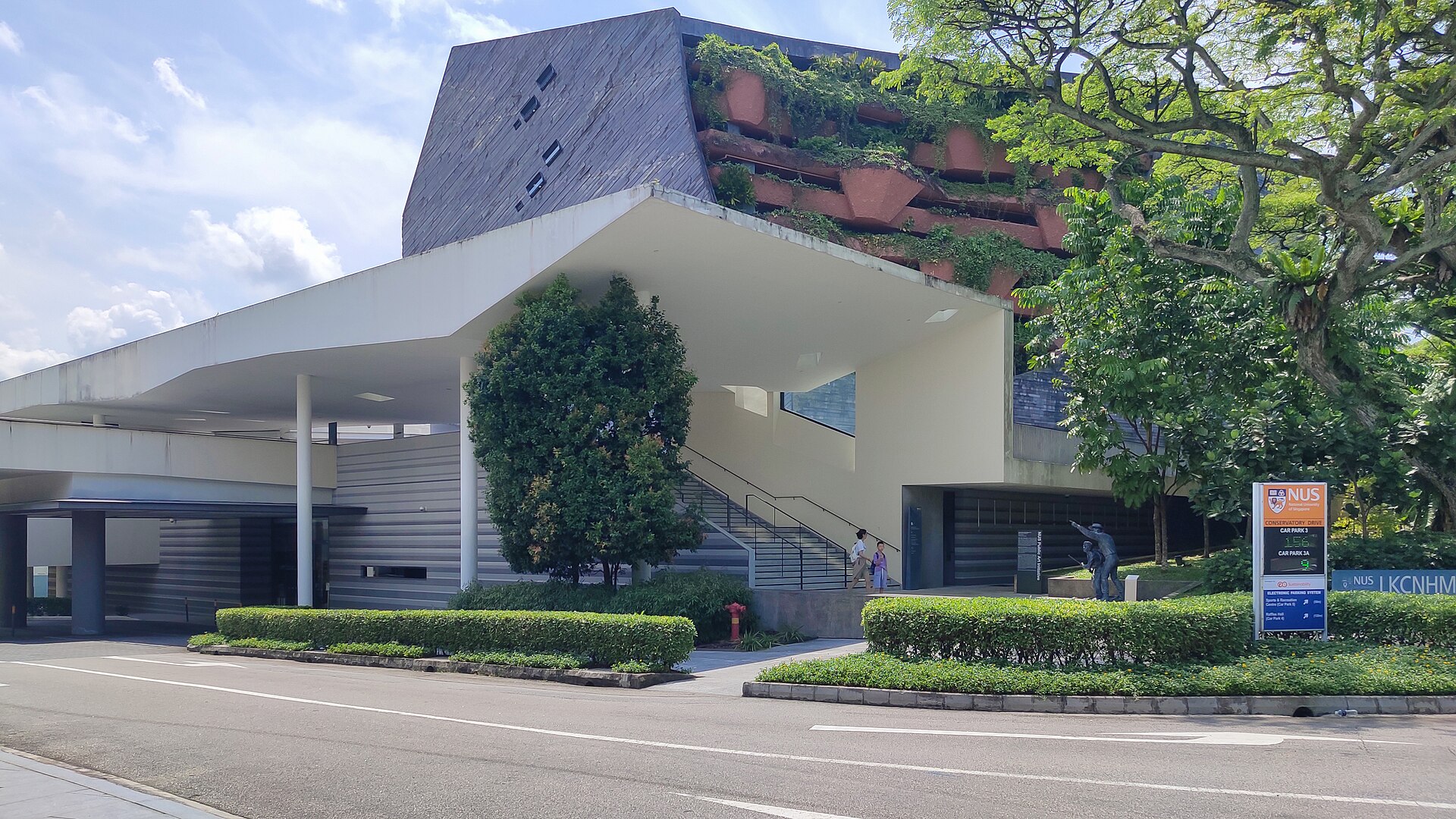
Museum · Singapore
Lee Kong Chian Natural History Museum is a natural history museum located in Singapore. It is situated on the campus of the National University of Singapore. The museum serves as a repository for Southeast Asian biodiversity specimens and research materials. It houses significant collections of zoological specimens accumulated over decades. The institution functions as both a public museum and an active research facility. Its establishment represents a major investment in natural heritage preservation for Singapore and the broader region. The building itself is architecturally distinctive.
Checked 2026-08-26
The museum contains substantial natural history collections including preserved specimens of flora and fauna. Notable displays include large dinosaur fossils and skeletal reconstructions. The collections encompass marine, terrestrial, and freshwater organisms from Southeast Asia. Specimen preservation techniques allow long-term scientific study. Exhibition spaces present biodiversity themes to visitors. Research laboratories operate behind public areas. The institution maintains type specimens important for taxonomic reference. Storage facilities house materials not on public display. Documentation accompanies specimens for scientific accuracy. The breadth reflects regional biological diversity. Lee Kong Chian Natural History Museum also earns time in a singapore itinerary because Exact unique production name match within the declared city scope. Its value becomes clearer when the stop is compared with the surrounding streets and the other ranked places nearby.
Checked 2026-08-26
Visitor duration varies considerably based on individual interest levels and engagement depth. Casual visitors typically spend shorter periods moving through exhibition galleries. Enthusiasts examining specimens closely require substantially more time. Families with children may pace visits differently than solo adults or student groups. The museum's scale permits brief overview visits or extended exploration. Photography and reading extended labels adds time. School groups follow structured itineraries. Self-guided visitors control their own pacing. Multiple floors or thematic zones may extend visits. Personal stamina and schedule constraints affect duration decisions.
Checked 2026-08-26
Visitors should verify current opening schedules directly with the museum before planning visits. Academic calendars may influence visitor patterns given the university campus location. Weekends typically draw more family visitors than weekdays. Holiday periods experience increased attendance. Morning arrivals may offer quieter conditions than afternoon periods. Weather considerations matter minimally for this indoor attraction. Special exhibitions or events may affect optimal timing. Research activity continues year-round regardless of public access hours. Advance confirmation prevents disappointment from unannounced changes. Check the operator's own site for the travel date before relying on a schedule or fare.
Checked 2026-08-26
Admission policies may distinguish between categories such as adults, children, students, and seniors. Institutional affiliations with the university may affect access provisions. Group rates potentially apply for organized visits. Membership or reciprocal arrangements with other museums may exist. Special exhibition surcharges sometimes supplement base admission. Online advance purchase options may differ from walk-up pricing. Concession eligibility requires appropriate documentation. Family packages potentially offer savings. Visitors should confirm current fee structures directly before visiting to ensure accurate budgeting. Check the operator's own site for the travel date before relying on a schedule or fare.
Checked 2026-08-26
The museum occupies a position on the National University of Singapore campus in the western part of Singapore. Public transportation access requires planning given the location outside the central business district. MRT stations exist at reasonable proximity though connections may involve walking or bus transfers. Campus shuttle services potentially serve museum visitors. Private vehicle access involves university parking regulations. Taxi and ride-hailing services provide direct access. Signage on campus assists navigation. The location separates it from Singapore's primary tourist concentration. Journey time from central areas should be anticipated accordingly.
Checked 2026-08-26
The university campus setting means visitors encounter active academic environments alongside museum functions. Construction or campus events may affect access routes. Food options within immediate museum vicinity may be limited compared to central tourist zones. Climate-controlled exhibition spaces require appropriate clothing for temperature variation. Specimen displays may disturb sensitive visitors. Photography restrictions may apply to certain collections. Crowding during peak academic or holiday periods affects experience quality. Accessibility features should be verified individually. Children require supervision near valuable specimens. Mobile phone coverage and connectivity may vary within building structures.
Checked 2026-08-26
Photography policies within natural history museums typically balance visitor documentation desires with specimen preservation needs. Flash photography often damages light-sensitive materials and may be prohibited. Tripod use usually requires special permission due to space and safety considerations. Specific galleries or individual specimens may carry photography restrictions. Commercial photography requires separate arrangements. Selfie sticks potentially present hazards in crowded exhibition spaces. Visitors should observe posted signage and staff instructions. Social media sharing is generally permitted for personal images. Respect for other visitors' viewing experience should guide photography behavior. Copyright on exhibit design may limit reproduction.
Checked 2026-08-26
The museum contains large skeletal displays and preserved specimens that may interest or potentially disturb young children depending on individual temperament. Parental guidance is advisable.
Specific on-site dining provisions are Not recorded pending review. The university campus location may offer alternative options at varying distances from the museum entrance.
Tour programming details are Not recorded pending review. Visitors should contact the museum directly to inquire about scheduled tours, group arrangements, or audio guide availability.
Accessibility features are Not recorded pending review. Visitors requiring specific accommodations should contact the museum directly to verify entrance access, elevator availability, and restroom facilities.
This institution focuses on preserved specimens and biodiversity research in indoor exhibition and laboratory settings, while the Botanic Gardens emphasize living plant collections in outdoor landscaped environments.
The museum maintains active research collections. Academic researchers should contact the institution directly regarding collection access policies, loan procedures, and appointment requirements.
Loading the interactive map…
The interactive map could not be loaded.
Last updated:
Source: OpenStreetMap contributors, Wikidata ·