Greenmarket Square
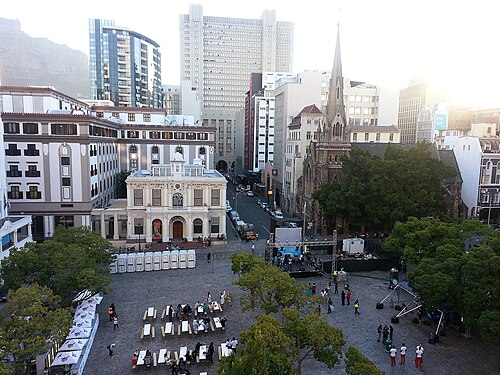
Greenmarket Square is a historic central square in Cape Town, South Africa. It has served as a public gathering space since the seventeenth century and remains one of the city's most recognisable urban landmarks.
- Must see
- Market
City guide · South Africa
Cape Town is best planned as several distinct visitor zones rather than one continuous centre. The City Bowl, V&A Waterfront and lower Table Mountain sit close...
Photograph · Diego Delso · CC BY-SA 4.0
Set your days, your pace and the hours you actually want to be out. The planner works around closing days and travel time, and leaves room to eat.
Reviewed by Elena Voss · Roavina Travel Editor
Cape Town is best planned as several distinct visitor zones rather than one continuous centre. The City Bowl, V&A Waterfront and lower Table Mountain sit close together, while the Atlantic Seaboard, southern suburbs and Cape Peninsula require separate journeys. Wind and mountain conditions can change an outdoor plan quickly, so keep an indoor museum or neighbourhood route available when scheduling the cableway, beaches or exposed viewpoints.
Checked 2026-08-26
September · September starts Cape Town's spring recovery, reaching 19.2°C by day as rainfall drops to 40.0 mm.
Ranked by importance — sitelinks, pageviews and heritage status, not editor preference.
3 places match
Category
Typical visit duration
Interests
Greenmarket Square is a historic central square in Cape Town, South Africa. It has served as a public gathering space since the seventeenth century and remains one of the city's most recognisable urban landmarks.
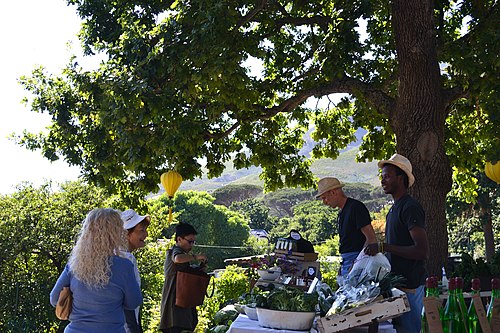
Oranjezicht City Farm Market is a farmers' market in Cape Town, situated near the V&A Waterfront area. The market operates as a community-focused food destination where regional producers gather to sell their goods.
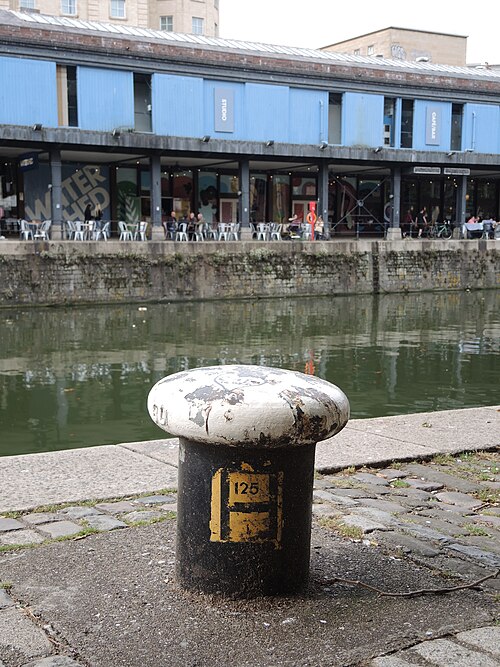
The Watershed is an indoor design market situated within Cape Town's V&A Waterfront precinct. It functions as a dedicated retail space showcasing South African craft, fashion, and locally manufactured goods.
The City Bowl forms the historic and commercial core beneath Table Mountain, with Bo-Kaap on its western slope and the V&A Waterfront north beside the harbour. The Atlantic Seaboard continues through Sea Point, Clifton and Camps Bay. Woodstock lies east, while Observatory, Newlands, Constantia and Kirstenbosch spread through the southern suburbs. Cape Point and the False Bay coast belong to a separate peninsula circuit rather than a central-city itinerary.
Checked 2026-08-26
Walk within the City Bowl, Waterfront and individual neighbourhood clusters, then use MyCiTi buses, metered taxis, ride-hailing or a rental car between dispersed areas. Cape Town Tourism also identifies rail, minibus taxis and cycling among local options, but route suitability varies by destination. The peninsula, Constantia and some trailheads need deliberate transport planning; do not assume one central route connects every major sight.
Checked 2026-08-26
No fixed stay length is recorded. Plan separate blocks for the City Bowl and Waterfront, Table Mountain, the Atlantic Seaboard, the southern suburbs and any Cape Peninsula circuit.
The City Bowl, Bo-Kaap and V&A Waterfront combine most easily. Kirstenbosch and Constantia form a southern route, while Cape Point and False Bay need their own circuit.
Walk within the City Bowl, Waterfront and individual neighbourhoods. Use a bus, taxi, ride-hailing service or car between the major zones spread around the mountain and coastline.
No single service connects every major sight conveniently. Some southern-suburb, peninsula and trailhead journeys require a transfer, taxi, tour or car.
Keep mountain and coastal activities flexible because wind and cloud can alter access. Pair each exposed plan with a museum, market or neighbourhood route.