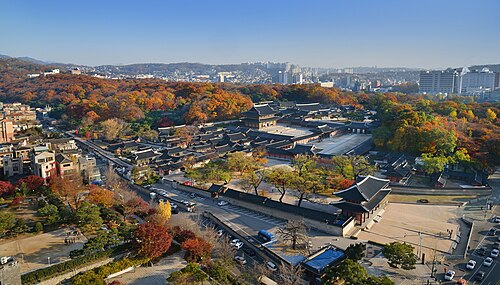
Changdeokgung Palace
창덕궁
Changdeokgung was raised in 1405 as a secondary palace to Gyeongbokgung, and the garden on the slope behind it was laid out the following year.
- Must see
- Historic monument
- Seoul
Language · 11 published
Country guide
Half of South Korea's 51 million people live in a single metropolitan area, and that shapes a visit more than the country's 100,472 square kilometres do. Seoul and the region around it hold the palaces, the museums and most of the reasons to come, and everywhere else is measured as a train ride out from it. Busan, at the far southeastern corner, is the coastal counterweight of beaches, a fish market and hills of stacked houses, while Gyeongju in between is the old Silla capital and is largely tombs and temples. The northern border is closed, so every route out of Seoul runs south.
Reviewed by Elena Voss · Roavina Travel Editor
Every city catalogued in this country so far, ranked by how much there is to see.
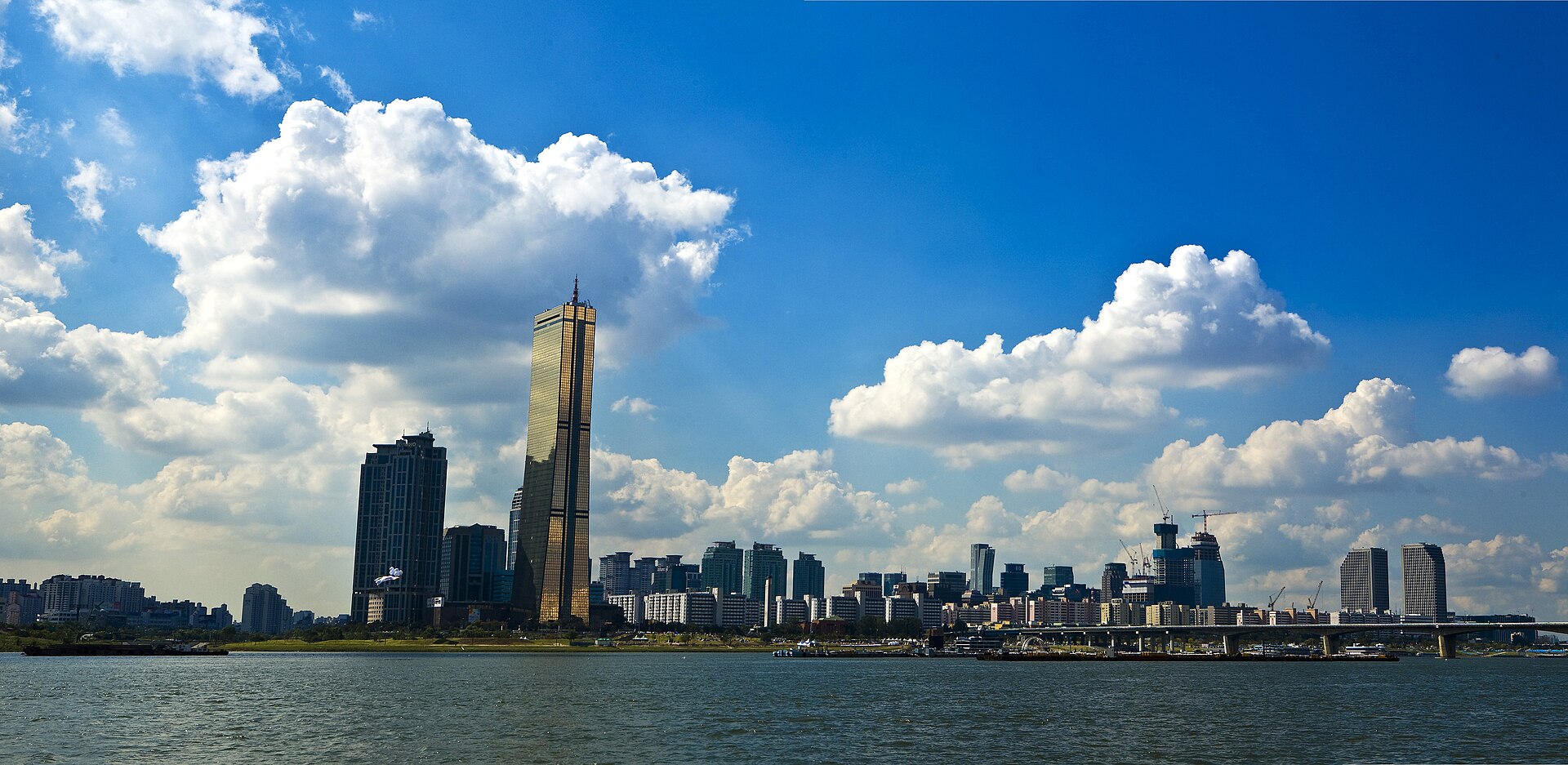
Photograph · USAGI_POST · CC0
Ranked by importance — sitelinks, pageviews and heritage status, not editor preference.
1 place matches
Category
Typical visit duration
Interests
창덕궁
Changdeokgung was raised in 1405 as a secondary palace to Gyeongbokgung, and the garden on the slope behind it was laid out the following year.
Source: OpenStreetMap contributors, Wikidata ·
Seven to ten days gives Seoul several district-based days and leaves room for Busan or Gyeongju. Jeju requires a separate flight or ferry plan, and Gyeongju works better with an overnight than as a rushed return from Seoul.
South Korea's visa-free eligibility and K-ETA rules depend on nationality and can change. Check the official immigration and K-ETA services for the travel date rather than relying on an exemption announced for an earlier year.
Incheon connects to Seoul by airport rail and buses; KTX trains and intercity buses handle longer mainland journeys. Rechargeable transport cards are useful across city systems, while Jeju and some regional areas need separate road planning.
April to May and October to November are broad windows for this Seoul-led route. Blossom timing, autumn colour, summer rain, and Jeju conditions vary, so confirm the dates for the intended region.
South Korea uses the won (KRW). Cards are widely used, but retain some won for traditional markets, small operators, or transport contingencies and verify the KRW total before payment.
Call 112 for police and 119 for fire or ambulance in South Korea. Type C and F sockets supply 220 V; tap-water guidance is not recorded here.