Gyeongbokgung Palace
경복궁
Gyeongbokgung was the first royal palace of the Joseon dynasty, established in 1395 a year after Hanyang, now Seoul, was chosen as the capital.
- Must see
- Historic monument
- Seoul
Language · 11 published
Country guide
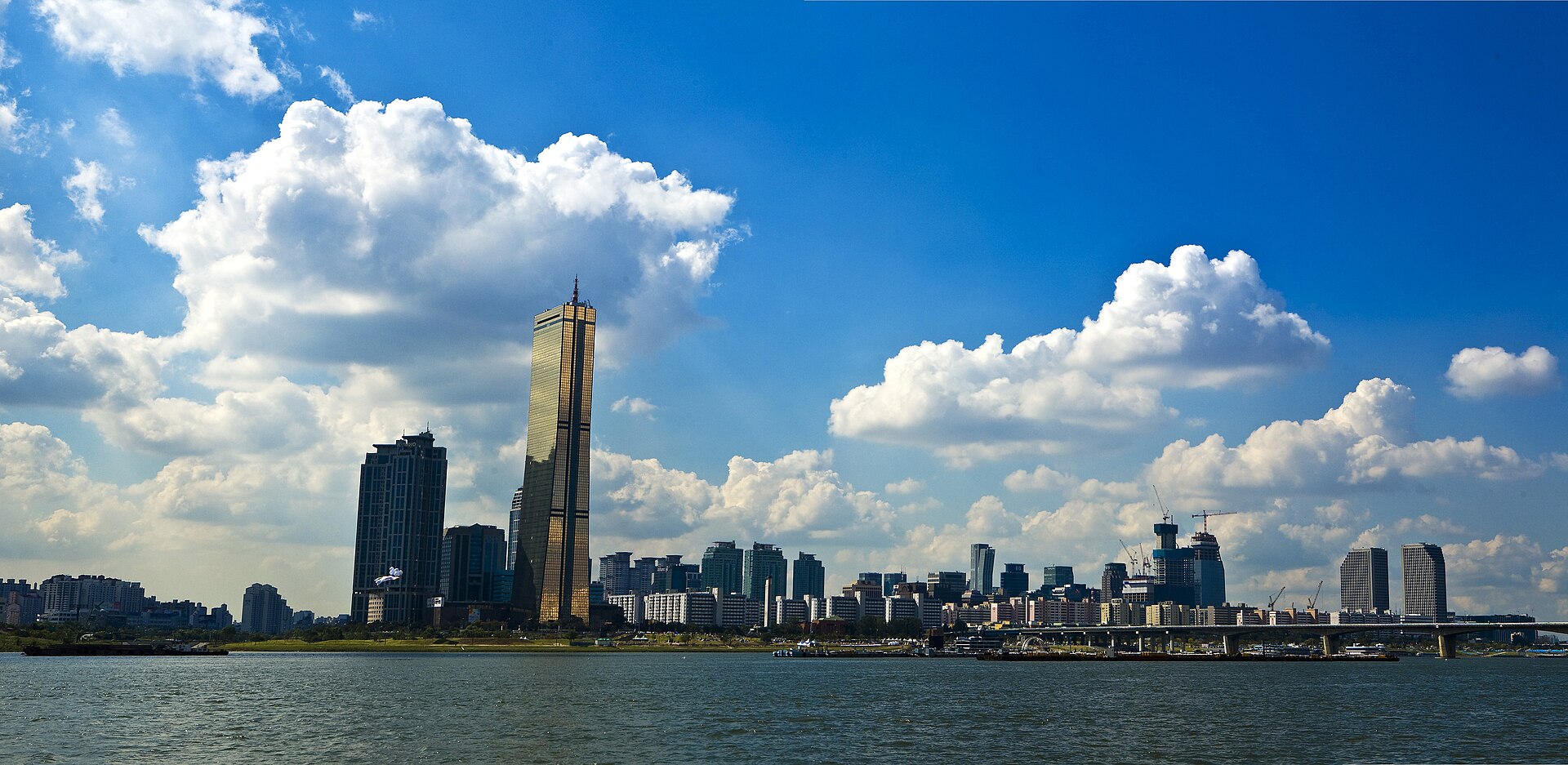
Half of South Korea's 51 million people live in a single metropolitan area, and that shapes a visit more than the country's 100,472 square kilometres do. Seoul and the region around it hold the palaces, the museums and most of the reasons to come, and everywhere else is measured as a train ride out from it. Busan, at the far southeastern corner, is the coastal counterweight of beaches, a fish market and hills of stacked houses, while Gyeongju in between is the old Silla capital and is largely tombs and temples. The northern border is closed, so every route out of Seoul runs south.
Reviewed by Elena Voss · Roavina Travel Editor
Every city catalogued in this country so far, ranked by how much there is to see.
Photograph · USAGI_POST · CC0
Ranked by importance — sitelinks, pageviews and heritage status, not editor preference.
33 places match
Category
Typical visit duration
Interests
경복궁
Gyeongbokgung was the first royal palace of the Joseon dynasty, established in 1395 a year after Hanyang, now Seoul, was chosen as the capital.
북촌한옥마을 ДЕРЕВНЯ
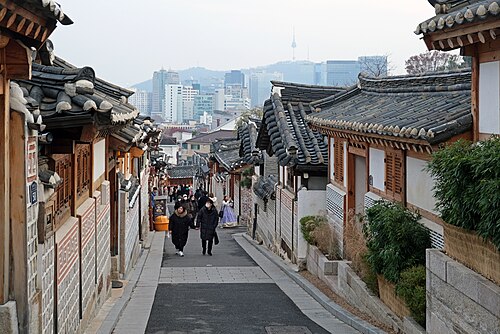
Bukchon is a lived-in neighbourhood rather than a museum village, and every rule a visitor meets there follows from that one fact.
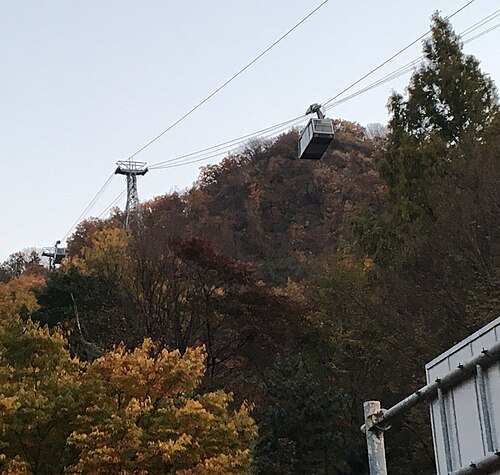
남산서울타워
Namsan Seoul Tower is a working broadcast mast with an observation deck bolted onto it, standing on the summit of Namsan, the wooded hill that sits in the middle of central Seoul.
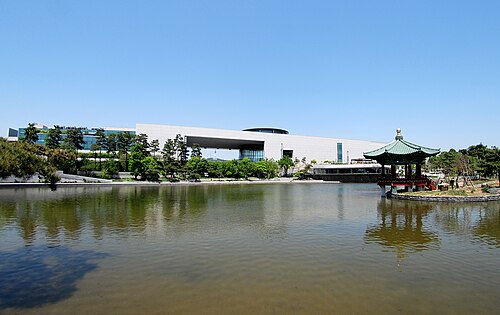
국립중앙박물관
The National Museum of Korea is the flagship museum of Korean history and art in Seoul. Established as a central institution for preserving and exhibiting Korea's cultural heritage, it stands as one of the largest museums in Asia.
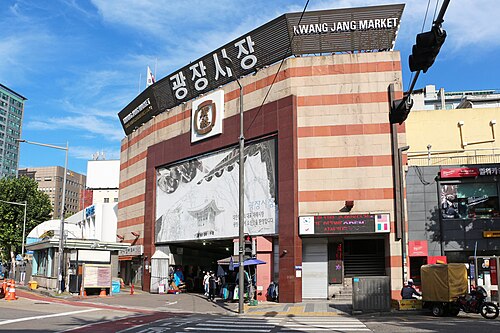
광장시장
Gwangjang Market fills a block of Jongno-gu at 88 Changgyeonggung-ro, on the ground between Jongno 4-ga and Yeji-dong, and its merchants describe it as the first permanent market in Korea.
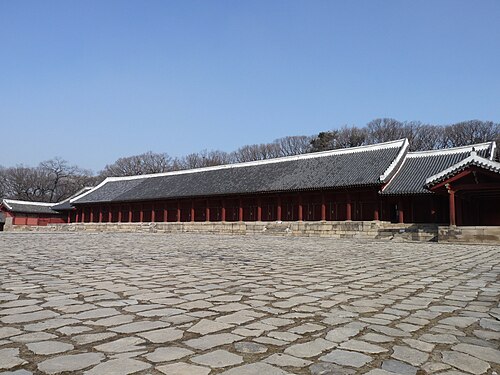
종묘
Jongmyo is the Confucian royal ancestral shrine of the Joseon dynasty, and it is a working ritual precinct rather than a temple or a palace.
청계천공원
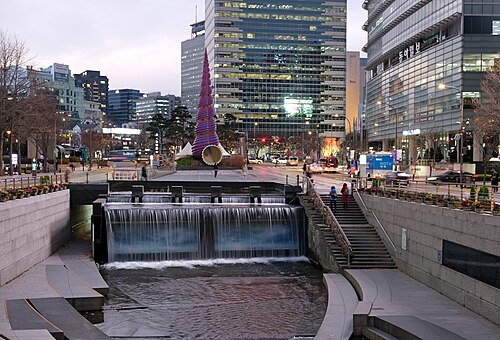
Cheonggyecheon is an 11-kilometre stream running through the middle of Seoul, sunk a storey below street level between Cheonggye Plaza and the Hangang River.
전쟁기념관
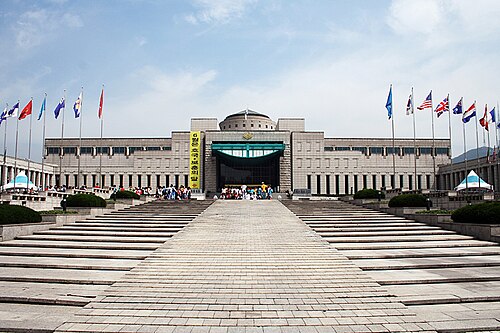
The War Memorial of Korea, known locally as 전쟁기념관, is a military museum and memorial in Seoul. It stands as a significant institution commemorating Korean military history and honoring those who served in conflicts.
Dongdaemun Design Plaza is a major independently entered design, exhibition and public-space complex with active programming. The local name is 동대문디자인플라자. It occupies a prominent position in Seoul's Dongdaemun district, an area historically associated with commerce and fashion.
롯데월드
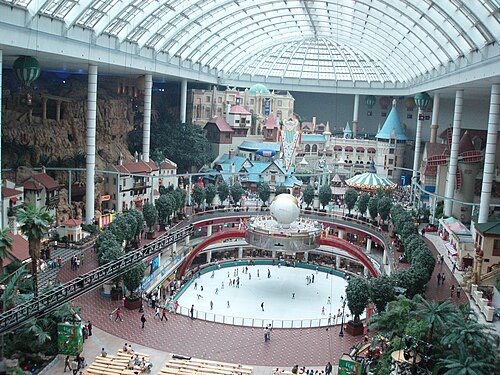
Lotte World is a major recreation complex in Seoul, South Korea. The local name is 롯데월드. It comprises both indoor and outdoor facilities, with the indoor portion known as Lotte World Adventure and the outdoor portion called Magic Island.
덕수궁
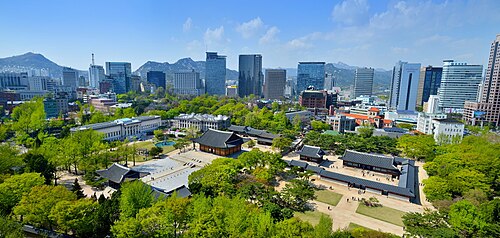
Deoksugung is the palace of the Korean Empire, and the Royal Palaces and Tombs Center's own history of it is unusually blunt about how it became one.
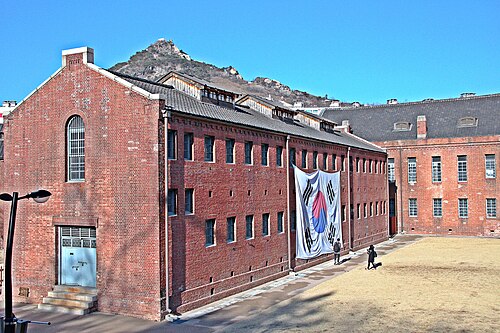
서대문형무소역사관
Seodaemun Prison History Hall is a former colonial-era penitentiary turned museum in Seoul, South Korea. The site was constructed during Japanese rule and later used by subsequent governments.
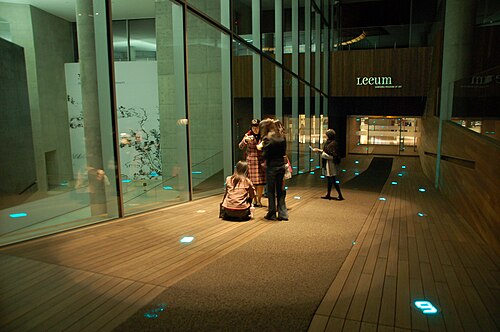
Leeum
Leeum, Samsung Museum of Art is a private art museum in Seoul, South Korea. Established by the Samsung Foundation of Culture, it houses collections of traditional Korean art and contemporary international works.
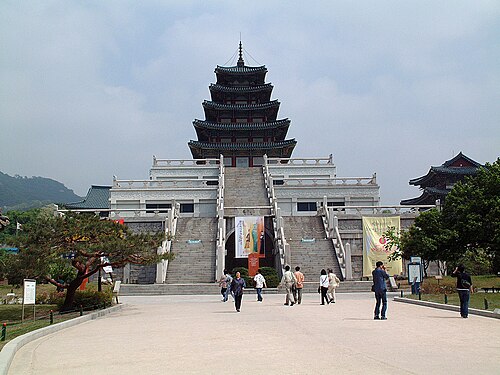
국립민속박물관
The National Folk Museum of Korea is a national museum located in Seoul, South Korea. It is situated within the grounds of Gyeongbokgung Palace, one of the major royal palaces of the Joseon dynasty.
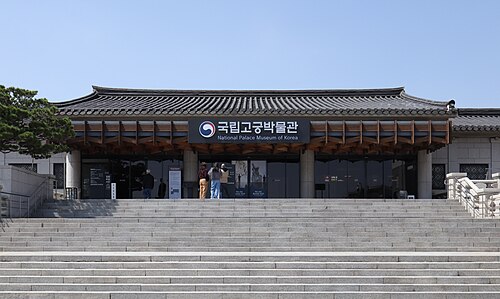
국립고궁박물관
The National Palace Museum of Korea is a Seoul museum devoted to the Joseon Dynasty and Korean imperial court. Near Gyeongbokgung Palace, it brings together objects connected with royal ceremonies, court life, administration, art, and palace culture.
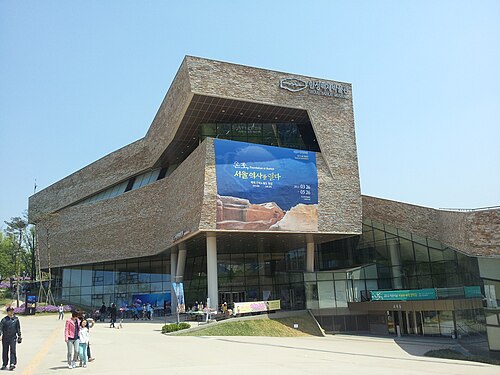
서울역사박물관
Seoul Museum of History, known locally as 서울역사박물관, is a municipal museum devoted to the history of Seoul. The museum presents the capital as a changing city, linking earlier settlements, dynastic development, modern transformation and metropolitan life.
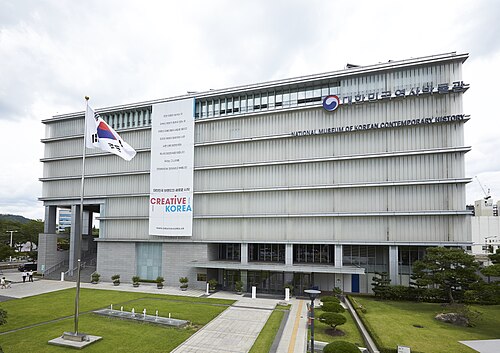
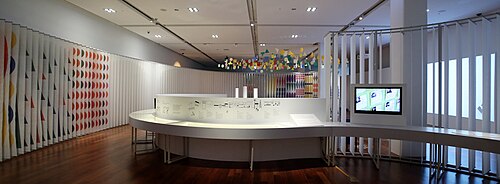
대한민국역사박물관
The National Museum of Korean Contemporary History presents South Korea’s modern story from the late nineteenth century to the present.
국립한글박물관
The National Hangeul Museum is devoted to Hangeul, the Korean writing system. Its subject reaches from the alphabet’s creation in the fifteenth century under King Sejong to its continuing role in Korean education, culture, publishing, and everyday communication.
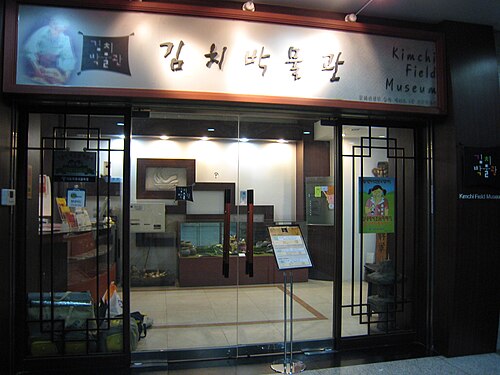
뮤지엄김치간
Museum Kimchikan is a Seoul museum devoted to kimchi, Korea’s fermented vegetable dish and an important part of Korean food culture. Its Korean name is 뮤지엄김치간.
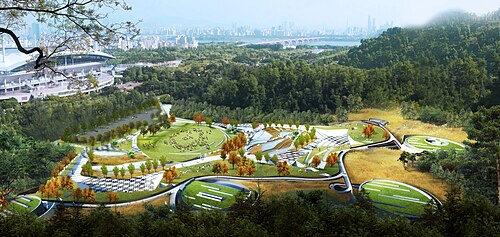
문화비축기지
Oil Tank Culture Park is a Seoul cultural complex created from former oil storage tanks. The cylindrical industrial structures remain the defining feature of the site, while their new role supports public culture, exhibitions, performances, and outdoor exploration.
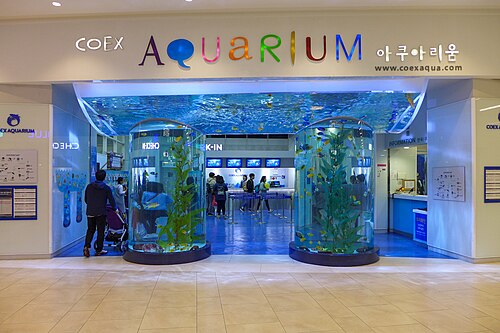
코엑스 아쿠아리움 (COEX Aquarium)
COEX Aquarium is an indoor aquatic attraction within COEX Mall in Seoul’s Gangnam district. It forms part of a large commercial and leisure complex containing shopping, convention facilities, hotels, and entertainment.
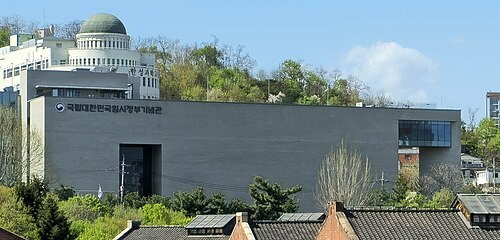
국립대한민국임시정부기념관
The National Memorial of the Korean Provisional Government presents the story of the Korean Provisional Government, established in Shanghai in 1919 during Japanese colonial rule.
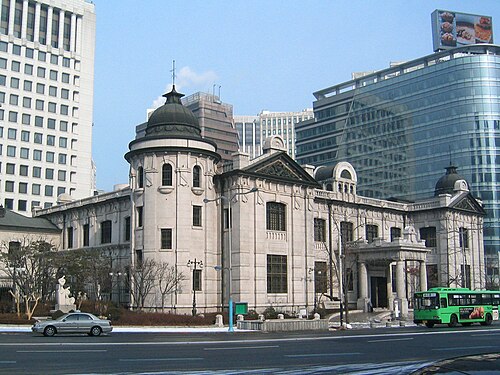
한국은행 화폐박물관
The Bank of Korea Museum is a currency museum in Seoul operated by South Korea’s central bank. Known locally as 한국은행 화폐박물관, it connects the country’s monetary heritage with the institution responsible for issuing the South Korean won.
한성백제박물관
Seoul Baekje Museum introduces the history of Baekje in the Seoul area, especially the Hanseong period, when the Han River basin was an important political and strategic centre.
한국가구박물관
The Korea Furniture Museum presents traditional Korean furniture within a hanok setting in Seoul. The buildings and collection belong together: chests, wardrobes, cabinets and tables can be understood as objects made for particular rooms, habits and social settings.
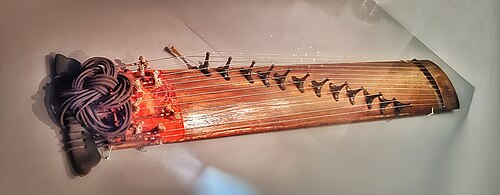
국악박물관
The Museum of Gugak introduces Seoul visitors to gugak, the broad tradition of Korean music and performance. Gugak includes court music, folk music, ritual music and forms shaped by regional practice.
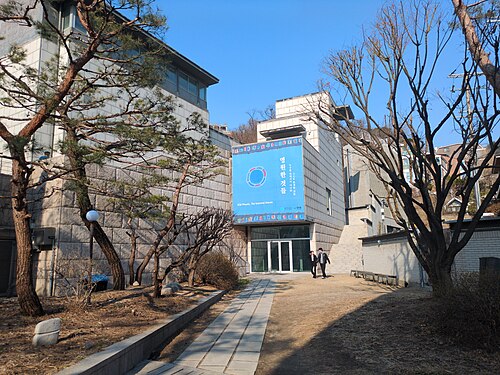
환기미술관
The Whanki Museum is an art museum in Seoul dedicated to the work of Kim Whanki, a pioneering Korean abstract painter. The museum honors his artistic legacy and contribution to modern Korean art.
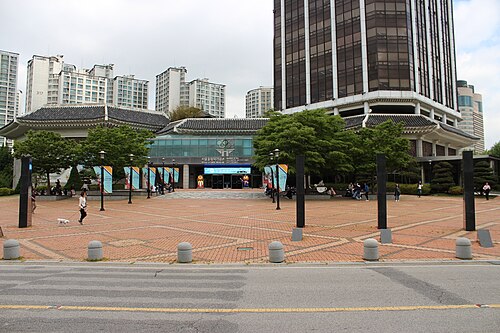
서울올림픽기념관
Seoul Olympic Museum is a commemorative institution for the 1988 Summer Olympics, located within Olympic Park in Songpa-gu.
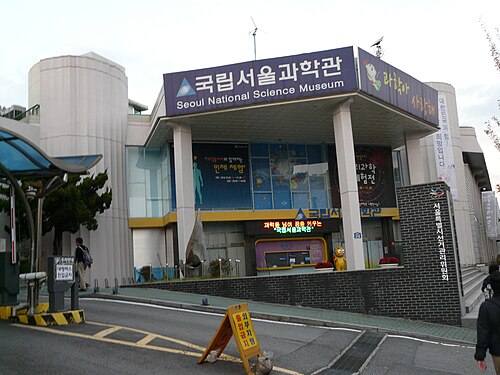
국립서울과학관
The National Children’s Science Center, known locally as 국립서울과학관, is a science museum in Seoul designed to engage children and families with scientific ideas. As a national educational facility, it offers a hands-on alternative to conventional sightseeing.
국립과천과학관
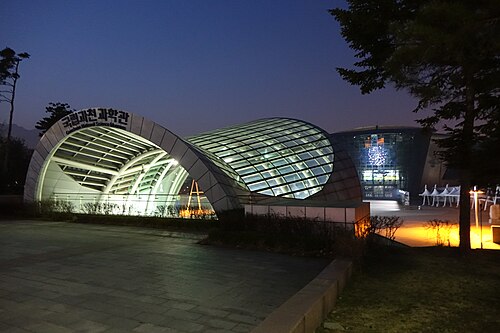
Gwacheon National Science Museum, known in Korean as 국립과천과학관, is a major national science museum in Gwacheon, a separate city within the Seoul Capital Area.
서울랜드
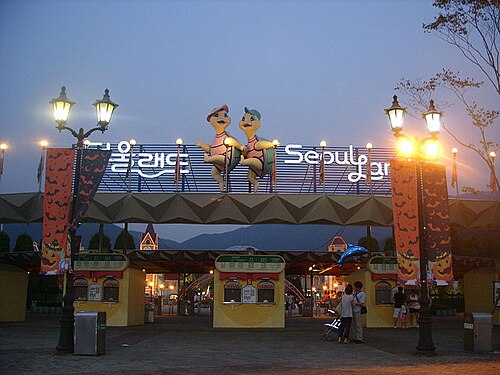
Seoul Land is an amusement park in Seoul, South Korea, known locally as 서울랜드. It offers a leisure-focused alternative to the capital’s palaces, markets, and museums, with the visit centred on outdoor entertainment rather than historic interpretation.
실버영화관
Silver Theater, known locally as 실버영화관, is a cinema in Seoul. The venue belongs to the city’s entertainment landscape and offers a film-focused stop for travelers who want a seated cultural experience amid a busy urban itinerary.
경찰박물관
Source: OpenStreetMap contributors, Wikidata ·
Seven to ten days gives Seoul several district-based days and leaves room for Busan or Gyeongju. Jeju requires a separate flight or ferry plan, and Gyeongju works better with an overnight than as a rushed return from Seoul.
South Korea's visa-free eligibility and K-ETA rules depend on nationality and can change. Check the official immigration and K-ETA services for the travel date rather than relying on an exemption announced for an earlier year.
Incheon connects to Seoul by airport rail and buses; KTX trains and intercity buses handle longer mainland journeys. Rechargeable transport cards are useful across city systems, while Jeju and some regional areas need separate road planning.
April to May and October to November are broad windows for this Seoul-led route. Blossom timing, autumn colour, summer rain, and Jeju conditions vary, so confirm the dates for the intended region.
South Korea uses the won (KRW). Cards are widely used, but retain some won for traditional markets, small operators, or transport contingencies and verify the KRW total before payment.
Call 112 for police and 119 for fire or ambulance in South Korea. Type C and F sockets supply 220 V; tap-water guidance is not recorded here.