
1 min walk
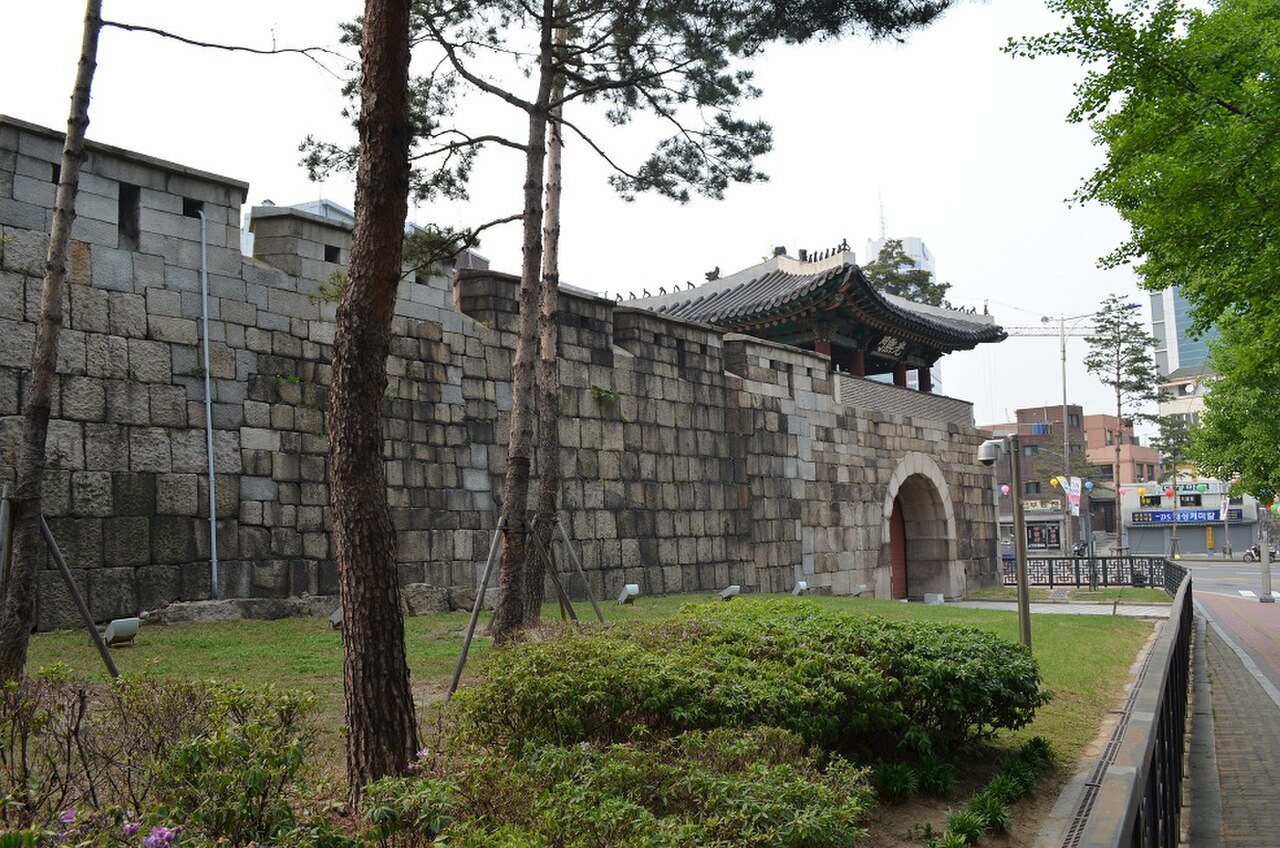
Seoul City Wall
- Must see · Heritage site
- Historic monument
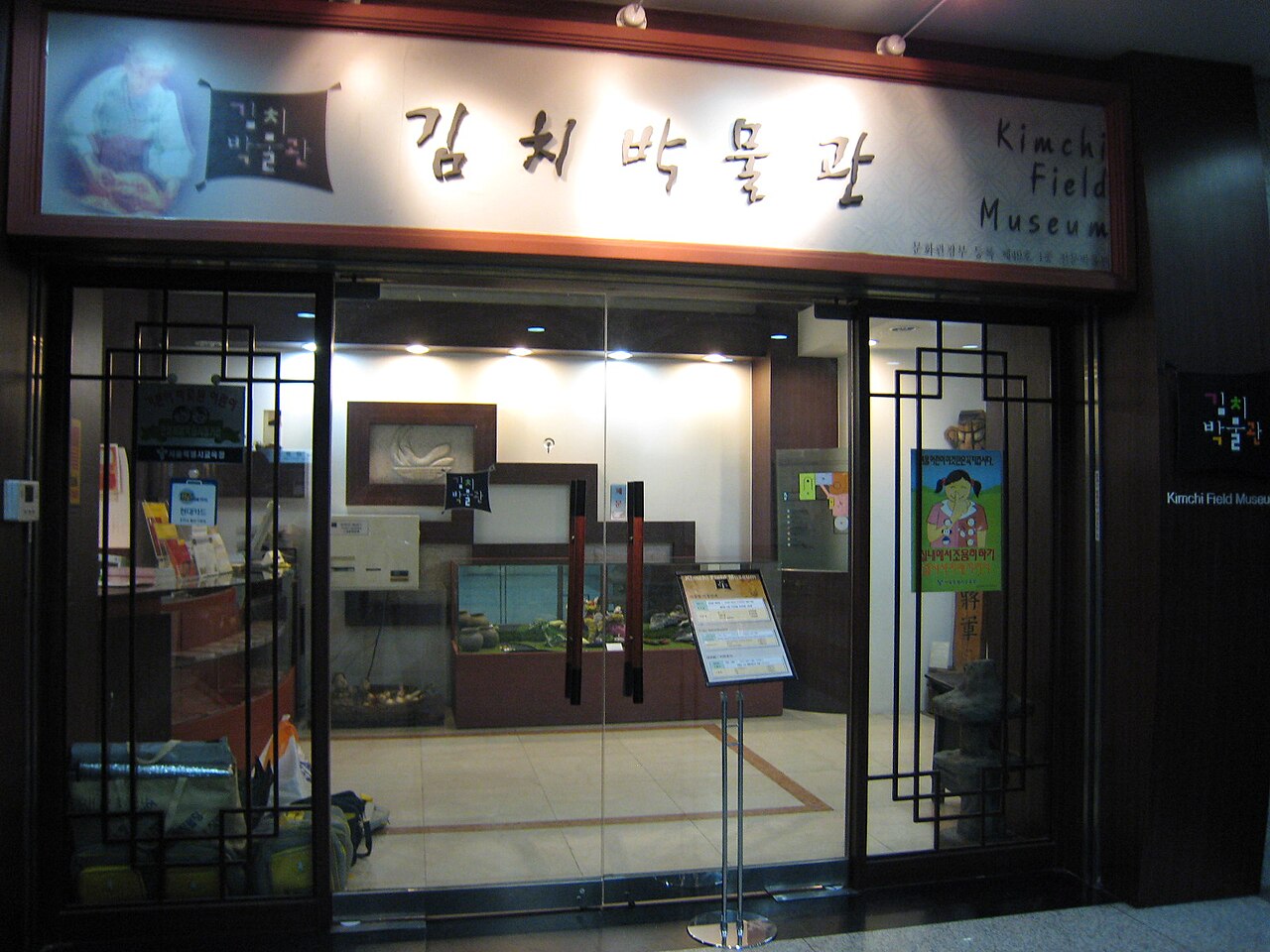
Museum · Seoul
뮤지엄김치간
| Monday | Closed |
|---|---|
| Tuesday | 10:00 – 18:00 |
| Wednesday | 10:00 – 18:00 |
| Thursday | 10:00 – 18:00 |
| Friday | 10:00 – 18:00 |
| Saturday | 10:00 – 18:00 |
| Sunday | 10:00 – 18:00 |
Parsed from OpenStreetMap opening hours on 2026-09-09.
Museum Kimchikan is a Seoul museum devoted to kimchi, Korea’s fermented vegetable dish and an important part of Korean food culture. Its Korean name is 뮤지엄김치간. The museum presents kimchi through cultural history, preparation methods, regional traditions, fermentation, and the communal practice of kimjang. It stands in Insa-dong, a central Seoul district associated with traditional culture, crafts, galleries, and pedestrian-friendly cultural outings. Museum Kimchikan is a museum in Seoul dedicated to kimchi, the iconic Korean fermented vegetable dish. Its local name is 뮤지엄김치간. The museum explores the cultural significance, history, and preparation methods of kimchi within Korean society. It serves as an educational institution where visitors can learn about this UNESCO-recognized intangible cultural heritage. The museum is situated in the Insa-dong area, a district known for traditional Korean culture and crafts.
Checked 2026-08-26 · Source
Inside, visitors encounter displays about kimchi ingredients, preparation, regional varieties, and historical development. Traditional onggi fermentation vessels help explain how kimchi has been stored and matured. The museum also connects food preparation with family life and kimjang, the communal seasonal preparation of kimchi. Explanations of lactic acid fermentation link familiar Korean food traditions with the science behind flavour, preservation, and texture. The museum contains exhibitions related to kimchi production, regional varieties, and historical development. Educational components may demonstrate the scientific aspects of lactic acid fermentation. The museum probably offers hands-on experiences where visitors can participate in kimchi-making activities. Historical contexts connect kimchi to Korean family traditions, particularly the communal preparation event called kimjang. Exhibitions may also address the dish's evolution and its growing international recognition as a representative Korean food culture element.
Checked 2026-08-26 · Source
Allow about one to two hours for a considered visit through the exhibitions. That gives enough time to read the cultural explanations, examine fermentation vessels and ingredients, and follow the story from preparation to communal tradition. A kimchi-making activity takes additional time beyond the exhibition visit. The museum also fits naturally into a wider Insa-dong walk, where nearby galleries, craft shops, and traditional streets can extend the outing. Visitors typically allocate approximately one to two hours for a complete museum experience, though individual pacing varies considerably. Those participating in hands-on kimchi-making programs should expect additional time commitments.
Checked 2026-08-26 · Source
Spring and autumn are comfortable seasons for combining the museum with a walk through Insa-dong. Summer in Seoul is hot and humid, while winter is cold, so the indoor exhibition provides a useful cultural stop in either season. Weekday mornings suit visitors who prefer a calmer district atmosphere; weekends and holiday periods bring more activity to this popular traditional neighbourhood. Plan the museum alongside the rest of your Jongno cultural route.
Checked 2026-08-26 · Source
The museum’s visit centres on its exhibitions about kimchi culture, preparation, fermentation, and kimjang. A hands-on kimchi-making activity is a separate kind of experience because it involves participation rather than exhibition viewing. Keep the exhibition visit and any practical session distinct when planning your time. Insa-dong offers many other cultural stops, so Museum Kimchikan works well as one focused element in a broader Seoul food-and-heritage itinerary.
Checked 2026-08-26 · Source
Museum Kimchikan is in Seoul’s Insa-dong area. Anguk Station on Subway Line 3 provides access to the district, and Seoul’s bus network serves Jongno-gu. The museum can also be included in a walking route from nearby palaces or traditional cultural areas. Once in Insa-dong, continue on foot through the district’s craft and heritage streets. Taxis provide another practical option when carrying shopping or travelling with a group.
Checked 2026-08-26 · Source
Insa-dong can be busy during peak tourist periods, so allow extra walking time around the museum. Fermentation displays may have noticeable food aromas. If you join a hands-on session, set aside more time than the exhibition alone. Follow staff directions in activity areas and observe any signs covering photography. The museum is best approached as a focused cultural visit, then paired with the surrounding district rather than rushed between distant Seoul attractions.
Checked 2026-08-26 · Source
Kimchi ingredients, onggi vessels, and exhibition displays provide the strongest visual subjects. Photograph quietly so other visitors can read and move through the galleries comfortably. Follow the museum’s posted signs and staff directions in every exhibition or activity area. A hands-on session deserves attention as well as photographs, especially when preparing food. The surrounding Insa-dong streets add craft shops, traditional details, and changing seasonal scenes to the visual record of the visit.
Checked 2026-08-26 · Source
It is a museum in Insa-dong devoted to kimchi’s cultural history, preparation methods, regional traditions, fermentation, and the communal practice of kimjang.
Visitors learn about kimchi ingredients, preparation, regional varieties, historical development, onggi fermentation vessels, and lactic acid fermentation.
Allow about one to two hours for the exhibitions, with additional time for a hands-on kimchi-making activity.
The museum is in Seoul’s Insa-dong area, a district known for traditional Korean culture, crafts, galleries, and cultural walking routes.
Anguk Station on Seoul Subway Line 3 provides access to the Insa-dong district, from which the museum is reached on foot.
Kimjang is the communal seasonal preparation of kimchi, a practice connected with Korean family traditions and food culture.
Loading the interactive map…
The interactive map could not be loaded.
Last updated:
Source: OpenStreetMap contributors, Wikidata ·