
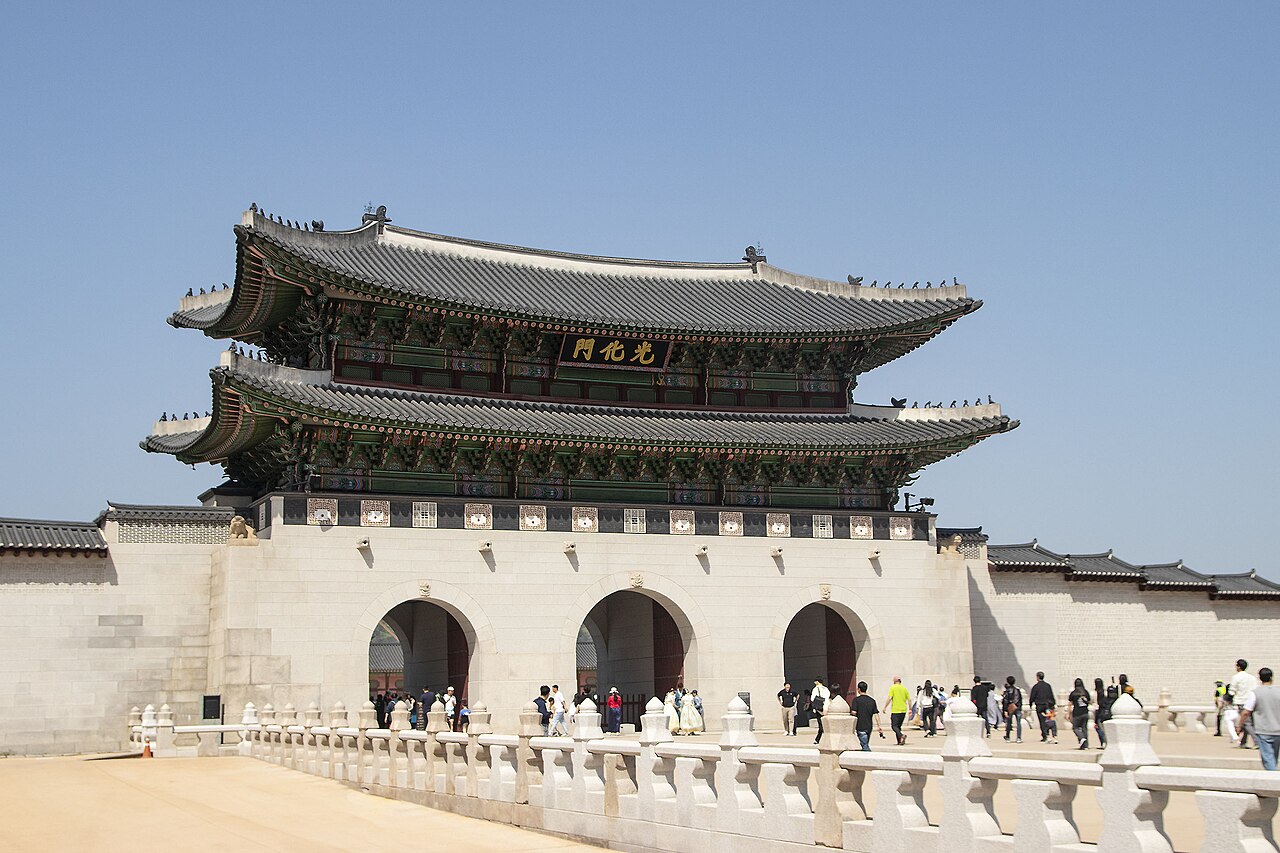
3 min walk
Gwanghwamun
- Notable
- Historic monument
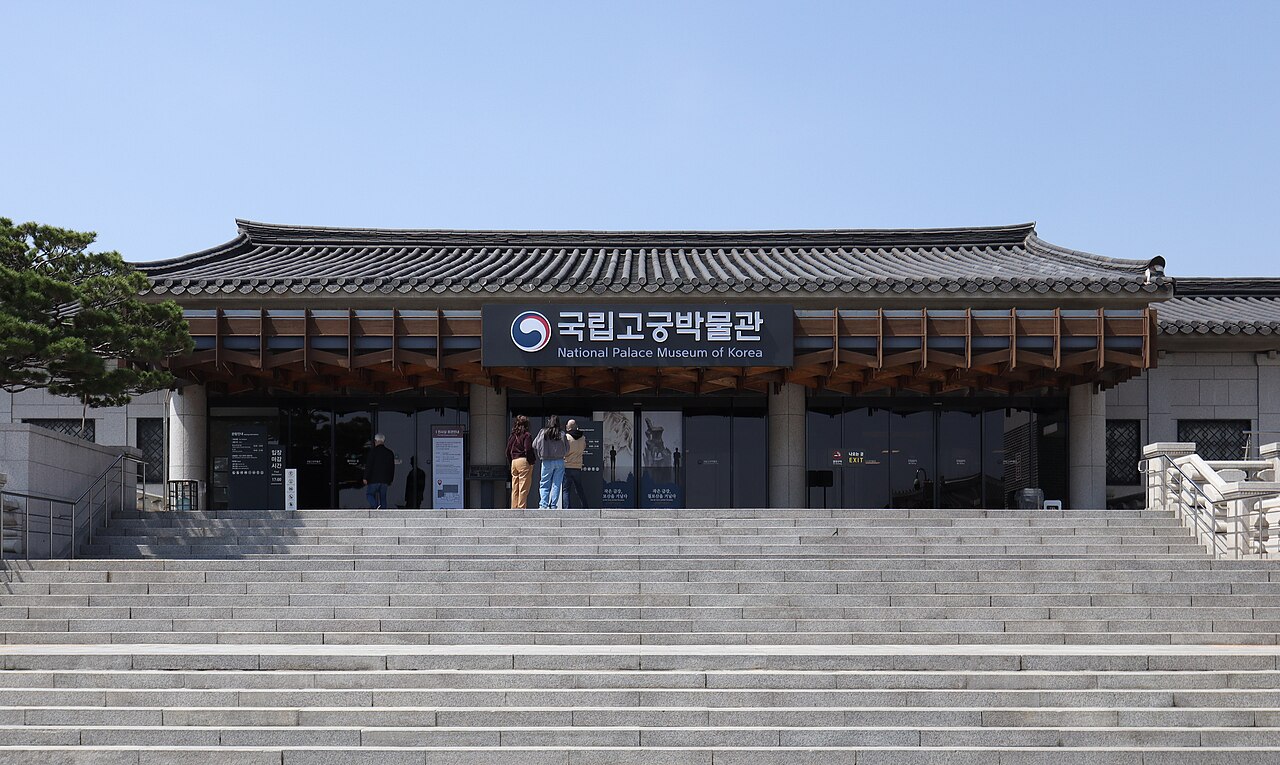
Museum · Seoul
국립고궁박물관
The National Palace Museum of Korea is a Seoul museum devoted to the Joseon Dynasty and Korean imperial court. Near Gyeongbokgung Palace, it brings together objects connected with royal ceremonies, court life, administration, art, and palace culture. The museum offers essential context before or after walking through Seoul’s surviving royal architecture. The National Palace Museum of Korea is a museum in Seoul dedicated to the history and culture of the Joseon Dynasty and Korean imperial court. It houses artifacts from the royal palaces of Seoul, including Gyeongbokgung, Changdeokgung, Changgyeonggung, and Deoksugung. The museum relocated to its current premises near Gyeongbokgung Palace in 2005. Its collection encompasses over 40,000 items spanning royal ceremonies, daily life, art, and state affairs. The institution serves as a primary repository for understanding Korea's monarchical heritage. No. These are separate institutions located near each other in the Gyeongbokgung Palace area. The National Palace Museum focuses on royal and court artifacts from the Joseon Dynasty and Korean empire. The National Folk Museum addresses broader Korean folk traditions and daily life. Visitors often combine both in a single itinerary.
Checked 2026-08-26 · Source
Collections include royal seals, ceremonial clothing, palanquins, court paintings, musical instruments, decorative arts, official royal portraits, and uigwe protocols describing court ceremonies. Displays also address royal weddings, funerals, administration, and palace architecture through models and surviving fragments. Together, the galleries connect formal state ritual with the daily material world of the court. The museum's collections include royal seals, ceremonial garments, palanquins, court paintings, musical instruments, and decorative arts. Notable categories comprise Joseon kings' official portraits, uigwe royal protocols documenting ceremonies, and items related to royal weddings and funerals. The displays cover palace architecture through models and fragments. Visitors encounter objects illustrating the hierarchical structure of court society. The breadth reflects both state ritual and the personal dimensions of palace existence across centuries of dynastic rule.
Checked 2026-08-26 · Source
A focused visit can take around ninety minutes, while a fuller progression through the galleries suits a two- to three-hour stay. Allow extra energy if you are also visiting Gyeongbokgung and the National Folk Museum nearby. Begin with the objects most relevant to your interests, then use the remaining galleries to build a broader picture of court culture. A thorough visit typically requires between one and a half to three hours depending on individual pacing and depth of interest. The museum's scale permits flexible engagement: focused examination of specific galleries or comprehensive progression through chronological and thematic arrangements. Visitors with strong interest in Korean art history or royal material culture may prefer extended stays. Those combining this destination with adjacent Gyeongbokgung Palace or other nearby cultural sites should allocate time accordingly to avoid fatigue.
Checked 2026-08-26 · Source
The museum works well in every season because its galleries provide an indoor cultural stop in central Seoul. Spring and autumn are especially pleasant for walking between the museum, Gyeongbokgung, and nearby attractions. Summer heat and winter cold make indoor time valuable. Weekday mornings generally offer a more measured pace for reading labels and examining objects. Seasonal considerations for Seoul include hot humid summers and cold dry winters; spring and autumn generally offer milder conditions for walking between the museum and surrounding palace grounds. Weekday mornings may present fewer visitors than afternoons or weekends. The museum's indoor environment provides climate-controlled conditions regardless of external weather.
Checked 2026-08-26 · Source
The museum’s admission arrangements are separate from the palace grounds beside it. Plan the museum as its own cultural stop, especially when your day includes Gyeongbokgung or the National Folk Museum. The collection is valuable even without entering another palace because its seals, garments, protocols, paintings, and ceremonial objects explain how Joseon court life was organized.
Checked 2026-08-26 · Source
The museum stands near Gyeongbokgung Palace in Jongno, central Seoul. Gyeongbokgung Station on Line 3 is the main subway reference point, and buses serve the wider palace district. Once there, the museum can be combined on foot with Gyeongbokgung, the National Folk Museum, and other cultural destinations, creating a compact heritage-focused day.
Checked 2026-08-26 · Source
Museum galleries require careful behavior around historic objects. Keep food and drinks away from displays, respect barriers, and follow each gallery’s photography rules. Interior temperatures may feel cool after walking outside in summer. A combined palace visit involves additional walking over varied surfaces, so comfortable shoes make the full Jongno itinerary easier.
Checked 2026-08-26 · Source
The museum’s royal seals, garments, palanquins, paintings, and decorative objects provide detailed photographic subjects where photography is permitted. Flash, tripods, selfie sticks, or photography in special displays may be restricted. Read gallery notices before taking a picture, and keep equipment unobtrusive in busy rooms. The surrounding palace district also offers strong exterior compositions.
Checked 2026-08-26 · Source
It focuses on Joseon royal culture and the Korean imperial court, including ceremonies, administration, art, and palace life.
Notable categories include royal seals, ceremonial garments, palanquins, court paintings, musical instruments, portraits, and uigwe protocols.
Yes. The museum is near Gyeongbokgung, and the two visits complement each other by linking palace objects with palace architecture.
Allow about ninety minutes for a focused visit and two to three hours for a more complete exploration.
It is in Jongno, near Gyeongbokgung Palace, with Gyeongbokgung Station on Seoul Subway Line 3 as the main transit reference point.
The National Folk Museum and Gyeongbokgung Palace are nearby, making the museum easy to include in a palace-district itinerary.
Loading the interactive map…
The interactive map could not be loaded.
Last updated:
Source: OpenStreetMap contributors, Wikidata ·